

 登录
登录
D
①"Look into my eyes! Tell me why!" Do you often see "ancient(古代的) people" saying these words on the Internet these days?
② Video creators are using AI to bring famous people from history like Du Fu and Li Shizhen "back to life". In one video, Du Fu talks about his hard life during the An-Shi Rebellion (755-763). In another, Li Shizhen makes fun of today's lifestyles, like drinking goji berry(枸杞) tea but sleeping late.
③ Students think differently about these videos.
④Wang Jiayi, 15, says, "The videos make me want to learn more about important ancient people, such as Wen Zhenming and Tang Bohu. I didn't know much about their stories before." Their videos make her interested in old history.
⑤But some students don't like how the videos show ancient people. Wang Shoutong, 14, says the loud voices are awful. "They're not like real ancient people," he says. This style(风格) makes him unhappy.
⑥Xia Boen, 14, feels the same about the loud style. But he finds himself remembering all the stories about their lives and successes from the videos. The videos help him remember well, even if he doesn't love the way.
⑦All in all, these videos use a new way to let ancient people "speak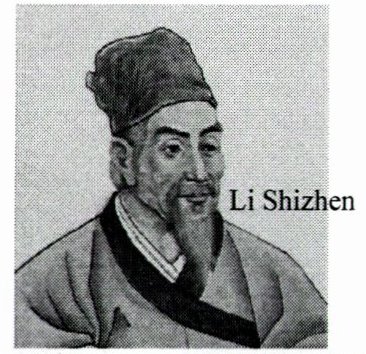 Li Shizhen
Look into my eyes! Tell me why!
for themselves." "But we should be careful(小心的) with these videos. We don't know whether(是否) the information is true or not. This is what we should worry about," said Nanfang Daily.
(
A. By asking a question.
B. By listing numbers.
C. By telling a story.
D. By showing an idea.
(
A. Du Fu and Tang Bohu.
B. Li Shizhen and Tang Bohu.
C. Li Shizhen and Du Fu.
D. Wen Zhengming and Tang Bohu.
(
A. The videos are too short.
B. The videos are too loud and don't seem real.
C. The facts of the history in the videos are wrong.
D. The videos can't help him remember stories well.
(
A. To show more people should see these videos.
B. To explain the students' ideas about these videos.
C. To say these videos are always boring and not helpful.
D. To ask people to be careful with the information in these videos.
①"Look into my eyes! Tell me why!" Do you often see "ancient(古代的) people" saying these words on the Internet these days?
② Video creators are using AI to bring famous people from history like Du Fu and Li Shizhen "back to life". In one video, Du Fu talks about his hard life during the An-Shi Rebellion (755-763). In another, Li Shizhen makes fun of today's lifestyles, like drinking goji berry(枸杞) tea but sleeping late.
③ Students think differently about these videos.
④Wang Jiayi, 15, says, "The videos make me want to learn more about important ancient people, such as Wen Zhenming and Tang Bohu. I didn't know much about their stories before." Their videos make her interested in old history.
⑤But some students don't like how the videos show ancient people. Wang Shoutong, 14, says the loud voices are awful. "They're not like real ancient people," he says. This style(风格) makes him unhappy.
⑥Xia Boen, 14, feels the same about the loud style. But he finds himself remembering all the stories about their lives and successes from the videos. The videos help him remember well, even if he doesn't love the way.
⑦All in all, these videos use a new way to let ancient people "speak
Li ShizhenLook into my eyes! Tell me why!
for themselves." "But we should be careful(小心的) with these videos. We don't know whether(是否) the information is true or not. This is what we should worry about," said Nanfang Daily.
(
A
)27. How does the writer start Paragraph 1?A. By asking a question.
B. By listing numbers.
C. By telling a story.
D. By showing an idea.
(
C
)28. Which two ancient people are mentioned(提及) in Paragraph 2?A. Du Fu and Tang Bohu.
B. Li Shizhen and Tang Bohu.
C. Li Shizhen and Du Fu.
D. Wen Zhengming and Tang Bohu.
(
B
)29. Why doesn't Wang Shoutong like the videos?A. The videos are too short.
B. The videos are too loud and don't seem real.
C. The facts of the history in the videos are wrong.
D. The videos can't help him remember stories well.
(
B
)30. What is the main purpose(目的) of this passage?A. To show more people should see these videos.
B. To explain the students' ideas about these videos.
C. To say these videos are always boring and not helpful.
D. To ask people to be careful with the information in these videos.
答案
27. A 28. C 29. B 30. B
解析
【分析】
27题:定位第一段,发现开头是疑问句,判断开篇方式;28题:定位第二段,提取提到的古代人物;29题:定位第五段,找到Wang Shoutong不喜欢视频的原因;30题:通读全文,梳理文章核心内容,确定主旨。
【解析】
27题:第一段以问句"Do you often see 'ancient people' saying these words on the Internet these days?"开篇,属于提问方式,对应选项A,故选A。
28题:第二段明确提及"famous people from history like Du Fu and Li Shizhen",即提到的两位古代人物是杜甫和李时珍,对应选项C,故选C。
29题:根据第五段Wang Shoutong的表述"the loud voices are awful. 'They're not like real ancient people,' he says",可知他不喜欢视频是因为声音大且不真实,对应选项B,故选B。
30题:文章先介绍AI制作的历史人物视频,再列举不同学生的看法,最后提及需注意信息真实性,核心是展示学生对这类视频的观点,对应选项B,故选B。
【答案】
27.A 28.C 29.B 30.B
【知识点】
阅读理解;细节理解;主旨大意
【点评】
本题为英语阅读理解题,侧重考查学生快速定位原文信息、理解文章主旨的能力,需仔细分析原文细节与题干的对应关系,难度适中。
【难度系数】
0.5
27题:定位第一段,发现开头是疑问句,判断开篇方式;28题:定位第二段,提取提到的古代人物;29题:定位第五段,找到Wang Shoutong不喜欢视频的原因;30题:通读全文,梳理文章核心内容,确定主旨。
【解析】
27题:第一段以问句"Do you often see 'ancient people' saying these words on the Internet these days?"开篇,属于提问方式,对应选项A,故选A。
28题:第二段明确提及"famous people from history like Du Fu and Li Shizhen",即提到的两位古代人物是杜甫和李时珍,对应选项C,故选C。
29题:根据第五段Wang Shoutong的表述"the loud voices are awful. 'They're not like real ancient people,' he says",可知他不喜欢视频是因为声音大且不真实,对应选项B,故选B。
30题:文章先介绍AI制作的历史人物视频,再列举不同学生的看法,最后提及需注意信息真实性,核心是展示学生对这类视频的观点,对应选项B,故选B。
【答案】
27.A 28.C 29.B 30.B
【知识点】
阅读理解;细节理解;主旨大意
【点评】
本题为英语阅读理解题,侧重考查学生快速定位原文信息、理解文章主旨的能力,需仔细分析原文细节与题干的对应关系,难度适中。
【难度系数】
0.5
