

 登录
登录
快捷英语 英语时文阅读理解 七年级
Friday/Week 1
arly in the morning, near the Xiangjiang River in
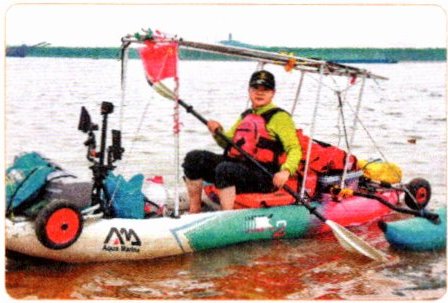
Guangxi, a man checked the weather. Beside him,

there was a boat and some packed clothes. He was
going to
This man was 44-year-old Wu Xiaoliang, from Hengyang,
Hunan. *He started this
preparing for the gaokao. He always
dreams. And he wanted to show his son what perseverance looked
like in action. He
Wu planned to reach Beijing in 180
by the
100-kg boat onto land and walk about 20 km before continuing on the other side.
Along the way, Wu stopped at schools to share his
history of old ports and the traditions of river life. After
book. It would show the trip, and the life and stories of the Xiangjiang River。
▶题型: 完形填空
▶主题: 生活态度
▶语篇类型: 新闻报道
▶词数: 218
▶难度:
▶建议用时: 7分钟
1 A. run B. fly C. walk D. travel
2 A. journey B. game C. lesson D. party
3 A. invited B. followed C. told D. refused
4 A. never B. also C. already D. still
5 A. hours B. days C. weeks D. months
6 A. river B. mountain C. forest D. city
7 A. healthy B. delicious C. expensive D. simple
8 A. pull B. drive C. make D. throw
9 A. story B. plan C. rule D. secret
10 A. starting B. changing C. forgetting D. finishing
Friday/Week 1
arly in the morning, near the Xiangjiang River in
Guangxi, a man checked the weather. Beside him,
there was a boat and some packed clothes. He was
going to
D
4,000 km to Beijing.This man was 44-year-old Wu Xiaoliang, from Hengyang,
Hunan. *He started this
A
to encourage his 17-year-old son, who waspreparing for the gaokao. He always
C
his son to work hard for hisdreams. And he wanted to show his son what perseverance looked
like in action. He
B
hoped to encourage all the students.Wu planned to reach Beijing in 180
B
. During the day, he rowed the boat; at night, he campedby the
A
. In 56 days, he covered over 700 km. His meals were D
, mostly instant noodles. The biggest challenge was crossing hydroelectric dams: he once had to A
his100-kg boat onto land and walk about 20 km before continuing on the other side.
Along the way, Wu stopped at schools to share his
A
. At every stop, he learned about thehistory of old ports and the traditions of river life. After
D
the trip, he planned to publish a photobook. It would show the trip, and the life and stories of the Xiangjiang River。
▶题型: 完形填空
▶主题: 生活态度
▶语篇类型: 新闻报道
▶词数: 218
▶难度:
▶建议用时: 7分钟
1 A. run B. fly C. walk D. travel
2 A. journey B. game C. lesson D. party
3 A. invited B. followed C. told D. refused
4 A. never B. also C. already D. still
5 A. hours B. days C. weeks D. months
6 A. river B. mountain C. forest D. city
7 A. healthy B. delicious C. expensive D. simple
8 A. pull B. drive C. make D. throw
9 A. story B. plan C. rule D. secret
10 A. starting B. changing C. forgetting D. finishing
答案
Friday
44岁的吴晓亮为鼓励备战高考的儿子及所有考生,从广西湘江源头漂流4000千米到北京,计划用180天完成一场“水上长征”。
1. D 由上文“他身边停着一条小船”可知,他即将启程,前往4000千米外的北京。travel意为“(常指长途)旅行,行进”,符合语境。
2. A 由第一段最后一句中的4,000 km to Beijing及最后一段最后两句中的the trip可推知,他开启这段旅程,只为鼓励正在备战高考的17岁儿子。
journey意为“(尤指长途)旅行,行程”,符合语境。
3. C 由语境可知,他常建议儿子,要为梦想全力以赴。tell sb to do sth意为“叫/建议某人做某事”,符合语境。
4. B 上文提及“他想用自己的行动让儿子亲眼看看什么叫坚持”,下文递进表示:他也希望借此鼓舞所有考生。also意为“此外;也”,符合语境。
5. B 由下文In 56 days及常识可推知,吴晓亮计划在180天内抵达北京。
6. A 由语境及第一段第一句中的the Xiangjiang River可知,夜晚,他在江边露营。
7. D 由下文“大多是方便面”可知,他的饮食极为简单。simple意为“简单的”,符合语境。
8. A 由语境及常识可推知,他曾不得不把他的100千克的小船拖上岸,徒步行走约20千米后,才能在另一边继续航行。pull意为“拖;拽”,符合语境。
9. A 由语境可知,吴晓亮会在学校停留,给孩子们分享他的故事。
10. D 由下文“他打算出版一本摄影集”可推知,这是在旅程结束后。finish意为“完成;结束”,符合语境。
44岁的吴晓亮为鼓励备战高考的儿子及所有考生,从广西湘江源头漂流4000千米到北京,计划用180天完成一场“水上长征”。
1. D 由上文“他身边停着一条小船”可知,他即将启程,前往4000千米外的北京。travel意为“(常指长途)旅行,行进”,符合语境。
2. A 由第一段最后一句中的4,000 km to Beijing及最后一段最后两句中的the trip可推知,他开启这段旅程,只为鼓励正在备战高考的17岁儿子。
journey意为“(尤指长途)旅行,行程”,符合语境。
3. C 由语境可知,他常建议儿子,要为梦想全力以赴。tell sb to do sth意为“叫/建议某人做某事”,符合语境。
4. B 上文提及“他想用自己的行动让儿子亲眼看看什么叫坚持”,下文递进表示:他也希望借此鼓舞所有考生。also意为“此外;也”,符合语境。
5. B 由下文In 56 days及常识可推知,吴晓亮计划在180天内抵达北京。
6. A 由语境及第一段第一句中的the Xiangjiang River可知,夜晚,他在江边露营。
7. D 由下文“大多是方便面”可知,他的饮食极为简单。simple意为“简单的”,符合语境。
8. A 由语境及常识可推知,他曾不得不把他的100千克的小船拖上岸,徒步行走约20千米后,才能在另一边继续航行。pull意为“拖;拽”,符合语境。
9. A 由语境可知,吴晓亮会在学校停留,给孩子们分享他的故事。
10. D 由下文“他打算出版一本摄影集”可推知,这是在旅程结束后。finish意为“完成;结束”,符合语境。
