

 登录
一、完形填空
There was once a man who built his own house. He worked hard and it took him over a year to design and build every part of it. In the end, he had the most beautiful house. It was 1 other houses in his neighbourhood.
But as time went by, his house started to have some 2. One day, a neighbour said gently, “Friend, it seems your front yard has a lot of long grass.”
The man replied, “Oh, I see. But don’t worry. I’ll 3 the grass tomorrow. I’m a bit tired today.” A few days later, a postman came by with a letter for the man. The postman said, “Friend, your windows look a bit 4. In fact, the windows were already 5 with dirt (尘土).”
The man replied, “Yes, I know. But it’s okay. I’ll wash them tomorrow. I have other things to do now.”
Weeks went by. One day, the man’s brother came over to pay a visit. As he walked up to the house, he was really surprised. He couldn’t believe what he 6. The yard was a mess (乱糟糟); the paint on the walls was falling down. The brother stood there, with his mouth open wide, not 7 how the nice house became like this. “What happened?” he finally asked, with his voice full of shock. The house looked like it might fall down any moment. All this happened because the man put everything off (推迟) 8 “tomorrow”.
When we procrastinate (拖延), “tomorrow” can turn into “next week” or 9 “next year”. It’s much better to just take care of things 10 than to wait until some imaginary (想象的) “tomorrow” that may never come.
1. A. different from
B. close to
C. good for
D. next to
2. A. paintings
B. problems
C. ideas
D. memories
3. A. grow
B. cut
C. pick
D. water
4. A. dangerous
B. bright
C. broken
D. dirty
5. A. filled
B. put
C. covered
D. built
6. A. saw
B. felt
C. listened
D. talked
7. A. understanding
B. describing
C. forgetting
D. choosing
8. A. during
B. until
C. before
D. after
9. A. once
B. just
C. even
D. still
10. A. today
B. tomorrow
C. yesterday
D. tonight
答案
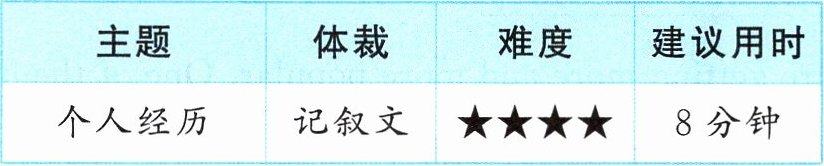
【文章大意】本文是一篇记叙文,通过一个人自己建造漂亮房子到最后房子变成一团糟的故事告诉我们:要及时处理好今天的事情,不要把今天的事情推迟到明天。
1. A 根据“In the end, he had the most beautiful house.”可知,他建了最漂亮的房子,该房子与其他房子不同。故选 A。
2. B 根据“Friend, it seems your front yard has a lot of long grass.”可知,院子里有草,说明他的房子有一些问题。故选 B。
3. B 根据“Friend, it seems your front yard has a lot of long grass.”以及“... the grass tomorrow.”可知,邻居说前院里有草,该男子说明天他将割草。故选 B。
4. D 根据下文“... with dirt”可知,窗户布满尘土,说明窗户有点脏。故选 D。
5. C 根据“In fact, the windows were already... with dirt.”可知,窗户覆盖着尘土。故选 C。
6. A 根据“The yard was a mess; the paint on the walls was falling down.”可知,院子乱糟糟的,墙上的油漆都脱落了,因而他不相信他所看到的。故选 A。
7. A 根据“how the nice house became like this”可知,他哥哥想不通之前那个漂亮的房子是如何变成现在这样的。故选 A。
8. B 根据“All this happened because the man put everything off... 'tomorrow'.”可知,这个男人把一切都推迟到“明天”。故选 B。
9. C 根据“'tomorrow' can turn into 'next week' or... 'next year'”可知,空处表递进,“明天”可以变成“下周”甚至“明年”。故选 C。
10. A 根据“It's much better to just take care of things... than to wait until some...”可知,做好今日的事比一拖再拖要好很多。故选 A。
解析
【分析】
本文是一篇关于拖延的记叙文,解题时需先通读全文把握主旨(不要拖延,及时处理今日之事),再结合每个空格前后的语境、词汇搭配及词义辨析逐一确定选项。文章脉络清晰:男子建了漂亮的房子,却总把问题推迟到“明天”,最终房子变糟,以此说明拖延的危害,解题时需紧扣上下文逻辑和词汇用法。
【解析】
1. 根据前文“the most beautiful house”可知,他的房子和邻居的房子不同,故选A(different from)。
2. 邻居指出前院长草,说明房子出现了问题,故选B(problems)。
3. 前院长草需要割除,“cut the grass”是固定搭配,故选B(cut)。
4. 下文提到窗户布满尘土,说明窗户有点脏,故选D(dirty)。
5. “be covered with”是固定搭配,意为“被……覆盖”,此处指窗户被尘土覆盖,故选C(covered)。
6. 哥哥看到房子乱糟糟的样子,不相信自己所看到的,故选A(saw)。
7. 哥哥想不通漂亮的房子为何变成这样,“understanding”符合语境,故选A(understanding)。
8. “put off until”是固定搭配,意为“推迟到……”,此处指男子把一切推迟到“明天”,故选B(until)。
9. 此处表递进关系,“明天”可以变成“下周”甚至“明年”,故选C(even)。
10. 结合语境,做好今日的事比等待“明天”更好,故选A(today)。
【答案】
1.A 2.B 3.B 4.D 5.C 6.A 7.A 8.B 9.C 10.A
【知识点】
语境理解、词汇辨析、固定搭配
【点评】
本文通过生动的故事揭示了拖延的危害,强调及时处理今日之事的重要性。完形填空解题需结合上下文逻辑,同时掌握常用词汇和固定搭配,才能准确作答。
【难度系数】
0.6
二、阅读理解
Cycling is a beautiful sport. We hear it all the time. We enjoy it when we ride and race. But what is it that makes me love cycling so much? As a surfer (冲浪者), I would surf alone. Now and then I would see another surfer walking along the beach towards me and I would hope they would choose another place. Cycling is different. We can often go on group rides with friends.
Cycling contributes to the environment. Bicycles don’t make any pollution (污染). If more and more people use bikes, there won’t be so much pollution.
Older people can cycle too. Grandpa Carl rides a tricycle. It has three wheels (轮子). He says it is safe. He can’t ride on a two-wheeled bicycle any more. He rides his tricycle to the shops and takes some bags with him. His tricycle has two baskets. He has one back basket to carry his shopping. Sometimes he cycles with his little dog in the front basket. Grandpa loves cycling. It is a bit slow, but he says it keeps him healthy.
People should use bikes whenever they can for their own health and the health of the earth.
1. What is Paragraph 1 mainly about?
A. Why the writer likes cycling.
B. Why cycling is good for health.
C. How the writer becomes a surfer.
D. How the writer gets on with other surfers.
2. What does the underlined phrase “contributes to” in Paragraph 2 probably mean?
A. Changes.
B. Brings.
C. Helps.
D. Uses.
3. It is
A. healthy
B. tiring
C. fast
D. dangerous
4. What does the writer want to do in the end?
A. To tell a story.
B. To ask for help.
C. To call for an action.
D. To get some information.
Cycling is a beautiful sport. We hear it all the time. We enjoy it when we ride and race. But what is it that makes me love cycling so much? As a surfer (冲浪者), I would surf alone. Now and then I would see another surfer walking along the beach towards me and I would hope they would choose another place. Cycling is different. We can often go on group rides with friends.
Cycling contributes to the environment. Bicycles don’t make any pollution (污染). If more and more people use bikes, there won’t be so much pollution.
Older people can cycle too. Grandpa Carl rides a tricycle. It has three wheels (轮子). He says it is safe. He can’t ride on a two-wheeled bicycle any more. He rides his tricycle to the shops and takes some bags with him. His tricycle has two baskets. He has one back basket to carry his shopping. Sometimes he cycles with his little dog in the front basket. Grandpa loves cycling. It is a bit slow, but he says it keeps him healthy.
People should use bikes whenever they can for their own health and the health of the earth.
1. What is Paragraph 1 mainly about?
A. Why the writer likes cycling.
B. Why cycling is good for health.
C. How the writer becomes a surfer.
D. How the writer gets on with other surfers.
2. What does the underlined phrase “contributes to” in Paragraph 2 probably mean?
A. Changes.
B. Brings.
C. Helps.
D. Uses.
3. It is
A
for Grandpa Carl to ride a tricycle.A. healthy
B. tiring
C. fast
D. dangerous
4. What does the writer want to do in the end?
A. To tell a story.
B. To ask for help.
C. To call for an action.
D. To get some information.
答案
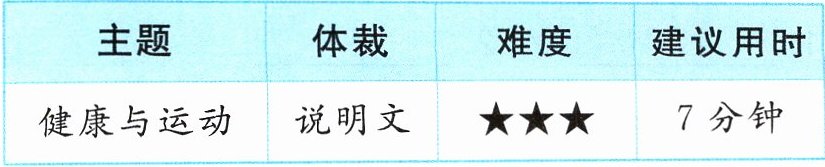
【文章大意】本文是一篇说明文,介绍了骑自行车的好处。
1. A 段落大意题。根据“But what is it that makes me love cycling so much?”可知,本段主要在说作者为什么喜欢骑自行车。故选 A。
2. C 词义猜测题。根据下文“Bicycles don't make any pollution.”可知,骑自行车不会造成污染,对环境是有益的。“contributes to”意为“有助于”,与“helps”同义。故选 C。
3. A 细节理解题。根据“Grandpa Carl rides a tricycle... Grandpa loves cycling. It is a bit slow, but he says it keeps him healthy.”可知,骑三轮车对祖父 Carl 来说是健康的。故选 A。
4. C 细节理解题。根据“People should use bikes whenever they can for their own health and the health of the earth.”可知,作者在向读者发出呼吁,让他们多骑自行车来保持身体健康和保护环境。故选 C。
解析
【分析】
1. 第1题是段落大意题,需通读第一段,找到核心句“But what is it that makes me love cycling so much?”,明确本段围绕作者喜爱骑行的原因展开,据此匹配选项。
2. 第2题是词义猜测题,需结合第二段上下文语境,下文提到自行车不产生污染,说明骑行对环境有益,以此推测划线短语的含义。
3. 第3题是细节理解题,需定位第三段中关于Grandpa Carl的描述,找到对应他骑三轮车的好处的语句,匹配选项。
4. 第4题是主旨大意题,需关注最后一段的内容,明确作者的最终意图是发出呼吁,据此选择答案。
【解析】
1. 第1题:第一段先引出骑行是美好的运动,对比冲浪的独自特点后,用问句点明本段核心是作者喜欢骑行的原因,A选项“为什么作者喜欢骑行”符合;B选项“骑行对健康的好处”是后文内容,C选项“作者如何成为冲浪者”、D选项“作者和其他冲浪者的相处”均不是本段重点,故选A。
2. 第2题:第二段提到“Bicycles don’t make any pollution”,说明骑行对环境有积极作用,“contributes to”此处意为“有助于”,与C选项“Helps”同义;A选项“Changes”(改变)、B选项“Brings”(带来)、D选项“Uses”(使用)均不符合语境,故选C。
3. 第3题:第三段指出Grandpa Carl骑三轮车“keeps him healthy”,说明骑三轮车对他来说是健康的,A选项符合;B选项“tiring”(累的)、C选项“fast”(快的)、D选项“dangerous”(危险的)均与原文不符,故选A。
4. 第4题:最后一段作者呼吁“People should use bikes whenever they can...”,是号召大家行动起来多骑自行车,C选项“To call for an action”(呼吁行动)符合;A选项“讲故事”、B选项“求助”、D选项“获取信息”均不符合,故选C。
【答案】
1. A 2. C 3. A 4. C
【知识点】
段落大意题、词义猜测题、细节理解题、主旨大意题
【点评】
本文是围绕健康与运动主题的说明文,通过介绍骑行对环境、老人及自身健康的好处,设置了常见的英语阅读题型,考查学生对不同阅读技能的掌握,内容贴近生活,难度适中。
【难度系数】
0.3
