

 登录
登录
(
A.to
B.by
C.at
D.on
A
)4.On the way the mountain village, we found the local houses quite strange.A.to
B.by
C.at
D.on
答案
4. A 【点拨】on the way to...在去……的途中。故选 A。
解析
【分析】
首先通读题干,明确句子要表达的含义是“在去往山村的途中,我们发现当地的房屋十分奇特”。接下来我们需要结合常用介词固定搭配来分析选项:首先回忆和"way"相关的出行类短语,题干已经给出"On the way",要接表示目的地的名词"the mountain village",需要匹配对应的介词构成正确结构,再逐一排除不符合搭配逻辑的错误选项,就能锁定正确答案。
【解析】
1. 首先明确核心考点:本题考察固定短语的用法,"on the way to + 地点名词"是固定搭配,含义为"在去……的路上",完全符合本题要表达的"去往山村的途中"的语义。
2. 逐一排除错误选项:
选项B:by没有和on the way搭配表示去往某地的常用用法,不符合语义逻辑;
选项C:at通常用于接具体的小地点,不能放在on the way后引出目的地,搭配错误;
选项D:on已经出现在短语开头,on the way本身意为"在路上",后面不能直接接地点名词,搭配不成立。
因此只有A选项符合要求。
【答案】
A
【知识点】
介词固定搭配;常用短语辨析
【点评】
本题属于英语基础题,核心考察对on the way相关固定结构的掌握,需要额外注意如果后面接的是home、there这类地点副词时,要省略介词to,避免后续做题出现搭配误用的情况。
【难度系数】
0.9
首先通读题干,明确句子要表达的含义是“在去往山村的途中,我们发现当地的房屋十分奇特”。接下来我们需要结合常用介词固定搭配来分析选项:首先回忆和"way"相关的出行类短语,题干已经给出"On the way",要接表示目的地的名词"the mountain village",需要匹配对应的介词构成正确结构,再逐一排除不符合搭配逻辑的错误选项,就能锁定正确答案。
【解析】
1. 首先明确核心考点:本题考察固定短语的用法,"on the way to + 地点名词"是固定搭配,含义为"在去……的路上",完全符合本题要表达的"去往山村的途中"的语义。
2. 逐一排除错误选项:
选项B:by没有和on the way搭配表示去往某地的常用用法,不符合语义逻辑;
选项C:at通常用于接具体的小地点,不能放在on the way后引出目的地,搭配错误;
选项D:on已经出现在短语开头,on the way本身意为"在路上",后面不能直接接地点名词,搭配不成立。
因此只有A选项符合要求。
【答案】
A
【知识点】
介词固定搭配;常用短语辨析
【点评】
本题属于英语基础题,核心考察对on the way相关固定结构的掌握,需要额外注意如果后面接的是home、there这类地点副词时,要省略介词to,避免后续做题出现搭配误用的情况。
【难度系数】
0.9
(
A.Chinese opera
B.Chinese calligraphy
C.Chinese paper - cutting
D.Chinese kung fu
D
)5.In the 1980s, the Hong Kong film *Shaolin Temple* (《少林寺》) made many more young people crazy about over night.A.Chinese opera
B.Chinese calligraphy
C.Chinese paper - cutting
D.Chinese kung fu
答案
5. D 【点拨】根据常识可知是对中国功夫痴迷。故选 D。
解析
【分析】
解这道题的核心思路是先抓住题干给出的关键提示信息:影片《少林寺》,首先回忆这部经典影视作品的核心主题,再逐一比对四个选项对应的文化项目,排除和少林主题无关的选项,结合常识就能快速锁定正确答案。我们明确《少林寺》的内容围绕少林武术展开,对应的相关文化项目就是中国功夫,其余选项的戏曲、书法、剪纸都和这部电影的核心内容无关,很容易排除。
【解析】
第一步:翻译题干明确题意:在20世纪80年代,电影《少林寺》让大量年轻人一夜之间为________痴迷。
第二步:明确四个选项的含义:
A. Chinese opera 中国戏曲
B. Chinese calligraphy 中国书法
C. Chinese paper-cutting 中国剪纸
D. Chinese kung fu 中国功夫
第三步:结合生活常识判断,《少林寺》的核心内容围绕少林武术展开,对应的文化项目是中国功夫,其余选项均和影片主题不匹配,因此选D。
【答案】
D
【知识点】
短语词义辨析;中国文化常识
【点评】
本题将英语词汇短语识记和中国传统文化常识结合考察,题干给出的《少林寺》是非常明确的提示线索,整体区分度低,既考察了学生对常见中国文化相关英文表达的掌握,也引导学生关联影视内容了解对应的传统文化。
【难度系数】
0.9
解这道题的核心思路是先抓住题干给出的关键提示信息:影片《少林寺》,首先回忆这部经典影视作品的核心主题,再逐一比对四个选项对应的文化项目,排除和少林主题无关的选项,结合常识就能快速锁定正确答案。我们明确《少林寺》的内容围绕少林武术展开,对应的相关文化项目就是中国功夫,其余选项的戏曲、书法、剪纸都和这部电影的核心内容无关,很容易排除。
【解析】
第一步:翻译题干明确题意:在20世纪80年代,电影《少林寺》让大量年轻人一夜之间为________痴迷。
第二步:明确四个选项的含义:
A. Chinese opera 中国戏曲
B. Chinese calligraphy 中国书法
C. Chinese paper-cutting 中国剪纸
D. Chinese kung fu 中国功夫
第三步:结合生活常识判断,《少林寺》的核心内容围绕少林武术展开,对应的文化项目是中国功夫,其余选项均和影片主题不匹配,因此选D。
【答案】
D
【知识点】
短语词义辨析;中国文化常识
【点评】
本题将英语词汇短语识记和中国传统文化常识结合考察,题干给出的《少林寺》是非常明确的提示线索,整体区分度低,既考察了学生对常见中国文化相关英文表达的掌握,也引导学生关联影视内容了解对应的传统文化。
【难度系数】
0.9
四、阅读短文,在文中空白处填入1个适当的单词,或用括号内所给单词的正确形式填空。
Xi'an is the capital city of Shaanxi Province. It lies in
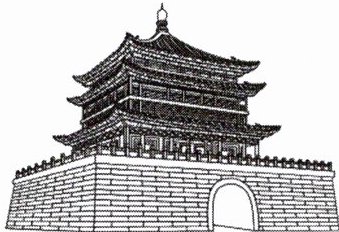
Many things from ancient times can still be found in Xi'an today. The city wall—one of the few city walls still left in China—is a good example. It
While Xi'an is a city
Xi'an is a city always remaking
Xi'an is the capital city of Shaanxi Province. It lies in
the
north of China. The city's early history is often connected with Liu Bang, who started the Han dynasty and made Xi'an his capital. He gave
(give) it the name Chang'an. During the Tang dynasty, Xi'an achieved its great importance. The Republic of Korea and Japan followed Xi'an's example in building
(build) their ancient capitals.Many things from ancient times can still be found in Xi'an today. The city wall—one of the few city walls still left in China—is a good example. It
goes
(go) around the city and is an important cultural site (遗址). In central Xi'an there is the Bell Tower—the largest
(large) bell tower remaining in China. The bell was first designed as an emergency alarm (警钟) to warn of danger, but
it was very often used to tell people the time.While Xi'an is a city
with
a long history, it is also a part of the modern world. It is best known
(know) as a centre for software (软件) research, development and services. Historically, Xi'an has always been a city of art, industry and business that have placed it far in front of many other cities
(city).Xi'an is a city always remaking
itself
(it) and looking forward, all the while keeping the best of the past.答案
1. the
2. gave
3. building
4. goes
5. largest
6. but
7. with
8. known
9. cities
10. itself
2. gave
3. building
4. goes
5. largest
6. but
7. with
8. known
9. cities
10. itself
解析
【分析】
这是一篇介绍西安的语篇语法填空题,解题时首先通读全文,明确文章围绕西安的历史文化与现代发展展开,整体时态以一般现在时和一般过去时结合为主。接下来逐空判断考点:
1. 第一空考查方位表达的固定结构,“在中国北部”是特指的地理方位,需要搭配定冠词;
2. 第二空的动作是历史人物刘邦过去做出的行为,要使用一般过去时,将所给动词变为过去式;
3. 第三空前面是介词in,介词后接动词需要变为动名词形式;
4. 第四空描述城墙环绕城市的客观常态,用一般现在时,主语是第三人称单数,谓语动词要变形;
5. 第五空后面给出了“在中国现存的所有钟楼里”的范围,前面有定冠词the,要使用形容词最高级;
6. 第六空前后两个分句语义转折,原本是警钟后来常用来报时,需要填转折连词;
7. 第七空要表达“拥有悠久历史的城市”,用介词with表伴随属性;
8. 第八空是固定搭配“be known as”表示“作为…而闻名”,要把所给动词变为过去分词构成固定短语;
9. 第九空前面有many other,后面要接可数名词的复数形式;
10. 第十空指代西安这座城市本身,要使用it对应的反身代词。
【解析】
1. 固定方位表达in the north of China,意为“在中国的北部”,方位名词前要加定冠词the,故填the。
2. 动作发生在汉朝,是过去发生的事件,用一般过去时,give的过去式为gave,故填gave。
3. 介词in后接动名词作宾语,build的动名词形式是building,故填building。
4. 本句描述城墙环绕城市的客观事实,用一般现在时,主语It指代the city wall,是第三人称单数,谓语动词用goes,故填goes。
5. 句意为“中国现存最大的钟楼”,有范围限定且前面有定冠词the,要用形容词最高级,large的最高级是largest,故填largest。
6. 前半句“钟最初被设计为应急警钟来警示危险”,后半句“它经常被用来告知人们时间”,前后语义转折,用转折连词but,故填but。
7. 此处表示“一座有着悠久历史的城市”,介词with可表示“带有、拥有”的含义,故填with。
8. 固定搭配be known as,意为“作为……而闻名”,此处用know的过去分词known,故填known。
9. many other后接可数名词复数,city的复数形式是cities,故填cities。
10. 此处指代西安这座城市自身,it的反身代词是itself,故填itself。
【答案】
1. the
2. gave
3. building
4. goes
5. largest
6. but
7. with
8. known
9. cities
10. itself
【知识点】
冠词用法,动词时态变形,固定短语搭配
【点评】
本题结合西安的地域文化背景考查基础英语语法知识,考点覆盖冠词、连词、介词、词形转换等核心基础考点,既考察学生的语法应用能力,也能让学生了解相关文化常识,整体难度适中,只要掌握基础词法句法规则就能顺利完成作答。
【难度系数】
0.7
这是一篇介绍西安的语篇语法填空题,解题时首先通读全文,明确文章围绕西安的历史文化与现代发展展开,整体时态以一般现在时和一般过去时结合为主。接下来逐空判断考点:
1. 第一空考查方位表达的固定结构,“在中国北部”是特指的地理方位,需要搭配定冠词;
2. 第二空的动作是历史人物刘邦过去做出的行为,要使用一般过去时,将所给动词变为过去式;
3. 第三空前面是介词in,介词后接动词需要变为动名词形式;
4. 第四空描述城墙环绕城市的客观常态,用一般现在时,主语是第三人称单数,谓语动词要变形;
5. 第五空后面给出了“在中国现存的所有钟楼里”的范围,前面有定冠词the,要使用形容词最高级;
6. 第六空前后两个分句语义转折,原本是警钟后来常用来报时,需要填转折连词;
7. 第七空要表达“拥有悠久历史的城市”,用介词with表伴随属性;
8. 第八空是固定搭配“be known as”表示“作为…而闻名”,要把所给动词变为过去分词构成固定短语;
9. 第九空前面有many other,后面要接可数名词的复数形式;
10. 第十空指代西安这座城市本身,要使用it对应的反身代词。
【解析】
1. 固定方位表达in the north of China,意为“在中国的北部”,方位名词前要加定冠词the,故填the。
2. 动作发生在汉朝,是过去发生的事件,用一般过去时,give的过去式为gave,故填gave。
3. 介词in后接动名词作宾语,build的动名词形式是building,故填building。
4. 本句描述城墙环绕城市的客观事实,用一般现在时,主语It指代the city wall,是第三人称单数,谓语动词用goes,故填goes。
5. 句意为“中国现存最大的钟楼”,有范围限定且前面有定冠词the,要用形容词最高级,large的最高级是largest,故填largest。
6. 前半句“钟最初被设计为应急警钟来警示危险”,后半句“它经常被用来告知人们时间”,前后语义转折,用转折连词but,故填but。
7. 此处表示“一座有着悠久历史的城市”,介词with可表示“带有、拥有”的含义,故填with。
8. 固定搭配be known as,意为“作为……而闻名”,此处用know的过去分词known,故填known。
9. many other后接可数名词复数,city的复数形式是cities,故填cities。
10. 此处指代西安这座城市自身,it的反身代词是itself,故填itself。
【答案】
1. the
2. gave
3. building
4. goes
5. largest
6. but
7. with
8. known
9. cities
10. itself
【知识点】
冠词用法,动词时态变形,固定短语搭配
【点评】
本题结合西安的地域文化背景考查基础英语语法知识,考点覆盖冠词、连词、介词、词形转换等核心基础考点,既考察学生的语法应用能力,也能让学生了解相关文化常识,整体难度适中,只要掌握基础词法句法规则就能顺利完成作答。
【难度系数】
0.7
五、传统文化阅读理解。(2025·贵州改编)
What makes an art form last for over 600 years? Kunqu opera, one of China's oldest and most beautiful traditional operas, has done just that. However, like many traditional Chinese art forms, Kunqu opera once faced challenges. Modern culture, like pop music and movies, took the centre stage, and fewer young people were interested in Kunqu opera.
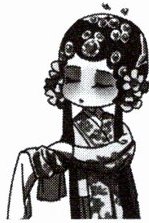
But things are changing now. With schools teaching traditional art and performers using social media, a new generation has started discovering the beauty of Kunqu through online videos and live shows.
Fang Qian is one of these young fans. "Kunqu opera is like a seed (种子) that grows as I learn more about it," she says. "The more I study it, the more I discover about other parts of Chinese culture, like literature (文学), calligraphy, music, and painting. This helps me understand my cultural roots (根) gradually."
Fu Jin, a professor at the National Academy of Chinese Theatre Arts (中国戏曲学院), explains why Kunqu opera is so special. "Among all Chinese operas, Kunqu opera is one of the most beautiful and well - known," he says. "It shows many parts of traditional Chinese culture, such as ways of thinking, social values, and lifestyles." What cheers Professor Fu is that more young people are now falling in love with Kunqu opera. They find it beautiful and amazing.
Today, Kunqu opera is not just a part of history—it's a living treasure that connects us with China's rich culture. I believe it will become popular at home and abroad with growing support from the youth.
(
A. Young people showed less interest in it.
B. There were fewer and fewer Kunqu opera performances.
C. People had little chance to know about it.
D. Old people weren't interested in it.
(
A. planting a seed
B. sharing videos online
C. learning more about Kunqu opera
D. enjoying operas
(
A. To show how the writer loves Kunqu opera.
B. To explain why Kunqu opera is difficult to learn.
C. To encourage more people to learn about Kunqu opera.
D. To spread Chinese culture.
What makes an art form last for over 600 years? Kunqu opera, one of China's oldest and most beautiful traditional operas, has done just that. However, like many traditional Chinese art forms, Kunqu opera once faced challenges. Modern culture, like pop music and movies, took the centre stage, and fewer young people were interested in Kunqu opera.
But things are changing now. With schools teaching traditional art and performers using social media, a new generation has started discovering the beauty of Kunqu through online videos and live shows.
Fang Qian is one of these young fans. "Kunqu opera is like a seed (种子) that grows as I learn more about it," she says. "The more I study it, the more I discover about other parts of Chinese culture, like literature (文学), calligraphy, music, and painting. This helps me understand my cultural roots (根) gradually."
Fu Jin, a professor at the National Academy of Chinese Theatre Arts (中国戏曲学院), explains why Kunqu opera is so special. "Among all Chinese operas, Kunqu opera is one of the most beautiful and well - known," he says. "It shows many parts of traditional Chinese culture, such as ways of thinking, social values, and lifestyles." What cheers Professor Fu is that more young people are now falling in love with Kunqu opera. They find it beautiful and amazing.
Today, Kunqu opera is not just a part of history—it's a living treasure that connects us with China's rich culture. I believe it will become popular at home and abroad with growing support from the youth.
(
A
)1. What challenge did Kunqu opera face?A. Young people showed less interest in it.
B. There were fewer and fewer Kunqu opera performances.
C. People had little chance to know about it.
D. Old people weren't interested in it.
(
C
)2. The underlined word "This" in Paragraph 3 probably refers to "".A. planting a seed
B. sharing videos online
C. learning more about Kunqu opera
D. enjoying operas
(
C
)3. What is the writer's purpose of writing the text?A. To show how the writer loves Kunqu opera.
B. To explain why Kunqu opera is difficult to learn.
C. To encourage more people to learn about Kunqu opera.
D. To spread Chinese culture.
答案
1. A 【点拨】根据“Modern culture, like pop music and movies, took the centre stage, and fewer young people were interested in Kunqu opera.”可知,昆曲面临的挑战是年轻人对它的兴趣减少。故选 A。
2. C 【点拨】根据“The more I study it, the more I discover about other parts of Chinese culture... This helps me understand my cultural roots (根) gradually.”可知,“This”指代的是“学习更多关于昆曲的知识”。故选 C。
3. C 【点拨】文章通过描述昆曲的复兴和年轻人对它的重新认识,旨在鼓励更多人了解昆曲。故选 C。
2. C 【点拨】根据“The more I study it, the more I discover about other parts of Chinese culture... This helps me understand my cultural roots (根) gradually.”可知,“This”指代的是“学习更多关于昆曲的知识”。故选 C。
3. C 【点拨】文章通过描述昆曲的复兴和年轻人对它的重新认识,旨在鼓励更多人了解昆曲。故选 C。
解析
【分析】
这是一篇传统文化主题的英语阅读理解题,解题时我们可以按照不同题型的对应思路逐一突破:
1. 第一题是细节理解题,先抓住题干关键词"challenge",直接回原文定位到介绍昆曲过往困境的第一段,找到对应的描述就能匹配正确选项;
2. 第二题是代词指代题,这类题的指代对象一定出现在代词的前文内容里,我们往前看划线词所在句的前半部分表述,梳理逻辑就能找到"This"指代的具体内容;
3. 第三题是主旨意图题,需要通读全文梳理行文脉络:文章先介绍昆曲的悠久历史、曾经遇冷的困境,再讲如今昆曲重新被年轻人喜爱的现状,最后表达作者对昆曲未来发展的期许,排除过于宽泛或者无中生有的干扰选项,就能得出作者的写作目的。
【解析】
1. 定位原文第一段末尾句"Modern culture, like pop music and movies, took the centre stage, and fewer young people were interested in Kunqu opera.",可知昆曲面临的挑战是年轻人对它的兴趣有所降低。B选项"昆曲演出越来越少"原文无提及,C选项"人们几乎没有机会了解昆曲"不符合原文表述,D选项"老年人对昆曲不感兴趣"原文完全没有相关内容,因此选A。
2. 查看划线词"This"的前文内容:"The more I study it, the more I discover about other parts of Chinese culture, like literature, calligraphy, music, and painting.",此处的it指代昆曲,也就是不断深入学习、了解更多昆曲相关知识的过程,帮助Fang Qian逐渐理解自己的文化根脉。A选项"播种种子"是比喻修辞并非实际指代内容,B选项"线上分享视频"和此处语境无关,D选项"欣赏戏曲"表述过于宽泛不符合指代逻辑,因此选C。
3. 全文围绕昆曲展开,介绍了它的特殊文化价值、如今重新受到年轻人喜爱的现状,最后作者表达了对昆曲未来在国内外广泛传播的期许,核心写作目的是鼓励更多人了解昆曲。A选项"展示作者对昆曲的喜爱"不是核心目的,B选项"解释昆曲很难学习"原文完全没有涉及,D选项"传播中国文化"表述过于宽泛,并非本文围绕昆曲展开的核心写作目标,因此选C。
【答案】
1. A 2. C 3. C
【知识点】
细节信息查找,代词指代判断,主旨大意归纳
【点评】
本题结合中国传统戏曲昆曲的文化背景,既考察初中英语阅读理解的常规题型解题能力,也渗透了传统文化相关知识,所有题目的答案都可以通过回文定位、结合上下文逻辑推导得出,干扰项设置难度低,能够有效锻炼学生的信息提取和文本理解能力。
【难度系数】
0.8
这是一篇传统文化主题的英语阅读理解题,解题时我们可以按照不同题型的对应思路逐一突破:
1. 第一题是细节理解题,先抓住题干关键词"challenge",直接回原文定位到介绍昆曲过往困境的第一段,找到对应的描述就能匹配正确选项;
2. 第二题是代词指代题,这类题的指代对象一定出现在代词的前文内容里,我们往前看划线词所在句的前半部分表述,梳理逻辑就能找到"This"指代的具体内容;
3. 第三题是主旨意图题,需要通读全文梳理行文脉络:文章先介绍昆曲的悠久历史、曾经遇冷的困境,再讲如今昆曲重新被年轻人喜爱的现状,最后表达作者对昆曲未来发展的期许,排除过于宽泛或者无中生有的干扰选项,就能得出作者的写作目的。
【解析】
1. 定位原文第一段末尾句"Modern culture, like pop music and movies, took the centre stage, and fewer young people were interested in Kunqu opera.",可知昆曲面临的挑战是年轻人对它的兴趣有所降低。B选项"昆曲演出越来越少"原文无提及,C选项"人们几乎没有机会了解昆曲"不符合原文表述,D选项"老年人对昆曲不感兴趣"原文完全没有相关内容,因此选A。
2. 查看划线词"This"的前文内容:"The more I study it, the more I discover about other parts of Chinese culture, like literature, calligraphy, music, and painting.",此处的it指代昆曲,也就是不断深入学习、了解更多昆曲相关知识的过程,帮助Fang Qian逐渐理解自己的文化根脉。A选项"播种种子"是比喻修辞并非实际指代内容,B选项"线上分享视频"和此处语境无关,D选项"欣赏戏曲"表述过于宽泛不符合指代逻辑,因此选C。
3. 全文围绕昆曲展开,介绍了它的特殊文化价值、如今重新受到年轻人喜爱的现状,最后作者表达了对昆曲未来在国内外广泛传播的期许,核心写作目的是鼓励更多人了解昆曲。A选项"展示作者对昆曲的喜爱"不是核心目的,B选项"解释昆曲很难学习"原文完全没有涉及,D选项"传播中国文化"表述过于宽泛,并非本文围绕昆曲展开的核心写作目标,因此选C。
【答案】
1. A 2. C 3. C
【知识点】
细节信息查找,代词指代判断,主旨大意归纳
【点评】
本题结合中国传统戏曲昆曲的文化背景,既考察初中英语阅读理解的常规题型解题能力,也渗透了传统文化相关知识,所有题目的答案都可以通过回文定位、结合上下文逻辑推导得出,干扰项设置难度低,能够有效锻炼学生的信息提取和文本理解能力。
【难度系数】
0.8
