

 登录
登录
一、根据语境,从方框中选择恰当的单词并用其正确形式填空。
$\{\begin{array}{l}\mathrm{X}\mathrm{-}\mathrm{ray},\;\mathrm{fever},\;\mathrm{gas},\;\mathrm{ache},\;\mathrm{cough},\;\mathrm{stomach},\;\mathrm{press}\end{array}\}$
1. The sick woman
2. You should put something warm on your
3. My legs
4. After he hurt his arm, the doctor used
5. Tina had a
6. She felt a lot of
7.
$\{\begin{array}{l}\mathrm{X}\mathrm{-}\mathrm{ray},\;\mathrm{fever},\;\mathrm{gas},\;\mathrm{ache},\;\mathrm{cough},\;\mathrm{stomach},\;\mathrm{press}\end{array}\}$
1. The sick woman
coughed
all night and couldn't sleep well.2. You should put something warm on your
stomach
when you have a stomachache.3. My legs
ached
badly after the long hike yesterday.4. After he hurt his arm, the doctor used
X-rays
to check it.5. Tina had a
fever
and stayed in bed all day.6. She felt a lot of
gas
in her stomach after eating the beans.7.
Press
the button, and the light will turn on.答案
1. coughed 2. stomach 3. ached 4. X-rays 5. fever 6. gas 7. Press
解析
【分析】
先通读每个句子理解句意,再结合方框内的单词,根据句子时态、语法结构、固定搭配等要求,选择合适的单词并调整其正确形式,完成填空。
【解析】
1. 句意:生病的女人整晚咳嗽,睡不好。此处描述过去发生的动作,用动词cough的过去式coughed。
2. 句意:胃痛时,你应该放些暖的东西在你的胃上。结合语境,填名词stomach。
3. 句意:昨天长途徒步后,我的腿疼得厉害。由yesterday可知用一般过去时,动词ache的过去式为ached。
4. 句意:他胳膊受伤后,医生用X光检查它。X-ray是可数名词,此处表泛指,用复数形式X-rays。
5. 句意:Tina发烧了,整天卧床。have a fever是固定搭配,填名词fever。
6. 句意:吃豆子后,她胃里感觉很多胀气。结合语境,填名词gas。
7. 句意:按按钮,灯就会亮。此处为祈使句,用动词原形,且句首首字母大写,故填Press。
【答案】
1. coughed 2. stomach 3. ached 4. X-rays 5. fever 6. gas 7. Press
【知识点】
英语选词填空、动词时态、名词用法
【点评】
本题考查词汇在具体语境中的正确运用,需结合句意、语法规则及固定搭配选择并变形单词,属于基础题型,难度适中。
【难度系数】
0.5
先通读每个句子理解句意,再结合方框内的单词,根据句子时态、语法结构、固定搭配等要求,选择合适的单词并调整其正确形式,完成填空。
【解析】
1. 句意:生病的女人整晚咳嗽,睡不好。此处描述过去发生的动作,用动词cough的过去式coughed。
2. 句意:胃痛时,你应该放些暖的东西在你的胃上。结合语境,填名词stomach。
3. 句意:昨天长途徒步后,我的腿疼得厉害。由yesterday可知用一般过去时,动词ache的过去式为ached。
4. 句意:他胳膊受伤后,医生用X光检查它。X-ray是可数名词,此处表泛指,用复数形式X-rays。
5. 句意:Tina发烧了,整天卧床。have a fever是固定搭配,填名词fever。
6. 句意:吃豆子后,她胃里感觉很多胀气。结合语境,填名词gas。
7. 句意:按按钮,灯就会亮。此处为祈使句,用动词原形,且句首首字母大写,故填Press。
【答案】
1. coughed 2. stomach 3. ached 4. X-rays 5. fever 6. gas 7. Press
【知识点】
英语选词填空、动词时态、名词用法
【点评】
本题考查词汇在具体语境中的正确运用,需结合句意、语法规则及固定搭配选择并变形单词,属于基础题型,难度适中。
【难度系数】
0.5
二、根据语境,用括号内所给单词的正确形式填空。
1. Don't eat too many sweet things, or you'll have a
2. We should avoid
3. It's important to learn how to take good care of
4. She often has a
5. Tom was very
1. Don't eat too many sweet things, or you'll have a
toothache
(tooth).2. We should avoid
eating
(eat) too much ice cream, or you might have a stomachache
(stomach).3. It's important to learn how to take good care of
ourselves
(our).4. She often has a
runny
(run) nose when she catches a cold. She sometimes has a headache
(head).5. Tom was very
careless
and dropped hot water on his hands. He should be careful
next time. (care)答案
1. toothache 2. eating, stomachache 3. ourselves 4. runny, headache 5. careless, careful
解析
【分析】
本题为根据语境用括号内单词正确形式填空的题型,需结合固定搭配、词汇变形规则及语境含义解题:1. 吃太多甜食会引发牙疼,需将名词tooth变形为表示疼痛的名词;2. 动词avoid后接动名词,且吃太多冰淇淋会引发胃疼,对应词汇变形;3. 短语take care of后需接反身代词;4. 修饰名词nose需用形容词,头疼对应固定表达;5. 需根据语境判断形容词的含义(粗心/小心),结合care的变形规则。
【解析】
1. 固定搭配have a toothache表示“牙疼”,故填toothache;
2. 固定搭配avoid doing sth表示“避免做某事”,故第一空填eating;have a stomachache表示“胃疼”,故第二空填stomachache;
3. take care of oneself表示“照顾自己”,主语为复数概念,故用our的反身代词ourselves;
4. runny nose是固定表达,意为“流鼻涕”,故第一空填runny;have a headache表示“头疼”,故第二空填headache;
5. 第一空:掉热水说明人粗心,用care的否定形容词careless;第二空:下次要小心,用care的形容词careful,故分别填careless、careful。
【答案】
1. toothache 2. eating, stomachache 3. ourselves 4. runny, headache 5. careless, careful
【知识点】
反身代词、固定搭配、词汇变形
【点评】
本题考查基础英语词汇的变形及常用固定搭配,涉及身体部位相关疾病名词、反身代词、动词搭配及形容词变形,是英语学习中的基础题型,需熟练掌握常见词汇的用法。
【难度系数】
0.7
本题为根据语境用括号内单词正确形式填空的题型,需结合固定搭配、词汇变形规则及语境含义解题:1. 吃太多甜食会引发牙疼,需将名词tooth变形为表示疼痛的名词;2. 动词avoid后接动名词,且吃太多冰淇淋会引发胃疼,对应词汇变形;3. 短语take care of后需接反身代词;4. 修饰名词nose需用形容词,头疼对应固定表达;5. 需根据语境判断形容词的含义(粗心/小心),结合care的变形规则。
【解析】
1. 固定搭配have a toothache表示“牙疼”,故填toothache;
2. 固定搭配avoid doing sth表示“避免做某事”,故第一空填eating;have a stomachache表示“胃疼”,故第二空填stomachache;
3. take care of oneself表示“照顾自己”,主语为复数概念,故用our的反身代词ourselves;
4. runny nose是固定表达,意为“流鼻涕”,故第一空填runny;have a headache表示“头疼”,故第二空填headache;
5. 第一空:掉热水说明人粗心,用care的否定形容词careless;第二空:下次要小心,用care的形容词careful,故分别填careless、careful。
【答案】
1. toothache 2. eating, stomachache 3. ourselves 4. runny, headache 5. careless, careful
【知识点】
反身代词、固定搭配、词汇变形
【点评】
本题考查基础英语词汇的变形及常用固定搭配,涉及身体部位相关疾病名词、反身代词、动词搭配及形容词变形,是英语学习中的基础题型,需熟练掌握常见词汇的用法。
【难度系数】
0.7
三、根据汉语意思完成句子,每空一词。
1. 很多人熬夜太久会头疼。
Many people
2. 感冒时我经常流鼻涕。
I often
3. 如果你嗓子疼,喝点加蜂蜜的水。
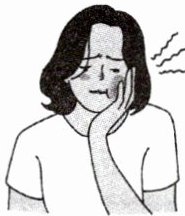
If you have a
4. 我的牙疼,所以今天下午必须去看牙医。
My tooth
5. 看到那块美味的蛋糕时,我忍不住吃了一大块。
When I saw the delicious cake, I
6. 怎么了,彼特?
a. What’s
b. What’s
7. 请用棉球按住伤口。
Please
8. 当我们不舒服的时候,我们应该充分休息并去看医生。
When we don’t
1. 很多人熬夜太久会头疼。
Many people
suffer
from
headaches when they stay up too late.2. 感冒时我经常流鼻涕。
I often
have
a
runny
nose
when I catch a cold.3. 如果你嗓子疼,喝点加蜂蜜的水。
If you have a
sore
throat
, drink some water with
honey.4. 我的牙疼,所以今天下午必须去看牙医。
My tooth
aches
, so I must see
a
dentist
this afternoon.5. 看到那块美味的蛋糕时,我忍不住吃了一大块。
When I saw the delicious cake, I
couldn't help
myself
and ate a big piece.6. 怎么了,彼特?
a. What’s
wrong
, Peter?b. What’s
the
matter
, Peter?7. 请用棉球按住伤口。
Please
press
down
on the cut with a cotton ball.8. 当我们不舒服的时候,我们应该充分休息并去看医生。
When we don’t
feel
well
, we should get enough rest and go
to
the
doctor
.答案
1. suffer from 2. have a runny nose 3. sore throat, with 4. aches, see a dentist
5. couldn't help myself 6. wrong, the matter 7. press down 8. feel well, go to the doctor
5. couldn't help myself 6. wrong, the matter 7. press down 8. feel well, go to the doctor
解析
【分析】本题是根据汉语意思完成英语句子,考查健康话题相关的常用固定短语、搭配及情景表达。解题时需结合汉语提示,回忆对应英语的固定搭配、常用短语,注意时态、固定结构的正确性,比如“头疼”的固定表达,“忍不住做某事”的结构,“怎么了”的两种常用说法等,确保每个空的单词/短语符合语法和语义要求。
【解析】1. 表示“患(某种病痛)”用固定短语suffer from,后接headaches,故填suffer from;2. “流鼻涕”的固定表达是have a runny nose,主语是I,用动词原形;3. “嗓子疼”的固定表达是sore throat,“带有”用介词with,故填sore throat;with;4. 主语tooth是第三人称单数,“疼”用动词aches;“看牙医”是固定短语see a dentist,情态动词must后接动词原形;5. “忍不住做某事”的固定结构是couldn't help oneself,主语是I,故填couldn't help myself;6. “怎么了”的两种常用表达为What's wrong? 和What's the matter?,故填wrong;the matter;7. “按住”的固定短语是press down,祈使句用动词原形;8. “不舒服”用don't feel well表达,“看医生”是固定短语go to the doctor,情态动词should后接动词原形。
【答案】1. suffer from 2. have a runny nose 3. sore throat; with 4. aches; see a dentist 5. couldn't help myself 6. wrong; the matter 7. press down 8. feel well; go to the doctor
【知识点】英语固定搭配、健康话题短语、情景交际
【点评】本题围绕健康话题考查基础英语短语和固定表达,是日常英语学习的基础考点,需要学生积累相关常用表达,结合语境准确填写,属于基础题型。
【难度系数】0.3
【解析】1. 表示“患(某种病痛)”用固定短语suffer from,后接headaches,故填suffer from;2. “流鼻涕”的固定表达是have a runny nose,主语是I,用动词原形;3. “嗓子疼”的固定表达是sore throat,“带有”用介词with,故填sore throat;with;4. 主语tooth是第三人称单数,“疼”用动词aches;“看牙医”是固定短语see a dentist,情态动词must后接动词原形;5. “忍不住做某事”的固定结构是couldn't help oneself,主语是I,故填couldn't help myself;6. “怎么了”的两种常用表达为What's wrong? 和What's the matter?,故填wrong;the matter;7. “按住”的固定短语是press down,祈使句用动词原形;8. “不舒服”用don't feel well表达,“看医生”是固定短语go to the doctor,情态动词should后接动词原形。
【答案】1. suffer from 2. have a runny nose 3. sore throat; with 4. aches; see a dentist 5. couldn't help myself 6. wrong; the matter 7. press down 8. feel well; go to the doctor
【知识点】英语固定搭配、健康话题短语、情景交际
【点评】本题围绕健康话题考查基础英语短语和固定表达,是日常英语学习的基础考点,需要学生积累相关常用表达,结合语境准确填写,属于基础题型。
【难度系数】0.3
