

 登录
一、Shenshen在介绍自家花园。请根据图片和首字母提示,帮他填上缺少的单词,每空一词。
1. Look at the beautiful sunflowers. They are tall. They get s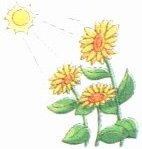
2. The tree c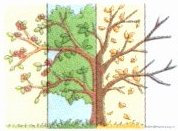
3. There is a pond in my garden. The tadpoles(蝌蚪) in the pond can g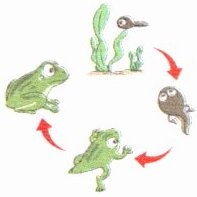
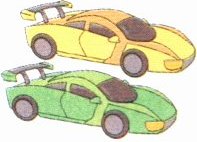
4. I play with my toy car in the garden. It can m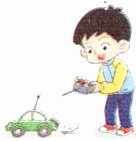
5. I have a pet rabbit. It’s a l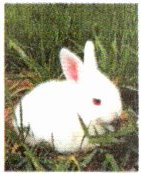
1. Look at the beautiful sunflowers. They are tall. They get s
sunlight
. 2. The tree c
changes
in different seasons. 3. There is a pond in my garden. The tadpoles(蝌蚪) in the pond can g
grow
. They can become frogs. 4. I play with my toy car in the garden. It can m
move
fast. 5. I have a pet rabbit. It’s a l
living
thing. 答案
1. sunlight
2. changes
3. grow
4. move
5. living
2. changes
3. grow
4. move
5. living
解析
【分析】
解答此类首字母填空题,需先理解每句的语境含义,再结合首字母提示,同时考虑词汇的词性、时态等语法规则,匹配合适的单词。具体思路:1. 结合向日葵的生长需求,匹配首字母s的名词;2. 结合树的季节变化特性,考虑第三人称单数的动词形式;3. 结合蝌蚪变青蛙的生长过程,匹配首字母g的动词;4. 结合玩具车的功能,匹配首字母m的动词;5. 结合宠物兔子的属性,匹配首字母l的形容词。
【解析】
1. 句意:看那些漂亮的向日葵,它们很高,它们获得阳光。结合语境及首字母s,填名词sunlight(阳光)。
2. 句意:树在不同季节变化。主语the tree是第三人称单数,一般现在时谓语动词用单数形式,结合首字母c,填changes(变化)。
3. 句意:池塘里的蝌蚪能成长,它们会变成青蛙。结合蝌蚪的生长过程及首字母g,填动词grow(成长)。
4. 句意:我在花园玩玩具车,它能快速移动。结合玩具车的功能及首字母m,填动词move(移动)。
5. 句意:我有一只宠物兔子,它是活的东西。结合宠物的属性及首字母l,填形容词living(活的)。
【答案】
1. sunlight
2. changes
3. grow
4. move
5. living
【知识点】
首字母填空,英语词汇运用,一般现在时
【点评】
本题为英语首字母填空题,侧重考查学生的基础词汇积累、语境理解及语法运用能力,题目难度适中,是常见的基础题型。
【难度系数】
0.6
二、Qiqi记录了身边的事物。请你选择合适的单词或短语帮Qiqi补全短文,并回答问题。
A. important B. change C. by itself D. get food and water E. by themselves
I learn about living things today. Living things need air. They need to 1.
Non-living things are different. They don’t need food, water or air. They don’t grow. They can’t move or change 4.
But both living things and non-living things are 5.
6. What does a living thing need?
7. Can your plants at home move by themselves?
8. What non-living things do you see every day? (Name three of them.)
A. important B. change C. by itself D. get food and water E. by themselves
I learn about living things today. Living things need air. They need to 1.
D
too. They can grow and 2. B
. For example, in my home, my cat Lucky can run; my baby sister likes drinking milk to grow bigger; my sunflower can’t move 3. C
but it changes and grows every day.Non-living things are different. They don’t need food, water or air. They don’t grow. They can’t move or change 4.
E
. For example, my storybook can’t grow.But both living things and non-living things are 5.
A
. We should take care of them.6. What does a living thing need?
A living thing needs air, food and water.
7. Can your plants at home move by themselves?
No, they can’t.
8. What non-living things do you see every day? (Name three of them.)
I see my pen, my desk and my computer every day.
答案
1.D 2.B 3.C 4.E 5.A
6. A living thing needs air, food and water.
7. No, they can’t.
8. I see my pen, my desk and my computer every day.
6. A living thing needs air, food and water.
7. No, they can’t.
8. I see my pen, my desk and my computer every day.
解析
【分析】
首先需理解短文围绕生物与非生物的特征展开,先明确每个选项的含义,再结合上下文语境选择合适词汇;解答问题时需从短文内容中提取关键信息,结合常识作答。
【解析】
1. 第1空:前文提到生物需要空气,生物还需获取食物和水维持生存,对应选项D(get food and water),故选D。
2. 第2空:生物的特征是能生长和变化,选项B(change)符合语境,故选B。
3. 第3空:向日葵是植物,无法独自移动,选项C(by itself)表示“独自”,符合,故选C。
4. 第4空:非生物不能自行移动或变化,主语为复数非生物,对应选项E(by themselves),故选E。
5. 第5空:后文提到要爱护生物和非生物,说明两者都重要,选项A(important)符合,故选A。
6. 问题6:根据短文第一段“Living things need air. They need to get food and water too.”,可知生物需要空气、食物和水。
7. 问题7:根据短文“my sunflower can’t move by itself”,可知植物不能自行移动,故回答No, they can’t.
8. 问题8:结合日常所见,列举三个非生物即可,如笔、桌子、电脑。
【答案】
1.D 2.B 3.C 4.E 5.A
6. A living thing needs air, food and water.
7. No, they can’t.
8. I see my pen, my desk and my computer every day.
【知识点】
生物的基本特征、词汇运用、阅读理解问答
【点评】
本题围绕生物与非生物的特征设置题型,既考查词汇在语境中的运用,又考查对短文内容的理解,贴近生活,题型基础,适合学生巩固相关知识。
【难度系数】
0.5
三、两名小朋友正在聊天。请你读一读,从每小题的三个选项中选出最佳选项。
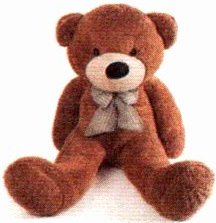
() 1. : Look at it. It's a
 : Yes, you're right.
A. living B. non-living C. live
() 2. : Can it move by itself?
 :
A. Yes, it can. B. No, it can't. C. No, it doesn't.
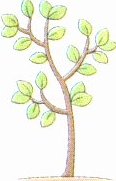
() 3. : It doesn't
 : Yes, you're right.
A. grow; change B. move; grow C. change; grow
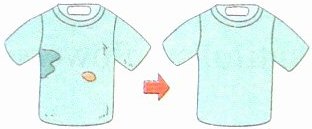
() 4. : Can they move?
 : Yes, but they cannot move
A. by itself B. by themselves C. by myself
() 5. : It's something around us but we cannot see it. What is it?
 : It's
A. water B. food C. air
() 1.
: Look at it. It's a B
thing.: Yes, you're right.A. living B. non-living C. live
() 2.
: Can it move by itself?: B
A. Yes, it can. B. No, it can't. C. No, it doesn't.
() 3.
: It doesn't A
, but it can .: Yes, you're right.A. grow; change B. move; grow C. change; grow
() 4.
: Can they move?: Yes, but they cannot move B
.A. by itself B. by themselves C. by myself
() 5.
: It's something around us but we cannot see it. What is it?: It's C
.A. water B. food C. air
答案
1.B 2.B 3.A 4.B 5.C
解析
【分析】
通读每个小题的语境,结合词汇含义、语法规则和常识逐一分析选项:1题需区分living、non-living、live的词义,结合语境选合适的形容词;2题针对Can引导的一般疑问句,需用can/can't回答;3题结合生物与非生物的特征判断逻辑;4题根据主语的单复数选择对应的反身代词;5题根据描述的特征(看不见、周围的事物)选正确名词。
【解析】
1. 选项词义:A. living(活的),B. non-living(非生物的),C. live(现场的),结合语境描述的是事物,选B;
2. 问句为Can引导的一般疑问句,回答需用can/can't,排除C(doesn't对应does引导的问句),结合语境选B;
3. 生物的核心特征是会生长,非生物不会生长但可能发生变化,A选项逻辑合理,选A;
4. 主语是they,反身代词需用复数形式themselves,by oneself表示“独自”,对应复数主语用by themselves,选B;
5. 描述为“周围的、看不见的事物”,空气符合该特征,选C。
【答案】
1.B 2.B 3.A 4.B 5.C
【知识点】
英语词汇辨析、情态动词疑问句回答、反身代词用法
【点评】
本题为小学英语基础应用类题目,结合日常语境考察核心词汇、语法和常识,难度适中,学生需掌握基础词汇含义、语法规则并结合语境判断。
【难度系数】
0.7
