

 登录
登录
一、完形填空。
主题:人与自然——自然生态·活化石银杏树
体裁:说明文 难易度:☆☆☆
The Ginkgo Tree:A Living Fossil
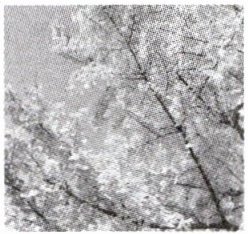
The ginkgo tree is one of the oldest tree species on earth. It can live for over 1,000 years and is 1 called a “living fossil” because it has remained almost unchanged for millions of years. Ginkgo trees are connected with human culture 2 many ways. In China, their fan-shaped leaves are symbols of peace and hope.
These trees are very strong. They can grow in cities 3 much sunlight or clean air. Their roots go deep into the 4, helping prevent soil erosion(水土流失). Ginkgo trees also 5 fighting pollution. Their leaves can absorb harmful gases, making the air cleaner.
6, ginkgo trees face challenges. Many people cut down old trees to build roads or houses. Climate change brings more insects that harm the trees. If ginkgo trees disappear, we will lose not just a tree but a piece of earth’s 7.
The 8 of protecting ginkgo trees is clear. Some schools plant ginkgo trees to teach students about nature. People also use ginkgo leaves to make art or 9 traditional stories. Every small effort helps these ancient trees that 10 with future generations.
(
C. widely D. sadly
(
C. at D. about
(
C. without D. through
(
C. ocean D. honey
(
C. feel free D. live up to
(
C. For this reason D. Besides
(
C. history D. title
(
C. tool D. wing
(
C. appear D. communicate
(
C. disappear D. connect
主题:人与自然——自然生态·活化石银杏树
体裁:说明文 难易度:☆☆☆
The Ginkgo Tree:A Living Fossil
The ginkgo tree is one of the oldest tree species on earth. It can live for over 1,000 years and is 1 called a “living fossil” because it has remained almost unchanged for millions of years. Ginkgo trees are connected with human culture 2 many ways. In China, their fan-shaped leaves are symbols of peace and hope.
These trees are very strong. They can grow in cities 3 much sunlight or clean air. Their roots go deep into the 4, helping prevent soil erosion(水土流失). Ginkgo trees also 5 fighting pollution. Their leaves can absorb harmful gases, making the air cleaner.
6, ginkgo trees face challenges. Many people cut down old trees to build roads or houses. Climate change brings more insects that harm the trees. If ginkgo trees disappear, we will lose not just a tree but a piece of earth’s 7.
The 8 of protecting ginkgo trees is clear. Some schools plant ginkgo trees to teach students about nature. People also use ginkgo leaves to make art or 9 traditional stories. Every small effort helps these ancient trees that 10 with future generations.
(
A
)1. A. actually B. happilyC. widely D. sadly
(
A
)2. A. in B. forC. at D. about
(
C
)3. A. except B. besideC. without D. through
(
A
)4. A. land B. provinceC. ocean D. honey
(
A
)5. A. play a role B. take a walkC. feel free D. live up to
(
A
)6. A. However B. In factC. For this reason D. Besides
(
C
)7. A. action B. happinessC. history D. title
(
A
)8. A. importance B. goodnessC. tool D. wing
(
D
)9. A. shoot B. shareC. appear D. communicate
(
D
)10. A. protect B. promiseC. disappear D. connect
答案
1.A 2.A 3.C 4.A 5.A 6.A 7.C 8.A 9.D 10.D
解析
【分析】
本题是一篇关于“活化石银杏树”的说明文完形填空,主题为“人与自然”。解题时需先通读全文把握大意:银杏树是古老树种,被称为活化石,与人类文化多方面相关;它适应性强、能防水土流失和污染,但面临被砍伐、气候变化带来虫害等挑战,保护它意义重大。解题时要结合上下文语境、词义辨析、固定搭配逐一分析每个选项,确保符合逻辑和语法规则。
【解析】
1. 考查副词辨析。句意:它能活超过1000年,实际上被称为“活化石”,因为数百万年来几乎没有变化。A. actually(实际上);B. happily(开心地);C. widely(广泛地);D. sadly(悲伤地)。此处强调客观事实,故选A。
2. 考查固定搭配。in many ways是固定短语,意为“在许多方面”,句意:银杏树在许多方面与人类文化相关。故选A。
3. 考查介词辨析。句意:它们可以在没有太多阳光或新鲜空气的城市生长。A. except(除了);B. beside(在旁边);C. without(没有);D. through(通过)。结合前文“These trees are very strong”,可知其适应能力强,能在缺乏充足阳光或新鲜空气的城市生长,故选C。
4. 考查名词辨析。句意:它们的根深入土地,帮助防止水土流失。A. land(土地);B. province(省);C. ocean(海洋);D. honey(蜂蜜)。根据“prevent soil erosion”(防止水土流失),可知根深入土地,故选A。
5. 考查动词短语辨析。句意:银杏树也在对抗污染方面发挥作用。A. play a role(发挥作用);B. take a walk(散步);C. feel free(随便);D. live up to(不辜负)。play a role in doing sth是固定搭配,意为“在做某事方面发挥作用”,符合语境,故选A。
6. 考查连词辨析。前文介绍银杏树的优点,后文转折说明其面临的挑战,需用转折连词。A. However(然而);B. In fact(事实上);C. For this reason(因此);D. Besides(此外)。故选A。
7. 考查名词辨析。句意:如果银杏树消失,我们失去的不仅仅是一棵树,还有地球历史的一部分。A. action(行动);B. happiness(幸福);C. history(历史);D. title(标题)。银杏树作为“活化石”存在数百万年,是地球历史的见证,故选C。
8. 考查名词辨析。句意:保护银杏树的重要性是显而易见的。A. importance(重要性);B. goodness(善良);C. tool(工具);D. wing(翅膀)。结合上下文,此处强调保护的意义,故选A。
9. 考查动词辨析。句意:人们也用银杏叶制作艺术品或讲述传统故事。A. shoot(射击;拍摄);B. share(分享);C. appear(出现);D. communicate(传达;交流)。communicate traditional stories意为“传达传统故事”,符合语境,故选D。
10. 考查动词辨析。句意:每一点努力都有助于这些古老的树木与后代相连。A. protect(保护);B. promise(承诺);C. disappear(消失);D. connect(连接)。connect with是固定搭配,意为“与……相连”,故选D。
【答案】
1.A 2.A 3.C 4.A 5.A 6.A 7.C 8.A 9.D 10.D
【知识点】
副词辨析;固定搭配;名词辨析;动词短语辨析
【点评】
本文围绕“活化石银杏树”展开,贴合“人与自然”主题,考查学生对词汇、固定搭配及上下文语境的理解与运用,难度适中,需学生具备一定的语篇分析能力。
【难度系数】
0.5
本题是一篇关于“活化石银杏树”的说明文完形填空,主题为“人与自然”。解题时需先通读全文把握大意:银杏树是古老树种,被称为活化石,与人类文化多方面相关;它适应性强、能防水土流失和污染,但面临被砍伐、气候变化带来虫害等挑战,保护它意义重大。解题时要结合上下文语境、词义辨析、固定搭配逐一分析每个选项,确保符合逻辑和语法规则。
【解析】
1. 考查副词辨析。句意:它能活超过1000年,实际上被称为“活化石”,因为数百万年来几乎没有变化。A. actually(实际上);B. happily(开心地);C. widely(广泛地);D. sadly(悲伤地)。此处强调客观事实,故选A。
2. 考查固定搭配。in many ways是固定短语,意为“在许多方面”,句意:银杏树在许多方面与人类文化相关。故选A。
3. 考查介词辨析。句意:它们可以在没有太多阳光或新鲜空气的城市生长。A. except(除了);B. beside(在旁边);C. without(没有);D. through(通过)。结合前文“These trees are very strong”,可知其适应能力强,能在缺乏充足阳光或新鲜空气的城市生长,故选C。
4. 考查名词辨析。句意:它们的根深入土地,帮助防止水土流失。A. land(土地);B. province(省);C. ocean(海洋);D. honey(蜂蜜)。根据“prevent soil erosion”(防止水土流失),可知根深入土地,故选A。
5. 考查动词短语辨析。句意:银杏树也在对抗污染方面发挥作用。A. play a role(发挥作用);B. take a walk(散步);C. feel free(随便);D. live up to(不辜负)。play a role in doing sth是固定搭配,意为“在做某事方面发挥作用”,符合语境,故选A。
6. 考查连词辨析。前文介绍银杏树的优点,后文转折说明其面临的挑战,需用转折连词。A. However(然而);B. In fact(事实上);C. For this reason(因此);D. Besides(此外)。故选A。
7. 考查名词辨析。句意:如果银杏树消失,我们失去的不仅仅是一棵树,还有地球历史的一部分。A. action(行动);B. happiness(幸福);C. history(历史);D. title(标题)。银杏树作为“活化石”存在数百万年,是地球历史的见证,故选C。
8. 考查名词辨析。句意:保护银杏树的重要性是显而易见的。A. importance(重要性);B. goodness(善良);C. tool(工具);D. wing(翅膀)。结合上下文,此处强调保护的意义,故选A。
9. 考查动词辨析。句意:人们也用银杏叶制作艺术品或讲述传统故事。A. shoot(射击;拍摄);B. share(分享);C. appear(出现);D. communicate(传达;交流)。communicate traditional stories意为“传达传统故事”,符合语境,故选D。
10. 考查动词辨析。句意:每一点努力都有助于这些古老的树木与后代相连。A. protect(保护);B. promise(承诺);C. disappear(消失);D. connect(连接)。connect with是固定搭配,意为“与……相连”,故选D。
【答案】
1.A 2.A 3.C 4.A 5.A 6.A 7.C 8.A 9.D 10.D
【知识点】
副词辨析;固定搭配;名词辨析;动词短语辨析
【点评】
本文围绕“活化石银杏树”展开,贴合“人与自然”主题,考查学生对词汇、固定搭配及上下文语境的理解与运用,难度适中,需学生具备一定的语篇分析能力。
【难度系数】
0.5
二、阅读理解。
主题:人与自然——自然生态·袋鼠和树袋熊
体裁:说明文 难易度:☆☆☆
①Australia has a lot of lovely animals. You cannot find them in other places in the world. They are only from Australia—kangaroos(袋鼠) and koalas.
②The kangaroo is the symbol animal in Australia. They have big eyes and ears. They don't walk, but jump. Kangaroo babies live in their mothers' pouches(育儿袋) when they are very young. The babies stay in it to get milk and sleep in it.
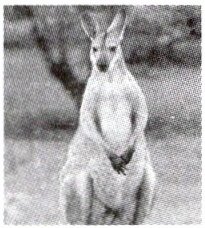
③We can see kangaroos here and there in Australia. They are on TV, in books and in shops. But do you know how many kangaroos there are in Australia? There are about 20,000,000 to
25,000,000 kangaroos in Australia. Some kangaroos go hungry because there is no food to eat. They often get into farmers' houses to look for their food.
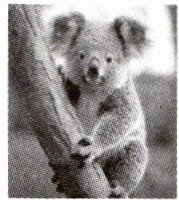
④The koala is another animal from Australia. They look like bears, and have small eyes and big noses. They sleep during the day, but they get up and eat leaves from trees at night. Every koala has its own(自己的) place. It often says to others, "This is my place ,and you can't come in!"
1. The symbol animal in Australia is . (
A. snake B. kangaroo
C. koala D. rabbit
2. Why do some kangaroos often get into farmers' houses? (
A. Because they are too hungry.
B. Because they like the farmers very much.
C. Because they like to live in it.
D. Because the farmers like them very much.
3. What can we know from the passage? (
A. Kangaroos and koalas have their own places.
B. Koalas get up early and eat leaves during the day.
C. Kangaroos and koalas are only from Australia.
D. Kangaroos often sleep during the day.
4. 新考法 划分文章结构 Which of the following best shows the structure of the passage? (
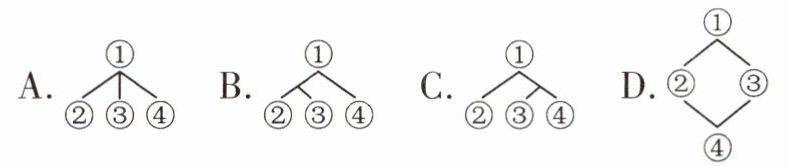
A. ①
/ | \
② ③ ④
B. ①
/ | \
② ③ ④
C. ①
/ | \
② ③ ④
D. ①
/ \
② ③
\ /
④
主题:人与自然——自然生态·袋鼠和树袋熊
体裁:说明文 难易度:☆☆☆
①Australia has a lot of lovely animals. You cannot find them in other places in the world. They are only from Australia—kangaroos(袋鼠) and koalas.
②The kangaroo is the symbol animal in Australia. They have big eyes and ears. They don't walk, but jump. Kangaroo babies live in their mothers' pouches(育儿袋) when they are very young. The babies stay in it to get milk and sleep in it.
③We can see kangaroos here and there in Australia. They are on TV, in books and in shops. But do you know how many kangaroos there are in Australia? There are about 20,000,000 to
25,000,000 kangaroos in Australia. Some kangaroos go hungry because there is no food to eat. They often get into farmers' houses to look for their food.
④The koala is another animal from Australia. They look like bears, and have small eyes and big noses. They sleep during the day, but they get up and eat leaves from trees at night. Every koala has its own(自己的) place. It often says to others, "This is my place ,and you can't come in!"
1. The symbol animal in Australia is . (
B
)A. snake B. kangaroo
C. koala D. rabbit
2. Why do some kangaroos often get into farmers' houses? (
A
)A. Because they are too hungry.
B. Because they like the farmers very much.
C. Because they like to live in it.
D. Because the farmers like them very much.
3. What can we know from the passage? (
C
)A. Kangaroos and koalas have their own places.
B. Koalas get up early and eat leaves during the day.
C. Kangaroos and koalas are only from Australia.
D. Kangaroos often sleep during the day.
4. 新考法 划分文章结构 Which of the following best shows the structure of the passage? (
B
)A. ①
/ | \
② ③ ④
B. ①
/ | \
② ③ ④
C. ①
/ | \
② ③ ④
D. ①
/ \
② ③
\ /
④
答案
1.B 2.A 3.C 4.B
解析
【分析】
这是一篇关于澳大利亚特有动物的说明文阅读理解,共4道小题,涵盖细节理解和文章结构划分两类题型。解题思路:1.先快速通读全文,把握文章核心内容(介绍袋鼠和考拉两种澳大利亚特有动物);2.做细节题时,根据题干关键词回原文定位对应语句,对比选项排除错误答案;3.做文章结构题时,梳理每段的主要内容,划分段落间的逻辑关系,确定整体结构。
【解析】
1. 细节理解题:题干关键词为“symbol animal in Australia”,定位到原文第②段第一句“The kangaroo is the symbol animal in Australia.”,可知袋鼠是澳大利亚的象征动物,对应选项B,故选B。
2. 细节理解题:题干关键词为“get into farmers' houses”,定位到原文第③段最后两句“Some kangaroos go hungry because there is no food to eat. They often get into farmers' houses to look for their food.”,可知袋鼠因饥饿找食物才进入农民家,对应选项A,故选A。
3. 细节理解题:逐一分析选项:A项,原文仅提到考拉有自己的领地,未提及袋鼠,错误;B项,原文第④段指出考拉“sleep during the day, but they get up and eat leaves at night”,与B项描述相反,错误;C项,原文第①段明确说明袋鼠和考拉“only from Australia”,正确;D项,原文未提及袋鼠白天睡觉,错误,故选C。
4. 文章结构题:梳理段落内容:第①段总述澳大利亚有袋鼠和考拉两种特有动物;第②段介绍袋鼠;第③段补充袋鼠的数量及现状;第④段介绍考拉。整体为“总-分”结构,对应选项B,故选B。
【答案】
1.B 2.A 3.C 4.B
【知识点】
阅读理解(细节理解、文章结构划分)
【点评】
本题围绕澳大利亚特有动物展开,考查学生对说明文细节信息的提取能力和文章结构的梳理能力,题目难度适中,能有效锻炼学生的阅读解题技巧。
【难度系数】
0.6
这是一篇关于澳大利亚特有动物的说明文阅读理解,共4道小题,涵盖细节理解和文章结构划分两类题型。解题思路:1.先快速通读全文,把握文章核心内容(介绍袋鼠和考拉两种澳大利亚特有动物);2.做细节题时,根据题干关键词回原文定位对应语句,对比选项排除错误答案;3.做文章结构题时,梳理每段的主要内容,划分段落间的逻辑关系,确定整体结构。
【解析】
1. 细节理解题:题干关键词为“symbol animal in Australia”,定位到原文第②段第一句“The kangaroo is the symbol animal in Australia.”,可知袋鼠是澳大利亚的象征动物,对应选项B,故选B。
2. 细节理解题:题干关键词为“get into farmers' houses”,定位到原文第③段最后两句“Some kangaroos go hungry because there is no food to eat. They often get into farmers' houses to look for their food.”,可知袋鼠因饥饿找食物才进入农民家,对应选项A,故选A。
3. 细节理解题:逐一分析选项:A项,原文仅提到考拉有自己的领地,未提及袋鼠,错误;B项,原文第④段指出考拉“sleep during the day, but they get up and eat leaves at night”,与B项描述相反,错误;C项,原文第①段明确说明袋鼠和考拉“only from Australia”,正确;D项,原文未提及袋鼠白天睡觉,错误,故选C。
4. 文章结构题:梳理段落内容:第①段总述澳大利亚有袋鼠和考拉两种特有动物;第②段介绍袋鼠;第③段补充袋鼠的数量及现状;第④段介绍考拉。整体为“总-分”结构,对应选项B,故选B。
【答案】
1.B 2.A 3.C 4.B
【知识点】
阅读理解(细节理解、文章结构划分)
【点评】
本题围绕澳大利亚特有动物展开,考查学生对说明文细节信息的提取能力和文章结构的梳理能力,题目难度适中,能有效锻炼学生的阅读解题技巧。
【难度系数】
0.6
