

 登录
登录
B
People question whether social [二维码] media is making modern society less empathetic(有同感的). Some studies show that heavy social media users are less empathetic, while others suggest quite the opposite.
To learn more about the question, we asked over 1,250 American participants(参与者) how often they checked social media. They also completed questionnaires where they decided whether they had the qualities that researchers call empathy, such as thinking from other
英语九上(江苏版)
people's point of view, feeling concerned for other people in trouble, and feeling bad when others feel bad.
Our study found that the more social media people reported using, the lower their levels of empathy were. This finding didn't change much according to the type of social media they use, their gender(性别), or education. However, we only asked American adults. Is it possible that the relationship we found would not be true elsewhere?
Indeed, researchers in other areas have found different results. Researchers in the UK, Spain, and the Netherlands have shown that, in their countries, higher social media use was related to higher empathy. An Indian study found no relationship between the two.
To learn the big picture, we compared all these studies. We found that the relationship between social media use and empathy differed based on two things: age and nationality. In general, studies carried out in Europe found a positive connection between social media use and empathy, while studies in the USA found no meaningful or negative connection. Besides, research done with children under 18 showed a positive connection, while research with adults found no connection.
Cultural differences may explain the difference. Americans are more likely to post news about their personal achievements online. It is no surprise that Americans who use social media regularly are not developing their empathy skills. But populations outside America appear to use social media for different purposes including strengthening friendships. For them, more social media use is connected with being
题中题 230
more empathetic. Perhaps people's purposes in using social media can tell us more about their character.
6. 语言能力 推断能力 What is the main purpose of the research described in the passage?
A. To prove that social media makes people less empathetic.
B. To study the impact of social media on American adults.
C. To compare the empathy levels of different nationalities.
D. To explore the relationship between social media use and empathy.
7. Which of the following factors about the participants was important for the first study?
A. Age.
B. Gender.
C. Interest.
D. Education.
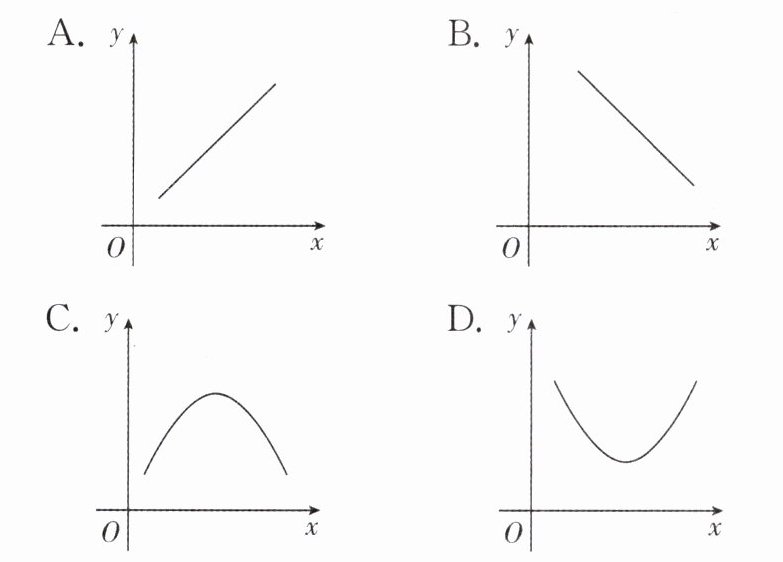
8. 新考法 图示理解 Which one shows the relationship between social media use (x) and empathy levels (y) in the UK?
9. Which statement will the author probably agree with?
A. Indians like to show off online.
B. Children are more empathetic than adults.
C. Americans are more empathetic than Europeans.
D. Reasons behind social media use show a person's character.
阶段综合提优(二)
10. Which of the following would be the best title for the passage?
A. The Positive Impact of Social Media on Empathy
B. Why Americans Are Less Empathetic on Social Media
C. Social Media and Empathy: A Complex Relationship
D. How to Develop Empathy Skills Through Social Media
People question whether social [二维码] media is making modern society less empathetic(有同感的). Some studies show that heavy social media users are less empathetic, while others suggest quite the opposite.
To learn more about the question, we asked over 1,250 American participants(参与者) how often they checked social media. They also completed questionnaires where they decided whether they had the qualities that researchers call empathy, such as thinking from other
英语九上(江苏版)
people's point of view, feeling concerned for other people in trouble, and feeling bad when others feel bad.
Our study found that the more social media people reported using, the lower their levels of empathy were. This finding didn't change much according to the type of social media they use, their gender(性别), or education. However, we only asked American adults. Is it possible that the relationship we found would not be true elsewhere?
Indeed, researchers in other areas have found different results. Researchers in the UK, Spain, and the Netherlands have shown that, in their countries, higher social media use was related to higher empathy. An Indian study found no relationship between the two.
To learn the big picture, we compared all these studies. We found that the relationship between social media use and empathy differed based on two things: age and nationality. In general, studies carried out in Europe found a positive connection between social media use and empathy, while studies in the USA found no meaningful or negative connection. Besides, research done with children under 18 showed a positive connection, while research with adults found no connection.
Cultural differences may explain the difference. Americans are more likely to post news about their personal achievements online. It is no surprise that Americans who use social media regularly are not developing their empathy skills. But populations outside America appear to use social media for different purposes including strengthening friendships. For them, more social media use is connected with being
题中题 230
more empathetic. Perhaps people's purposes in using social media can tell us more about their character.
6. 语言能力 推断能力 What is the main purpose of the research described in the passage?
A. To prove that social media makes people less empathetic.
B. To study the impact of social media on American adults.
C. To compare the empathy levels of different nationalities.
D. To explore the relationship between social media use and empathy.
7. Which of the following factors about the participants was important for the first study?
A. Age.
B. Gender.
C. Interest.
D. Education.
8. 新考法 图示理解 Which one shows the relationship between social media use (x) and empathy levels (y) in the UK?
9. Which statement will the author probably agree with?
A. Indians like to show off online.
B. Children are more empathetic than adults.
C. Americans are more empathetic than Europeans.
D. Reasons behind social media use show a person's character.
阶段综合提优(二)
10. Which of the following would be the best title for the passage?
A. The Positive Impact of Social Media on Empathy
B. Why Americans Are Less Empathetic on Social Media
C. Social Media and Empathy: A Complex Relationship
D. How to Develop Empathy Skills Through Social Media
答案
6.D 7.A 8.A 9.D 10.C
B
【文章大意】本文是一篇说明文,主要探讨了社交媒体使用与共情之间的复杂关系,并指出这种关系受年龄和国籍的影响。
6. D 解析:推理判断题。根据第一段中"People question whether social media is making modern society less empathetic."和第二段"To learn more about the question, we asked over 1,250 American participants how often they checked social media."可知,本文主要探讨社交媒体使用和共情之间的关系。故选 D。
7. A 解析:细节理解题。根据第五段中"We found that the relationship between social media use and empathy differed based on two things: age and nationality."可知,在第一个研究中,年龄是一个重要因素。故选 A。
8. A 解析:图示理解题。根据第四段中"Researchers in the UK, Spain, and the Netherlands have shown that, in their countries, higher social media use was related to higher empathy."可知,在英国,社交媒体使用与共情之间为正向关联,A 图片表现了 x 和 y 的正向关系。故选 A。
9. D 解析:观点态度题。根据最后一段中"Perhaps people's purposes in using social media can tell us more about their character."可知,作者也许同意社交媒体使用原因也许能够显示出一个人的性格这一观点。故选 D。
10. C 解析:标题归纳题。根据全文内容及第一段"Some studies show that heavy social media users are less empathetic, while others suggest quite the opposite."可知,文章探讨了社交媒体使用与共情之间的复杂关系,包括不同国家和不同年龄之间的差异。故 C 选项"社交媒体与共情:一种复杂的关系"最适合作为文章标题。故选 C。
B
【文章大意】本文是一篇说明文,主要探讨了社交媒体使用与共情之间的复杂关系,并指出这种关系受年龄和国籍的影响。
6. D 解析:推理判断题。根据第一段中"People question whether social media is making modern society less empathetic."和第二段"To learn more about the question, we asked over 1,250 American participants how often they checked social media."可知,本文主要探讨社交媒体使用和共情之间的关系。故选 D。
7. A 解析:细节理解题。根据第五段中"We found that the relationship between social media use and empathy differed based on two things: age and nationality."可知,在第一个研究中,年龄是一个重要因素。故选 A。
8. A 解析:图示理解题。根据第四段中"Researchers in the UK, Spain, and the Netherlands have shown that, in their countries, higher social media use was related to higher empathy."可知,在英国,社交媒体使用与共情之间为正向关联,A 图片表现了 x 和 y 的正向关系。故选 A。
9. D 解析:观点态度题。根据最后一段中"Perhaps people's purposes in using social media can tell us more about their character."可知,作者也许同意社交媒体使用原因也许能够显示出一个人的性格这一观点。故选 D。
10. C 解析:标题归纳题。根据全文内容及第一段"Some studies show that heavy social media users are less empathetic, while others suggest quite the opposite."可知,文章探讨了社交媒体使用与共情之间的复杂关系,包括不同国家和不同年龄之间的差异。故 C 选项"社交媒体与共情:一种复杂的关系"最适合作为文章标题。故选 C。
解析
【分析】
拿到这篇说明文阅读,首先明确核心讨论主题:开篇就抛出了关于社交媒体是否会降低共情能力的争议,后续所有研究都是围绕这个争议展开的。我们可以按题型逐个突破:1. 第6题问研究的主要目的,直接定位开篇的争议点,排除只覆盖局部内容的选项,锁定核心研究目标;2. 第7题找首个研究的重要影响因素,先排除原文明确说明不影响结果的性别、教育选项,再从后续总结的影响关联的两个要素里匹配选项;3. 第8题是图示题,先明确英国的研究结论是社交媒体使用越多共情越高,也就是x增大y同步上升,对应递增的图像即可;4. 第9题找作者认同的观点,直接定位最后一段的作者表述,排除无中生有的错误选项;5. 第10题选标题,要选择能覆盖全文所有内容的选项,排除只描述局部内容的片面选项。
【解析】
6. 推理判断题:文章首段提出大众对社交媒体是否降低共情能力的疑问,后续所有相关研究都是为了解答该争议,探索社交媒体使用和共情水平之间的关系。A选项表述绝对,原文并没有要证明社交媒体让人共情更低的结论;B仅为首个美国本土研究的对象,不是整体研究的目的;C仅为后续跨国对比的部分内容,都不符合核心目的,因此选D。
7. 细节理解题:原文第三段明确说明首个研究的结论不会随社交媒体类型、性别、教育水平发生明显变化,第五段指出社交媒体使用和共情的关联差异由年龄和国籍两个因素决定,选项中仅年龄属于重要影响因素,因此选A。
8. 图示理解题:原文第四段说明英国的研究结果显示,社交媒体使用程度越高,共情水平越高,即代表社交媒体使用的x轴数值增大时,代表共情水平的y轴数值同步上升,对应A选项的正向递增直线图,因此选A。
9. 观点态度题:原文最后一段末尾直接给出作者的表述:人们使用社交媒体的目的能更多体现自身的性格,和D选项表述完全吻合。A选项无中生有,原文提到是美国人更倾向于在网上晒个人成就,并非印度人;B选项没有依据,原文仅说明18岁以下儿童群体中社交媒体使用和共情呈正相关,没有对比儿童和成人的共情水平高低;C选项表述错误,欧洲研究显示社交媒体使用和共情正相关,不能推出美国人比欧洲人共情更低的结论,因此选D。
10. 标题归纳题:全文介绍了不同国家、不同年龄群体中社交媒体和共情的关联存在正相关、负相关、无关联多种不同情况,说明二者的关系十分复杂,C选项可以完整覆盖全文核心内容。A、B、D都仅对应文章的局部内容,无法概括全文,因此选C。
【答案】
6.D 7.A 8.A 9.D 10.C
【知识点】
细节信息查找,推理判断,主旨大意归纳
【点评】
本题属于九年级中等难度的说明文阅读,创新加入了跨学科图示理解的新考法,既考察学生快速定位原文细节的能力,也要求学生能区分局部信息和全文核心主旨,避免以偏概全的答题误区,对学生的信息整合能力有一定要求。
【难度系数】
0.6
拿到这篇说明文阅读,首先明确核心讨论主题:开篇就抛出了关于社交媒体是否会降低共情能力的争议,后续所有研究都是围绕这个争议展开的。我们可以按题型逐个突破:1. 第6题问研究的主要目的,直接定位开篇的争议点,排除只覆盖局部内容的选项,锁定核心研究目标;2. 第7题找首个研究的重要影响因素,先排除原文明确说明不影响结果的性别、教育选项,再从后续总结的影响关联的两个要素里匹配选项;3. 第8题是图示题,先明确英国的研究结论是社交媒体使用越多共情越高,也就是x增大y同步上升,对应递增的图像即可;4. 第9题找作者认同的观点,直接定位最后一段的作者表述,排除无中生有的错误选项;5. 第10题选标题,要选择能覆盖全文所有内容的选项,排除只描述局部内容的片面选项。
【解析】
6. 推理判断题:文章首段提出大众对社交媒体是否降低共情能力的疑问,后续所有相关研究都是为了解答该争议,探索社交媒体使用和共情水平之间的关系。A选项表述绝对,原文并没有要证明社交媒体让人共情更低的结论;B仅为首个美国本土研究的对象,不是整体研究的目的;C仅为后续跨国对比的部分内容,都不符合核心目的,因此选D。
7. 细节理解题:原文第三段明确说明首个研究的结论不会随社交媒体类型、性别、教育水平发生明显变化,第五段指出社交媒体使用和共情的关联差异由年龄和国籍两个因素决定,选项中仅年龄属于重要影响因素,因此选A。
8. 图示理解题:原文第四段说明英国的研究结果显示,社交媒体使用程度越高,共情水平越高,即代表社交媒体使用的x轴数值增大时,代表共情水平的y轴数值同步上升,对应A选项的正向递增直线图,因此选A。
9. 观点态度题:原文最后一段末尾直接给出作者的表述:人们使用社交媒体的目的能更多体现自身的性格,和D选项表述完全吻合。A选项无中生有,原文提到是美国人更倾向于在网上晒个人成就,并非印度人;B选项没有依据,原文仅说明18岁以下儿童群体中社交媒体使用和共情呈正相关,没有对比儿童和成人的共情水平高低;C选项表述错误,欧洲研究显示社交媒体使用和共情正相关,不能推出美国人比欧洲人共情更低的结论,因此选D。
10. 标题归纳题:全文介绍了不同国家、不同年龄群体中社交媒体和共情的关联存在正相关、负相关、无关联多种不同情况,说明二者的关系十分复杂,C选项可以完整覆盖全文核心内容。A、B、D都仅对应文章的局部内容,无法概括全文,因此选C。
【答案】
6.D 7.A 8.A 9.D 10.C
【知识点】
细节信息查找,推理判断,主旨大意归纳
【点评】
本题属于九年级中等难度的说明文阅读,创新加入了跨学科图示理解的新考法,既考察学生快速定位原文细节的能力,也要求学生能区分局部信息和全文核心主旨,避免以偏概全的答题误区,对学生的信息整合能力有一定要求。
【难度系数】
0.6
