

 登录
一、完形填空
(2025 南京期末)As a nature photographer, I often work in the wild. One of the most things about it is that I can watch animals in their natural environment. That's what I like most about my job. My favourite place to take photos is the national park, which is famous for its different wild animals. And it is probably best known for its runners—bears. Though heavy, these animals can run almost 64 kilometres per hour. Besides, they are also excellent swimmers.
Last in the park, I went through a forest. The view there was breathtaking. With wind blowing, trees started to turn green and flowers danced from side to side. An eagle flew over the snow-capped mountains, which were mirrored in the still lake below. When I was focusing on this wonderful scene, I suddenly felt that I was being watched. , and with the camera still held to my eye, I turned a little bit, and a little bit. . . and froze.
A bear! Only metres away from me. With water falling off its thick, brown hair, the bear me. Time stood still as the bear and I both waited to see who would move first. My legs started shaking. Somehow, I my finger to press the button. A second later, the bear turned and ran back into the forest. When I came to myself from the , I looked at my camera. My most frightening but magical experience was now recorded forever in a single picture.
From time to time I look at the photo as a reminder to show respect to all animals. In fact, we human beings are the of their world. They live here long before we come.
(
(
(
(
(
(
(
(
(
(
(2025 南京期末)As a nature photographer, I often work in the wild. One of the most things about it is that I can watch animals in their natural environment. That's what I like most about my job. My favourite place to take photos is the national park, which is famous for its different wild animals. And it is probably best known for its runners—bears. Though heavy, these animals can run almost 64 kilometres per hour. Besides, they are also excellent swimmers.
Last in the park, I went through a forest. The view there was breathtaking. With wind blowing, trees started to turn green and flowers danced from side to side. An eagle flew over the snow-capped mountains, which were mirrored in the still lake below. When I was focusing on this wonderful scene, I suddenly felt that I was being watched. , and with the camera still held to my eye, I turned a little bit, and a little bit. . . and froze.
A bear! Only metres away from me. With water falling off its thick, brown hair, the bear me. Time stood still as the bear and I both waited to see who would move first. My legs started shaking. Somehow, I my finger to press the button. A second later, the bear turned and ran back into the forest. When I came to myself from the , I looked at my camera. My most frightening but magical experience was now recorded forever in a single picture.
From time to time I look at the photo as a reminder to show respect to all animals. In fact, we human beings are the of their world. They live here long before we come.
(
B
) 1. A. comfortable B. amazing C. popular D. important(
D
) 2. A. ugly B. furry C. large D. fast(
A
) 3. A. spring B. summer C. autumn D. winter(
B
) 4. A. strong B. gentle C. hot D. terrible(
D
) 5. A. drawing B. reviewing C. copying D. photographing(
C
) 6. A. Sadly B. Easily C. Slowly D. Hurriedly(
A
) 7. A. stared at B. shouted at C. walked towards D. rushed towards(
D
) 8. A. held B. pushed C. touched D. forced(
C
) 9. A. trouble B. pain C. shock D. tiredness(
B
)10. A. friends B. visitors C. masters D. helpers答案
【语篇导读】本文是一篇记叙文。文章主要讲述了作者作为自然摄影师在国家公园拍摄时与熊相遇的惊险经历。
1. B 提示:comfortable意为“舒适的”;amazing意为“令人惊奇的”;popular意为“受欢迎的”;important意为“重要的”。句意:关于我的工作,最令人惊奇的事情之一是我可以在自然环境中观察动物。
2. D 提示:ugly意为“丑陋的”;furry意为“毛茸茸的”;large意为“大的”;fast意为“快的”。根据下文“Though heavy, these animals can run almost 64 kilometres per hour.”可知,此处指熊虽然重但跑得快。
3. A 提示:根据下文“trees started to turn green and flowers danced from side to side”可知,树开始变绿,花在摇曳,这是春天的景象。
4. B 提示:strong意为“强烈的”;gentle意为“温和的”;hot意为“炎热的”;terrible意为“糟糕的”。根据“flowers danced from side to side”可知,此处指微风轻拂着花儿。
5. D 提示:draw意为“画画”;review意为“复习,回顾”;copy意为“复制”;photograph意为“拍照”。根据下文“with the camera still held to my eye”可知,作者专注于拍摄这美妙的场景。
6. C 提示:sadly意为“悲伤地”;easily意为“容易地”;slowly意为“慢慢地”;hurriedly意为“匆忙地”。根据下文“I turned a little bit, and a little bit...and froze”可知,作者的动作非常缓慢。
7. A 提示:stare at意为“盯着”;shout at意为“对……大喊”;walk towards意为“走向”;rush towards意为“冲向”。根据上文“I suddenly felt that I was being watched”和下文“Time stood still as the bear and I both waited to see who would move first.”可知,此处指熊在盯着作者看。
8. D 提示:hold意为“握住”;push意为“推”;touch意为“触摸”;force意为“强迫,迫使”。根据上文“My legs started shaking.”可知,作者双腿发抖,极度恐慌,在这种情况下,只能是强迫自己的手指按下按钮。
9. C 提示:trouble意为“麻烦”;pain意为“疼痛”;shock意为“震惊”;tiredness意为“疲惫”。句意:当我从震惊中回过神来,我看看我的相机。
10. B 提示:friend意为“朋友”;visitor意为“访客”;master意为“主人”;helper意为“帮助者”。根据下文“They live here long before we come.”可知,动物在我们到来之前就生活在这里,所以我们人类是它们世界的访客。
二、阅读理解
A(2025 扬州高邮期末)
March 1st every year is Happy Seal Day. Chinese environmental groups set up this festival in 1983 to protect seals. This year let's learn about Baikal seals—the only kind of seal living in freshwater all their lives.
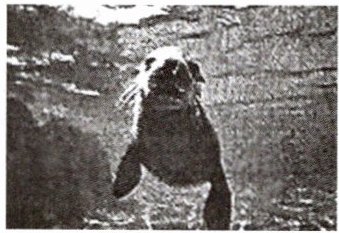
Imagine yourself as a Baikal seal in Lake Baikal, Russia—the world's deepest lake. How do you grow up there?
· Keep your claws(爪子) sharp
In winter, Lake Baikal's surface is covered with ice. As a seal, how do you get in the water? Well, the way is to use your long claws and strong front flippers(鳍) to break a hole in the ice. And you'd better do it at the start of the season—before the ice grows too thick to break.
· ▲
In summer, all the ice on Lake Baikal has melted. You won't be able to sleep on the surface of the lake. Instead, try to find a place on the Ushkany Islands in the middle of the lake. These islands are far from some dangerous predators(捕食者), like bears. You'll sleep better there.
· Stay "fat"
Even in summer, Lake Baikal's water temperature hardly rises above 10 degrees. Luckily, you have much fat under your skin. It keeps you warm in the cold water. Also, the fat acts like a life jacket (救生衣) to help you stay in the water.
· Dive in the lake
There's no need to be afraid of this super-deep lake. Your muscles are filled with a special protein (蛋白质). This protein stores oxygen for you to use during dives. This allows you to stay underwater up to four minutes and dive over 300 metres deep.
(
A. They spend their whole lives in freshwater.
B. Their fat helps them to dive in the deep lake.
C. Their protein keeps them warm in cold water.
D. They have short claws and strong front flippers.
(
A. Sleep on the lake B. Get to the islands
C. Find another lake D. Stay with bears
(
①Different seasons. ②Dangerous predators.
③Water temperatures. ④Diving skills.
A. ①③④ B. ②③④ C. ①②④ D. ①②③
(
A. Act on Happy Seal Day B. A seal's growing story
C. Be a happy seal in the deep lake D. Seals—an animal in danger
A(2025 扬州高邮期末)
March 1st every year is Happy Seal Day. Chinese environmental groups set up this festival in 1983 to protect seals. This year let's learn about Baikal seals—the only kind of seal living in freshwater all their lives.
Imagine yourself as a Baikal seal in Lake Baikal, Russia—the world's deepest lake. How do you grow up there?
· Keep your claws(爪子) sharp
In winter, Lake Baikal's surface is covered with ice. As a seal, how do you get in the water? Well, the way is to use your long claws and strong front flippers(鳍) to break a hole in the ice. And you'd better do it at the start of the season—before the ice grows too thick to break.
· ▲
In summer, all the ice on Lake Baikal has melted. You won't be able to sleep on the surface of the lake. Instead, try to find a place on the Ushkany Islands in the middle of the lake. These islands are far from some dangerous predators(捕食者), like bears. You'll sleep better there.
· Stay "fat"
Even in summer, Lake Baikal's water temperature hardly rises above 10 degrees. Luckily, you have much fat under your skin. It keeps you warm in the cold water. Also, the fat acts like a life jacket (救生衣) to help you stay in the water.
· Dive in the lake
There's no need to be afraid of this super-deep lake. Your muscles are filled with a special protein (蛋白质). This protein stores oxygen for you to use during dives. This allows you to stay underwater up to four minutes and dive over 300 metres deep.
(
A
) 1. What can we learn about Baikal seals?A. They spend their whole lives in freshwater.
B. Their fat helps them to dive in the deep lake.
C. Their protein keeps them warm in cold water.
D. They have short claws and strong front flippers.
(
B
) 2. Which of the following sentences is the best to fill in " ▲ "?A. Sleep on the lake B. Get to the islands
C. Find another lake D. Stay with bears
(
D
) 3. Which of the following can influence(影响) Baikal seals' lifestyles?①Different seasons. ②Dangerous predators.
③Water temperatures. ④Diving skills.
A. ①③④ B. ②③④ C. ①②④ D. ①②③
(
C
) 4. What can be the best title for the article?A. Act on Happy Seal Day B. A seal's growing story
C. Be a happy seal in the deep lake D. Seals—an animal in danger
答案
【语篇导读】本文介绍了贝加尔海豹在不同季节的生活方式以及它们如何利用自身特点在湖中生存。
1. A 提示:细节理解题。根据第一段最后一句“This year let's learn about Baikal seals—the only kind of seal living in freshwater all their lives.”可知,贝加尔海豹是唯一一种终生生活在淡水中的海豹。
2. B 提示:推理判断题。通读空缺处下一段,尤其是“try to find a place on the Ushkany Islands...These islands are far from some dangerous predators...”可知,该段建议你夏季时前往贝加尔湖中心的乌什卡尼群岛,根据关键词islands可锁定选项B。
3. D 提示:推理判断题。根据第一、二个小标题下的内容可知,贝加尔湖不同季节的状态不同,冬天湖面会结冰,夏天冰面融化且水温会变化,显然不同的季节(①)会影响海豹的生存环境和生活方式;根据第二个小标题下最后两句可知,远离危险的捕食者,海豹会睡得更好,因而危险的捕食者(②)会影响海豹的生活方式;第三个小标题下的内容提到即使在夏天,贝加尔湖的水温也很难上升到10度以上,由此可见水温(③)会影响海豹的生活方式,故D项正确。
4. C 提示:最佳标题题。文章主要围绕贝加尔海豹在贝加尔湖的生活展开,介绍了它们在不同季节的生活方式以及它们如何利用自身特点在湖中生存,因此C项“在深湖中做一只快乐的海豹”最适合作标题。
