

 登录
登录
二、阅读理解
At an early age, we start learning how to manage money by watching our parents' spending habits. Don't worry if we haven't learned well how to save or spend money. The following life lessons about money can help us form good spending habits.
As kids, we don't often think about where money comes from. We need to know that our parents work hard to make money, and that it may be used up one day.
We shouldn't spend all our money in one go. We need to think about how much money we have and what we really want to spend it on. Realising that our pocket money can't cover everything we want, we should make smart spending choices.
We should set a clear goal and watch our money grow. If we wish to own a new bicycle but can't afford it, we can save our pocket money. How? Write down how much money we have in a notebook and watch it grow. After we have enough, we can buy that wonderful bicycle we've dreamed about!
We can talk with our parents about how money is used and where money goes. We can also go to the supermarket with our parents to experience how money is spent in the real world.
We should treat money in a right way. Actually, learning about money isn't a hard job. From these lessons, we can get a sense of money management and a right attitude towards money gradually!
1. Who is the passage written for?
A. Parents.
B. Teachers.
C. Managers.
D. Children.
2.(创新考法·信息排序)Put these sentences into the right order according to the passage.
a. Kids get a right attitude towards money gradually.
b. Kids experience how money is spent in the real world.
c. Kids can save their pocket money to buy wonderful things.
d. Kids need to know money made by parents may be used up.
A. a-b-d-c B. c-d-a-b C. d-c-b-a D. b-a-c-d
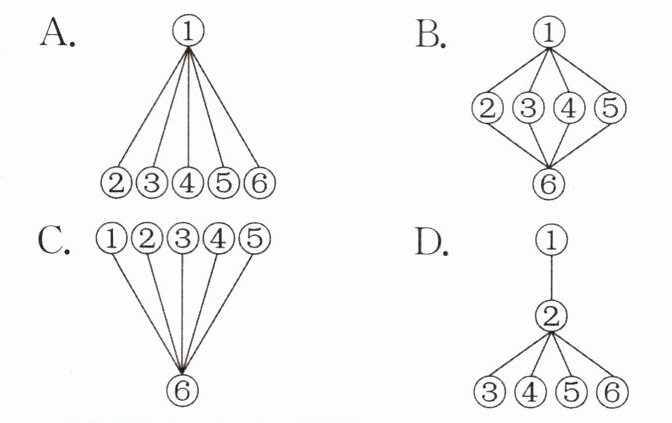
3.(创新考法·篇章结构)Which of the following best shows the structure of the passage?
深度阅读·回答问题
4. What practical steps can help children manage their pocket money wisely?
情境三 通过消费、储蓄、给予三罐理财法,引导青少年树立正确的金钱管理观念。
At an early age, we start learning how to manage money by watching our parents' spending habits. Don't worry if we haven't learned well how to save or spend money. The following life lessons about money can help us form good spending habits.
As kids, we don't often think about where money comes from. We need to know that our parents work hard to make money, and that it may be used up one day.
We shouldn't spend all our money in one go. We need to think about how much money we have and what we really want to spend it on. Realising that our pocket money can't cover everything we want, we should make smart spending choices.
We should set a clear goal and watch our money grow. If we wish to own a new bicycle but can't afford it, we can save our pocket money. How? Write down how much money we have in a notebook and watch it grow. After we have enough, we can buy that wonderful bicycle we've dreamed about!
We can talk with our parents about how money is used and where money goes. We can also go to the supermarket with our parents to experience how money is spent in the real world.
We should treat money in a right way. Actually, learning about money isn't a hard job. From these lessons, we can get a sense of money management and a right attitude towards money gradually!
1. Who is the passage written for?
A. Parents.
B. Teachers.
C. Managers.
D. Children.
2.(创新考法·信息排序)Put these sentences into the right order according to the passage.
a. Kids get a right attitude towards money gradually.
b. Kids experience how money is spent in the real world.
c. Kids can save their pocket money to buy wonderful things.
d. Kids need to know money made by parents may be used up.
A. a-b-d-c B. c-d-a-b C. d-c-b-a D. b-a-c-d
3.(创新考法·篇章结构)Which of the following best shows the structure of the passage?
深度阅读·回答问题
4. What practical steps can help children manage their pocket money wisely?
Firstly, make a budget to understand what one can afford.
Secondly, set a clear goal(like for a bicycle)and track the growth of saved money in a notebook.
And finally, discuss money use with parents and experience real-world spending.
情境三 通过消费、储蓄、给予三罐理财法,引导青少年树立正确的金钱管理观念。
答案
1. D 推理判断题。根据第一段中“At an early age, we start learning how to manage money by watching our parents' spending habits. ”以及全文内容可知,文章针对的是孩子们。
2. C 信息排序题。根据文章内容顺序:第二段提到“We need to know that our parents work hard to make money, and that it may be used up one day. ”(对应d);第四段提到“If we wish to own a new bicycle but can't afford it, we can save our pocket money. ”(对应c);第五段提到“We can also go to the supermarket with our parents to experience how money is spent in the real world. ”(对应b);最后一段提到we can get a sense of money management and a right attitude towards money gradually(对应a)。正确顺序为d-c-b-a。
方法归纳
信息排序解题方法:
1. 定位关键事件或动作
在原文中找出题干所列各选项对应的句子或段落,明确每个事件的内容。
2. 寻找时间/逻辑标志词
时间顺序词:first、then、after that、finally、meanwhile、before、during...
逻辑连接词:as a result、therefore、however、next...
3. 排除明显错误顺序
比如结果出现在原因之前、准备步骤在执行之后等,可快速排除。
4. 注意代词和指代关系
5. 验证整体连贯性
6. 排好顺序后,通读一遍是否语义通顺、逻辑合理
3. B 篇章结构题。文章结构为:引入主题(第一段);分点说明(第二至五段);总结(最后一段)。因此结构为“总—分—总”,对应选项B的图示。
4. Firstly, make a budget to understand what one can afford. Secondly, set a clear goal(like for a bicycle)and track the growth of saved money in a notebook. And finally, discuss money use with parents and experience real-world spending.
2. C 信息排序题。根据文章内容顺序:第二段提到“We need to know that our parents work hard to make money, and that it may be used up one day. ”(对应d);第四段提到“If we wish to own a new bicycle but can't afford it, we can save our pocket money. ”(对应c);第五段提到“We can also go to the supermarket with our parents to experience how money is spent in the real world. ”(对应b);最后一段提到we can get a sense of money management and a right attitude towards money gradually(对应a)。正确顺序为d-c-b-a。
方法归纳
信息排序解题方法:
1. 定位关键事件或动作
在原文中找出题干所列各选项对应的句子或段落,明确每个事件的内容。
2. 寻找时间/逻辑标志词
时间顺序词:first、then、after that、finally、meanwhile、before、during...
逻辑连接词:as a result、therefore、however、next...
3. 排除明显错误顺序
比如结果出现在原因之前、准备步骤在执行之后等,可快速排除。
4. 注意代词和指代关系
5. 验证整体连贯性
6. 排好顺序后,通读一遍是否语义通顺、逻辑合理
3. B 篇章结构题。文章结构为:引入主题(第一段);分点说明(第二至五段);总结(最后一段)。因此结构为“总—分—总”,对应选项B的图示。
4. Firstly, make a budget to understand what one can afford. Secondly, set a clear goal(like for a bicycle)and track the growth of saved money in a notebook. And finally, discuss money use with parents and experience real-world spending.
解析
【分析】
本题是关于儿童理财教育的英语阅读理解题,解题思路为:1. 通读全文,把握文章主旨(针对儿童的金钱管理教育);2. 第1题通过定位原文开头及全文内容,判断文章受众;3. 第2题逐一找到各选项对应原文的段落,梳理事件发生的逻辑顺序;4. 第3题分析文章段落结构,确定总-分-总结构;5. 第4题从原文提取实用的理财步骤,整理成清晰的回答。
【解析】
1. 第1题:推理判断题。根据第一段“At an early age, we start learning how to manage money by watching our parents' spending habits.”及全文内容,可知文章针对的是孩子,故选D。
2. 第2题:信息排序题。定位原文对应内容:d对应第二段(父母赚钱可能花光),c对应第四段(攒零花钱买想要的东西),b对应第五段(和父母去超市体验花钱),a对应最后一段(逐渐树立正确金钱态度),正确顺序为d-c-b-a,故选C。
3. 第3题:篇章结构题。第一段总起(理财课帮助养成好习惯),第二至五段分述具体理财方法,最后一段总结(树立正确金钱观),为总-分-总结构,对应选项B,故选B。
4. 第4题:从原文提取实用步骤:① 理解父母赚钱可能花光,不一次性花光所有钱,做明智消费选择;② 设定明确目标,攒零花钱并记录其增长;③ 和父母讨论金钱使用,去超市体验真实消费。
【答案】
1. D
2. C
3. B
4. Firstly, understand that parents' money may be used up and make smart spending choices. Secondly, set a clear goal, save pocket money and track its growth in a notebook. Finally, talk with parents about money use and experience real-world spending.
【知识点】
英语阅读理解、信息定位、篇章结构
【点评】
本题围绕儿童理财主题,考查英语阅读理解的细节判断、信息排序、篇章结构分析及开放类问题,需准确把握原文信息,难度适中。
【难度系数】
0.6
本题是关于儿童理财教育的英语阅读理解题,解题思路为:1. 通读全文,把握文章主旨(针对儿童的金钱管理教育);2. 第1题通过定位原文开头及全文内容,判断文章受众;3. 第2题逐一找到各选项对应原文的段落,梳理事件发生的逻辑顺序;4. 第3题分析文章段落结构,确定总-分-总结构;5. 第4题从原文提取实用的理财步骤,整理成清晰的回答。
【解析】
1. 第1题:推理判断题。根据第一段“At an early age, we start learning how to manage money by watching our parents' spending habits.”及全文内容,可知文章针对的是孩子,故选D。
2. 第2题:信息排序题。定位原文对应内容:d对应第二段(父母赚钱可能花光),c对应第四段(攒零花钱买想要的东西),b对应第五段(和父母去超市体验花钱),a对应最后一段(逐渐树立正确金钱态度),正确顺序为d-c-b-a,故选C。
3. 第3题:篇章结构题。第一段总起(理财课帮助养成好习惯),第二至五段分述具体理财方法,最后一段总结(树立正确金钱观),为总-分-总结构,对应选项B,故选B。
4. 第4题:从原文提取实用步骤:① 理解父母赚钱可能花光,不一次性花光所有钱,做明智消费选择;② 设定明确目标,攒零花钱并记录其增长;③ 和父母讨论金钱使用,去超市体验真实消费。
【答案】
1. D
2. C
3. B
4. Firstly, understand that parents' money may be used up and make smart spending choices. Secondly, set a clear goal, save pocket money and track its growth in a notebook. Finally, talk with parents about money use and experience real-world spending.
【知识点】
英语阅读理解、信息定位、篇章结构
【点评】
本题围绕儿童理财主题,考查英语阅读理解的细节判断、信息排序、篇章结构分析及开放类问题,需准确把握原文信息,难度适中。
【难度系数】
0.6
三、选词填空
in need manage wise happy you
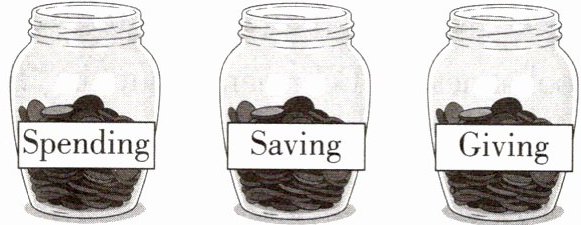
[2025 南充改编]The three-jar method—Spending, Saving and Giving, may teach you how to manage money 1.
The Spending jar is for your own 2.
These three jars encourage you to think more about 5.
深度阅读·回答问题
6. What's the Giving jar about?
情境四 人性光辉与希望的力量——老画家用生命完成的画作,成为他人生存的精神支柱。
in need manage wise happy you
[2025 南充改编]The three-jar method—Spending, Saving and Giving, may teach you how to manage money 1.
wisely
.The Spending jar is for your own 2.
happiness
. It gives you the opportunity to buy something you like. While the Spending jar is about the here and now, the Saving jar prepares 3. yourselves/yourself
well for the future, like saving for university. The Giving jar is about kindness. You can donate money to an animal charity or children 4. in need
.These three jars encourage you to think more about 5.
managing
money. The small change could mean a big difference.深度阅读·回答问题
6. What's the Giving jar about?
It's about kindness.
情境四 人性光辉与希望的力量——老画家用生命完成的画作,成为他人生存的精神支柱。
答案
1. wisely 2. happiness 3. yourselves/yourself 4. in need 5. managing 6. It's about kindness.
解析
【分析】
本题为英语选词填空题,需先通读全文理解“三罐理财法”的主题,再结合每个空格的词性要求、语境及固定搭配,从给定词汇(in need、manage、wise、happy、you)中选择合适的词并进行词形变化,最后完成第6题的细节理解作答。
【解析】
1. 空1:修饰动词manage,需用副词,wise的副词形式为wisely,故填wisely。
2. 空2:own后需接名词,happy的名词形式为happiness,own happiness表示“自己的幸福”,故填happiness。
3. 空3:固定搭配prepare oneself for意为“为自己做好准备”,主语为you,对应反身代词yourself/yourselves,故填yourself/yourselves。
4. 空4:修饰children,in need是介词短语,意为“需要帮助的”,符合语境,故填in need。
5. 空5:介词about后需接动名词,manage的动名词形式为managing,故填managing。
6. 细节理解题:根据原文“The Giving jar is about kindness.”可知,Giving罐是关于善意的,故回答It's about kindness.
【答案】
1. wisely 2. happiness 3. yourself/yourselves 4. in need 5. managing 6. It's about kindness.
【知识点】
英语副词用法、名词变形、固定搭配
【点评】
本题结合理财话题考查词汇的语境运用,需学生掌握词性变化、固定搭配及细节信息定位,难度适中,能较好考查学生的英语综合运用能力。
【难度系数】
0.6
本题为英语选词填空题,需先通读全文理解“三罐理财法”的主题,再结合每个空格的词性要求、语境及固定搭配,从给定词汇(in need、manage、wise、happy、you)中选择合适的词并进行词形变化,最后完成第6题的细节理解作答。
【解析】
1. 空1:修饰动词manage,需用副词,wise的副词形式为wisely,故填wisely。
2. 空2:own后需接名词,happy的名词形式为happiness,own happiness表示“自己的幸福”,故填happiness。
3. 空3:固定搭配prepare oneself for意为“为自己做好准备”,主语为you,对应反身代词yourself/yourselves,故填yourself/yourselves。
4. 空4:修饰children,in need是介词短语,意为“需要帮助的”,符合语境,故填in need。
5. 空5:介词about后需接动名词,manage的动名词形式为managing,故填managing。
6. 细节理解题:根据原文“The Giving jar is about kindness.”可知,Giving罐是关于善意的,故回答It's about kindness.
【答案】
1. wisely 2. happiness 3. yourself/yourselves 4. in need 5. managing 6. It's about kindness.
【知识点】
英语副词用法、名词变形、固定搭配
【点评】
本题结合理财话题考查词汇的语境运用,需学生掌握词性变化、固定搭配及细节信息定位,难度适中,能较好考查学生的英语综合运用能力。
【难度系数】
0.6
