

 登录
登录
五、立德树人·团结协作 阅读理解

In a school garden in Ningxia, the roles of students are not the same as before. Here, students do the teaching.
“This is our vegetable area,” a student from Grade 8 tells a visitor. “We have grown many kinds of vegetables.”
“Look! These are tomatoes,” another student adds, “and those are carrots…”
The two students have been working in the garden since 2025. They are part of their school’s gardening program. Actually, most schools in Ningxia have their own gardens, where students harvest their special “schoolwork”.
In the gardens, students work in teams with the help of their teachers. They finish all the important steps by themselves. For example, team members study what to grow. Then they discuss and plan their gardens. They plant seeds (种子), pull grass and water their plants. Some students also grow oranges and apples on their own. In autumn, they harvest their “schoolwork”—all kinds of fruits and vegetables!
School gardens ▲, too. For example, students study the plants they grow in science classes. Maths becomes a tool for planning the garden. Studies have shown that gardening programs help students do better in school.
Schools’ gardening programs offer learning experiences as well as fun. Young gardeners can practice skills and these skills are useful for all their lives. They have fun working together as a team and learn how to work together.
(
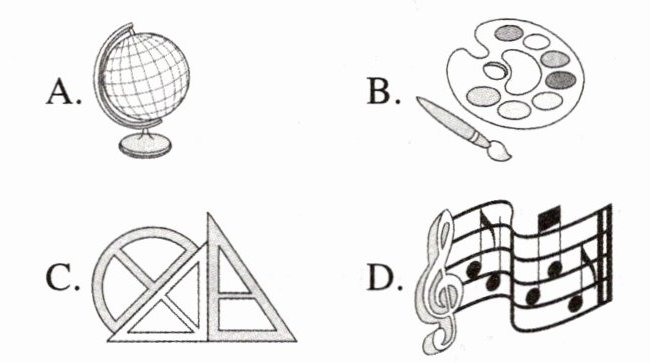
(
A. study what to grow
B. pull grass and water plants
C. discuss and plan the gardens
D. ask their parents to grow oranges and apples
(
①learn how to work together
②practice skills that are useful
③work alone without any problem
④get learning experiences and fun
A. ①③④
B. ①②④
C. ①②③
D. ②③④
(
A. provide ideas for classes
B. offer ways for better growing
C. need to make a growing diary
D. show some online videos about gardening
In a school garden in Ningxia, the roles of students are not the same as before. Here, students do the teaching.
“This is our vegetable area,” a student from Grade 8 tells a visitor. “We have grown many kinds of vegetables.”
“Look! These are tomatoes,” another student adds, “and those are carrots…”
The two students have been working in the garden since 2025. They are part of their school’s gardening program. Actually, most schools in Ningxia have their own gardens, where students harvest their special “schoolwork”.
In the gardens, students work in teams with the help of their teachers. They finish all the important steps by themselves. For example, team members study what to grow. Then they discuss and plan their gardens. They plant seeds (种子), pull grass and water their plants. Some students also grow oranges and apples on their own. In autumn, they harvest their “schoolwork”—all kinds of fruits and vegetables!
School gardens ▲, too. For example, students study the plants they grow in science classes. Maths becomes a tool for planning the garden. Studies have shown that gardening programs help students do better in school.
Schools’ gardening programs offer learning experiences as well as fun. Young gardeners can practice skills and these skills are useful for all their lives. They have fun working together as a team and learn how to work together.
(
C
)22. Which of the following subjects can help students plan the gardens in this article?(
D
)23. Students do the following work in the school gardens EXCEPT (除了) .A. study what to grow
B. pull grass and water plants
C. discuss and plan the gardens
D. ask their parents to grow oranges and apples
(
B
)24. 能力训练点·信息提取与加工 From the schools’ gardening programs, students can .①learn how to work together
②practice skills that are useful
③work alone without any problem
④get learning experiences and fun
A. ①③④
B. ①②④
C. ①②③
D. ②③④
(
A
)25. 新考向·信息还原 Which of the following can be put in ▲?A. provide ideas for classes
B. offer ways for better growing
C. need to make a growing diary
D. show some online videos about gardening
答案
22. C 23. D 24. B 25. A
解析
【分析】
本题为英语阅读理解题,围绕宁夏某学校的园艺项目展开,考查学生的信息提取、推理判断及信息还原能力。解题思路:1. 通读全文,把握文章主旨(园艺项目兼具实践、学科融合与协作培养的作用);2. 针对每道题的题干关键词,定位原文对应段落或语句;3. 逐一比对选项与原文内容,排除错误选项,确定正确答案。
【解析】
22题:题干询问帮助学生规划花园的学科。定位原文第六段“Maths becomes a tool for planning the garden.”可知数学是规划花园的工具,对应选项C,故选C。
23题:题干问学生在花园中未做的事。定位原文第五段“Some students also grow oranges and apples on their own.”可知学生是自己种植,而非让父母代劳,选项D符合题意,故选D。
24题:题干问学生从园艺项目中能获得的内容。定位原文最后两段:“learn how to work together”“practice skills useful for all their lives”“offer learning experiences as well as fun”,可知①②④正确,③“独自工作”与原文“work in teams”不符,故选B。
25题:题干为信息还原题,需填入第六段开头的句子。后文举例说明科学课、数学课与园艺项目的结合,可知花园为课程提供思路,选项A符合,故选A。
【答案】
22. C 23. D 24. B 25. A
【知识点】
英语阅读理解、细节理解、信息还原
【点评】
本题结合立德树人的团结协作主题,以宁夏学校的园艺项目为载体,考查学生英语阅读的核心能力(信息提取、加工、推理),同时渗透跨学科学习、团队协作的理念,符合新考向的能力要求,难度适中。
【难度系数】
0.7
本题为英语阅读理解题,围绕宁夏某学校的园艺项目展开,考查学生的信息提取、推理判断及信息还原能力。解题思路:1. 通读全文,把握文章主旨(园艺项目兼具实践、学科融合与协作培养的作用);2. 针对每道题的题干关键词,定位原文对应段落或语句;3. 逐一比对选项与原文内容,排除错误选项,确定正确答案。
【解析】
22题:题干询问帮助学生规划花园的学科。定位原文第六段“Maths becomes a tool for planning the garden.”可知数学是规划花园的工具,对应选项C,故选C。
23题:题干问学生在花园中未做的事。定位原文第五段“Some students also grow oranges and apples on their own.”可知学生是自己种植,而非让父母代劳,选项D符合题意,故选D。
24题:题干问学生从园艺项目中能获得的内容。定位原文最后两段:“learn how to work together”“practice skills useful for all their lives”“offer learning experiences as well as fun”,可知①②④正确,③“独自工作”与原文“work in teams”不符,故选B。
25题:题干为信息还原题,需填入第六段开头的句子。后文举例说明科学课、数学课与园艺项目的结合,可知花园为课程提供思路,选项A符合,故选A。
【答案】
22. C 23. D 24. B 25. A
【知识点】
英语阅读理解、细节理解、信息还原
【点评】
本题结合立德树人的团结协作主题,以宁夏学校的园艺项目为载体,考查学生英语阅读的核心能力(信息提取、加工、推理),同时渗透跨学科学习、团队协作的理念,符合新考向的能力要求,难度适中。
【难度系数】
0.7
