

 登录
登录
As the weather changes from day to day, sometimes it's impossible to avoid catching a cold or the flu. However, that doesn't mean we have to suffer terribly. Since the only way to get better from a cold is to go through the process, many natural remedies(疗法)have helped to reduce the symptom(症状)of the common cold.
If you feel the cold, you should drink something warm. Add honey and lemon to hot water or tea. You will keep warm while you're drinking tea. In traditional Chinese medicine, ginger(姜)has been used for over two thousand years. A cup of ginger tea helps to increase the blood move and make you sweat through your body.
Garlic(大蒜)is a super food. Garlic helps to fight off germs(细菌)when eaten daily. It can reduce the number of colds you get each year and shorten cold symptoms. If you don't mind eating uncooked garlic, it's best to eat a few pieces every three to four hours when you feel the first signs of a cold.
It's no secret that salt gets rid of germs. For a sore throat, mix about half a teaspoon of salt into warm water and use it as a mouthwash. Whether it's for breakfast, lunch or dinner, the Japanese enjoy umeboshi, sour and salty apricots(杏子)that help keep the doctor away. Using a neti pot is an old practice from India that helps people breathe better. As a mixture of salt and water pours into the nose, the germs are cleared away.
Although cutting an onion can make you cry, it's good for a blocked nose. People in Mexico and Spain eat hot peppers to get their sense of smell back temporarily during a cold. Of course, you'd better be ready to experience a wave of heat! In Republic of Korea, kimchi(朝鲜泡菜)is a popular side dish that keeps people healthy. It's made from pickle vegetables, red hot sauce and sometimes garlic and ginger.
It is common to have a cold, and Mother Nature's remedies will be there for you to lower your pain when you need to fight against that cold!
1. The underlined word "It" in Paragraph 3 refers to
A. the garlic
B. the germ
C. the cold
D. the symptom
2. This passage mentioned the natural remedies in
A. four
B. five
C. six
D. seven
3. What would be the best structure of the passage?
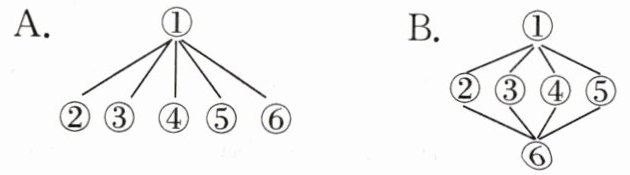
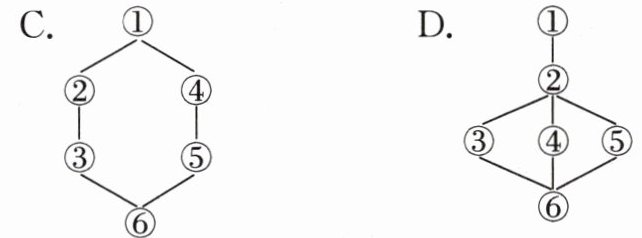
4. According to the passage, we can learn that
A. a neti pot is always used to keep warm
B. ginger is newly found to be good for health
C. kimchi is a main dish made from vegetables
D. umeboshi is salty and sour apricots Japanese like
5. The passage mainly wants to tell us that
A. people can catch a cold and the flu in many ways
B. natural remedies are helpful when people catch colds
C. Mother Nature's food can take the place of medicine
D. natural food helps people fight against all the illnesses
If you feel the cold, you should drink something warm. Add honey and lemon to hot water or tea. You will keep warm while you're drinking tea. In traditional Chinese medicine, ginger(姜)has been used for over two thousand years. A cup of ginger tea helps to increase the blood move and make you sweat through your body.
Garlic(大蒜)is a super food. Garlic helps to fight off germs(细菌)when eaten daily. It can reduce the number of colds you get each year and shorten cold symptoms. If you don't mind eating uncooked garlic, it's best to eat a few pieces every three to four hours when you feel the first signs of a cold.
It's no secret that salt gets rid of germs. For a sore throat, mix about half a teaspoon of salt into warm water and use it as a mouthwash. Whether it's for breakfast, lunch or dinner, the Japanese enjoy umeboshi, sour and salty apricots(杏子)that help keep the doctor away. Using a neti pot is an old practice from India that helps people breathe better. As a mixture of salt and water pours into the nose, the germs are cleared away.
Although cutting an onion can make you cry, it's good for a blocked nose. People in Mexico and Spain eat hot peppers to get their sense of smell back temporarily during a cold. Of course, you'd better be ready to experience a wave of heat! In Republic of Korea, kimchi(朝鲜泡菜)is a popular side dish that keeps people healthy. It's made from pickle vegetables, red hot sauce and sometimes garlic and ginger.
It is common to have a cold, and Mother Nature's remedies will be there for you to lower your pain when you need to fight against that cold!
1. The underlined word "It" in Paragraph 3 refers to
A
.A. the garlic
B. the germ
C. the cold
D. the symptom
2. This passage mentioned the natural remedies in
C
countries.A. four
B. five
C. six
D. seven
3. What would be the best structure of the passage?
4. According to the passage, we can learn that
D
.A. a neti pot is always used to keep warm
B. ginger is newly found to be good for health
C. kimchi is a main dish made from vegetables
D. umeboshi is salty and sour apricots Japanese like
5. The passage mainly wants to tell us that
B
.A. people can catch a cold and the flu in many ways
B. natural remedies are helpful when people catch colds
C. Mother Nature's food can take the place of medicine
D. natural food helps people fight against all the illnesses
答案
Passage 3
1. A 代词指代题。根据“Garlic helps to fight off germs(细菌)when eaten daily. It can reduce…shorten cold symptoms.”可知,每天吃大蒜有助于对抗细菌,它可以减少你每年感冒的次数,缩短感冒症状出现的时间。因此此处的It指代的是上文的Garlic。故选A。
2. C 细节理解题。根据全文可知,文中提到了6个国家的自然疗法:中国的生姜、大蒜和盐;日本的梅干;印度的鼻洗壶;墨西哥和西班牙的辣椒;韩国的泡菜。故选C。
3. B 篇章结构题。根据全文可知,文章第一段介绍了许多自然疗法都有助于减轻普通感冒的症状;第二至第五段分别介绍了生姜、大蒜、盐以及洋葱等的作用,属于并列关系;第六段是总结。故选B。
4. D 细节理解题。根据“Whether it's for breakfast…keep the doctor away.”可知,无论是早餐、午餐还是晚餐,日本人都喜欢吃梅干——酸而咸的杏子,来帮助预防疾病。选项D“梅干是日本人喜欢的酸而咸的杏子”符合原文。故选D。
5. B 主旨大意题。根据全文可知,文章介绍了对人的感冒有帮助的自然疗法。故选B。
1. A 代词指代题。根据“Garlic helps to fight off germs(细菌)when eaten daily. It can reduce…shorten cold symptoms.”可知,每天吃大蒜有助于对抗细菌,它可以减少你每年感冒的次数,缩短感冒症状出现的时间。因此此处的It指代的是上文的Garlic。故选A。
2. C 细节理解题。根据全文可知,文中提到了6个国家的自然疗法:中国的生姜、大蒜和盐;日本的梅干;印度的鼻洗壶;墨西哥和西班牙的辣椒;韩国的泡菜。故选C。
3. B 篇章结构题。根据全文可知,文章第一段介绍了许多自然疗法都有助于减轻普通感冒的症状;第二至第五段分别介绍了生姜、大蒜、盐以及洋葱等的作用,属于并列关系;第六段是总结。故选B。
4. D 细节理解题。根据“Whether it's for breakfast…keep the doctor away.”可知,无论是早餐、午餐还是晚餐,日本人都喜欢吃梅干——酸而咸的杏子,来帮助预防疾病。选项D“梅干是日本人喜欢的酸而咸的杏子”符合原文。故选D。
5. B 主旨大意题。根据全文可知,文章介绍了对人的感冒有帮助的自然疗法。故选B。
解析
【解析】
1. 代词指代题:根据第三段“Garlic helps to fight off germs(细菌)when eaten daily. It can reduce…shorten cold symptoms.”可知,It指代前文的Garlic,故选A。
2. 细节理解题:通读全文,文中提及了中国、日本、印度、墨西哥、西班牙、韩国共6个国家的自然疗法,故选C。
3. 篇章结构题:文章第一段总述自然疗法可减轻感冒症状;第二至第五段分别介绍不同的自然疗法,为并列关系;第六段总结全文,对应结构B。
4. 细节理解题:根据第四段“Whether it's for breakfast, lunch or dinner, the Japanese enjoy umeboshi, sour and salty apricots(杏子)that help keep the doctor away.”可知,umeboshi是日本人喜爱的酸咸杏子,选项D符合原文,故选D。
5. 主旨大意题:全文围绕能缓解感冒症状的自然疗法展开介绍,故选B。
【答案】
1. A
2. C
3. B
4. D
5. B
【知识点】
代词指代判断、细节信息查找、篇章主旨把握
【点评】
本文是一篇介绍缓解感冒症状的自然疗法的阅读理解,考查多种题型,解题需紧扣原文信息,掌握不同题型的解题技巧,准确提取关键内容作答。
【难度系数】
0.6
1. 代词指代题:根据第三段“Garlic helps to fight off germs(细菌)when eaten daily. It can reduce…shorten cold symptoms.”可知,It指代前文的Garlic,故选A。
2. 细节理解题:通读全文,文中提及了中国、日本、印度、墨西哥、西班牙、韩国共6个国家的自然疗法,故选C。
3. 篇章结构题:文章第一段总述自然疗法可减轻感冒症状;第二至第五段分别介绍不同的自然疗法,为并列关系;第六段总结全文,对应结构B。
4. 细节理解题:根据第四段“Whether it's for breakfast, lunch or dinner, the Japanese enjoy umeboshi, sour and salty apricots(杏子)that help keep the doctor away.”可知,umeboshi是日本人喜爱的酸咸杏子,选项D符合原文,故选D。
5. 主旨大意题:全文围绕能缓解感冒症状的自然疗法展开介绍,故选B。
【答案】
1. A
2. C
3. B
4. D
5. B
【知识点】
代词指代判断、细节信息查找、篇章主旨把握
【点评】
本文是一篇介绍缓解感冒症状的自然疗法的阅读理解,考查多种题型,解题需紧扣原文信息,掌握不同题型的解题技巧,准确提取关键内容作答。
【难度系数】
0.6
