

 登录
登录
Ⅲ. Read and answer the questions.
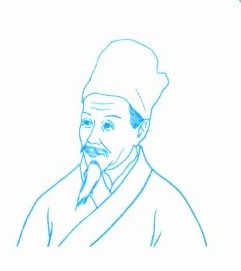
Li Shizhen (1518 - 1593): an explorer of Chinese medicine during China's Ming Dynasty.
Li Shizhen travelled across China, and carefully observed plants, animals and minerals. He tasted plants himself and talked to farmers and fishermen. He collected all his findings in a great book called Bencao Gangmu. Li Shizhen showed that if we explore nature carefully, we may find useful ways to help people.
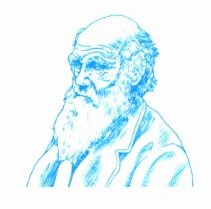
Charles Darwin (1809 - 1882): an English naturalist who changed how we understand life on earth.
As a young man, Darwin sailed around the world. During this five - year journey, he collected rocks, plants, and animals. After years of study, he found that if an animal or plant fits where it lives, it will stay alive and have babies. This is often called "survival of the fittest". Darwin proved that by asking "why".
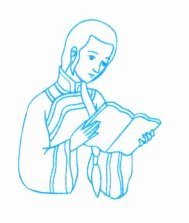
Wang Zhenyi (1768 - 1797): a Chinese astronomer from the Qing Dynasty.
Wang Zhenyi taught herself by reading her grandfather's books. She was interested in the sky. She used a lamp, a table, and a mirror, and even created a model to explain how lunar and solar eclipses worked. Wang Zhenyi showed that you don't need a nice lab to understand nature. If you're curious and think clearly, you can find the secrets of universe right in your backyard.
(
a. How did Li Shizhen explore nature?
b. What is "survival of the fittest"?
c. Who taught Wang Zhenyi to explore the universe?
d. How many plants, animals, and minerals did Li Shizhen discover?
A. acd
B. abc
C. abd
D. bcd
(
A. They taught themselves and kept learning all the time.
B. They developed strong interests in animals and plants.
C. Their curiosity helped them find the secrets of nature.
D. Their early experiences made it difficult to explore more.
Li Shizhen (1518 - 1593): an explorer of Chinese medicine during China's Ming Dynasty.
Li Shizhen travelled across China, and carefully observed plants, animals and minerals. He tasted plants himself and talked to farmers and fishermen. He collected all his findings in a great book called Bencao Gangmu. Li Shizhen showed that if we explore nature carefully, we may find useful ways to help people.
Charles Darwin (1809 - 1882): an English naturalist who changed how we understand life on earth.
As a young man, Darwin sailed around the world. During this five - year journey, he collected rocks, plants, and animals. After years of study, he found that if an animal or plant fits where it lives, it will stay alive and have babies. This is often called "survival of the fittest". Darwin proved that by asking "why".
Wang Zhenyi (1768 - 1797): a Chinese astronomer from the Qing Dynasty.
Wang Zhenyi taught herself by reading her grandfather's books. She was interested in the sky. She used a lamp, a table, and a mirror, and even created a model to explain how lunar and solar eclipses worked. Wang Zhenyi showed that you don't need a nice lab to understand nature. If you're curious and think clearly, you can find the secrets of universe right in your backyard.
(
B
)1. Which of the following are mentioned?a. How did Li Shizhen explore nature?
b. What is "survival of the fittest"?
c. Who taught Wang Zhenyi to explore the universe?
d. How many plants, animals, and minerals did Li Shizhen discover?
A. acd
B. abc
C. abd
D. bcd
(
C
)2. What did the three people have in common?A. They taught themselves and kept learning all the time.
B. They developed strong interests in animals and plants.
C. Their curiosity helped them find the secrets of nature.
D. Their early experiences made it difficult to explore more.
答案
Ⅲ. 1. B 2. C
解析
【解析】
1. 第1题:
a项:文中详细描述了李时珍通过游历中国、观察动植物和矿物、亲口尝植物、与农民渔民交流的方式探索自然,该项内容被提及;
b项:文中解释了“适者生存”是指动植物若适应生存环境就能存活并繁衍,该项内容被提及;
c项:文中提到王贞仪通过阅读祖父的书籍自学,回应了“谁教王贞仪探索宇宙”的问题,该项内容被提及;
d项:文中未提及李时珍发现的动植物和矿物的具体数量,该项未被提及。因此选B。
2. 第2题:
A选项:只有王贞仪是自学,李时珍和达尔文未提及自学经历,不符合;
B选项:王贞仪是天文学家,主要对天空感兴趣,并非动植物,不符合;
C选项:李时珍仔细探索自然、达尔文通过提问“为什么”开展研究、王贞仪凭借好奇心和清晰思考探索宇宙,三人的好奇心都帮助他们发现自然的秘密,符合;
D选项:文中未提及三人早期经历阻碍探索,不符合。因此选C。
【答案】
1. B 2. C
【知识点】
阅读理解细节查找、归纳推理判断
【点评】
本题通过介绍三位中外科学家的事迹,考查学生对文本细节信息的提取能力和归纳共性的推理能力,需要学生精准比对选项与原文内容,避免主观臆断。
【难度系数】
0.6
1. 第1题:
a项:文中详细描述了李时珍通过游历中国、观察动植物和矿物、亲口尝植物、与农民渔民交流的方式探索自然,该项内容被提及;
b项:文中解释了“适者生存”是指动植物若适应生存环境就能存活并繁衍,该项内容被提及;
c项:文中提到王贞仪通过阅读祖父的书籍自学,回应了“谁教王贞仪探索宇宙”的问题,该项内容被提及;
d项:文中未提及李时珍发现的动植物和矿物的具体数量,该项未被提及。因此选B。
2. 第2题:
A选项:只有王贞仪是自学,李时珍和达尔文未提及自学经历,不符合;
B选项:王贞仪是天文学家,主要对天空感兴趣,并非动植物,不符合;
C选项:李时珍仔细探索自然、达尔文通过提问“为什么”开展研究、王贞仪凭借好奇心和清晰思考探索宇宙,三人的好奇心都帮助他们发现自然的秘密,符合;
D选项:文中未提及三人早期经历阻碍探索,不符合。因此选C。
【答案】
1. B 2. C
【知识点】
阅读理解细节查找、归纳推理判断
【点评】
本题通过介绍三位中外科学家的事迹,考查学生对文本细节信息的提取能力和归纳共性的推理能力,需要学生精准比对选项与原文内容,避免主观臆断。
【难度系数】
0.6
