

 登录
登录
一、用所给词的适当形式填空。
1. [江苏南京]The woman was very
2. [江苏无锡]The lion became
3. [江苏徐州]The boy is
4. [江苏常州]Helen is a
5. [江苏常州]Yang Ling is a
1. [江苏南京]The woman was very
sad
. She was crying sadly
. (sad)2. [江苏无锡]The lion became
angry
. He shouted angrily
. (angry)3. [江苏徐州]The boy is
excited
about the exciting
football match. (excited)4. [江苏常州]Helen is a
happy
girl. Look! She is dancing happily
. (happy)5. [江苏常州]Yang Ling is a
quiet
girl. She is reading a book quietly
. (quiet)答案
一、1. sad;sadly 2. angry;angrily
3. excited;exciting 4. happy;happily
5. quiet;quietly
3. excited;exciting 4. happy;happily
5. quiet;quietly
解析
【分析】
解题思路:首先明确形容词和副词的核心用法:形容词可在be动词、系动词后作表语,或直接修饰名词;副词专门用于修饰动词,通常放在动词之后。再结合每道题的句子结构,判断每个空缺处需要的词性:1题第一空在be动词后,需用形容词;第二空修饰动词,需用副词。2题第一空在系动词后,需用形容词;第二空修饰动词,需用副词。3题第一空是固定搭配,用对应形容词;第二空修饰名词,需用形容词(修饰物)。4题第一空修饰名词,用形容词;第二空修饰动词,用副词。5题第一空修饰名词,用形容词;第二空修饰动词,用副词。
【解析】
1. 第一空位于be动词was后,需用形容词作表语,故填sad;第二空修饰动词crying,需用副词,故填sadly。
2. 第一空位于系动词became后,需用形容词作表语,故填angry;第二空修饰动词shouted,需用副词,故填angrily。
3. 第一空为固定搭配be excited about,用形容词excited(修饰人);第二空修饰名词football match(物),需用形容词exciting,故依次填excited、exciting。
4. 第一空修饰名词girl,需用形容词,故填happy;第二空修饰动词dancing,需用副词,故填happily。
5. 第一空修饰名词girl,需用形容词,故填quiet;第二空修饰动词reading,需用副词,故填quietly。
【答案】
一、1. sad;sadly 2. angry;angrily
3. excited;exciting 4. happy;happily
5. quiet;quietly
【知识点】
形容词的用法,副词的用法,形容词与副词转换
【点评】
本题考查英语词性转换的基础考点,聚焦形容词和副词的语法功能,要求学生明确两者的修饰对象差异,是英语学习中需熟练掌握的基础内容,难度较低。
【难度系数】
0.8
解题思路:首先明确形容词和副词的核心用法:形容词可在be动词、系动词后作表语,或直接修饰名词;副词专门用于修饰动词,通常放在动词之后。再结合每道题的句子结构,判断每个空缺处需要的词性:1题第一空在be动词后,需用形容词;第二空修饰动词,需用副词。2题第一空在系动词后,需用形容词;第二空修饰动词,需用副词。3题第一空是固定搭配,用对应形容词;第二空修饰名词,需用形容词(修饰物)。4题第一空修饰名词,用形容词;第二空修饰动词,用副词。5题第一空修饰名词,用形容词;第二空修饰动词,用副词。
【解析】
1. 第一空位于be动词was后,需用形容词作表语,故填sad;第二空修饰动词crying,需用副词,故填sadly。
2. 第一空位于系动词became后,需用形容词作表语,故填angry;第二空修饰动词shouted,需用副词,故填angrily。
3. 第一空为固定搭配be excited about,用形容词excited(修饰人);第二空修饰名词football match(物),需用形容词exciting,故依次填excited、exciting。
4. 第一空修饰名词girl,需用形容词,故填happy;第二空修饰动词dancing,需用副词,故填happily。
5. 第一空修饰名词girl,需用形容词,故填quiet;第二空修饰动词reading,需用副词,故填quietly。
【答案】
一、1. sad;sadly 2. angry;angrily
3. excited;exciting 4. happy;happily
5. quiet;quietly
【知识点】
形容词的用法,副词的用法,形容词与副词转换
【点评】
本题考查英语词性转换的基础考点,聚焦形容词和副词的语法功能,要求学生明确两者的修饰对象差异,是英语学习中需熟练掌握的基础内容,难度较低。
【难度系数】
0.8
二、[江苏淮安]根据中文提示完成句子。
1. “我怎样才能出去呢?”狮子难过地问。
“How can I
2. 这只狮子生气了,想要吃那只老鼠。
The lion
3. “我可以在某一天帮助你。”老鼠小声地说。
“I can
4. 那个小女孩在昨天的派对上开心地唱歌。
The
5. 孩子们正在操场上兴奋地喊叫。
The children
1. “我怎样才能出去呢?”狮子难过地问。
“How can I
get
out
?” asked the lion sadly
.2. 这只狮子生气了,想要吃那只老鼠。
The lion
was
angry
and wanted to eat
the mouse.3. “我可以在某一天帮助你。”老鼠小声地说。
“I can
help
you some
day
,” said the mouse quietly
.4. 那个小女孩在昨天的派对上开心地唱歌。
The
little
girl sang
happily
at the party yesterday.5. 孩子们正在操场上兴奋地喊叫。
The children
are
shouting
excitedly
in the playground.答案
二、1. get out;sadly
2. was angry;eat
3. help;some day;quietly
4. little;sang happily
5. are shouting excitedly
2. was angry;eat
3. help;some day;quietly
4. little;sang happily
5. are shouting excitedly
解析
【分析】本题为根据中文提示完成句子的题型,需结合句意、语法规则(时态、词性变化)及固定搭配填写空缺。解题时先理解每句中文含义,再对应英语常用表达:如“出去”对应固定短语,修饰动词需用副词,时态根据时间标志判断,现在进行时需用“be+动词ing”结构等。
【解析】1. 第一句“出去”对应固定短语get out,修饰动词asked需用副词sadly,故填get out;sadly。2. 第二句“生气了”用一般过去时,be动词用was,即was angry;want to后接动词原形,“吃”对应eat,故填was angry;eat。3. 第三句“帮助”对应help;“某一天”对应some day;修饰动词said用副词quietly,故填help;some day;quietly。4. 第四句“小女孩”对应little girl;时间状语yesterday表明用一般过去时,“开心地唱歌”对应sang happily,故填little;sang happily。5. 第五句“正在喊叫”用现在进行时,主语children为复数,be动词用are,即are shouting;修饰动词用副词excitedly,故填are shouting;excitedly。
【答案】二、1. get out;sadly
2. was angry;eat
3. help;some day;quietly
4. little;sang happily
5. are shouting excitedly
【知识点】动词短语、时态运用、副词用法
【点评】本题考查基础英语表达,涵盖常用短语、时态及副词的使用,是英语学习中的基础题型,需学生熟练掌握相关语法和词汇。
【难度系数】0.6
【解析】1. 第一句“出去”对应固定短语get out,修饰动词asked需用副词sadly,故填get out;sadly。2. 第二句“生气了”用一般过去时,be动词用was,即was angry;want to后接动词原形,“吃”对应eat,故填was angry;eat。3. 第三句“帮助”对应help;“某一天”对应some day;修饰动词said用副词quietly,故填help;some day;quietly。4. 第四句“小女孩”对应little girl;时间状语yesterday表明用一般过去时,“开心地唱歌”对应sang happily,故填little;sang happily。5. 第五句“正在喊叫”用现在进行时,主语children为复数,be动词用are,即are shouting;修饰动词用副词excitedly,故填are shouting;excitedly。
【答案】二、1. get out;sadly
2. was angry;eat
3. help;some day;quietly
4. little;sang happily
5. are shouting excitedly
【知识点】动词短语、时态运用、副词用法
【点评】本题考查基础英语表达,涵盖常用短语、时态及副词的使用,是英语学习中的基础题型,需学生熟练掌握相关语法和词汇。
【难度系数】0.6
三、根据首字母提示填空。
1. [江苏苏州]The mouse b
2. [江苏扬州]The lion laughed loudly and l
3. [江苏泰州]My mother w
4. [江苏泰州]Just t
1. [江苏苏州]The mouse b
it
the net with his teeth, but that didn’t help.2. [江苏扬州]The lion laughed loudly and l
et
the mouse go.3. [江苏泰州]My mother w
oke
me up yesterday morning.4. [江苏泰州]Just t
hen
, we played in the playground.答案
三、1. bit 2. let 3. woke 4. then
解析
【分析】
首先观察所有句子的时态,均为一般过去时(由didn’t help、yesterday morning、played等过去时间标志词或动词形式判断),因此需填写动词的过去式或符合句意的副词,结合首字母提示逐一推导:1. 句意“老鼠用牙齿咬网”,对应动词“咬”的过去式,首字母b;2. 句意“狮子大笑并放了老鼠”,对应动词“放”的过去式,首字母l;3. 由yesterday morning可知为过去时态,对应短语“叫醒”的过去式,首字母w;4. 结合语境需填时间副词,首字母t。
【解析】
1. 句子为一般过去时,谓语动词需用过去式,“咬”的英文是bite,过去式为bit,符合首字母b及句意;
2. 一般过去时中,“让”的英文是let,过去式与原形相同,符合“let sb go(放某人走)”的固定搭配,首字母l匹配;
3. 由yesterday morning确定为过去时态,“叫醒”是wake up,过去式为woke,首字母w符合要求;
4. 结合语境“我们在操场玩”,需填表示时间的副词,then(那时)符合“just then(就在那时)”的用法,首字母t匹配。
【答案】
三、1. bit 2. let 3. woke 4. then
【知识点】
一般过去时,动词过去式
【点评】
本题考查一般过去时的动词过去式及常用副词的运用,解题关键是先判断时态,再结合首字母和句意推导,属于基础词汇运用题。
【难度系数】
0.3
首先观察所有句子的时态,均为一般过去时(由didn’t help、yesterday morning、played等过去时间标志词或动词形式判断),因此需填写动词的过去式或符合句意的副词,结合首字母提示逐一推导:1. 句意“老鼠用牙齿咬网”,对应动词“咬”的过去式,首字母b;2. 句意“狮子大笑并放了老鼠”,对应动词“放”的过去式,首字母l;3. 由yesterday morning可知为过去时态,对应短语“叫醒”的过去式,首字母w;4. 结合语境需填时间副词,首字母t。
【解析】
1. 句子为一般过去时,谓语动词需用过去式,“咬”的英文是bite,过去式为bit,符合首字母b及句意;
2. 一般过去时中,“让”的英文是let,过去式与原形相同,符合“let sb go(放某人走)”的固定搭配,首字母l匹配;
3. 由yesterday morning确定为过去时态,“叫醒”是wake up,过去式为woke,首字母w符合要求;
4. 结合语境“我们在操场玩”,需填表示时间的副词,then(那时)符合“just then(就在那时)”的用法,首字母t匹配。
【答案】
三、1. bit 2. let 3. woke 4. then
【知识点】
一般过去时,动词过去式
【点评】
本题考查一般过去时的动词过去式及常用副词的运用,解题关键是先判断时态,再结合首字母和句意推导,属于基础词汇运用题。
【难度系数】
0.3
四、[江苏镇江]阅读故事,将下列句子按照故事的发展顺序排序。
One summer holiday, I was in the forest by myself. I went down to fish in the river. Soon I got a big fish. Then I heard a great noise. There, right behind me, sat a big brown bear! Wild (野生的) animals are afraid of any quick move. So I moved very slowly. The bear watched me. But he sat still. I took the fish and threw (扔) it to him. He ate it at once (立刻).
“Now what am I going to do? I’d better go on fishing,” I thought. The bear thought so too. Soon I got another fish. I went over to him and put the fish into his big red mouth. I fished and fished—all for him. At first, I was afraid to do it. Then I began to like doing it. He was so friendly.
When the evening came, the bear stood up and turned away from me.
(
(
(
(
(
(
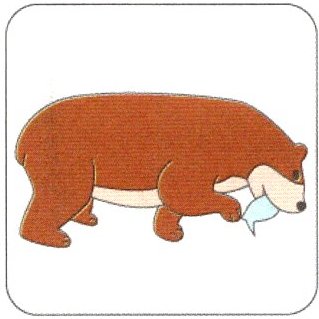
One summer holiday, I was in the forest by myself. I went down to fish in the river. Soon I got a big fish. Then I heard a great noise. There, right behind me, sat a big brown bear! Wild (野生的) animals are afraid of any quick move. So I moved very slowly. The bear watched me. But he sat still. I took the fish and threw (扔) it to him. He ate it at once (立刻).
“Now what am I going to do? I’d better go on fishing,” I thought. The bear thought so too. Soon I got another fish. I went over to him and put the fish into his big red mouth. I fished and fished—all for him. At first, I was afraid to do it. Then I began to like doing it. He was so friendly.
When the evening came, the bear stood up and turned away from me.
(
2
)Soon I got a big fish. Then I heard a great noise.(
4
)I took the fish and threw it to the bear. He ate it at once.(
3
)A big brown bear sat right behind me!(
5
)I fished and fished and put the fish into the bear’s big red mouth.(
6
)When the evening came, the bear stood up and turned away from me.(
1
)One summer holiday I went fishing in the river in the forest.答案
四、2 4 3 5 6 1
解析
【分析】首先通读所有待排序的句子,理解每句描述的事件,再依据故事的时间发展顺序梳理逻辑:故事以“暑假去森林钓鱼”开篇,接着是“钓到鱼听到声响”,然后是“发现身后的熊”,之后是“扔鱼给熊”,再是“多次钓鱼喂熊”,最后是“傍晚熊离开”,据此匹配各句子的位置。
【解析】先确定故事起始句:“One summer holiday I went fishing in the river in the forest.”是故事开头,对应括号序号1;接下来是“Soon I got a big fish. Then I heard a great noise.”(事件发展第一步),对应括号序号2;然后是“A big brown bear sat right behind me!”(发现熊),对应括号序号3;接着是“I took the fish and threw it to the bear. He ate it at once.”(第一次喂熊),对应括号序号4;再是“I fished and fished and put the fish into the bear’s big red mouth.”(多次喂熊),对应括号序号5;最后是“When the evening came, the bear stood up and turned away from me.”(故事结尾),对应括号序号6。因此排序为2、4、3、5、6、1。
【答案】2 4 3 5 6 1
【知识点】阅读理解、故事排序
【点评】本题考查对故事发展顺序的梳理能力,需理清事件的先后逻辑,难度适中。
【难度系数】0.6
【解析】先确定故事起始句:“One summer holiday I went fishing in the river in the forest.”是故事开头,对应括号序号1;接下来是“Soon I got a big fish. Then I heard a great noise.”(事件发展第一步),对应括号序号2;然后是“A big brown bear sat right behind me!”(发现熊),对应括号序号3;接着是“I took the fish and threw it to the bear. He ate it at once.”(第一次喂熊),对应括号序号4;再是“I fished and fished and put the fish into the bear’s big red mouth.”(多次喂熊),对应括号序号5;最后是“When the evening came, the bear stood up and turned away from me.”(故事结尾),对应括号序号6。因此排序为2、4、3、5、6、1。
【答案】2 4 3 5 6 1
【知识点】阅读理解、故事排序
【点评】本题考查对故事发展顺序的梳理能力,需理清事件的先后逻辑,难度适中。
【难度系数】0.6
