

 登录
登录
一、根据句意及中英文提示填写单词
1. Nie Er is one of the greatest
2. The river serves as a natural
3. Every traditional culture has its own
4. The song is
1. Nie Er is one of the greatest
composers
(作曲家) in China.2. The river serves as a natural
boundary
(界限) between the two villages.3. Every traditional culture has its own
unique
(独一无二的) features.4. The song is
familiar
(熟悉的) to me, but I can't remember the singer's name.答案
1. composers 2. boundary 3. unique 4. familiar
解析
【分析】
做这类题时,首先要理解句子的语境,再结合括号内的中文提示确定所需单词的词义,同时注意单词的正确形式(如名词单复数、词性变化等),确保填入的单词符合句子语法和语义要求。
【解析】
1. 句意为“聂耳是中国最伟大的作曲家之一”,“one of + 形容词最高级 + 可数名词复数”是固定结构,“作曲家”对应的英文是composer,此处需用复数形式composers;
2. 句意为“这条河是两个村庄之间的天然界限”,形容词natural后需接名词,“界限”对应的英文是boundary;
3. 句意为“每个传统文化都有自己独一无二的特征”,此处修饰名词features需用形容词,“独一无二的”对应的英文是unique;
4. 固定搭配“be familiar to sb”表示“为某人所熟悉”,结合句意“这首歌对我来说很熟悉,但我记不起歌手的名字”,此处填familiar。
【答案】
1. composers 2. boundary 3. unique 4. familiar
【知识点】
单词拼写、名词复数、形容词用法
【点评】
本题考查基础词汇的运用,涉及名词单复数、形容词及固定搭配,是英语学习的基础题型,注重词汇的词义和形式掌握,难度适中。
【难度系数】
0.8
做这类题时,首先要理解句子的语境,再结合括号内的中文提示确定所需单词的词义,同时注意单词的正确形式(如名词单复数、词性变化等),确保填入的单词符合句子语法和语义要求。
【解析】
1. 句意为“聂耳是中国最伟大的作曲家之一”,“one of + 形容词最高级 + 可数名词复数”是固定结构,“作曲家”对应的英文是composer,此处需用复数形式composers;
2. 句意为“这条河是两个村庄之间的天然界限”,形容词natural后需接名词,“界限”对应的英文是boundary;
3. 句意为“每个传统文化都有自己独一无二的特征”,此处修饰名词features需用形容词,“独一无二的”对应的英文是unique;
4. 固定搭配“be familiar to sb”表示“为某人所熟悉”,结合句意“这首歌对我来说很熟悉,但我记不起歌手的名字”,此处填familiar。
【答案】
1. composers 2. boundary 3. unique 4. familiar
【知识点】
单词拼写、名词复数、形容词用法
【点评】
本题考查基础词汇的运用,涉及名词单复数、形容词及固定搭配,是英语学习的基础题型,注重词汇的词义和形式掌握,难度适中。
【难度系数】
0.8
二、用所给单词的适当形式填空
1. The music at the party
2. He went on
3. Driving safety can be realized by
4. A medal
5. Ang Lee, as a director, is famous for
1. The music at the party
was written
(write) by my father.2. He went on
to study
(study) in the USA after graduating from university.3. Driving safety can be realized by
controlling
(control) the speed of the car.4. A medal
was presented
(present) to the pop star at the ceremony yesterday.5. Ang Lee, as a director, is famous for
winning
(win) an Oscar for his film Crouching Tiger, Hidden Dragon.答案
1. was written 2. to study 3. controlling
4. was presented 5. winning
4. was presented 5. winning
解析
【分析】
本题为英语用所给单词适当形式填空题型,需结合语法规则、固定搭配及语态知识解题:
1. 第1题:主语是动作承受者,需用被动语态,结合过去时间确定时态;
2. 第2题:区分go on to do与go on doing的用法,判断是不同动作的衔接;
3. 第3题:by为介词,后接动词动名词形式;
4. 第4题:主语是动作承受者,结合过去时间用一般过去时被动语态;
5. 第5题:be famous for中for为介词,后接动名词。
【解析】
1. 主语the music是动作write的承受者,需用被动语态,时间状语表过去,故用一般过去时被动语态,结构为was/were+过去分词,music为单数,填was written;
2. 固定搭配go on to do sth表示“做完某事之后接着做另一件不同的事”,此处毕业后去美国学习是新动作,故填to study;
3. by是介词,介词后接动词动名词形式,control的动名词为controlling,填controlling;
4. 主语a medal是动作present的承受者,时间状语yesterday表过去,用一般过去时被动语态,medal为单数,填was presented;
5. be famous for中for为介词,后接动词动名词形式,win的动名词为winning,填winning。
【答案】
1. was written 2. to study 3. controlling 4. was presented 5. winning
【知识点】
一般过去时被动语态;非谓语动词;固定搭配
【点评】
本题考查初中英语核心语法点,涵盖被动语态、非谓语动词及固定搭配,需准确掌握相关规则,是基础巩固题型。
【难度系数】
0.5
本题为英语用所给单词适当形式填空题型,需结合语法规则、固定搭配及语态知识解题:
1. 第1题:主语是动作承受者,需用被动语态,结合过去时间确定时态;
2. 第2题:区分go on to do与go on doing的用法,判断是不同动作的衔接;
3. 第3题:by为介词,后接动词动名词形式;
4. 第4题:主语是动作承受者,结合过去时间用一般过去时被动语态;
5. 第5题:be famous for中for为介词,后接动名词。
【解析】
1. 主语the music是动作write的承受者,需用被动语态,时间状语表过去,故用一般过去时被动语态,结构为was/were+过去分词,music为单数,填was written;
2. 固定搭配go on to do sth表示“做完某事之后接着做另一件不同的事”,此处毕业后去美国学习是新动作,故填to study;
3. by是介词,介词后接动词动名词形式,control的动名词为controlling,填controlling;
4. 主语a medal是动作present的承受者,时间状语yesterday表过去,用一般过去时被动语态,medal为单数,填was presented;
5. be famous for中for为介词,后接动词动名词形式,win的动名词为winning,填winning。
【答案】
1. was written 2. to study 3. controlling 4. was presented 5. winning
【知识点】
一般过去时被动语态;非谓语动词;固定搭配
【点评】
本题考查初中英语核心语法点,涵盖被动语态、非谓语动词及固定搭配,需准确掌握相关规则,是基础巩固题型。
【难度系数】
0.5
三、跨学科 昆曲的魅力与新生(2025·贵州中考)阅读理解
词数:271 体裁:说明文 核心素养:文化意识
话题:昆曲 难度:中 建议用时:7分钟
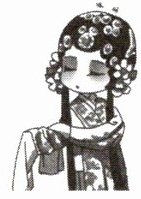
What makes an art form last for over 600 years? Kunqu Opera, one of China’s oldest and most beautiful traditional operas, has done just that. However, like many traditional Chinese art forms, Kunqu Opera once faced challenges. Modern culture, like pop music and movies, took the center stage, and fewer young people were interested in Kunqu Opera.
But things are changing now. With schools teaching traditional art and performers using social media, a new generation has started discovering the beauty of Kunqu through online videos and live shows.
Fang Qian is one of these young fans. “Kunqu Opera is like a seed(种子) that grows as I learn more about it”, she says. “The more I study it, the more I discover about other parts of Chinese culture, like literature(文学), calligraphy, music, and painting. This helps me understand my cultural roots(根) gradually.”
Fu Jin, a professor at the National Academy of Chinese Theater Arts(中国戏曲学院), explains why Kunqu Opera is so special. “Among all Chinese operas, Kunqu Opera is one of the most beautiful and well-known,” he says. “It shows many parts of traditional Chinese culture, such as ways of thinking, social values, and lifestyles.” What cheers Professor Fu is that more young people are now falling in love with Kunqu Opera. They find it beautiful and amazing.
Today, Kunqu Opera is not just a part of history—it’s a living treasure that connects us with China’s rich culture. I believe it will become popular at home and abroad with growing support from the youth.
1. What challenge did Kunqu Opera face?
A. Young people showed less interest in it.
B. There were fewer and fewer Kunqu Opera performances.
C. People had little chance to know about it.
2. 新考法 推断代词指代 The underlined word “This” in Paragraph 3 probably refers to
A. planting a seed
B. sharing videos online
C. learning more about Kunqu Opera
3. 新考法 推断段落大意 What does the fourth paragraph mainly talk about?
A. The place where Kunqu Opera was born.
B. The stories that Kunqu Opera tells.
C. The reasons why Kunqu Opera is special.
4. 新考法 推断作者写作意图 What is the writer’s purpose of writing the text?
A. To show how the writer loves Kunqu Opera.
B. To explain why Kunqu Opera is difficult to learn.
C. To encourage more people to learn about Kunqu Opera.
词数:271 体裁:说明文 核心素养:文化意识
话题:昆曲 难度:中 建议用时:7分钟
What makes an art form last for over 600 years? Kunqu Opera, one of China’s oldest and most beautiful traditional operas, has done just that. However, like many traditional Chinese art forms, Kunqu Opera once faced challenges. Modern culture, like pop music and movies, took the center stage, and fewer young people were interested in Kunqu Opera.
But things are changing now. With schools teaching traditional art and performers using social media, a new generation has started discovering the beauty of Kunqu through online videos and live shows.
Fang Qian is one of these young fans. “Kunqu Opera is like a seed(种子) that grows as I learn more about it”, she says. “The more I study it, the more I discover about other parts of Chinese culture, like literature(文学), calligraphy, music, and painting. This helps me understand my cultural roots(根) gradually.”
Fu Jin, a professor at the National Academy of Chinese Theater Arts(中国戏曲学院), explains why Kunqu Opera is so special. “Among all Chinese operas, Kunqu Opera is one of the most beautiful and well-known,” he says. “It shows many parts of traditional Chinese culture, such as ways of thinking, social values, and lifestyles.” What cheers Professor Fu is that more young people are now falling in love with Kunqu Opera. They find it beautiful and amazing.
Today, Kunqu Opera is not just a part of history—it’s a living treasure that connects us with China’s rich culture. I believe it will become popular at home and abroad with growing support from the youth.
1. What challenge did Kunqu Opera face?
A. Young people showed less interest in it.
B. There were fewer and fewer Kunqu Opera performances.
C. People had little chance to know about it.
2. 新考法 推断代词指代 The underlined word “This” in Paragraph 3 probably refers to
C
.A. planting a seed
B. sharing videos online
C. learning more about Kunqu Opera
3. 新考法 推断段落大意 What does the fourth paragraph mainly talk about?
A. The place where Kunqu Opera was born.
B. The stories that Kunqu Opera tells.
C. The reasons why Kunqu Opera is special.
4. 新考法 推断作者写作意图 What is the writer’s purpose of writing the text?
A. To show how the writer loves Kunqu Opera.
B. To explain why Kunqu Opera is difficult to learn.
C. To encourage more people to learn about Kunqu Opera.
答案
[文章大意]本文介绍了中国古老的传统艺术形式昆曲面临的挑战及其复兴,通过教育和社会媒体的推广,年轻一代重新发现了昆曲的美,并探讨了昆曲作为连接中国丰富文化的活态瑰宝的意义。
1. A [解析]细节理解题。根据“Modern culture, like pop music and movies, took the center stage, and fewer young people were interested in Kunqu Opera.”可知,昆曲面临的挑战是年轻人对它的兴趣减少。故选A。
→ be/get interested in=have interest in 对……感兴趣
2. C [解析]代词指代题。根据“The more I study it, the more I discover about other parts of Chinese culture... This helps me understand my cultural roots (根) gradually.”可知,“This”指代的是“学习更多关于昆曲的知识”。故选C。
3. C [解析]段落大意题。根据“explains why Kunqu Opera is so special”可知,第四段主要讲述了傅谨教授对昆曲特殊性的解释,包括它展现的中国传统文化多个方面。故选C。
4. C [解析]写作意图题。文章通过描述昆曲的复兴和年轻人对它的重新认识,旨在鼓励更多人了解昆曲。故选C。
1. A [解析]细节理解题。根据“Modern culture, like pop music and movies, took the center stage, and fewer young people were interested in Kunqu Opera.”可知,昆曲面临的挑战是年轻人对它的兴趣减少。故选A。
→ be/get interested in=have interest in 对……感兴趣
2. C [解析]代词指代题。根据“The more I study it, the more I discover about other parts of Chinese culture... This helps me understand my cultural roots (根) gradually.”可知,“This”指代的是“学习更多关于昆曲的知识”。故选C。
3. C [解析]段落大意题。根据“explains why Kunqu Opera is so special”可知,第四段主要讲述了傅谨教授对昆曲特殊性的解释,包括它展现的中国传统文化多个方面。故选C。
4. C [解析]写作意图题。文章通过描述昆曲的复兴和年轻人对它的重新认识,旨在鼓励更多人了解昆曲。故选C。
解析
【分析】
这是一篇关于昆曲的英语说明文阅读理解,包含4道不同类型的题目:细节理解题、代词指代题、段落大意题、写作意图题。解题时,细节题需定位原文对应信息;代词指代题需联系前文内容,明确指代核心事物;段落大意题需抓取段落主题句;写作意图题需结合全文主旨判断作者目的。
【解析】
1. 细节理解题:根据原文第一段最后一句“Modern culture, like pop music and movies, took the center stage, and fewer young people were interested in Kunqu Opera.”可知,昆曲面临的挑战是年轻人对它的兴趣减少,对应选项A。
2. 代词指代题:第三段中,Fang Qian提到“The more I study it, the more I discover about other parts of Chinese culture... This helps me understand my cultural roots gradually.”,此处“This”指代前文的“学习更多关于昆曲的知识”,对应选项C。
3. 段落大意题:第四段开头明确“Fu Jin... explains why Kunqu Opera is so special”,整段围绕昆曲的特殊性展开说明,对应选项C。
4. 写作意图题:全文介绍昆曲的现状、文化价值,强调其作为活态文化瑰宝的意义,目的是鼓励更多人了解昆曲,对应选项C。
【答案】
1.A 2.C 3.C 4.C
【知识点】
英语阅读理解解题技巧、代词指代推断、段落大意概括
【点评】
本题为跨学科中考英语题,融合昆曲传统文化内容,考查多种阅读题型,注重文化意识培养,符合中考命题要求,难度适中。
【难度系数】
0.5
这是一篇关于昆曲的英语说明文阅读理解,包含4道不同类型的题目:细节理解题、代词指代题、段落大意题、写作意图题。解题时,细节题需定位原文对应信息;代词指代题需联系前文内容,明确指代核心事物;段落大意题需抓取段落主题句;写作意图题需结合全文主旨判断作者目的。
【解析】
1. 细节理解题:根据原文第一段最后一句“Modern culture, like pop music and movies, took the center stage, and fewer young people were interested in Kunqu Opera.”可知,昆曲面临的挑战是年轻人对它的兴趣减少,对应选项A。
2. 代词指代题:第三段中,Fang Qian提到“The more I study it, the more I discover about other parts of Chinese culture... This helps me understand my cultural roots gradually.”,此处“This”指代前文的“学习更多关于昆曲的知识”,对应选项C。
3. 段落大意题:第四段开头明确“Fu Jin... explains why Kunqu Opera is so special”,整段围绕昆曲的特殊性展开说明,对应选项C。
4. 写作意图题:全文介绍昆曲的现状、文化价值,强调其作为活态文化瑰宝的意义,目的是鼓励更多人了解昆曲,对应选项C。
【答案】
1.A 2.C 3.C 4.C
【知识点】
英语阅读理解解题技巧、代词指代推断、段落大意概括
【点评】
本题为跨学科中考英语题,融合昆曲传统文化内容,考查多种阅读题型,注重文化意识培养,符合中考命题要求,难度适中。
【难度系数】
0.5
