

 登录
登录
C KEY→P26
范畴:人与自然 主题:人与动物 体裁:新闻报道 难度:★★★★ 建议用时:6分钟 评价:/4
Scientists have discovered that a male humpback whale(座头鲸) travelled over 8,100 miles across three oceans. The journey is the longest known trip for a humpback whale. It's likely that the whale made the trip in search of a mate.
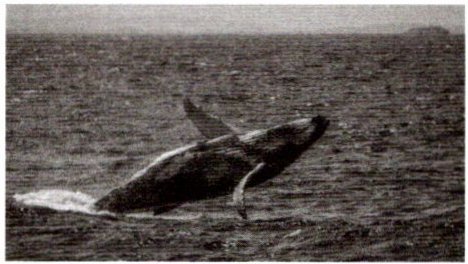
Humpback whales are known for covering long distances. They swim from warmer waters where they mate and have babies to colder areas where they feed. This can mean journeys of over 5,000 miles. But normally, these trips are made between north and south. And once whales become adults, they seldom change their habits.
But one whale made a very different kind of trip. In July 2013, a male humpback whale was seen in the Pacific Ocean, off the coast of Colombia. In 2017, the whale was again seen near Colombia. But in 2022, scientists saw the same whale on the other side of the world, near Zanzibar in the Indian Ocean.
By finding the shortest distance between the starting point and final point, scientists believe that the whale travelled at least 8,106 miles. In fact, it's likely that the whale travelled farther.
The scientists made the discovery using information from a website called happywhale.com. Happywhale collects photos of whale tails, which are called "flukes". Every whale's fluke has its own special pattern of marks that can be used to recognise it, similar to the way fingerprints can be used to recognise humans.
Happywhale has more than 900,000 pictures of flukes from around the world. Scientists use the website to learn more about the movement and action of whales.
Ted Cheeseman, the scientist who created Happywhale, says when they first noticed that the humpback had travelled so far, their first thought was, "This is a mistake." But there was no mistake. It was the longest known journey for a humpback whale, and crossed at least three oceans. In a report, the researchers studied why the whale might have made such a long trip.
Both in 2013 and 2022, when the whale was seen, it was part of a group of males competing for a female. The researchers say it's possible that the whale had to travel in order to have a better chance of finding a female mate.
素材来源: News For Kids
(
A. To get protected. B. To look for a mate.
C. To nurse its babies. D. To get enough food.
(
A. By listening to whales. B. By taking pictures of whales.
C. By sharing photos of whales. D. By studying photos of whale tails.
(新考法·行文方式 How does the writer end the passage?
A. By introducing the habits of the whale.
B. By showing the methods of studying whales.
C. By describing the relationship among whales.
D. By telling the purpose of the whale's long journey.
(
A. Scientists follow a whale by studying its tail
B. A humpback whale makes a record-setting trip
C. A humpback whale hangs out in different seas
D. Photos uncover mysteries of the whale's journey
范畴:人与自然 主题:人与动物 体裁:新闻报道 难度:★★★★ 建议用时:6分钟 评价:/4
Scientists have discovered that a male humpback whale(座头鲸) travelled over 8,100 miles across three oceans. The journey is the longest known trip for a humpback whale. It's likely that the whale made the trip in search of a mate.
Humpback whales are known for covering long distances. They swim from warmer waters where they mate and have babies to colder areas where they feed. This can mean journeys of over 5,000 miles. But normally, these trips are made between north and south. And once whales become adults, they seldom change their habits.
But one whale made a very different kind of trip. In July 2013, a male humpback whale was seen in the Pacific Ocean, off the coast of Colombia. In 2017, the whale was again seen near Colombia. But in 2022, scientists saw the same whale on the other side of the world, near Zanzibar in the Indian Ocean.
By finding the shortest distance between the starting point and final point, scientists believe that the whale travelled at least 8,106 miles. In fact, it's likely that the whale travelled farther.
The scientists made the discovery using information from a website called happywhale.com. Happywhale collects photos of whale tails, which are called "flukes". Every whale's fluke has its own special pattern of marks that can be used to recognise it, similar to the way fingerprints can be used to recognise humans.
Happywhale has more than 900,000 pictures of flukes from around the world. Scientists use the website to learn more about the movement and action of whales.
Ted Cheeseman, the scientist who created Happywhale, says when they first noticed that the humpback had travelled so far, their first thought was, "This is a mistake." But there was no mistake. It was the longest known journey for a humpback whale, and crossed at least three oceans. In a report, the researchers studied why the whale might have made such a long trip.
Both in 2013 and 2022, when the whale was seen, it was part of a group of males competing for a female. The researchers say it's possible that the whale had to travel in order to have a better chance of finding a female mate.
素材来源: News For Kids
(
B
)1. Why did the male humpback whale travel over 8,100 miles?A. To get protected. B. To look for a mate.
C. To nurse its babies. D. To get enough food.
(
D
)2. How do scientists recognise the humpback whale on the website?A. By listening to whales. B. By taking pictures of whales.
C. By sharing photos of whales. D. By studying photos of whale tails.
(
D
)3. A. By introducing the habits of the whale.
B. By showing the methods of studying whales.
C. By describing the relationship among whales.
D. By telling the purpose of the whale's long journey.
(
B
)4. What can be the best title for the text?A. Scientists follow a whale by studying its tail
B. A humpback whale makes a record-setting trip
C. A humpback whale hangs out in different seas
D. Photos uncover mysteries of the whale's journey
答案
科学家们发现,一头雄性座头鲸穿越了三个大洋,行程超过8 100英里,这是座头鲸已知最长的旅程。这头鲸长途迁徙的目的很可能是为了寻找配偶。
1. B 细节理解题。由第一段中“It's likely that the whale made the trip in search of a mate.”可知,这头鲸的目的是寻找配偶。
2. D 细节理解题。由第五段中“Happywhale collects photos of whale tails ... Every whale's fluke has its own special pattern of marks that can be used to recognise it ...”可知,科学家们通过研究鲸鱼尾巴的照片识别鲸鱼。
3. D 行文方式题。由结尾句“... it's possible that the whale had to travel in order to have a better chance of finding a female mate.”可知,本文通过讲述鲸鱼长途旅行的目的结束全文。
4. B 标题概括题。本文报道一头雄性座头鲸穿越了三个大洋,行程超过8 100英里,这是座头鲸已知的最长的旅程,由此可知,选项B为最合适的标题。
1. B 细节理解题。由第一段中“It's likely that the whale made the trip in search of a mate.”可知,这头鲸的目的是寻找配偶。
2. D 细节理解题。由第五段中“Happywhale collects photos of whale tails ... Every whale's fluke has its own special pattern of marks that can be used to recognise it ...”可知,科学家们通过研究鲸鱼尾巴的照片识别鲸鱼。
3. D 行文方式题。由结尾句“... it's possible that the whale had to travel in order to have a better chance of finding a female mate.”可知,本文通过讲述鲸鱼长途旅行的目的结束全文。
4. B 标题概括题。本文报道一头雄性座头鲸穿越了三个大洋,行程超过8 100英里,这是座头鲸已知的最长的旅程,由此可知,选项B为最合适的标题。
解析
【分析】
1. 第1题:属于细节理解题,需定位原文中雄性座头鲸长途旅行目的的相关描述,匹配对应选项即可。
2. 第2题:细节理解题,定位科学家识别座头鲸的方式,找到关于鲸鱼尾巴(fluke)的内容,对应选项。
3. 第3题:行文方式题,分析文章结尾段的内容,判断结尾采用的写作手法。
4. 第4题:标题概括题,梳理文章核心事件,选择最贴合主旨的标题。
【解析】
1. 第1题:根据原文第一段最后一句“It's likely that the whale made the trip in search of a mate.”可知,雄性座头鲸长途旅行是为了寻找配偶,对应选项B。
2. 第2题:根据原文第五段“Happywhale collects photos of whale tails, which are called 'flukes'. Every whale's fluke has its own special pattern of marks that can be used to recognise it...”可知,科学家通过研究鲸鱼尾巴的照片识别座头鲸,对应选项D。
3. 第3题:文章结尾段主要讲述这头座头鲸长途旅行的可能目的(寻找雌性配偶),因此是通过讲述鲸鱼长途旅行的目的结束全文,对应选项D。
4. 第4题:文章核心是报道一头雄性座头鲸穿越三大洋、行程超8100英里的创纪录旅程,选项B最能概括主旨,对应选项B。
【答案】
1. B 2. D 3. D 4. B
【知识点】
细节理解题、行文方式题、标题概括题
【点评】
本文为新闻报道类阅读理解,围绕座头鲸创纪录的长途旅行展开,考查学生定位原文信息、分析文章结构及概括主旨的能力,需准确把握细节与核心内容。
【难度系数】
0.4
1. 第1题:属于细节理解题,需定位原文中雄性座头鲸长途旅行目的的相关描述,匹配对应选项即可。
2. 第2题:细节理解题,定位科学家识别座头鲸的方式,找到关于鲸鱼尾巴(fluke)的内容,对应选项。
3. 第3题:行文方式题,分析文章结尾段的内容,判断结尾采用的写作手法。
4. 第4题:标题概括题,梳理文章核心事件,选择最贴合主旨的标题。
【解析】
1. 第1题:根据原文第一段最后一句“It's likely that the whale made the trip in search of a mate.”可知,雄性座头鲸长途旅行是为了寻找配偶,对应选项B。
2. 第2题:根据原文第五段“Happywhale collects photos of whale tails, which are called 'flukes'. Every whale's fluke has its own special pattern of marks that can be used to recognise it...”可知,科学家通过研究鲸鱼尾巴的照片识别座头鲸,对应选项D。
3. 第3题:文章结尾段主要讲述这头座头鲸长途旅行的可能目的(寻找雌性配偶),因此是通过讲述鲸鱼长途旅行的目的结束全文,对应选项D。
4. 第4题:文章核心是报道一头雄性座头鲸穿越三大洋、行程超8100英里的创纪录旅程,选项B最能概括主旨,对应选项B。
【答案】
1. B 2. D 3. D 4. B
【知识点】
细节理解题、行文方式题、标题概括题
【点评】
本文为新闻报道类阅读理解,围绕座头鲸创纪录的长途旅行展开,考查学生定位原文信息、分析文章结构及概括主旨的能力,需准确把握细节与核心内容。
【难度系数】
0.4
