

 登录
登录
C(2024·江苏盐城盐都区二模)
During the Tang dynasty(618-907), Emperor Taizong asked the prime minister Feng Deyi to recommend talented people.
1 , several months passed, Feng didn't recommend anyone. "I tried my best, but there are not unusual or 2 people at all," Feng said.
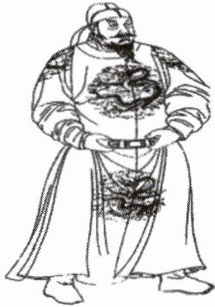
"People are like utensils(器物). What we need to do is to take advantage of their strengths. You cannot excuse yourself for not 3 talented people. How could you say that there are no talented people in our 4 ?" said the emperor.
Indeed, each utensil or tool has its use. A knife is made to cut things while chopsticks are made to 5 food. We can't use a knife as a 6 . Like a utensil, each person has their special strength. Nobody is perfect. We can't expect a person to be good at 7 .
With this idea in 8 , Emperor Taizong discovered many talented people of different backgrounds. He 9 them important positions. This helped them make the best 10 of their talents. His talented people helped the society 11 and created a "golden age".
Some people say if a person is talented 12 , we should give them a chance. The same idea can be found in *The Analects of Confucius*(《论语》). Treating people as utensils shows that we can not only 13 people well, but also allow different kinds of people to work well.
Today, the idea is still 14 . If we become leaders some day, we should help others give full play to their strengths. For example, Liu Bang let Zhang Liang and Xiao He work as advisors for their wisdom 15 he invited Han Xin to lead the army for his war strategies. Known as the "three heroes of the early Han dynasty", they helped Liu build a strong dynasty.
()1. A. Anyway B. Moreover C. However D. Otherwise
()2. A. perfect B. serious C. generous D. patient
()3. A. hearing B. noticing C. protecting D. praising
()4. A. city B. town C. village D. country
()5. A. get up B. take up C. pick up D. look up
()6. A. bowl B. tool C. spoon D. chopstick
()7. A. something B. nothing C. everything D. anything
()8. A. mind B. trouble C. fact D. danger
()9. A. took B. offered C. accepted D. brought
()10. A. use B. time C. effort D. future
( )11. A. win B. develop C. record D. begin
()12. A. as well B. at times C. in the end D. in some ways
()13. A. control B. feed C. miss D. lead
()14. A. different B. challenging C. meaningful D. funny
()15. A. while B. until C. unless D. since
During the Tang dynasty(618-907), Emperor Taizong asked the prime minister Feng Deyi to recommend talented people.
1 , several months passed, Feng didn't recommend anyone. "I tried my best, but there are not unusual or 2 people at all," Feng said.
"People are like utensils(器物). What we need to do is to take advantage of their strengths. You cannot excuse yourself for not 3 talented people. How could you say that there are no talented people in our 4 ?" said the emperor.
Indeed, each utensil or tool has its use. A knife is made to cut things while chopsticks are made to 5 food. We can't use a knife as a 6 . Like a utensil, each person has their special strength. Nobody is perfect. We can't expect a person to be good at 7 .
With this idea in 8 , Emperor Taizong discovered many talented people of different backgrounds. He 9 them important positions. This helped them make the best 10 of their talents. His talented people helped the society 11 and created a "golden age".
Some people say if a person is talented 12 , we should give them a chance. The same idea can be found in *The Analects of Confucius*(《论语》). Treating people as utensils shows that we can not only 13 people well, but also allow different kinds of people to work well.
Today, the idea is still 14 . If we become leaders some day, we should help others give full play to their strengths. For example, Liu Bang let Zhang Liang and Xiao He work as advisors for their wisdom 15 he invited Han Xin to lead the army for his war strategies. Known as the "three heroes of the early Han dynasty", they helped Liu build a strong dynasty.
()1. A. Anyway B. Moreover C. However D. Otherwise
()2. A. perfect B. serious C. generous D. patient
()3. A. hearing B. noticing C. protecting D. praising
()4. A. city B. town C. village D. country
()5. A. get up B. take up C. pick up D. look up
()6. A. bowl B. tool C. spoon D. chopstick
()7. A. something B. nothing C. everything D. anything
()8. A. mind B. trouble C. fact D. danger
()9. A. took B. offered C. accepted D. brought
()10. A. use B. time C. effort D. future
( )11. A. win B. develop C. record D. begin
()12. A. as well B. at times C. in the end D. in some ways
()13. A. control B. feed C. miss D. lead
()14. A. different B. challenging C. meaningful D. funny
()15. A. while B. until C. unless D. since
答案
1. C 【点拨】“Emperor Taizong asked the prime minister Feng Deyi to recommend talented people”和“Feng didn't recommend anyone”之间是转折关系,即“然而几个月过去了,封德彝没有推荐任何人”。故选C。
2. A 【点拨】根据下文“Nobody is perfect. ”可知此处指“完美的人”。故选A。
3. B 【点拨】根据“talented people”以及上文“Emperor Taizong asked the prime minister Feng Deyi to recommend talented people”可知此处指“没有注意到有才华的人”。故选B。
4. D 【点拨】根据“said the emperor”可知,皇帝说的应是在整个国家。故选D。
5. C 【点拨】根据前文“A knife is made to cut things”可知此处指“筷子是用来夹东西的”。故选C。
6. D 【点拨】根据上文“A knife is made to cut things while chopsticks are made to pick up food. ”可知此处指“不能拿刀当筷子用”。故选D。
7. C 【点拨】根据上文“Nobody is perfect. ”可知此处指“没有人是完美的,不能期待一个人事事都擅长”。故选C。
8. A 【点拨】根据“With this idea in”可知此处指“脑海中有想法”。故选A。
9. B 【点拨】根据“ 9 them important positions”可知此处指“为他们提供重要职位”。故选B。
10. A 【点拨】根据“of their talents”可知此处指“很好地利用他们的才能”。make use of利用。故选A。
11. B 【点拨】根据后文“created a ‘golden age’”可知此处指“帮助社会发展”。故选B。
12. D 【点拨】根据“we should give them a chance”可知此处指“在某些方面有才华,就应该给机会”。故选D。
13. D 【点拨】根据“Treating people as utensils shows that we can not only 13 people well, but also allow different kinds of people to work well. ”可知此处指“不仅能带好人”。故选D。
14. C 【点拨】根据“If we become leaders some day, we should help others give full play to their strengths. ”可知此处指“这个想法现在仍然有意义”。故选C。
15. A 【点拨】根据语境可知此处是指“刘邦让张良、萧何为谋士,因为他们有智慧,而请韩信统军,因为他懂兵法”。故选A。
2. A 【点拨】根据下文“Nobody is perfect. ”可知此处指“完美的人”。故选A。
3. B 【点拨】根据“talented people”以及上文“Emperor Taizong asked the prime minister Feng Deyi to recommend talented people”可知此处指“没有注意到有才华的人”。故选B。
4. D 【点拨】根据“said the emperor”可知,皇帝说的应是在整个国家。故选D。
5. C 【点拨】根据前文“A knife is made to cut things”可知此处指“筷子是用来夹东西的”。故选C。
6. D 【点拨】根据上文“A knife is made to cut things while chopsticks are made to pick up food. ”可知此处指“不能拿刀当筷子用”。故选D。
7. C 【点拨】根据上文“Nobody is perfect. ”可知此处指“没有人是完美的,不能期待一个人事事都擅长”。故选C。
8. A 【点拨】根据“With this idea in”可知此处指“脑海中有想法”。故选A。
9. B 【点拨】根据“ 9 them important positions”可知此处指“为他们提供重要职位”。故选B。
10. A 【点拨】根据“of their talents”可知此处指“很好地利用他们的才能”。make use of利用。故选A。
11. B 【点拨】根据后文“created a ‘golden age’”可知此处指“帮助社会发展”。故选B。
12. D 【点拨】根据“we should give them a chance”可知此处指“在某些方面有才华,就应该给机会”。故选D。
13. D 【点拨】根据“Treating people as utensils shows that we can not only 13 people well, but also allow different kinds of people to work well. ”可知此处指“不仅能带好人”。故选D。
14. C 【点拨】根据“If we become leaders some day, we should help others give full play to their strengths. ”可知此处指“这个想法现在仍然有意义”。故选C。
15. A 【点拨】根据语境可知此处是指“刘邦让张良、萧何为谋士,因为他们有智慧,而请韩信统军,因为他懂兵法”。故选A。
解析
【分析】
这是一篇以中国古代用人典故为主题的完形填空题,解题时首先通读全文,明确核心主旨是“用人要扬长避短、人尽其才”,再从三个维度逐一推导答案:第一先梳理句间逻辑,判断前后句的转折、并列等关系,锁定逻辑类选项;第二依托上下文呼应推导,后文多次出现的“人无完人”“各有功能”等表述,都能给前面的空提供直接提示,避免脱离语境选错;最后结合初中英语常见固定搭配验证答案,区分相近短语的含义,选出最贴合语境的选项。
【解析】
1. 第1空:前文提到唐太宗要求封德彝举荐人才,空后说数月过去封德彝没有举荐任何人,前后为转折关系,只有However符合逻辑,选C。
2. 第2空:根据后文“Nobody is perfect.(人无完人)”的提示,此处封德彝称世上没有与众不同、完美的人才,选A。
3. 第3空:句意是你不能以没有发现、注意到人才为借口推脱,noticing符合语境,选B。
4. 第4空:说话者是帝王,指代的是自己统治的整个国家,country符合身份,选D。
5. 第5空:筷子的功能是夹取食物,pick up有“夹起、捡起”的含义,选C。
6. 第6空:前文分别介绍了刀和筷子的不同功能,此处表示不能把刀当作筷子来使用,选D。
7. 第7空:前文提到人无完人,因此我们不能要求一个人擅长所有事,everything符合语义,选C。
8. 第8空:固定搭配with this idea in mind,意为“把这个理念记在心中”,选A。
9. 第9空:句意是唐太宗给这些人才提供重要的职位,offered表示“提供”,选B。
10. 第10空:固定搭配make the best use of,意为“充分利用”,此处指充分发挥他们的才能,选A。
11. 第11空:句意是这些人才助力社会发展,开创了盛世,develop符合语境,选B。
12. 第12空:句意是如果一个人在某些方面有才华,我们就应该给他机会,in some ways表示“在某些方面”,选D。
13. 第13空:句意是扬长避短的用人理念,不仅能很好地带领人才,还能让不同的人都好好发挥作用,lead符合语义,选D。
14. 第14空:句意是这个用人的理念在今天仍然很有意义,meaningful符合语境,选C。
15. 第15空:此处是并列对比关系:刘邦让张良、萧何凭借智慧担任谋士,而让韩信凭借军事才能统领军队,while可连接对比的并列分句,选A。
【答案】
1.C 2.A 3.B 4.D 5.C 6.D 7.C 8.A 9.B 10.A 11.B 12.D 13.D 14.C 15.A
【知识点】
完形填空逻辑推理
动词短语辨析
固定搭配识记
【点评】
本题选材结合唐太宗用人、《论语》、汉初三杰等中国传统文化历史典故,既考察学生对上下文逻辑的梳理能力、相近词义和短语的辨析能力,也渗透了正确的人才观。解题时要特别注意上下文的呼应提示,不要脱离语境仅凭词义选答案,积累常见固定短语可以大幅提升解题效率。
【难度系数】
0.75
这是一篇以中国古代用人典故为主题的完形填空题,解题时首先通读全文,明确核心主旨是“用人要扬长避短、人尽其才”,再从三个维度逐一推导答案:第一先梳理句间逻辑,判断前后句的转折、并列等关系,锁定逻辑类选项;第二依托上下文呼应推导,后文多次出现的“人无完人”“各有功能”等表述,都能给前面的空提供直接提示,避免脱离语境选错;最后结合初中英语常见固定搭配验证答案,区分相近短语的含义,选出最贴合语境的选项。
【解析】
1. 第1空:前文提到唐太宗要求封德彝举荐人才,空后说数月过去封德彝没有举荐任何人,前后为转折关系,只有However符合逻辑,选C。
2. 第2空:根据后文“Nobody is perfect.(人无完人)”的提示,此处封德彝称世上没有与众不同、完美的人才,选A。
3. 第3空:句意是你不能以没有发现、注意到人才为借口推脱,noticing符合语境,选B。
4. 第4空:说话者是帝王,指代的是自己统治的整个国家,country符合身份,选D。
5. 第5空:筷子的功能是夹取食物,pick up有“夹起、捡起”的含义,选C。
6. 第6空:前文分别介绍了刀和筷子的不同功能,此处表示不能把刀当作筷子来使用,选D。
7. 第7空:前文提到人无完人,因此我们不能要求一个人擅长所有事,everything符合语义,选C。
8. 第8空:固定搭配with this idea in mind,意为“把这个理念记在心中”,选A。
9. 第9空:句意是唐太宗给这些人才提供重要的职位,offered表示“提供”,选B。
10. 第10空:固定搭配make the best use of,意为“充分利用”,此处指充分发挥他们的才能,选A。
11. 第11空:句意是这些人才助力社会发展,开创了盛世,develop符合语境,选B。
12. 第12空:句意是如果一个人在某些方面有才华,我们就应该给他机会,in some ways表示“在某些方面”,选D。
13. 第13空:句意是扬长避短的用人理念,不仅能很好地带领人才,还能让不同的人都好好发挥作用,lead符合语义,选D。
14. 第14空:句意是这个用人的理念在今天仍然很有意义,meaningful符合语境,选C。
15. 第15空:此处是并列对比关系:刘邦让张良、萧何凭借智慧担任谋士,而让韩信凭借军事才能统领军队,while可连接对比的并列分句,选A。
【答案】
1.C 2.A 3.B 4.D 5.C 6.D 7.C 8.A 9.B 10.A 11.B 12.D 13.D 14.C 15.A
【知识点】
完形填空逻辑推理
动词短语辨析
固定搭配识记
【点评】
本题选材结合唐太宗用人、《论语》、汉初三杰等中国传统文化历史典故,既考察学生对上下文逻辑的梳理能力、相近词义和短语的辨析能力,也渗透了正确的人才观。解题时要特别注意上下文的呼应提示,不要脱离语境仅凭词义选答案,积累常见固定短语可以大幅提升解题效率。
【难度系数】
0.75
