

 登录
登录
一、完形填空
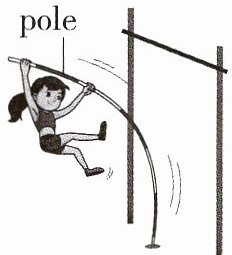
pole vaulter(撑杆跳高运动员)
Michael Stone always dreamed of flying. His mother read him so many stories about flying that they
From the age of 14, Michael started
Now Michael was standing in the stadium
Then he thought of his mother’s
As he began sprinting(冲刺) down the runway, something felt wonderfully
The loud cheers from the audience brought Michael back. He could
(
(
(
(
(
(
(
(
(
(
(
(
(
(
(
二、阅读理解
If you could choose to finish second or third in a big competition, which would you pick? Most people would choose second. However, a study from the 1990s found something surprising. Researchers studied athletes’ feelings at the Barcelona Olympics and discovered that bronze medalists(铜牌得主) showed greater happiness than silver medalists, though gold medalists remain the happiest of all.
Later research at the 2012 London Olympics reinforced this idea. Gold and bronze medalists looked happier when they performed better. But for silver medalists, the better they performed, the more they regretted not winning gold. A study at the Rio Olympics also studied the differences in happiness between silver and bronze medalists. When researchers listened to their interviews, they noticed that silver medalists often talked about how they almost won gold and used words like “almost” and “nearly” in the conversation. This shows that silver medalists focus more on what they missed, while bronze medalists focus on what they achieved.
In short, when you feel sad about getting the second place, think like a bronze medalist. Be proud of what you’ve achieved, not upset about what you didn’t reach. This is the secret of happiness. Remember, how you see your success can turn any medal into a personal win.
(
A. The athletes who won gold medals.
B. The athletes who won silver medals.
C. The athletes who won bronze medals.
D. The athletes who didn’t win any medals.
(
A. Why are gold medalists the happiest of all?
B. Why did silver medalists lose the game?
C. Why did the researchers study athletes’ feelings?
D. Why are bronze medalists happier than silver medalists?
(
A. Weakened. B. Supported. C. Changed. D. Doubted.
(
A. Because they perform badly.
B. Because they fail to win a medal.
C. Because they pay more attention to what they missed.
D. Because they think bronze medalists are luckier.
(
A. Silver Medalists’ Regrets
B. How to Be a Happy Athlete
C. Bronze Medalists’ Happiness Secret
D. Olympics Medalists’ Performances
pole vaulter(撑杆跳高运动员)
Michael Stone always dreamed of flying. His mother read him so many stories about flying that they
A
1 his dreams with colour and beauty. His dad, on the other hand, D
2 in hard work. He always said, “If you want something, work for it!”From the age of 14, Michael started
C
3 as a pole vaulter. He worked out every day with weightlifting and running, and he continued to help his parents with their farm work. His mother wished he could B
4 a bit more. However, his father would smile and say, “C
5 you want something, work for it!”Now Michael was standing in the stadium
C
6 one of the final two competitors in the pole-vaulting event in the National Junior Olympics. After a warm-up, he round his pelt and D
7 on the runway that led to the most challenging event of his 17-year-old life. Suddenly he became A
8. He had never experienced this before.Then he thought of his mother’s
A
9. “Take deep breaths when you feel nervous.” So he did. Slowly the nervousness was gone. He gently D
10 his pole, and began to stretch out his arms and upper body. And then, he C
11 picked up his pole. He knew it was his time to fly.As he began sprinting(冲刺) down the runway, something felt wonderfully
B
12 but familiar. When he took a deep breath, it happened. He began to fly just like in his childhood D
13. Only this time he knew he wasn’t dreaming.The loud cheers from the audience brought Michael back. He could
D
14 the smile on his parents’ faces. His life would never be the same. It wasn’t because he won the National Junior Olympics and B
15 a world record. And it wasn’t because he had just increased his personal best. It was simply because Michael Stone was blind.(
A
)1. A. filled B. presented C. shared D. compared(
D
)2. A. succeeded B. joined C. pushed D. believed(
C
)3. A. playing B. thinking C. training D. showing(
B
)4. A. help B. relax C. improve D. exercise(
C
)5. A. Before B. Unless C. If D. Though(
C
)6. A. for B. like C. as D. between(
D
)7. A. stopped B. climbed C. entered D. stepped(
A
)8. A. nervous B. confident C. angry D. surprised(
A
)9. A. words B. facts C. orders D. warnings(
D
)10. A. picked up B. looked through C. handed out D. put down(
C
)11. A. secretly B. strangely C. carefully D. curiously(
B
)12. A. popular B. different C. comfortable D. hard(
D
)13. A. hobbies B. jokes C. stories D. dreams(
D
)14. A. wonder B. remember C. see D. imagine(
B
)15. A. beat B. broke C. ran D. hit二、阅读理解
If you could choose to finish second or third in a big competition, which would you pick? Most people would choose second. However, a study from the 1990s found something surprising. Researchers studied athletes’ feelings at the Barcelona Olympics and discovered that bronze medalists(铜牌得主) showed greater happiness than silver medalists, though gold medalists remain the happiest of all.
D
▲ The main reason is that silver medalists often think to themselves, “I was so close to winning gold! What a pity!” This makes them feel sad about not winning the first place. On the other hand, bronze medalists would compare themselves to those who didn’t win a medal at all. They feel happy and lucky to have won something.Later research at the 2012 London Olympics reinforced this idea. Gold and bronze medalists looked happier when they performed better. But for silver medalists, the better they performed, the more they regretted not winning gold. A study at the Rio Olympics also studied the differences in happiness between silver and bronze medalists. When researchers listened to their interviews, they noticed that silver medalists often talked about how they almost won gold and used words like “almost” and “nearly” in the conversation. This shows that silver medalists focus more on what they missed, while bronze medalists focus on what they achieved.
In short, when you feel sad about getting the second place, think like a bronze medalist. Be proud of what you’ve achieved, not upset about what you didn’t reach. This is the secret of happiness. Remember, how you see your success can turn any medal into a personal win.
(
A
)1. In a competition, who were the happiest at the Barcelona Olympics in Paragraph 1?A. The athletes who won gold medals.
B. The athletes who won silver medals.
C. The athletes who won bronze medals.
D. The athletes who didn’t win any medals.
(
D
)2. Which of the following can be put in “▲” in Paragraph 2?A. Why are gold medalists the happiest of all?
B. Why did silver medalists lose the game?
C. Why did the researchers study athletes’ feelings?
D. Why are bronze medalists happier than silver medalists?
(
B
)3. What does the word “reinforced” in Paragraph 3 probably mean?A. Weakened. B. Supported. C. Changed. D. Doubted.
(
C
)4. Why do silver medalists often seem less happy than bronze medalists?A. Because they perform badly.
B. Because they fail to win a medal.
C. Because they pay more attention to what they missed.
D. Because they think bronze medalists are luckier.
(
C
)5. What is the best title for the passage?A. Silver Medalists’ Regrets
B. How to Be a Happy Athlete
C. Bronze Medalists’ Happiness Secret
D. Olympics Medalists’ Performances
答案
微组合 06 阅读提优
一、1.A 2.D 3.C 4.B 5.C 6.C 7.D 8.A 9.A 10.D 11.C 12.B 13.D 14.D 15.B
二、1.A 2.D 3.B 4.C 5.C
一、1.A 2.D 3.C 4.B 5.C 6.C 7.D 8.A 9.A 10.D 11.C 12.B 13.D 14.D 15.B
二、1.A 2.D 3.B 4.C 5.C
解析
【分析】
一、完形填空:解题需结合上下文语境、词汇词义辨析、固定搭配及逻辑关系,先理解空格所在句含义,再通过前后文的因果、条件等逻辑确定选项,同时注意动词、介词的固定用法。
二、阅读理解:先通读全文把握主旨,再根据题干关键词定位原文对应内容,细节题对比选项与原文信息;词义猜测题结合上下文语境推测;主旨题抓核心观点。
【解析】
一、完形填空:
1. A:fill...with...是固定搭配,意为“用……填满”,此处指妈妈的故事用色彩和美好填满他的梦想,符合语境。
2. D:believe in意为“信奉”,爸爸信奉努力工作,符合语境。
3. C:start training as意为“开始作为……训练”,Michael作为撑杆跳运动员开始训练,符合逻辑。
4. B:妈妈希望他多放松,因他每日训练还帮家里干农活,relax符合语境。
5. C:此处为条件状语从句,if意为“如果”,爸爸说“若想要什么就努力”,符合逻辑。
6. C:as意为“作为”,他作为决赛选手站在体育场,符合语境。
7. D:step on the runway意为“踏上跑道”,是比赛前的动作,符合语境。
8. A:后文提到妈妈说紧张时深呼吸,故此处他突然变得紧张,nervous符合。
9. A:想到妈妈的话(words),即“紧张时深呼吸”,符合语境。
10. D:他放下撑杆准备拉伸,put down符合动作逻辑。
11. C:比赛前他小心拿起撑杆,carefully符合语境。
12. B:感觉奇妙的不同但熟悉,different符合语境。
13. D:像童年的梦想一样飞翔,对应前文妈妈的故事和他的梦想,符合。
14. D:他在比赛中,能想象父母的笑容,imagine符合语境。
15. B:break a world record是固定搭配,意为“打破世界纪录”,符合语境。
二、阅读理解:
1. A:根据第一段“gold medalists remain the happiest of all”,可知金牌得主最开心,选A。
2. D:第二段讲铜牌比银牌更开心的原因,空格处应是“为什么铜牌得主比银牌得主更开心”,选D。
3. B:reinforced意为“支持、证实”,2012伦敦奥运研究支持了之前的结论,supported符合,选B。
4. C:根据第三段“silver medalists focus more on what they missed”,可知银牌得主更关注错过的,选C。
5. C:文章核心是铜牌得主的快乐秘诀,即关注获得的而非错过的,选C。
【答案】
一、1.A 2.D 3.C 4.B 5.C 6.C 7.D 8.A 9.A 10.D 11.C 12.B 13.D 14.D 15.B
二、1.A 2.D 3.B 4.C 5.C
【知识点】
词义辨析、语境理解、阅读理解技巧
【点评】
本题为英语综合能力考查题,涵盖完形填空与阅读理解,既考查词汇运用,又考查语篇理解能力,适合初中学生巩固英语知识。
【难度系数】
0.6
一、完形填空:解题需结合上下文语境、词汇词义辨析、固定搭配及逻辑关系,先理解空格所在句含义,再通过前后文的因果、条件等逻辑确定选项,同时注意动词、介词的固定用法。
二、阅读理解:先通读全文把握主旨,再根据题干关键词定位原文对应内容,细节题对比选项与原文信息;词义猜测题结合上下文语境推测;主旨题抓核心观点。
【解析】
一、完形填空:
1. A:fill...with...是固定搭配,意为“用……填满”,此处指妈妈的故事用色彩和美好填满他的梦想,符合语境。
2. D:believe in意为“信奉”,爸爸信奉努力工作,符合语境。
3. C:start training as意为“开始作为……训练”,Michael作为撑杆跳运动员开始训练,符合逻辑。
4. B:妈妈希望他多放松,因他每日训练还帮家里干农活,relax符合语境。
5. C:此处为条件状语从句,if意为“如果”,爸爸说“若想要什么就努力”,符合逻辑。
6. C:as意为“作为”,他作为决赛选手站在体育场,符合语境。
7. D:step on the runway意为“踏上跑道”,是比赛前的动作,符合语境。
8. A:后文提到妈妈说紧张时深呼吸,故此处他突然变得紧张,nervous符合。
9. A:想到妈妈的话(words),即“紧张时深呼吸”,符合语境。
10. D:他放下撑杆准备拉伸,put down符合动作逻辑。
11. C:比赛前他小心拿起撑杆,carefully符合语境。
12. B:感觉奇妙的不同但熟悉,different符合语境。
13. D:像童年的梦想一样飞翔,对应前文妈妈的故事和他的梦想,符合。
14. D:他在比赛中,能想象父母的笑容,imagine符合语境。
15. B:break a world record是固定搭配,意为“打破世界纪录”,符合语境。
二、阅读理解:
1. A:根据第一段“gold medalists remain the happiest of all”,可知金牌得主最开心,选A。
2. D:第二段讲铜牌比银牌更开心的原因,空格处应是“为什么铜牌得主比银牌得主更开心”,选D。
3. B:reinforced意为“支持、证实”,2012伦敦奥运研究支持了之前的结论,supported符合,选B。
4. C:根据第三段“silver medalists focus more on what they missed”,可知银牌得主更关注错过的,选C。
5. C:文章核心是铜牌得主的快乐秘诀,即关注获得的而非错过的,选C。
【答案】
一、1.A 2.D 3.C 4.B 5.C 6.C 7.D 8.A 9.A 10.D 11.C 12.B 13.D 14.D 15.B
二、1.A 2.D 3.B 4.C 5.C
【知识点】
词义辨析、语境理解、阅读理解技巧
【点评】
本题为英语综合能力考查题,涵盖完形填空与阅读理解,既考查词汇运用,又考查语篇理解能力,适合初中学生巩固英语知识。
【难度系数】
0.6
