

 登录
登录
新素材 素材来源:babie.com
[2026 原创] There is a famous saying: "Necessity is the mother of invention." But is this really true? Maybe we should change it to: "Play is the mother of invention; necessity is the mother of engineering." Play helps us create new ideas, while necessity helps us turn these ideas into useful things.
Let's look at the wheel, one of the greatest inventions in history. The wheel changed how people lived because it made carrying heavy things much easier.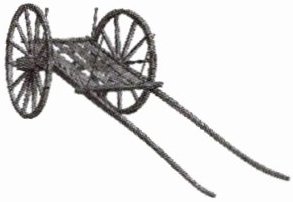 But where did the wheel first appear? Surprisingly, the earliest wheels were not on carts. They were on small toy animals made for children about 6,000 years ago. Some playful potters made these toys so children could pull them with strings. Hundreds of years later, skilled workers used this idea to build real carts for transport.
Animals can also learn through play. In Japan, scientists studied macaque monkeys for many years. In the 1970s, young monkeys started playing with stones. They picked them up, threw them, and smashed them together to make sounds. At first, only young monkeys did this. But as they grew up, they kept playing with stones, and younger monkeys learnt from them. Years later, some monkeys living near the sea used stones as tools to crack open shellfish for food. What started as play became a useful skill!
These examples show that young humans and animals are natural inventors. Children and young animals are curious and playful. Through play, they discover new things that can later become
important inventions. Play opens our minds to new possibilities that necessity alone might never create.
( )1. Why does the writer quote (引用) the saying at the beginning?
A. To show it is totally wrong.
B. To prove necessity is everything.
C. To compare humans and animals.
D. To introduce and then challenge it.
()2. What were the earliest wheels used for?
A. For building carts.
B. For children’s toys.
C. For making sounds.
D. For carrying heavy things.
()3. What does the underlined word “them” in Paragraph 3 refer to?
A. Stones.
B. Sounds.
C. Monkeys.
D. Scientists.
()4. What can we infer from the example of the monkeys?
A. Play can lead to useful skills later.
B. Monkeys are smarter than humans.
C. Monkeys only play when they are young.
D. Scientists taught the monkeys to use stones.
()5. (新考法写作手法) How does the writer organize the passage?
A. By describing the history of the wheel.
B. By explaining monkeys’ behaviour in detail.
C. By comparing invention and engineering.
D. By giving examples to support a new idea.
[2026 原创] There is a famous saying: "Necessity is the mother of invention." But is this really true? Maybe we should change it to: "Play is the mother of invention; necessity is the mother of engineering." Play helps us create new ideas, while necessity helps us turn these ideas into useful things.
Let's look at the wheel, one of the greatest inventions in history. The wheel changed how people lived because it made carrying heavy things much easier.
But where did the wheel first appear? Surprisingly, the earliest wheels were not on carts. They were on small toy animals made for children about 6,000 years ago. Some playful potters made these toys so children could pull them with strings. Hundreds of years later, skilled workers used this idea to build real carts for transport.Animals can also learn through play. In Japan, scientists studied macaque monkeys for many years. In the 1970s, young monkeys started playing with stones. They picked them up, threw them, and smashed them together to make sounds. At first, only young monkeys did this. But as they grew up, they kept playing with stones, and younger monkeys learnt from them. Years later, some monkeys living near the sea used stones as tools to crack open shellfish for food. What started as play became a useful skill!
These examples show that young humans and animals are natural inventors. Children and young animals are curious and playful. Through play, they discover new things that can later become
important inventions. Play opens our minds to new possibilities that necessity alone might never create.
( )1. Why does the writer quote (引用) the saying at the beginning?
A. To show it is totally wrong.
B. To prove necessity is everything.
C. To compare humans and animals.
D. To introduce and then challenge it.
()2. What were the earliest wheels used for?
A. For building carts.
B. For children’s toys.
C. For making sounds.
D. For carrying heavy things.
()3. What does the underlined word “them” in Paragraph 3 refer to?
A. Stones.
B. Sounds.
C. Monkeys.
D. Scientists.
()4. What can we infer from the example of the monkeys?
A. Play can lead to useful skills later.
B. Monkeys are smarter than humans.
C. Monkeys only play when they are young.
D. Scientists taught the monkeys to use stones.
()5. (新考法写作手法) How does the writer organize the passage?
A. By describing the history of the wheel.
B. By explaining monkeys’ behaviour in detail.
C. By comparing invention and engineering.
D. By giving examples to support a new idea.
答案
外刊阅读速递
刷外刊
阅读理解·语篇导读 本文探讨了“发明之母”究竟是“需求”还是“玩乐”。
快速对答案 1—5 D B A A D
1. D 推理判断题。作者在文章开头引用名言"Necessity is the mother of invention.",紧接着就提出了自己修改后的版本"Play is the mother of invention..."。这是一种常见的议论文写作手法,即先引出一个普遍接受的观点,然后对其提出质疑、修正或挑战,并阐述自己的新观点。故选D项。
2. B 细节理解题。根据第二段的"Surprisingly, the earliest wheels were not on carts. They were on small toy animals made for children about 6,000 years ago."可知,最早的轮子是用于儿童玩具的。故选B项。
3. A 词义猜测题。根据第三段的"... young monkeys started playing with stones. They picked them up, threw them, and smashed them together..."可知,代词them指代的是猴子们捡起、投掷和敲击的东西。结合前一句话可以明确,them指代的是stones。故选A项。
4. A 推理判断题。第三段详细描述了猴子们从玩石头开始,经过多年的演变,最终将这种行为发展成一项有用的技能——用石头砸开贝壳以获取食物。这个例子清晰地表明,玩乐行为之后可以发展成为实用的生存技能。故选A项。
5. D 推理判断题。文章的整体结构是"提出观点—举例论证—得出结论"。作者在第一段提出了"玩乐是发明之母"的新观点,然后在第二段(轮子的例子)和第三段(猴子的例子)提供了具体的证据来支持这个观点,最后在第四段进行总结。因此,作者是通过举例以支持一个新想法的方式来组织文章的。故选D项。
刷外刊
阅读理解·语篇导读 本文探讨了“发明之母”究竟是“需求”还是“玩乐”。
快速对答案 1—5 D B A A D
1. D 推理判断题。作者在文章开头引用名言"Necessity is the mother of invention.",紧接着就提出了自己修改后的版本"Play is the mother of invention..."。这是一种常见的议论文写作手法,即先引出一个普遍接受的观点,然后对其提出质疑、修正或挑战,并阐述自己的新观点。故选D项。
2. B 细节理解题。根据第二段的"Surprisingly, the earliest wheels were not on carts. They were on small toy animals made for children about 6,000 years ago."可知,最早的轮子是用于儿童玩具的。故选B项。
3. A 词义猜测题。根据第三段的"... young monkeys started playing with stones. They picked them up, threw them, and smashed them together..."可知,代词them指代的是猴子们捡起、投掷和敲击的东西。结合前一句话可以明确,them指代的是stones。故选A项。
4. A 推理判断题。第三段详细描述了猴子们从玩石头开始,经过多年的演变,最终将这种行为发展成一项有用的技能——用石头砸开贝壳以获取食物。这个例子清晰地表明,玩乐行为之后可以发展成为实用的生存技能。故选A项。
5. D 推理判断题。文章的整体结构是"提出观点—举例论证—得出结论"。作者在第一段提出了"玩乐是发明之母"的新观点,然后在第二段(轮子的例子)和第三段(猴子的例子)提供了具体的证据来支持这个观点,最后在第四段进行总结。因此,作者是通过举例以支持一个新想法的方式来组织文章的。故选D项。
解析
【分析】
这是一篇议论文阅读理解,共5道题,涵盖细节理解、词义猜测、推理判断、文章结构分析等题型。解题时需先通读全文把握主旨(核心观点为“玩乐是发明之母”),再针对各题关键词定位原文,结合语境分析选项,排除干扰项得出答案。
【解析】
1. 推理判断题:作者在文章开头引用普遍认可的名言“需求是发明之母”,紧接着提出修改后的新观点“玩乐是发明之母”,属于引出原名言并对其进行挑战修正,故选D。
2. 细节理解题:根据第二段“Surprisingly, the earliest wheels were not on carts. They were on small toy animals made for children about 6,000 years ago.”可知,最早的轮子用于儿童玩具,故选B。
3. 词义猜测题:第三段提到“young monkeys started playing with stones. They picked them up, threw them...”,代词them指代前文提到的猴子玩耍的对象stones,故选A。
4. 推理判断题:第三段讲述猴子从玩石头,到后来将这种玩乐行为发展为用石头砸贝壳获取食物的实用技能,说明玩乐能发展成有用技能,故选A。
5. 文章结构题:作者先提出“玩乐是发明之母”的新观点,再通过轮子、猴子两个具体例子论证,最后总结观点,属于用例子支持新想法的结构,故选D。
【答案】
1.D 2.B 3.A 4.A 5.D
【知识点】
阅读理解、词义猜测、推理判断
【点评】
本文围绕“玩乐是发明之母”展开,通过具体事例论证核心观点,考查学生对议论文的理解能力,需掌握定位原文、分析语境的解题方法。
【难度系数】
0.6
这是一篇议论文阅读理解,共5道题,涵盖细节理解、词义猜测、推理判断、文章结构分析等题型。解题时需先通读全文把握主旨(核心观点为“玩乐是发明之母”),再针对各题关键词定位原文,结合语境分析选项,排除干扰项得出答案。
【解析】
1. 推理判断题:作者在文章开头引用普遍认可的名言“需求是发明之母”,紧接着提出修改后的新观点“玩乐是发明之母”,属于引出原名言并对其进行挑战修正,故选D。
2. 细节理解题:根据第二段“Surprisingly, the earliest wheels were not on carts. They were on small toy animals made for children about 6,000 years ago.”可知,最早的轮子用于儿童玩具,故选B。
3. 词义猜测题:第三段提到“young monkeys started playing with stones. They picked them up, threw them...”,代词them指代前文提到的猴子玩耍的对象stones,故选A。
4. 推理判断题:第三段讲述猴子从玩石头,到后来将这种玩乐行为发展为用石头砸贝壳获取食物的实用技能,说明玩乐能发展成有用技能,故选A。
5. 文章结构题:作者先提出“玩乐是发明之母”的新观点,再通过轮子、猴子两个具体例子论证,最后总结观点,属于用例子支持新想法的结构,故选D。
【答案】
1.D 2.B 3.A 4.A 5.D
【知识点】
阅读理解、词义猜测、推理判断
【点评】
本文围绕“玩乐是发明之母”展开,通过具体事例论证核心观点,考查学生对议论文的理解能力,需掌握定位原文、分析语境的解题方法。
【难度系数】
0.6
