

 登录
登录
A
Leonardo da Vinci began painting *Mona Lisa*, one of the most famous paintings of all time, in 1503. He was working on a special painting for a church at the time, but it was not going 1 (good). The woman who can be seen in *Mona Lisa* is said to be Madonna Lisa del Giocondo. She was the wife of an Italian businessman. Her husband asked da Vinci 2 (paint) a portrait(肖像) of her.
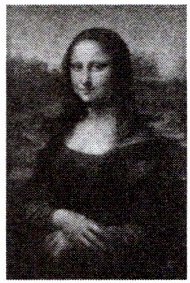
About ten years after da Vinci finished the painting, he was invited by the French King to visit France. 3 he took the painting with him. Today *Mona Lisa* is kept in the Louvre, an art museum in Paris, and it is seen by about six million 4 (visit) a year.
The painting measures(测量为) only 77 centimetres by 53 centimetres and was painted 5 oil on wood. In 1911, Vincenzo Peruggia, a worker at the Louvre, stole the painting. He took it out of the museum by hiding it under 6 (he) coat. Two years later, police officers found 7 painting when he tried to sell it.
In 1962, *Mona Lisa* was 8 (take) to Washington and New York for artwork shows. For the journey, the museum 9 (want) to insure(给……投保) the painting. The insurance company set the value of it at 100 million dollars, making it the most 10 (value) painting ever! Today, the value of the painting would be over 700 million dollars.
1. 2. 3. 4. 5.
6. 7. 8. 9. 10.
Leonardo da Vinci began painting *Mona Lisa*, one of the most famous paintings of all time, in 1503. He was working on a special painting for a church at the time, but it was not going 1 (good). The woman who can be seen in *Mona Lisa* is said to be Madonna Lisa del Giocondo. She was the wife of an Italian businessman. Her husband asked da Vinci 2 (paint) a portrait(肖像) of her.
About ten years after da Vinci finished the painting, he was invited by the French King to visit France. 3 he took the painting with him. Today *Mona Lisa* is kept in the Louvre, an art museum in Paris, and it is seen by about six million 4 (visit) a year.
The painting measures(测量为) only 77 centimetres by 53 centimetres and was painted 5 oil on wood. In 1911, Vincenzo Peruggia, a worker at the Louvre, stole the painting. He took it out of the museum by hiding it under 6 (he) coat. Two years later, police officers found 7 painting when he tried to sell it.
In 1962, *Mona Lisa* was 8 (take) to Washington and New York for artwork shows. For the journey, the museum 9 (want) to insure(给……投保) the painting. The insurance company set the value of it at 100 million dollars, making it the most 10 (value) painting ever! Today, the value of the painting would be over 700 million dollars.
1. 2. 3. 4. 5.
6. 7. 8. 9. 10.
答案
1. well 2. to paint 3. And 4. visitors 5. with
6. his 7. the 8. taken 9. wanted 10. valuable
6. his 7. the 8. taken 9. wanted 10. valuable
解析
【分析】
这是一篇介绍世界名画《蒙娜丽莎》相关历史的语法填空题,解题时首先通读全文理清故事脉络,再逐空结合语法规则、固定搭配、上下文逻辑推导答案:首先判断每个空所需的词性,若给出提示词就结合词性变换规则变形,没有提示词就结合句子逻辑、固定搭配选择合适的连词、介词、冠词等,同时注意时态、语态的一致性。
【解析】
1. 空格修饰动词going,需要将形容词good变为副词well,意为“进展顺利”。
2. 此处是固定搭配ask sb. to do sth.,表示“要求某人做某事”,因此填to paint。
3. 前后两个分句是顺承逻辑:达芬奇被法国国王邀请前往法国,他随身带上了这幅画,句首首字母大写,填And。
4. 空格前有数词six million,需要将动词visit变为可数名词复数visitors,意为“每年约600万游客参观它”。
5. 此处表示“用油料在木板上创作”,用介词with表示“使用(某种材料/工具)”。
6. 空格后是名词coat,需要将人称代词he变为形容词性物主代词his,修饰名词。
7. 此处特指前文提到的《蒙娜丽莎》这幅画作,用定冠词the限定特指。
8. 此处是被动语态:《蒙娜丽莎》在1962年被带去华盛顿和纽约,take的过去分词是taken。
9. 事件发生在1962年,是过去的动作,一般过去时,动词want变为过去式wanted。
10. 空格前是the most,需要将名词value变为形容词valuable,构成最高级,修饰后面的名词painting。
【答案】
1. well 2. to paint 3. And 4. visitors 5. with
6. his 7. the 8. taken 9. wanted 10. valuable
【知识点】
词形转换,固定搭配,时态语态
【点评】
本题属于记叙文类语法填空,围绕学生熟悉的世界名画展开,考点覆盖初中阶段核心语法点,难度梯度平缓,既考察对词性变换规则的掌握,也考察对上下文逻辑、冠词介词等虚词用法的理解,适合巩固基础语法应用能力。
【难度系数】
0.7
这是一篇介绍世界名画《蒙娜丽莎》相关历史的语法填空题,解题时首先通读全文理清故事脉络,再逐空结合语法规则、固定搭配、上下文逻辑推导答案:首先判断每个空所需的词性,若给出提示词就结合词性变换规则变形,没有提示词就结合句子逻辑、固定搭配选择合适的连词、介词、冠词等,同时注意时态、语态的一致性。
【解析】
1. 空格修饰动词going,需要将形容词good变为副词well,意为“进展顺利”。
2. 此处是固定搭配ask sb. to do sth.,表示“要求某人做某事”,因此填to paint。
3. 前后两个分句是顺承逻辑:达芬奇被法国国王邀请前往法国,他随身带上了这幅画,句首首字母大写,填And。
4. 空格前有数词six million,需要将动词visit变为可数名词复数visitors,意为“每年约600万游客参观它”。
5. 此处表示“用油料在木板上创作”,用介词with表示“使用(某种材料/工具)”。
6. 空格后是名词coat,需要将人称代词he变为形容词性物主代词his,修饰名词。
7. 此处特指前文提到的《蒙娜丽莎》这幅画作,用定冠词the限定特指。
8. 此处是被动语态:《蒙娜丽莎》在1962年被带去华盛顿和纽约,take的过去分词是taken。
9. 事件发生在1962年,是过去的动作,一般过去时,动词want变为过去式wanted。
10. 空格前是the most,需要将名词value变为形容词valuable,构成最高级,修饰后面的名词painting。
【答案】
1. well 2. to paint 3. And 4. visitors 5. with
6. his 7. the 8. taken 9. wanted 10. valuable
【知识点】
词形转换,固定搭配,时态语态
【点评】
本题属于记叙文类语法填空,围绕学生熟悉的世界名画展开,考点覆盖初中阶段核心语法点,难度梯度平缓,既考察对词性变换规则的掌握,也考察对上下文逻辑、冠词介词等虚词用法的理解,适合巩固基础语法应用能力。
【难度系数】
0.7
B(2025·江苏苏州)
On Pingjiang Road in Suzhou, 65-year-old Ms Wu has run a traditional teahouse for 30 years. She never expected 1 (oneself) to become a tea master who helped build a cultural bridge.
It started in 2015 when a German tourist named Klaus walked into her shop. With the help of a phone app, Ms Wu 2 (patient) showed him the way to properly brew(沏) Biluochun, Suzhou's famous green tea. Klaus returned every day that week and 3 (bring) more friends each time.
Seeing how 4 (interest) they were in Chinese tea, Ms Wu started a weekly activity called "Tea Culture Saturdays". She showed foreigners 5 to brew tea with traditional methods—from choosing the water temperature to 6 (follow) tea-making rules. Her daughter Lily, a college student, helped translate.
Soon, her teahouse was always crowded with 7 (visit), including students and business people from many places. "I used to think foreigners wouldn't understand our tea culture, 8 they love it deeply. Some of them even treat their friends with Chinese tea at home," Ms Wu said.
One of her favourite 9 (moment) was when Sarah, a Canadian, gave her a notebook filled with tea notes written in both English and Chinese. "This is why I keep teaching," Ms Wu said, showing 10 treasured notebook.
Now, her teahouse appears in travel guides as "Suzhou's cultural living room". For tourists, every cup of tea served provides a window into the tea culture of this ancient city.
1. 2. 3. 4. 5.
6. 7. 8. 9. 10.
On Pingjiang Road in Suzhou, 65-year-old Ms Wu has run a traditional teahouse for 30 years. She never expected 1 (oneself) to become a tea master who helped build a cultural bridge.
It started in 2015 when a German tourist named Klaus walked into her shop. With the help of a phone app, Ms Wu 2 (patient) showed him the way to properly brew(沏) Biluochun, Suzhou's famous green tea. Klaus returned every day that week and 3 (bring) more friends each time.
Seeing how 4 (interest) they were in Chinese tea, Ms Wu started a weekly activity called "Tea Culture Saturdays". She showed foreigners 5 to brew tea with traditional methods—from choosing the water temperature to 6 (follow) tea-making rules. Her daughter Lily, a college student, helped translate.
Soon, her teahouse was always crowded with 7 (visit), including students and business people from many places. "I used to think foreigners wouldn't understand our tea culture, 8 they love it deeply. Some of them even treat their friends with Chinese tea at home," Ms Wu said.
One of her favourite 9 (moment) was when Sarah, a Canadian, gave her a notebook filled with tea notes written in both English and Chinese. "This is why I keep teaching," Ms Wu said, showing 10 treasured notebook.
Now, her teahouse appears in travel guides as "Suzhou's cultural living room". For tourists, every cup of tea served provides a window into the tea culture of this ancient city.
1. 2. 3. 4. 5.
6. 7. 8. 9. 10.
答案
1. herself 2. patiently 3. brought 4. interested 5. how
6. following 7. visitors 8. but 9. moments 10. the
6. following 7. visitors 8. but 9. moments 10. the
解析
【分析】
这是一篇记叙文类语法填空题,解题时首先要通读全文,梳理文章整体叙事逻辑和主时态(本文以一般过去时为主),之后逐个分析空格的句子成分:有提示词的空优先判断所需词性,结合词性变换规则变形;无提示词的空结合前后句逻辑、固定搭配判断所需虚词,一步步推导即可得出正确答案。
【解析】
1. 空格处指代主语She自身,需要使用和主语指代一致的反身代词,将提示词oneself变形为herself。
2. 空格处修饰动词showed作状语,需要将形容词patient变形为副词patiently。
3. 空格处和并列谓语returned时态保持一致,使用一般过去时,bring的过去式为brought。
4. 空格处修饰指代人的they,表达“感兴趣的”含义,构成be interested in固定搭配,将提示词变形为interested。
5. 此处是“疑问词+不定式”结构作宾语,表达“如何用传统方法沏茶”的含义,填入疑问副词how。
6. 固定搭配from...to...中的to是介词,后面需要接动名词形式,将follow变形为following。
7. 介词with后面接名词作宾语,此处表示“游客”,结合语境用复数形式,将visitor变形为visitors。
8. 前后两个分句语义为转折关系:原本以为外国人不理解茶文化,实际他们非常热爱,填入转折连词but。
9. 固定结构one of + 可数名词复数表示“……之一”,将moment变形为复数形式moments。
10. 空格处特指前文提到的萨拉赠送的那本笔记本,填入定冠词the表特指。
【答案】
1. herself 2. patiently 3. brought 4. interested 5. how 6. following 7. visitors 8. but 9. moments 10. the
【知识点】
词性转换,固定搭配,冠词用法
【点评】
本题考点覆盖初中英语核心词法、句法知识点,语境围绕本土茶文化对外传播的生活化故事展开,既考察学生对基础语法规则的掌握程度,也引导学生关注传统文化相关内容,整体考点常规,没有偏题怪题。
【难度系数】
0.7
这是一篇记叙文类语法填空题,解题时首先要通读全文,梳理文章整体叙事逻辑和主时态(本文以一般过去时为主),之后逐个分析空格的句子成分:有提示词的空优先判断所需词性,结合词性变换规则变形;无提示词的空结合前后句逻辑、固定搭配判断所需虚词,一步步推导即可得出正确答案。
【解析】
1. 空格处指代主语She自身,需要使用和主语指代一致的反身代词,将提示词oneself变形为herself。
2. 空格处修饰动词showed作状语,需要将形容词patient变形为副词patiently。
3. 空格处和并列谓语returned时态保持一致,使用一般过去时,bring的过去式为brought。
4. 空格处修饰指代人的they,表达“感兴趣的”含义,构成be interested in固定搭配,将提示词变形为interested。
5. 此处是“疑问词+不定式”结构作宾语,表达“如何用传统方法沏茶”的含义,填入疑问副词how。
6. 固定搭配from...to...中的to是介词,后面需要接动名词形式,将follow变形为following。
7. 介词with后面接名词作宾语,此处表示“游客”,结合语境用复数形式,将visitor变形为visitors。
8. 前后两个分句语义为转折关系:原本以为外国人不理解茶文化,实际他们非常热爱,填入转折连词but。
9. 固定结构one of + 可数名词复数表示“……之一”,将moment变形为复数形式moments。
10. 空格处特指前文提到的萨拉赠送的那本笔记本,填入定冠词the表特指。
【答案】
1. herself 2. patiently 3. brought 4. interested 5. how 6. following 7. visitors 8. but 9. moments 10. the
【知识点】
词性转换,固定搭配,冠词用法
【点评】
本题考点覆盖初中英语核心词法、句法知识点,语境围绕本土茶文化对外传播的生活化故事展开,既考察学生对基础语法规则的掌握程度,也引导学生关注传统文化相关内容,整体考点常规,没有偏题怪题。
【难度系数】
0.7
