

 登录
登录
五、〔朝霞原创·生活情境〕去年暑假,Li Lei和家人去英国旅行,他们都经历了哪些有趣的事情呢?选词填空,补全短文。(只填序号)
My name is Li Lei. Last summer holiday,I 1.
My name is Li Lei. Last summer holiday,I 1.
B
(A. visit B. visited) the UK with my parents. One day, we wanted to see Big Ben. So we took a 2. A
(A. taxi B. bus). Dad walked to the car and opened the front 3. B
(A. left B. right) door. But the driver looked 4. B
(A. surprise B. surprised)! In the UK, the driver’s seat is on the right. Now I know we should learn about the 5. A
(A. culture B. cultural) before we travel. If we don’t know the rules, we can ask people. It’s OK to make mistakes when we learn something new. Cultural 6. B
(A. difference B. differences) make travelling interesting!答案
1. B
2. A 【解析】结合下一句中的“Dad walked to the car...”可知,他们乘坐了出租车。故选A项。
3. B 4. B 5. A 6. B
2. A 【解析】结合下一句中的“Dad walked to the car...”可知,他们乘坐了出租车。故选A项。
3. B 4. B 5. A 6. B
解析
【分析】
这是一道英语选词填空题,需结合时态、语境、词义辨析及常识解题。步骤如下:1. 第1题根据时间状语判断时态,选动词过去式;2. 第2题结合后文提到的车,确定乘坐的交通工具;3. 第3题利用英国驾驶座在右侧的常识,判断车门位置;4. 第4题根据系动词后接形容词的规则,选择合适的形容词;5. 第5题区分名词和形容词的用法,确定the后接的词;6. 第6题根据可数名词的复数用法,选择正确形式。
【解析】
1. 由时间状语“Last summer holiday”可知,句子用一般过去时,动词需用过去式,故选B(visited)。
2. 根据下一句“Dad walked to the car and opened...”可知,他们乘坐了出租车,故选A(taxi)。
3. 结合常识,英国的驾驶座在右侧,因此车的前门是右边,故选B(right)。
4. look是系动词,后接形容词作表语,修饰人用surprised,故选B(surprised)。
5. the后需接名词,culture是名词(文化),cultural是形容词(文化的),故选A(culture)。
6. difference是可数名词,此处表示泛指,需用复数形式,故选B(differences)。
【答案】
1.B 2.A 3.B 4.B 5.A 6.B
【知识点】
一般过去时、形容词用法、名词辨析
【点评】
本题结合旅行的生活情境,考查英语基础知识的运用,贴近生活,既巩固了语法和词汇知识,又能让学生了解不同国家的文化差异。
【难度系数】
0.6
这是一道英语选词填空题,需结合时态、语境、词义辨析及常识解题。步骤如下:1. 第1题根据时间状语判断时态,选动词过去式;2. 第2题结合后文提到的车,确定乘坐的交通工具;3. 第3题利用英国驾驶座在右侧的常识,判断车门位置;4. 第4题根据系动词后接形容词的规则,选择合适的形容词;5. 第5题区分名词和形容词的用法,确定the后接的词;6. 第6题根据可数名词的复数用法,选择正确形式。
【解析】
1. 由时间状语“Last summer holiday”可知,句子用一般过去时,动词需用过去式,故选B(visited)。
2. 根据下一句“Dad walked to the car and opened...”可知,他们乘坐了出租车,故选A(taxi)。
3. 结合常识,英国的驾驶座在右侧,因此车的前门是右边,故选B(right)。
4. look是系动词,后接形容词作表语,修饰人用surprised,故选B(surprised)。
5. the后需接名词,culture是名词(文化),cultural是形容词(文化的),故选A(culture)。
6. difference是可数名词,此处表示泛指,需用复数形式,故选B(differences)。
【答案】
1.B 2.A 3.B 4.B 5.A 6.B
【知识点】
一般过去时、形容词用法、名词辨析
【点评】
本题结合旅行的生活情境,考查英语基础知识的运用,贴近生活,既巩固了语法和词汇知识,又能让学生了解不同国家的文化差异。
【难度系数】
0.6
六、Mary上周去哈尔滨游玩,回来后她给Lili发了一封邮件。阅读邮件内容,判断句子正(T)误(F)。
Dear Lili,
How are you? Last week, I had a good time with my parents in Harbin. We went there by plane. On the first day, we went to Harbin Ice and Snow World. It was great! There were big ice sculptures and other beautiful things. I played in the snow. On the second day, we went to the Sports Park. In the evening, we ate some delicious food. People use chopsticks in China. But I can't use them. On the third day, we went to a museum and saw the works of art. On the fourth day, we went to a shop and bought some gifts for my grandparents and our friends. I bought a picture of the Siberian Tiger(东北虎) for you.
Love,
Mary
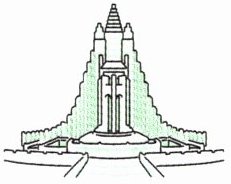
(
(
(
(
Dear Lili,
How are you? Last week, I had a good time with my parents in Harbin. We went there by plane. On the first day, we went to Harbin Ice and Snow World. It was great! There were big ice sculptures and other beautiful things. I played in the snow. On the second day, we went to the Sports Park. In the evening, we ate some delicious food. People use chopsticks in China. But I can't use them. On the third day, we went to a museum and saw the works of art. On the fourth day, we went to a shop and bought some gifts for my grandparents and our friends. I bought a picture of the Siberian Tiger(东北虎) for you.
Love,
Mary
(
T
)1. The underlined words "ice sculptures" mean "冰雕".(
F
)2. Mary can use chopsticks well in China.(
T
)3. Mary spent four days visiting different places in Harbin.(
T
)4. Mary wants to share her trip in Harbin with Lili.答案
1. T
2. F 【解析】邮件中“People use chopsticks in China. But I can't use them.”表明,Mary不会使用筷子。本题描述与原文不符。
3. T 4. T
2. F 【解析】邮件中“People use chopsticks in China. But I can't use them.”表明,Mary不会使用筷子。本题描述与原文不符。
3. T 4. T
解析
【分析】
本题是阅读理解判断正误题,解题思路为:先通读邮件内容理解大意,再针对每个小题的句子,回到原文定位对应信息,逐一比对句子描述与原文是否一致,以此判断对错。
【解析】
1. 划线短语“ice sculptures”中,ice意为“冰”,sculptures意为“雕塑”,组合含义为“冰雕”,与题目描述一致,故判断为T。
2. 原文明确表述“People use chopsticks in China. But I can't use them.”,说明Mary不会使用筷子,题目说她能很好使用筷子,与原文不符,故判断为F。
3. 邮件提及第一天去冰雪大世界、第二天去体育公园、第三天去博物馆、第四天去商店,共四天在哈尔滨游玩,题目描述与原文一致,故判断为T。
4. Mary给Lili发邮件分享自己在哈尔滨的旅行经历,说明她想和Lili分享这次旅行,题目描述与原文一致,故判断为T。
【答案】
1. T;2. F;3. T;4. T
【知识点】
阅读理解判断正误;词汇含义理解
【点评】
本题为基础阅读理解判断题,需学生紧扣原文细节比对,难度较低,适合巩固基础阅读能力。
【难度系数】
0.6
本题是阅读理解判断正误题,解题思路为:先通读邮件内容理解大意,再针对每个小题的句子,回到原文定位对应信息,逐一比对句子描述与原文是否一致,以此判断对错。
【解析】
1. 划线短语“ice sculptures”中,ice意为“冰”,sculptures意为“雕塑”,组合含义为“冰雕”,与题目描述一致,故判断为T。
2. 原文明确表述“People use chopsticks in China. But I can't use them.”,说明Mary不会使用筷子,题目说她能很好使用筷子,与原文不符,故判断为F。
3. 邮件提及第一天去冰雪大世界、第二天去体育公园、第三天去博物馆、第四天去商店,共四天在哈尔滨游玩,题目描述与原文一致,故判断为T。
4. Mary给Lili发邮件分享自己在哈尔滨的旅行经历,说明她想和Lili分享这次旅行,题目描述与原文一致,故判断为T。
【答案】
1. T;2. F;3. T;4. T
【知识点】
阅读理解判断正误;词汇含义理解
【点评】
本题为基础阅读理解判断题,需学生紧扣原文细节比对,难度较低,适合巩固基础阅读能力。
【难度系数】
0.6
