

 登录
B
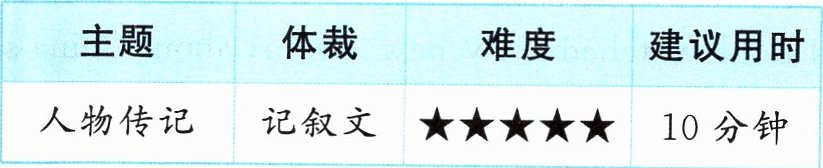
Thanks to the fast growth of technology, China’s aerospace industry (航空航天工业) has made amazing progress and attracted attention from all over the world. The Shenzhou-19 manned spaceship took off on October 30th, 2024. Song Lingdong was one of the astronauts on this mission (任务).
Born into a farmer’s family in Caoxian, Shandong Province, Song was recruited (招募) by the People’s Liberation Army Air Force (中国人民解放军空军) in 2008 and was sent to learn flying.
In the first months at the Air Force’s flight school, Song had bad scores on his tests because of longtime malnutrition (营养不良). He also went through a hard time flying in the training machine because of airsickness (晕机).
Knowing clearly about his weaknesses, Song decided to deal with them through hard work and strict training. He soon became the only student in his class who always appeared on the exercise field and often asked the trainers to double the amount of his training. Thanks to his hard work, he received the top score in his solo flight examination and was praised for his excellent performance.
Song Lingdong said that, when he was just 13, he watched a TV news report about China’s first spaceflight. ▲ In September 2020, he was chosen as one of the third group of astronauts and began his training in Beijing. Later, Song found he was troubled by his character—being impatient (没有耐心的). He soon realized that what a successful astronaut really needed was calmness and team spirit. He learned to slow down and even started going fishing to improve his patience.
Now, with the launch of Shenzhou-19, his dream has come true.
1. What’s the purpose of writing Paragraph 1?
A. To tell a story.
B. To tell the differences.
C. To introduce the background.
D. To introduce China’s aerospace industry.
2. What does the underlined word “weaknesses” mean in Chinese in Paragraph 4?
A. 担心
B. 弱点
C. 胆怯
D. 冷静
3. Which of the following can be put in “▲” in Paragraph 5?
A. That made him want to fly into space.
B. He wanted to be a successful astronaut.
C. That made him very interested in learning.
D. He thought the news report was very true.
4. Which of the following can best describe Song’s experience?
A. 长风破浪会有时,直挂云帆济沧海。
B. 黑发不知勤学早,白首方悔读书迟。
C. 读书不觉已春深,一寸光阴一寸金。
D. 江东子弟多才俊,卷土重来未可知。
答案
【文章大意】本文是一篇记叙文,主要讲述了中国航天员宋令东的成长经历,包括他的家庭背景、在空军飞行学校克服困难、为成为航天员努力训练并克服性格缺点,最终随着神舟十九号发射,梦想成真的故事,展现其为航天事业奋斗的历程。
1. C 推理判断题。根据“Thanks to the fast growth of technology... The Shenzhou-19 manned spaceship took off on October 30th, 2024. Song Lingdong was one of the astronauts on this mission.”可知,作者写文章第一段是为了引出宋令东及他参与神舟十九号任务这一背景。故选C。
2. B 词义猜测题。根据“In the first months at the Air Force's flight school, Song had bad scores on his tests because of longtime malnutrition. He also went through a hard time flying in the training machine because of airsickness.”可知,这些是宋令东存在的不足,即弱点,后面说他决定通过努力克服这些弱点,所以weaknesses意为“弱点”。故选B。
3. A 补全文章题。根据“Song Lingdong said that, when he was just 13, he watched a TV news report about China's first spaceflight.”并结合他后来成为航天员可推断,是这次观看让他有了飞入太空的想法,A选项使他“产生了飞入太空的想法。”符合题意。故选A。
4. A 推理判断题。通读原文可知,宋令东克服了营养不良、晕机、性格急躁等困难,最终实现航天梦想。A选项“尽管前路障碍重重,但仍会有一天乘长风破万里浪,挂上云帆,横渡沧海,到达理想的彼岸。”符合题意。故选A。
解析
【分析】
1. 第1题考查段落写作目的,需通读第一段内容,明确其核心是引出中国航天发展及神舟十九号任务、宋令东作为宇航员的背景,据此判断选项;
2. 第2题考查词义猜测,需定位到weaknesses所在段落,结合前文提到的宋令东的不足,推断该词含义;
3. 第3题考查句子还原,需联系上下文逻辑:前文提及13岁时看中国首次太空飞行的新闻,后文提到他成为航天员,因此中间需衔接该新闻对他的影响;
4. 第4题考查诗句理解,需梳理宋令东克服困难实现航天梦想的经历,匹配对应诗句的含义。
【解析】
1. 第1题:第一段先介绍中国航天快速发展的背景,再引出神舟十九号发射及宋令东是该任务的宇航员,目的是交代文章背景,故选C。
2. 第2题:根据第四段前文“had bad scores... because of longtime malnutrition”“went through a hard time... because of airsickness”可知,这些是宋令东的不足,即weaknesses意为“弱点”,故选B。
3. 第3题:前文提到13岁时看了中国首次太空飞行的新闻,后文提到他后来成为航天员,因此该新闻让他产生了飞入太空的想法,A选项符合逻辑,故选A。
4. 第4题:宋令东克服了营养不良、晕机、性格急躁等困难,最终实现航天梦想,A选项“长风破浪会有时,直挂云帆济沧海”表达了克服困难实现理想的决心,符合他的经历,故选A。
【答案】1.C 2.B 3.A 4.A
【知识点】阅读理解(人物传记类)、词义猜测题、推理判断题
【点评】本文为人物传记类记叙文,围绕航天员宋令东的追梦历程展开,题目涵盖写作目的、词义猜测、句子还原、诗句理解等题型,既考查学生的语篇细节理解与逻辑分析能力,又传递了励志向上的精神,难度适中,需学生结合上下文精准判断。
【难度系数】0.5
