

 登录
登录
五、短文填空
A 新模态 神话故事
KEY→P20
范畴:人与社会 主题:文学作品 体裁:说明文 难度:★★★★ 建议用时:8分钟 评价:/10
根据短文内容及所给首字母提示写出所缺单词,使短文意思完整,每空一词。
Do you hear of a small bird that is brave enough to challenge the big sea? The story of “Jingwei Filling the Sea” is a well-loved Chinese myth from an ancient book 1. n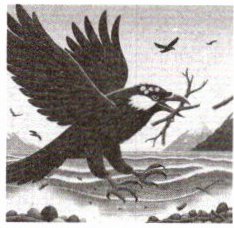
Jingwei was the daughter of Emperor Yan. One sunny day, she went to play 2. b
Looking at the sea, Jingwei thought, “I don't want 5. a
This story teaches us 8. t
Today, Jingwei's story is everywhere—in books, artworks, and cartoons. It reminds us that with a 10. s
A 新模态 神话故事
KEY→P20
范畴:人与社会 主题:文学作品 体裁:说明文 难度:★★★★ 建议用时:8分钟 评价:/10
根据短文内容及所给首字母提示写出所缺单词,使短文意思完整,每空一词。
Do you hear of a small bird that is brave enough to challenge the big sea? The story of “Jingwei Filling the Sea” is a well-loved Chinese myth from an ancient book 1. n
named
The Classic of Mountains and Seas. Jingwei was the daughter of Emperor Yan. One sunny day, she went to play 2. b
by
the sea. She was having so much fun until a sudden big wave came. Before she could swim back, the sea pulled her under, and she drowned. But that wasn't the 3. eend
of her story! After her death, she 4. tturned
into a beautiful bird with colourful feathers.Looking at the sea, Jingwei thought, “I don't want 5. a
anyone/anybody
else to die like me.” So, she made a brave decision: she would fill the sea with small stones and sticks! Every day, she flew to the mountains, 6. ppicked
up stones and sticks with her mouth, and dropped them into the sea. It was a hard 7. ttask
, and many thought she was crazy. But Jingwei didn't care. She kept going, day after day.This story teaches us 8. t
two
important things. First, we should always be brave, even when things seem impossible. Second, never 9. ggive
up, no matter how hard the job is. Ancient people told this story to encourage people to work hard.Today, Jingwei's story is everywhere—in books, artworks, and cartoons. It reminds us that with a 10. s
strong
heart, we can overcome any challenge.答案
本文主要讲述了《精卫填海》这一神话故事,教导人们面对困难要勇敢坚强、永不言弃。
1. named 根据空格前面的 book 和后面的 The Classic of Mountains and Seas 可知,此处指书名,故填 named,意思为“被命名为”。
2. by 精卫在海边玩耍,故填介词 by,意思为“在……旁边”。
3. end 根据上下文理解可知,精卫溺亡后,化成一只鸟,每日衔石头和枝条欲填平大海,说明死亡后,她的故事并没有结束,故填名词 end,意思为“结尾”。
4. turned 精卫死后变成了一只长着五彩缤纷羽毛的美丽小鸟。此处需要用固定动词短语 turn into,意思为“变成”,结合上下文时态可知,谓语动词要用过去式。
5. anyone/anybody 句意:我不想让别人像我一样死去。本句是否定句,故填不定代词 anyone 或 anybody。
6. picked 此处用固定动词短语 pick up,意为“捡起,拾起”,结合上下文时态可知,填过去式 picked。
7. task 根据后文 how hard the job is 可知,精卫用石头和枝条填平大海是一项艰巨的任务。
8. two 根据后文中的 First 和 Second 可知,该故事教会我们两件重要的事情,此处用基数词。
9. give 古人讲这个故事是为了鼓励人们努力工作,不要放弃。此处用固定动词短语 give up,意思为“放弃”。
10. strong 有了强大的内心,我们可以克服任何挑战。
1. named 根据空格前面的 book 和后面的 The Classic of Mountains and Seas 可知,此处指书名,故填 named,意思为“被命名为”。
2. by 精卫在海边玩耍,故填介词 by,意思为“在……旁边”。
3. end 根据上下文理解可知,精卫溺亡后,化成一只鸟,每日衔石头和枝条欲填平大海,说明死亡后,她的故事并没有结束,故填名词 end,意思为“结尾”。
4. turned 精卫死后变成了一只长着五彩缤纷羽毛的美丽小鸟。此处需要用固定动词短语 turn into,意思为“变成”,结合上下文时态可知,谓语动词要用过去式。
5. anyone/anybody 句意:我不想让别人像我一样死去。本句是否定句,故填不定代词 anyone 或 anybody。
6. picked 此处用固定动词短语 pick up,意为“捡起,拾起”,结合上下文时态可知,填过去式 picked。
7. task 根据后文 how hard the job is 可知,精卫用石头和枝条填平大海是一项艰巨的任务。
8. two 根据后文中的 First 和 Second 可知,该故事教会我们两件重要的事情,此处用基数词。
9. give 古人讲这个故事是为了鼓励人们努力工作,不要放弃。此处用固定动词短语 give up,意思为“放弃”。
10. strong 有了强大的内心,我们可以克服任何挑战。
