

 登录
登录
C
KEY→P24
范畴:人与自然 主题:和谐共生 体裁:说明文 难度:★★★★ 建议用时:8分钟 评价:/4
Before there were cities, natural areas covered the land. They were full of plants and animals and they had lakes and rivers. When it rained, the rain went into the ground. It didn't collect on top of the land and cause floods.
Floods are a problem for cities. Buildings and roads cover the land, so rain can't go straight into the ground. To fix that, cities developed systems for taking the rain away. However, when there is heavy rain and the systems fail, the cities flood.
Today, there are more and more floods because ofclimate change. Some cities are fighting the problem by becoming sponge(海绵) cities. They hope to act like sponges and soak up all the rain.
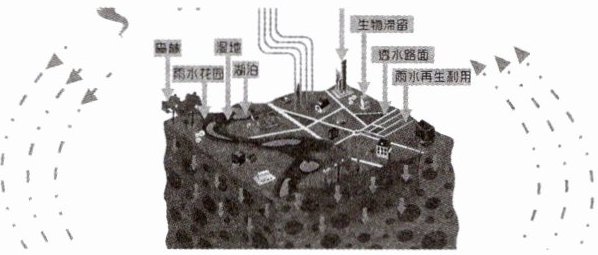
To become sponge cities,regular cities plant more trees along roads and sidewalks. They add more parks, ponds, and natural areas as well. What's more, they use special surfaces on the ground. Those surfaces catch, store, and clean the rain.
With all of these, sponge citiesaim to stop future floods. At the same time, the new green spaces provide the cities with cleaner air. They help keep them cool, and they create areas for local plants and animals to live in.
Sponge cities are good for the cities, their people, and the environment. They're the best and cheapest way to deal with some of the problems from climate change.As a result , more cities are looking to turning into sponge cities.
素材来源:《LiveABC 互动英语》
(
A. Rivers take away all the rain.
B. Systems take rain off the roads.
C. Rain stays on top of the land.
D. Rain goes straight into the ground.
(
A. look after
B. take in
C. find out
D. give up
(
A. Their green spaces keep their temperatures low.
B. They use surfaces that catch and keep the rain.
C. They have few natural areas with local plants.
D. Roads and sidewalks have lots of trees along them.
(
A. Nature.
B. Culture.
C. Fashion.
D. Health.
英语嗨吧
KEY→P24
范畴:人与自然 主题:和谐共生 体裁:说明文 难度:★★★★ 建议用时:8分钟 评价:/4
Before there were cities, natural areas covered the land. They were full of plants and animals and they had lakes and rivers. When it rained, the rain went into the ground. It didn't collect on top of the land and cause floods.
Floods are a problem for cities. Buildings and roads cover the land, so rain can't go straight into the ground. To fix that, cities developed systems for taking the rain away. However, when there is heavy rain and the systems fail, the cities flood.
Today, there are more and more floods because of
To become sponge cities,
With all of these, sponge cities
Sponge cities are good for the cities, their people, and the environment. They're the best and cheapest way to deal with some of the problems from climate change.
素材来源:《LiveABC 互动英语》
(
C
)1. What happens when there's a flood in a city?A. Rivers take away all the rain.
B. Systems take rain off the roads.
C. Rain stays on top of the land.
D. Rain goes straight into the ground.
(
B
)2. What does the underlined phrase "soak up" most probably mean?A. look after
B. take in
C. find out
D. give up
(
C
)3. What is NOT true about sponge cities?A. Their green spaces keep their temperatures low.
B. They use surfaces that catch and keep the rain.
C. They have few natural areas with local plants.
D. Roads and sidewalks have lots of trees along them.
(
A
)4. In which part of a magazine can we probably see this passage?A. Nature.
B. Culture.
C. Fashion.
D. Health.
英语嗨吧
答案
C
城市化破坏了自然的雨水渗透能力,导致洪水频发,同时气候变化加剧了这一问题。为解决此问题,城市正通过转变为“海绵城市”来吸收和利用雨水,这不仅能有效防洪,还能带来改善环境、保护生态等多重好处,是目前应对气候挑战的最佳方案。
1. C 细节理解题。根据第二段中的“Buildings and roads ... into the ground.”理解可知,城市被淹说明雨水停留在陆地上。
2. B 词义猜测题。句意:它们希望像海绵一样,吸收所有的雨水。结合第四段内容可知,海绵城市的道路和人行道边种植了更多的树木,城市中增加了更多的公园、池塘和自然区域,地面上使用特殊的表面,可以捕捉、储存和清洁雨水,故此处短语soak up是“吸收”的意思,跟短语take in意思相近。
3. C 细节理解题。根据第四段中的“They add more parks, ponds, and natural areas as well.”可知,海绵城市中增加了更多的公园、池塘和自然区域,故C项表述不正确。
4. A 推理判断题。根据文章内容可知,本文主要介绍了城市化破坏了自然的雨水渗透能力,导致洪水频发,目前许多城市正通过转变为“海绵城市”来防洪,改善环境,保护生态,从而应对气候变化的挑战。由此推断,读者们应该能在“自然”这一栏目读到该文。
城市化破坏了自然的雨水渗透能力,导致洪水频发,同时气候变化加剧了这一问题。为解决此问题,城市正通过转变为“海绵城市”来吸收和利用雨水,这不仅能有效防洪,还能带来改善环境、保护生态等多重好处,是目前应对气候挑战的最佳方案。
1. C 细节理解题。根据第二段中的“Buildings and roads ... into the ground.”理解可知,城市被淹说明雨水停留在陆地上。
2. B 词义猜测题。句意:它们希望像海绵一样,吸收所有的雨水。结合第四段内容可知,海绵城市的道路和人行道边种植了更多的树木,城市中增加了更多的公园、池塘和自然区域,地面上使用特殊的表面,可以捕捉、储存和清洁雨水,故此处短语soak up是“吸收”的意思,跟短语take in意思相近。
3. C 细节理解题。根据第四段中的“They add more parks, ponds, and natural areas as well.”可知,海绵城市中增加了更多的公园、池塘和自然区域,故C项表述不正确。
4. A 推理判断题。根据文章内容可知,本文主要介绍了城市化破坏了自然的雨水渗透能力,导致洪水频发,目前许多城市正通过转变为“海绵城市”来防洪,改善环境,保护生态,从而应对气候变化的挑战。由此推断,读者们应该能在“自然”这一栏目读到该文。
