

 登录
登录
[2026 江苏南京期末] The hippopotamus (河马), or hippo, lives in the hot part of Africa.
The hippo is a large grey animal with a big head and mouth. It
During the
At night, the hippo walks on the nearby land and looks for food. It never goes very
A baby hippo often stands on its mother's
()1. A. With B. Unlike C. Such D. Like
()2. A. worked B. stayed C. left D. born
()3. A. reaches B. weighs C. owns D. runs
()4. A. spends B. takes C. costs D. pays
()5. A. day B. week C. month D. season
()6. A. vegetables B. fishes C. plants D. insects
()7. A. above B. on C. under D. beside
()8. A. under B. beside C. above D. on
()9. A. far from B. long enough C. close to D. near by
()10. A. stomach B. back C. mouth D. head
D
1 humans, dogs, and whales, it is a mammal. That is to say, its babies are D
2 alive, and they drink milk from the mother's body.The hippo is a large grey animal with a big head and mouth. It
B
3 about three tons. The hippo almost only eats plants. It is a mammal, but it A
4 a lot of time in the water.During the
A
5, it sleeps in a river or a lake. Sometimes it wakes up. Then it goes under the water to get some C
6 for food and never catches fish or hunts other animals. It can close its nose and stay C
7 water for five minutes. Its ears, eyes, and nose are high up on its head. It can stay with its body under the water and only its ears, eyes, and nose C
8 the water. Then it can breathe the air.At night, the hippo walks on the nearby land and looks for food. It never goes very
A
9 the water.A baby hippo often stands on its mother's
B
10—the part of the body between the neck and legs. The mother looks for food underwater. The baby rides on her back above the water.()1. A. With B. Unlike C. Such D. Like
()2. A. worked B. stayed C. left D. born
()3. A. reaches B. weighs C. owns D. runs
()4. A. spends B. takes C. costs D. pays
()5. A. day B. week C. month D. season
()6. A. vegetables B. fishes C. plants D. insects
()7. A. above B. on C. under D. beside
()8. A. under B. beside C. above D. on
()9. A. far from B. long enough C. close to D. near by
()10. A. stomach B. back C. mouth D. head
答案
刷能力
完形填空·语篇导读 本文主要介绍了河马的习性与特征。
快速对答案
1—5 D D B A A
6—10 C C C A B
1. D 句意为:就像人类、狗和鲸一样,它是一种哺乳动物。根据“... humans, dogs, and whales, it is a mammal.”可知,此处表示举例,说明河马和人类、狗、鲸一样都是哺乳动物,故选 D 项。
2. D 句意为:也就是说,它的孩子生下来就是活着的,并且它们喝母亲的奶水。根据 it is a mammal 及常识可知,哺乳动物的幼崽出生时是活着的,故选 D 项。
3. B 句意为:它大约重三吨。根据 about three tons 可知此处是在讲河马的体重,故选 B 项。
4. A 句意为:它是哺乳动物,但是它花很多时间待在水里。本句主语是 it,指代上文提到的河马,且此处表示“花费时间”,应用 spends,故选 A 项。
5. A 句意为:白天的时候,它睡在河里或者湖里。根据下文 At night 并结合选项可知此处表示“白天”,故选 A 项。
6. C 句意为:然后它到水下找一些植物作为食物,它从来不抓鱼,也不猎食其他动物。根据上文“The hippo almost only eats plants.”可知此处指河马待到水下找植物来吃,故选 C 项。
7. C 句意为:它可以关闭鼻子,在水下待五分钟。结合语境可知此处表示河马待在水下的习性,故选 C 项。
8. C 句意为:它可以保持身体在水下,只有耳朵、眼睛和鼻子在水面上方。根据下文“Then it can breathe the air.”可知此时河马可以呼吸,所以它的鼻子在水面上方。故选 C 项。
9. A 句意为:它从来不会走得离水很远。结合语境和常识可知,河马离不开水,故选 A 项。
10. B 句意为:河马宝宝经常站在妈妈的背上——身体上脖子和腿之间的位置。根据 the part of the body between the neck and legs 及 rides on her back 可知,这里表示后背。故选 B 项。
完形填空·语篇导读 本文主要介绍了河马的习性与特征。
快速对答案
1—5 D D B A A
6—10 C C C A B
1. D 句意为:就像人类、狗和鲸一样,它是一种哺乳动物。根据“... humans, dogs, and whales, it is a mammal.”可知,此处表示举例,说明河马和人类、狗、鲸一样都是哺乳动物,故选 D 项。
2. D 句意为:也就是说,它的孩子生下来就是活着的,并且它们喝母亲的奶水。根据 it is a mammal 及常识可知,哺乳动物的幼崽出生时是活着的,故选 D 项。
3. B 句意为:它大约重三吨。根据 about three tons 可知此处是在讲河马的体重,故选 B 项。
4. A 句意为:它是哺乳动物,但是它花很多时间待在水里。本句主语是 it,指代上文提到的河马,且此处表示“花费时间”,应用 spends,故选 A 项。
5. A 句意为:白天的时候,它睡在河里或者湖里。根据下文 At night 并结合选项可知此处表示“白天”,故选 A 项。
6. C 句意为:然后它到水下找一些植物作为食物,它从来不抓鱼,也不猎食其他动物。根据上文“The hippo almost only eats plants.”可知此处指河马待到水下找植物来吃,故选 C 项。
7. C 句意为:它可以关闭鼻子,在水下待五分钟。结合语境可知此处表示河马待在水下的习性,故选 C 项。
8. C 句意为:它可以保持身体在水下,只有耳朵、眼睛和鼻子在水面上方。根据下文“Then it can breathe the air.”可知此时河马可以呼吸,所以它的鼻子在水面上方。故选 C 项。
9. A 句意为:它从来不会走得离水很远。结合语境和常识可知,河马离不开水,故选 A 项。
10. B 句意为:河马宝宝经常站在妈妈的背上——身体上脖子和腿之间的位置。根据 the part of the body between the neck and legs 及 rides on her back 可知,这里表示后背。故选 B 项。
解析
【分析】
本题是一篇介绍河马特征与习性的完形填空题,解题思路为:1. 先通读全文把握主旨,明确文章围绕河马的生活区域、生理特征、食性、习性展开;2. 逐题分析时,结合句子语境、词汇词义辨析、固定搭配及相关常识确定答案;3. 最后检查所选答案是否符合上下文逻辑。
【解析】
1. 句意为:就像人类、狗和鲸一样,它是一种哺乳动物。此处表示“像……一样”,like符合语境,故选D。
2. 句意为:也就是说,它的幼崽生下来就是活着的,并且喝母亲的奶水。根据哺乳动物常识,幼崽出生时为活体,born符合,故选D。
3. 句意为:它大约重三吨。此处描述体重,weighs(重……)符合语境,故选B。
4. 句意为:它是哺乳动物,但花很多时间待在水里。主语为it,“花费时间”用spends,故选A。
5. 句意为:白天,它睡在河里或湖里。下文提到At night,对应day,故选A。
6. 句意为:然后它到水下找一些植物作为食物,从不抓鱼或猎食其他动物。根据上文“河马几乎只吃植物”,选plants,故选C。
7. 句意为:它可以关闭鼻子,在水下待五分钟。结合语境,under water(在水下)符合,故选C。
8. 句意为:它身体在水下,只有耳朵、眼睛和鼻子在水面上方。根据下文“能呼吸空气”,可知这些器官在水面上方,above符合,故选C。
9. 句意为:它从来不会走得离水很远。结合河马离不开水的常识,far from(远离)符合,故选A。
10. 句意为:河马宝宝经常站在妈妈的背上——脖子和腿之间的身体部位。根据下文“rides on her back”,可知是back,故选B。
【答案】
1.D 2.D 3.B 4.A 5.A 6.C 7.C 8.C 9.A 10.B
【知识点】
完形填空解题 词汇词义辨析 常识运用
【点评】
本文为介绍河马的说明文,考查学生的阅读理解能力、词汇辨析能力及常识运用能力,要求学生结合上下文语境和常识选择合适词汇,是典型的初中英语期末完形填空题型。
【难度系数】
0.6
本题是一篇介绍河马特征与习性的完形填空题,解题思路为:1. 先通读全文把握主旨,明确文章围绕河马的生活区域、生理特征、食性、习性展开;2. 逐题分析时,结合句子语境、词汇词义辨析、固定搭配及相关常识确定答案;3. 最后检查所选答案是否符合上下文逻辑。
【解析】
1. 句意为:就像人类、狗和鲸一样,它是一种哺乳动物。此处表示“像……一样”,like符合语境,故选D。
2. 句意为:也就是说,它的幼崽生下来就是活着的,并且喝母亲的奶水。根据哺乳动物常识,幼崽出生时为活体,born符合,故选D。
3. 句意为:它大约重三吨。此处描述体重,weighs(重……)符合语境,故选B。
4. 句意为:它是哺乳动物,但花很多时间待在水里。主语为it,“花费时间”用spends,故选A。
5. 句意为:白天,它睡在河里或湖里。下文提到At night,对应day,故选A。
6. 句意为:然后它到水下找一些植物作为食物,从不抓鱼或猎食其他动物。根据上文“河马几乎只吃植物”,选plants,故选C。
7. 句意为:它可以关闭鼻子,在水下待五分钟。结合语境,under water(在水下)符合,故选C。
8. 句意为:它身体在水下,只有耳朵、眼睛和鼻子在水面上方。根据下文“能呼吸空气”,可知这些器官在水面上方,above符合,故选C。
9. 句意为:它从来不会走得离水很远。结合河马离不开水的常识,far from(远离)符合,故选A。
10. 句意为:河马宝宝经常站在妈妈的背上——脖子和腿之间的身体部位。根据下文“rides on her back”,可知是back,故选B。
【答案】
1.D 2.D 3.B 4.A 5.A 6.C 7.C 8.C 9.A 10.B
【知识点】
完形填空解题 词汇词义辨析 常识运用
【点评】
本文为介绍河马的说明文,考查学生的阅读理解能力、词汇辨析能力及常识运用能力,要求学生结合上下文语境和常识选择合适词汇,是典型的初中英语期末完形填空题型。
【难度系数】
0.6
[2026 江苏扬州期末]①Around the world, many wild animals are in danger of extinction (灭绝) because they have no place to live in. Endangered (濒危的) wild animals live all over the world and you may find some in your hometown. Here are some steps for protecting endangered animals.
②Step 1: Find out what animals are in danger. Spend some time learning about animals and what their favourite places are.
③Step 2: Do something for nature reserves. Nature reserves are good places to help protect endangered animals. You can give some money to nature reserves or spend your time helping the nature reserves to protect endangered animals.
④Step 3: Never buy anything that is made from endangered animals. Don't do harm to endangered animals or their living places. Instead, we should try our best to protect them.
⑤Step 4: Join an endangered animal protection organization. You can save animals through these organizations by planting more trees and calling for more people to protect animals.
⑥If everyone works hard to protect endangered animals, we'll get a more beautiful world. Let's take action from now on!
(
A. Because they don't have enough food or water.
B. Because they don't have fresh air to breathe.
C. Because they have no place to live in.
D. Because people buy things that are made from endangered animals.
(
A.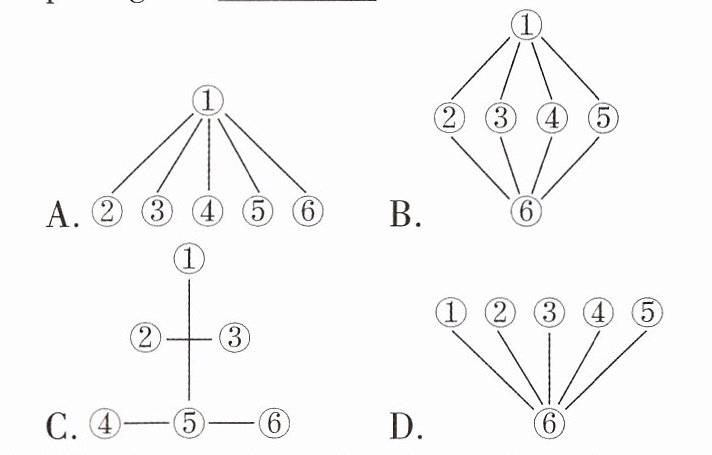 B.
B.
C. D.
(
A. Wild Animals
B. Nature Reserves
C. Endangered Animals
D. Protecting Endangered Animals
②Step 1: Find out what animals are in danger. Spend some time learning about animals and what their favourite places are.
③Step 2: Do something for nature reserves. Nature reserves are good places to help protect endangered animals. You can give some money to nature reserves or spend your time helping the nature reserves to protect endangered animals.
④Step 3: Never buy anything that is made from endangered animals. Don't do harm to endangered animals or their living places. Instead, we should try our best to protect them.
⑤Step 4: Join an endangered animal protection organization. You can save animals through these organizations by planting more trees and calling for more people to protect animals.
⑥If everyone works hard to protect endangered animals, we'll get a more beautiful world. Let's take action from now on!
(
C
)11. Why are many wild animals in danger of extinction according to the passage?A. Because they don't have enough food or water.
B. Because they don't have fresh air to breathe.
C. Because they have no place to live in.
D. Because people buy things that are made from endangered animals.
(
B
)12. (新考法 篇章结构) The right structure of this passage is .A.
B.C. D.
(
D
)13. Which can be the best title for the passage?A. Wild Animals
B. Nature Reserves
C. Endangered Animals
D. Protecting Endangered Animals
答案
阅读选择·语篇导读 本文介绍了如何保护濒临灭绝的动物。
快速对答案
11—13 C B D
11. C 细节理解题。根据第一段的“Around the world, many wild animals are in danger of extinction because they have no place to live in.”可知,很多野生动物处于灭绝的危险中是因为它们没有地方生活。故选 C 项。
12. B 推理判断题。第一段总述要保护濒临灭绝的动物;第二、三、四、五段分别介绍了保护濒临灭绝的动物的步骤;第六段呼吁大家付诸行动来保护濒临灭绝的动物。因此本文结构为“总—分—总”。故选 B 项。
13. D 主旨大意题。通读全文可知,本文主要介绍了如何保护濒临灭绝的动物。故选 D 项。
快速对答案
11—13 C B D
11. C 细节理解题。根据第一段的“Around the world, many wild animals are in danger of extinction because they have no place to live in.”可知,很多野生动物处于灭绝的危险中是因为它们没有地方生活。故选 C 项。
12. B 推理判断题。第一段总述要保护濒临灭绝的动物;第二、三、四、五段分别介绍了保护濒临灭绝的动物的步骤;第六段呼吁大家付诸行动来保护濒临灭绝的动物。因此本文结构为“总—分—总”。故选 B 项。
13. D 主旨大意题。通读全文可知,本文主要介绍了如何保护濒临灭绝的动物。故选 D 项。
解析
【分析】
1. 第11题是细节理解题,需定位原文找野生动物濒危的原因;2. 第12题是篇章结构题,需梳理文章段落逻辑,判断结构类型;3. 第13题是主旨大意题,需概括全文核心内容确定标题。
【解析】
11题:根据第一段“Around the world, many wild animals are in danger of extinction because they have no place to live in.”可知,野生动物濒危的原因是没有栖息地,故选C。
12题:文章第一段总述保护濒危动物的话题,Step1-4分述具体保护步骤,第六段总结呼吁行动,为“总—分—总”结构,对应选项B的结构,故选B。
13题:全文围绕保护濒危动物的方法展开,核心是呼吁保护濒危动物,故选D。
【答案】11.C 12.B 13.D
【知识点】细节理解题、篇章结构题、主旨大意题
【点评】本题为英语阅读理解题,涵盖细节、结构、主旨三类题型,需学生具备信息定位、结构分析、主旨概括能力,难度适中。
【难度系数】0.6
1. 第11题是细节理解题,需定位原文找野生动物濒危的原因;2. 第12题是篇章结构题,需梳理文章段落逻辑,判断结构类型;3. 第13题是主旨大意题,需概括全文核心内容确定标题。
【解析】
11题:根据第一段“Around the world, many wild animals are in danger of extinction because they have no place to live in.”可知,野生动物濒危的原因是没有栖息地,故选C。
12题:文章第一段总述保护濒危动物的话题,Step1-4分述具体保护步骤,第六段总结呼吁行动,为“总—分—总”结构,对应选项B的结构,故选B。
13题:全文围绕保护濒危动物的方法展开,核心是呼吁保护濒危动物,故选D。
【答案】11.C 12.B 13.D
【知识点】细节理解题、篇章结构题、主旨大意题
【点评】本题为英语阅读理解题,涵盖细节、结构、主旨三类题型,需学生具备信息定位、结构分析、主旨概括能力,难度适中。
【难度系数】0.6
