

 登录
登录
Ⅵ. 跨学科 诗歌《送元二使安西》鉴赏 语法填空
Life is full of farewells(告别). That's perhaps why this theme has been written about by poets around the world. It's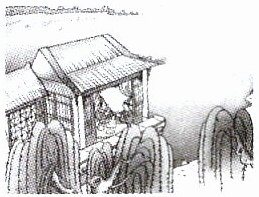
sad to say goodbye to our friends and family members. Instead of simply expressing sadness, many poets see farewells from a positive perspective(乐观的视角). Let's see.
送元二使安西
唐·王维
渭城朝雨浥轻尘,
客舍青青柳色新。
劝君更尽一杯酒,
西出阳关无故人。
A Farewell Song
Wang Wei
No dust is raised on the road wet with morning rain;
The willows by the hotel look so fresh and green.
I invite you to drink a cup of wine again;
West of the sunny pass no more friends will be seen.
(Translated by Xu Yuanchong)
$"A Farewell Song" is a famous poem by Wang Wei, a well-known poet from China's Tang Dynasty. He is famous \underline{1} his deep and touching \underline{2} ( describe ) of nature and emotions.$
$Wang Wei was not just a poet, but also an artist and a government official. He \underline{3} (like) to make his poems peaceful and make readers \underline{4} ( think ) about themselves. His poems often show how people and nature can live together \underline{5} (peace).$
$Looking at the style of writing, the poet uses simple language \underline{6} is filled with emotion. The line "No dust is raised on the road wet with morning rain" creates a peaceful image of a quiet morning, which is like a peaceful moment before something big happens. "The willows by the hotel look so fresh and green" adds to the peaceful and hopeful feeling by \underline{7} ( paint ) a picture of fresh, new spring. The willow($柳树$) branches \underline{8} (consider) as a typical symbol of farewell in China. In ancient times, Chinese people often used them as a parting ( $分 别 的 ) gift between friends and family.
$"I invite you to drink a cup of wine again" is the poet's warm and real way of not wanting to say goodbye to his friend. Having another drink together is like a symbol of \underline{9} ( they ) goodbye. Lastly, "West of the sunny pass no more friends will be seen" shows the feeling of being alone and missing someone. Also shows his sincere($真诚的) love and care for his friend.
$In general, this poem creates a feeling of quiet \underline{10} (sad). It mixes beautiful pictures and human feelings to deeply express the universal experience of saying goodbye.$
1.
4.
7.
10.
Life is full of farewells(告别). That's perhaps why this theme has been written about by poets around the world. It's
sad to say goodbye to our friends and family members. Instead of simply expressing sadness, many poets see farewells from a positive perspective(乐观的视角). Let's see.
送元二使安西
唐·王维
渭城朝雨浥轻尘,
客舍青青柳色新。
劝君更尽一杯酒,
西出阳关无故人。
A Farewell Song
Wang Wei
No dust is raised on the road wet with morning rain;
The willows by the hotel look so fresh and green.
I invite you to drink a cup of wine again;
West of the sunny pass no more friends will be seen.
(Translated by Xu Yuanchong)
$"A Farewell Song" is a famous poem by Wang Wei, a well-known poet from China's Tang Dynasty. He is famous \underline{1} his deep and touching \underline{2} ( describe ) of nature and emotions.$
$Wang Wei was not just a poet, but also an artist and a government official. He \underline{3} (like) to make his poems peaceful and make readers \underline{4} ( think ) about themselves. His poems often show how people and nature can live together \underline{5} (peace).$
$Looking at the style of writing, the poet uses simple language \underline{6} is filled with emotion. The line "No dust is raised on the road wet with morning rain" creates a peaceful image of a quiet morning, which is like a peaceful moment before something big happens. "The willows by the hotel look so fresh and green" adds to the peaceful and hopeful feeling by \underline{7} ( paint ) a picture of fresh, new spring. The willow($柳树$) branches \underline{8} (consider) as a typical symbol of farewell in China. In ancient times, Chinese people often used them as a parting ( $分 别 的 ) gift between friends and family.
$"I invite you to drink a cup of wine again" is the poet's warm and real way of not wanting to say goodbye to his friend. Having another drink together is like a symbol of \underline{9} ( they ) goodbye. Lastly, "West of the sunny pass no more friends will be seen" shows the feeling of being alone and missing someone. Also shows his sincere($真诚的) love and care for his friend.
$In general, this poem creates a feeling of quiet \underline{10} (sad). It mixes beautiful pictures and human feelings to deeply express the universal experience of saying goodbye.$
1.
for
2. descriptions
3. liked
4.
think
5. peacefully
6. that/which
7.
painting
8. are considered
9. their
10.
sadness
答案
Ⅵ. [文章大意]本文主要介绍了王维的著名诗歌《送元二使安西》。
1. for 2. descriptions 3. liked 4. think 5. peacefully
6. that/which 7. painting 8. are considered 9. their
10. sadness
素养考向 本文是关于王维《送元二使安西》的英译本及赏析类文章,核心考向聚焦于借助文学赏析类英语文本了解中国古典诗歌的翻译特点与文化内涵,通过语言学习搭建中英文学与文化对比的认知桥梁,同时培养学生对诗歌类文本的语言分析、情感体悟能力,以及对中国古典文学与跨文化翻译的理解和鉴赏意识。
1. for 2. descriptions 3. liked 4. think 5. peacefully
6. that/which 7. painting 8. are considered 9. their
10. sadness
素养考向 本文是关于王维《送元二使安西》的英译本及赏析类文章,核心考向聚焦于借助文学赏析类英语文本了解中国古典诗歌的翻译特点与文化内涵,通过语言学习搭建中英文学与文化对比的认知桥梁,同时培养学生对诗歌类文本的语言分析、情感体悟能力,以及对中国古典文学与跨文化翻译的理解和鉴赏意识。
解析
【分析】
这是一篇结合中国古典诗词文化的语篇语法填空题,解题时首先通读全文,明确文章核心是介绍唐代诗人王维的诗作《送元二使安西》,把握整体时态以一般现在时和一般过去时结合的特点,再逐个分析空格:
1. 观察第1空前后,前面是be famous结构,后面接他闻名的原因,直接对应固定搭配考点;
2. 第2空前面是形容词修饰成分,后续没有其他核心名词,需要把提示动词转换为名词形式,结合语境判断单复数;
3. 第3空主语是王维,属于古代历史人物,描述他过去的创作习惯,要使用动词的一般过去式;
4. 第4空前面是使役动词make,回忆make的固定用法,判断后续非谓语的形式;
5. 第5空需要修饰前面的动词短语live together,要把提示形容词转换为副词形式;
6. 第6空前后分别是先行词和从句,判断为定语从句,先行词指物且从句缺主语,选择对应的关系代词;
7. 第7空前面是介词by,介词后面的动词要变为动名词形式;
8. 第8空主语是柳枝,和提示动词consider是被动关系,描述客观文化常识,用一般现在时的被动语态;
9. 第9空后面是名词goodbye,需要把主格代词转换为形容词性物主代词修饰名词;
10. 第10空前面是形容词quiet,形容词后续要接名词,把提示形容词sad转换为名词形式。
【解析】
1. 考查固定搭配be famous for,意为“因……而著名”,此处表达王维以对自然和情感的深刻动人的描绘而闻名,故填for。
2. 考查词形转换,形容词deep and touching后需要接名词,动词describe的名词形式是description,此处表示多维度的描绘,用复数形式descriptions。
3. 考查一般过去时,王维是唐代古代人物,描述他过去的创作偏好,动词like要使用一般过去式liked。
4. 考查固定搭配make sb. do sth.,意为“让某人做某事”,使役动词make后接不带to的不定式作宾语补足语,故填动词原形think。
5. 考查词形转换,此处需要修饰动词短语live together,要将形容词peace变为副词peacefully,意为“平和地”。
6. 考查定语从句关系代词,先行词是language,指物,定语从句中缺少主语,可用关系代词that或者which引导。
7. 考查非谓语动词,介词by后接动词时需要使用动名词形式,故paint变为painting。
8. 考查一般现在时的被动语态,主语The willow branches和动词consider是被动关系,此处介绍中国文化的客观常识,主语是复数,故填are considered。
9. 考查代词转换,此处修饰后面的名词goodbye,需要将主格they变为形容词性物主代词their。
10. 考查词形转换,形容词quiet后需要接名词,形容词sad的名词形式是sadness。
【答案】
1. for 2. descriptions 3. liked 4. think 5. peacefully 6. that/which 7. painting 8. are considered 9. their 10. sadness
【知识点】
固定短语搭配,词形变换,定语从句
【点评】
本题将英语语法填空考点和中国古典诗词文化相结合,既覆盖了中学阶段核心的语法考点,又融入了《送元二使安西》的相关文化常识,引导学生在练习英语的同时了解中国传统文学的魅力,题目考点常规,只要掌握基础语法规则结合语境分析即可顺利作答。
【难度系数】
0.6
这是一篇结合中国古典诗词文化的语篇语法填空题,解题时首先通读全文,明确文章核心是介绍唐代诗人王维的诗作《送元二使安西》,把握整体时态以一般现在时和一般过去时结合的特点,再逐个分析空格:
1. 观察第1空前后,前面是be famous结构,后面接他闻名的原因,直接对应固定搭配考点;
2. 第2空前面是形容词修饰成分,后续没有其他核心名词,需要把提示动词转换为名词形式,结合语境判断单复数;
3. 第3空主语是王维,属于古代历史人物,描述他过去的创作习惯,要使用动词的一般过去式;
4. 第4空前面是使役动词make,回忆make的固定用法,判断后续非谓语的形式;
5. 第5空需要修饰前面的动词短语live together,要把提示形容词转换为副词形式;
6. 第6空前后分别是先行词和从句,判断为定语从句,先行词指物且从句缺主语,选择对应的关系代词;
7. 第7空前面是介词by,介词后面的动词要变为动名词形式;
8. 第8空主语是柳枝,和提示动词consider是被动关系,描述客观文化常识,用一般现在时的被动语态;
9. 第9空后面是名词goodbye,需要把主格代词转换为形容词性物主代词修饰名词;
10. 第10空前面是形容词quiet,形容词后续要接名词,把提示形容词sad转换为名词形式。
【解析】
1. 考查固定搭配be famous for,意为“因……而著名”,此处表达王维以对自然和情感的深刻动人的描绘而闻名,故填for。
2. 考查词形转换,形容词deep and touching后需要接名词,动词describe的名词形式是description,此处表示多维度的描绘,用复数形式descriptions。
3. 考查一般过去时,王维是唐代古代人物,描述他过去的创作偏好,动词like要使用一般过去式liked。
4. 考查固定搭配make sb. do sth.,意为“让某人做某事”,使役动词make后接不带to的不定式作宾语补足语,故填动词原形think。
5. 考查词形转换,此处需要修饰动词短语live together,要将形容词peace变为副词peacefully,意为“平和地”。
6. 考查定语从句关系代词,先行词是language,指物,定语从句中缺少主语,可用关系代词that或者which引导。
7. 考查非谓语动词,介词by后接动词时需要使用动名词形式,故paint变为painting。
8. 考查一般现在时的被动语态,主语The willow branches和动词consider是被动关系,此处介绍中国文化的客观常识,主语是复数,故填are considered。
9. 考查代词转换,此处修饰后面的名词goodbye,需要将主格they变为形容词性物主代词their。
10. 考查词形转换,形容词quiet后需要接名词,形容词sad的名词形式是sadness。
【答案】
1. for 2. descriptions 3. liked 4. think 5. peacefully 6. that/which 7. painting 8. are considered 9. their 10. sadness
【知识点】
固定短语搭配,词形变换,定语从句
【点评】
本题将英语语法填空考点和中国古典诗词文化相结合,既覆盖了中学阶段核心的语法考点,又融入了《送元二使安西》的相关文化常识,引导学生在练习英语的同时了解中国传统文学的魅力,题目考点常规,只要掌握基础语法规则结合语境分析即可顺利作答。
【难度系数】
0.6
