

 登录
登录
(
A.can
B.need to
C.mustn’t
B
) 3. To win tug of war, all team members pull the rope hard at the same time (同时).A.can
B.need to
C.mustn’t
答案
3. B
解析
【分析】首先明确句子含义:为了赢得拔河比赛,所有队员需要同时用力拉绳子。接着分析各选项的含义:A选项can表示“能够”,侧重能力;B选项need to表示“需要”,侧重动作的必要性;C选项mustn’t表示“禁止”,语义不符合语境。结合拔河的常识,赢比赛需要队员同时用力,是“需要”这么做,由此确定答案。
【解析】先翻译句子:为了赢得拔河比赛,所有队员需要同时用力拉绳子。再逐一分析选项:A.can强调能力,不符合语境;B.need to表示必要性,符合拔河赢的要求;C.mustn’t表禁止,语义矛盾,排除。因此选B。
【答案】B
【知识点】情态动词辨析
【点评】本题考查情态动词在语境中的词义辨析,需结合句意和常识判断,属于基础题型。
【难度系数】0.7
【解析】先翻译句子:为了赢得拔河比赛,所有队员需要同时用力拉绳子。再逐一分析选项:A.can强调能力,不符合语境;B.need to表示必要性,符合拔河赢的要求;C.mustn’t表禁止,语义矛盾,排除。因此选B。
【答案】B
【知识点】情态动词辨析
【点评】本题考查情态动词在语境中的词义辨析,需结合句意和常识判断,属于基础题型。
【难度系数】0.7
(
A.practises
B.practise
C.practising
A
) 4. My sister dragon dance every Sunday. She wants to join the school team.A.practises
B.practise
C.practising
答案
4. A
解析
【分析】首先根据句中时间状语“every Sunday”判断句子时态为一般现在时,再结合主语“My sister”是第三人称单数,确定谓语动词需用第三人称单数形式,最后分析选项选出正确答案。
【解析】1. 判断时态:“every Sunday”表示经常性、习惯性的动作,说明句子用一般现在时。2. 确定动词形式:主语“My sister”是第三人称单数,一般现在时中,第三人称单数作主语时,谓语动词要用第三人称单数形式。3. 分析选项:A选项practises是动词第三人称单数形式,B选项practise是动词原形,C选项practising是现在分词,不符合要求,因此选A。
【答案】A
【知识点】一般现在时、动词第三人称单数
【点评】本题考查一般现在时的动词形式,是英语基础时态考点,需掌握时间状语和主语单复数对动词形式的影响。
【难度系数】0.7
【解析】1. 判断时态:“every Sunday”表示经常性、习惯性的动作,说明句子用一般现在时。2. 确定动词形式:主语“My sister”是第三人称单数,一般现在时中,第三人称单数作主语时,谓语动词要用第三人称单数形式。3. 分析选项:A选项practises是动词第三人称单数形式,B选项practise是动词原形,C选项practising是现在分词,不符合要求,因此选A。
【答案】A
【知识点】一般现在时、动词第三人称单数
【点评】本题考查一般现在时的动词形式,是英语基础时态考点,需掌握时间状语和主语单复数对动词形式的影响。
【难度系数】0.7
(
A.Sit
B.Standing
C.To run
A
) 5. Mr Li says, “ like a bell when you sit. It helps you keep straight.”A.Sit
B.Standing
C.To run
答案
5. A
解析
【分析】本题考查祈使句的用法,解题时需先明确祈使句的结构特点:祈使句用于表达建议、命令等,以动词原形开头。结合句意“坐的时候要像钟一样(坐)”,可知此处需要动词原形构成祈使句,据此分析选项即可得出答案。
【解析】祈使句的核心结构是“动词原形+其他”,用于提出要求或建议。句中Mr Li说的是坐的姿势要求,需用动词原形开头的祈使句。A选项Sit是动词原形,符合祈使句结构;B选项Standing是动名词,C选项To run是动词不定式,均不符合祈使句的结构要求,因此选A。
【答案】A
【知识点】祈使句用法
【点评】本题考查英语基础的祈使句结构,属于语法基础题,只要掌握祈使句以动词原形开头的规则就能快速选出正确答案,难度较低。
【难度系数】0.2
【解析】祈使句的核心结构是“动词原形+其他”,用于提出要求或建议。句中Mr Li说的是坐的姿势要求,需用动词原形开头的祈使句。A选项Sit是动词原形,符合祈使句结构;B选项Standing是动名词,C选项To run是动词不定式,均不符合祈使句的结构要求,因此选A。
【答案】A
【知识点】祈使句用法
【点评】本题考查英语基础的祈使句结构,属于语法基础题,只要掌握祈使句以动词原形开头的规则就能快速选出正确答案,难度较低。
【难度系数】0.2
(
— Because it is very .
A.excited
B.exciting
C.excite
B
) 6. — Why do you like kite-flying?— Because it is very .
A.excited
B.exciting
C.excite
答案
6. B
解析
【分析】首先,需明确空格处的词性及修饰对象:句子主语it指代“放风筝这件事”,空格处需填形容词作表语,且要区分易混形容词的用法。
【解析】第一步:分析句子结构,be动词is后需接形容词作表语,排除动词形式的C选项excite;第二步:辨析形容词:A选项excited用于修饰人,指人的感受,不符合修饰“事物(放风筝)”的要求;B选项exciting用于修饰物,指事物本身令人兴奋,符合语境。因此选B。
【答案】B
【知识点】形容词辨析
【点评】本题考查-ing形容词与-ed形容词的用法区别,需掌握“ing修饰物、ed修饰人”的基础规则,是英语常考的基础考点。
【难度系数】0.4
【解析】第一步:分析句子结构,be动词is后需接形容词作表语,排除动词形式的C选项excite;第二步:辨析形容词:A选项excited用于修饰人,指人的感受,不符合修饰“事物(放风筝)”的要求;B选项exciting用于修饰物,指事物本身令人兴奋,符合语境。因此选B。
【答案】B
【知识点】形容词辨析
【点评】本题考查-ing形容词与-ed形容词的用法区别,需掌握“ing修饰物、ed修饰人”的基础规则,是英语常考的基础考点。
【难度系数】0.4
(
A.is
B.are
C.was
A
) 7. There a small kite and two yo-yos in my toy box.A.is
B.are
C.was
答案
7. A
解析
【分析】本题考查there be句型的主谓一致,需遵循就近原则,即be动词的形式由离它最近的名词决定,同时结合句子时态判断be动词形式。首先找到离be动词最近的名词,确定其单复数,再结合句子时态选择合适的be动词。
【解析】there be句型的主谓一致遵循“就近原则”,即be动词的单复数由靠近它的主语决定。本句中,靠近be动词的主语是“a small kite”,为单数可数名词,且句子描述的是当前的状态,使用一般现在时,因此be动词应用is,对应选项A。
【答案】A
【知识点】there be句型、就近原则、一般现在时
【点评】本题是there be句型的基础考查题,核心考点为就近原则,只要掌握该规则即可快速选出正确答案,属于英语语法中的基础题型。
【难度系数】0.7
【解析】there be句型的主谓一致遵循“就近原则”,即be动词的单复数由靠近它的主语决定。本句中,靠近be动词的主语是“a small kite”,为单数可数名词,且句子描述的是当前的状态,使用一般现在时,因此be动词应用is,对应选项A。
【答案】A
【知识点】there be句型、就近原则、一般现在时
【点评】本题是there be句型的基础考查题,核心考点为就近原则,只要掌握该规则即可快速选出正确答案,属于英语语法中的基础题型。
【难度系数】0.7
(
A.interesting
B.more interesting
C.most interesting
B
) 8. I think kite-flying is than Chinese yo-yo. I can see the kite fly in the sky.A.interesting
B.more interesting
C.most interesting
答案
8. B
解析
【分析】首先观察句子中的关键词“than”,它是形容词比较级的标志词,说明此处需要使用形容词的比较级形式。选项A是形容词原级,选项C是形容词最高级(最高级前通常需加定冠词the,且此处无明确比较范围),均不符合语境,因此需选择多音节形容词interesting的正确比较级形式。
【解析】句中出现“than”,用于两者之间的比较,需用形容词比较级。interesting是多音节形容词,其比较级为more interesting;A为原级、C为最高级,均不符合要求,故答案为B。
【答案】B
【知识点】形容词比较级
【点评】本题考查形容词比较级的基础用法,核心是识别比较级标志词than,属于语法基础题,侧重对规则的直接应用。
【难度系数】0.7
【解析】句中出现“than”,用于两者之间的比较,需用形容词比较级。interesting是多音节形容词,其比较级为more interesting;A为原级、C为最高级,均不符合要求,故答案为B。
【答案】B
【知识点】形容词比较级
【点评】本题考查形容词比较级的基础用法,核心是识别比较级标志词than,属于语法基础题,侧重对规则的直接应用。
【难度系数】0.7
(
— Of course! Let’s try it together.
A.Do
B.Will
C.Are
B
) 9. — you show me how to spin the Chinese yo-yo?— Of course! Let’s try it together.
A.Do
B.Will
C.Are
答案
9. B
解析
【分析】本题考查日常交际中请求的表达及助动词的用法,需结合语境和句子结构分析选项:首先,句中动词show为原形,可排除需接现在分词的Are(C选项);Do用于一般现在时的一般疑问句,不符合委婉请求的语境;Will you+动词原形是委婉请求对方做某事的常用表达,匹配答语的同意语境。
【解析】逐一分析选项:A.Do:用于一般现在时的一般疑问句,结构为“Do+主语+动词原形”,此处语境是请求而非一般现在时提问,排除;B.Will:“Will you+动词原形”是委婉请求对方做某事的固定句式,符合答语“Of course! Let’s try it together.”的语境,正确;C.Are:后接动词现在分词构成现在进行时,句中是动词原形show,结构不符,排除。
【答案】B
【知识点】情态动词用法;一般疑问句结构
【点评】本题为日常交际类基础题,需掌握请求表达的常用句式,结合语境辨析助动词用法即可解题。
【难度系数】0.5
【解析】逐一分析选项:A.Do:用于一般现在时的一般疑问句,结构为“Do+主语+动词原形”,此处语境是请求而非一般现在时提问,排除;B.Will:“Will you+动词原形”是委婉请求对方做某事的固定句式,符合答语“Of course! Let’s try it together.”的语境,正确;C.Are:后接动词现在分词构成现在进行时,句中是动词原形show,结构不符,排除。
【答案】B
【知识点】情态动词用法;一般疑问句结构
【点评】本题为日常交际类基础题,需掌握请求表达的常用句式,结合语境辨析助动词用法即可解题。
【难度系数】0.5
(
A.comes into life
B.come to life
C.comes to life
C
) 10. Minmin had a rest for a while, now he again.A.comes into life
B.come to life
C.comes to life
答案
10. C
解析
【分析】
首先根据句中时间状语now确定句子时态为一般现在时;再结合主语he是第三人称单数,判断谓语动词需用第三人称单数形式,排除错误选项;最后辨析两个动词短语的正确用法,选出符合语境的答案。
【解析】
1. 时态与主谓一致:由时间状语now可知,句子用一般现在时,主语he是第三人称单数,谓语动词需用第三人称单数形式,因此排除动词为原形的B选项。
2. 短语辨析:come to life是固定短语,意为“恢复活力,振作起来”,无come into life的固定搭配,因此选C。
【答案】
C
【知识点】
一般现在时;动词短语
【点评】
本题考查一般现在时的主谓一致规则和常用动词短语的辨析,属于英语基础考点,需掌握基础语法和短语搭配即可解答。
【难度系数】
0.5
首先根据句中时间状语now确定句子时态为一般现在时;再结合主语he是第三人称单数,判断谓语动词需用第三人称单数形式,排除错误选项;最后辨析两个动词短语的正确用法,选出符合语境的答案。
【解析】
1. 时态与主谓一致:由时间状语now可知,句子用一般现在时,主语he是第三人称单数,谓语动词需用第三人称单数形式,因此排除动词为原形的B选项。
2. 短语辨析:come to life是固定短语,意为“恢复活力,振作起来”,无come into life的固定搭配,因此选C。
【答案】
C
【知识点】
一般现在时;动词短语
【点评】
本题考查一般现在时的主谓一致规则和常用动词短语的辨析,属于英语基础考点,需掌握基础语法和短语搭配即可解答。
【难度系数】
0.5
Ⅳ. Read and rewrite(读一读,根据要求完成句子,每空一词)
1. We need a cloth dragon to practise dragon dance.(对画线部分提问)
2. My sister skips with me every weekend.(改为一般疑问句)
3. The kite flies high in the sky.(改为感叹句)
4. They will practise Chinese chess this Saturday afternoon.(用be going to改写句子)
They
5. The students at the tail of the dragon can keep up with the “head” of the dragon.(改为否定句)
The students at the tail of the dragon
1. We need a cloth dragon to practise dragon dance.(对画线部分提问)
What
do
you need to practise dragon dance?2. My sister skips with me every weekend.(改为一般疑问句)
Does
your sister skip
with you every weekend?3. The kite flies high in the sky.(改为感叹句)
How
high
the kite flies in the sky!4. They will practise Chinese chess this Saturday afternoon.(用be going to改写句子)
They
are
going
to practise
Chinese chess this Saturday afternoon.5. The students at the tail of the dragon can keep up with the “head” of the dragon.(改为否定句)
The students at the tail of the dragon
can't
keep
up with the “head” of the dragon.答案
1. What do
2. Does, skip
3. How high
4. are going, practise
5. can’t keep
重点详解:
3. 将陈述句改为感叹句时,使用感叹词“How”来修饰形容词“high”,并保持句子的结构不变。
2. Does, skip
3. How high
4. are going, practise
5. can’t keep
重点详解:
3. 将陈述句改为感叹句时,使用感叹词“How”来修饰形容词“high”,并保持句子的结构不变。
解析
【分析】
本题考查英语句型转换,共5小题,需根据不同句式的转换规则逐一分析:
1. 画线部分为物品,需用特殊疑问词what提问;原句是一般现在时,主语为we,构成疑问句需借助助动词do,因此确定答案。
2. 原句是一般现在时,主语my sister为第三人称单数,改为一般疑问句需借助助动词does,且后面动词要还原为原形,据此转换。
3. 修饰副词high的感叹句需用how引导,遵循“How + 副词 + 主语 + 谓语”的感叹句结构,据此改写。
4. 将一般将来时的will do结构改为be going to结构时,主语they对应be动词are,后面接动词原形,据此改写。
5. 句中含有情态动词can,改为否定句直接在can后加not(缩写为can't),后面接动词原形,据此转换。
【解析】
1. 对画线部分(物品)提问用what;原句为一般现在时,主语we,疑问句借助助动词do,故填What do。
2. 原句为一般现在时,主语my sister是第三人称单数,一般疑问句借助助动词does,动词还原为skip,故填Does, skip。
3. 感叹句中修饰副词high用how,结构为“How + 副词 + 主语 + 谓语”,故填How high。
4. will do改为be going to时,主语they对应are,后接动词原形practise,故填are going, practise。
5. 情态动词can的否定形式为can't,后接动词原形keep,故填can’t keep。
【答案】
1. What do
2. Does, skip
3. How high
4. are going, practise
5. can’t keep
【知识点】
句型转换、感叹句用法、一般将来时改写
【点评】
本题为英语基础句型转换题,涵盖多种常见句式转换,考查学生对英语基本句式规则的掌握,是初中英语核心基础题型,难度较低。
【难度系数】
0.8
本题考查英语句型转换,共5小题,需根据不同句式的转换规则逐一分析:
1. 画线部分为物品,需用特殊疑问词what提问;原句是一般现在时,主语为we,构成疑问句需借助助动词do,因此确定答案。
2. 原句是一般现在时,主语my sister为第三人称单数,改为一般疑问句需借助助动词does,且后面动词要还原为原形,据此转换。
3. 修饰副词high的感叹句需用how引导,遵循“How + 副词 + 主语 + 谓语”的感叹句结构,据此改写。
4. 将一般将来时的will do结构改为be going to结构时,主语they对应be动词are,后面接动词原形,据此改写。
5. 句中含有情态动词can,改为否定句直接在can后加not(缩写为can't),后面接动词原形,据此转换。
【解析】
1. 对画线部分(物品)提问用what;原句为一般现在时,主语we,疑问句借助助动词do,故填What do。
2. 原句为一般现在时,主语my sister是第三人称单数,一般疑问句借助助动词does,动词还原为skip,故填Does, skip。
3. 感叹句中修饰副词high用how,结构为“How + 副词 + 主语 + 谓语”,故填How high。
4. will do改为be going to时,主语they对应are,后接动词原形practise,故填are going, practise。
5. 情态动词can的否定形式为can't,后接动词原形keep,故填can’t keep。
【答案】
1. What do
2. Does, skip
3. How high
4. are going, practise
5. can’t keep
【知识点】
句型转换、感叹句用法、一般将来时改写
【点评】
本题为英语基础句型转换题,涵盖多种常见句式转换,考查学生对英语基本句式规则的掌握,是初中英语核心基础题型,难度较低。
【难度系数】
0.8
Ⅴ. Read and finish the tasks(Minmin 的爷爷对传统游戏很擅长。读一读,了解他是怎么教Minmin 的,完成下面的任务)
Learning traditional games from my grandpa
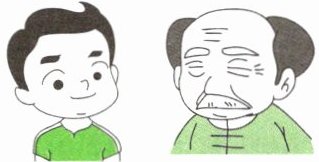
My grandpa is 65 years old, but he’s still energetic(精力充沛的)and loves traditional Chinese games. Every weekend, he takes me to a quiet corner of the park to teach me some games. He says they are not just for fun, but also carry our family’s memories(记忆).
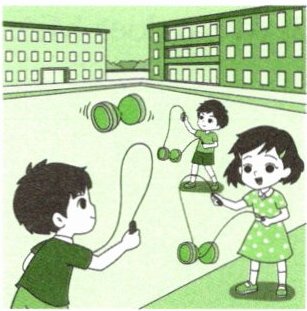
The first game Grandpa taught me was Chinese yo-yo. He has a red wooden(木制的)yo-yo that he’s kept for 40 years. It was a gift from his father. “Hold the sticks with your hands like this, toss and spin it,” Grandpa always teaches me patiently(耐心地). At first, I could only spin it once before it fell, but now I can play it with small tricks, like making it jump over the string. Grandpa claps loudly every time when I can play it well and his eyes light up with joy.
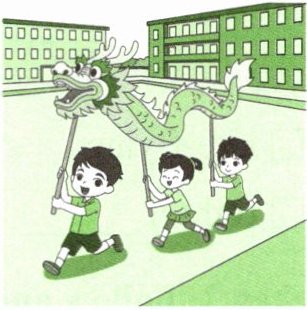
Last month, he started teaching me dragon dance basics. We don’t have a big dragon. Grandpa made a small one with colourful cloth and bamboo sticks. “The ‘dragon head’ leads, but the ‘body’ and ‘tail’ are just as important. When Grandpa leads, he moves gently so I won’t lose control. Sometimes we laugh when the dragon “falls down”, but we always try again.
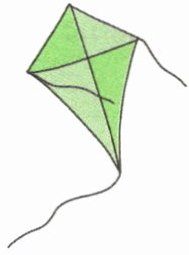
Grandpa never talks about winning or prizes. He just says, “Traditional games let us spend time together and that’s the best part.” I often ask Grandpa to teach me more. Next, I want to learn how to make a small kite. I hope I can teach these games to my little cousin someday, so the fun and memories can go on.
Task 1: Read and choose(读短文,根据短文内容选择正确的答案)
(
A. In their house. B. In the park. C. At school.
(
A. For 10 years. B. For 40 years. C. For 65 years.
(
A. Winning prizes. B. Doing cool tricks. C. Spending time together.
Task 2: Read and judge(判断下列句子是否符合短文内容,符合的用 T 表示,不符合的用 F 表示)
(
(
(
Task 3: Think and answer(想一想,回答问题)
1. What small trick can Minmin do with the Chinese yo-yo now?
2. Who leads the dragon dance when Minmin is the “tail” of the dragon?
3. What does Minmin want to learn to make next?
Learning traditional games from my grandpa
My grandpa is 65 years old, but he’s still energetic(精力充沛的)and loves traditional Chinese games. Every weekend, he takes me to a quiet corner of the park to teach me some games. He says they are not just for fun, but also carry our family’s memories(记忆).
The first game Grandpa taught me was Chinese yo-yo. He has a red wooden(木制的)yo-yo that he’s kept for 40 years. It was a gift from his father. “Hold the sticks with your hands like this, toss and spin it,” Grandpa always teaches me patiently(耐心地). At first, I could only spin it once before it fell, but now I can play it with small tricks, like making it jump over the string. Grandpa claps loudly every time when I can play it well and his eyes light up with joy.
Last month, he started teaching me dragon dance basics. We don’t have a big dragon. Grandpa made a small one with colourful cloth and bamboo sticks. “The ‘dragon head’ leads, but the ‘body’ and ‘tail’ are just as important. When Grandpa leads, he moves gently so I won’t lose control. Sometimes we laugh when the dragon “falls down”, but we always try again.
Grandpa never talks about winning or prizes. He just says, “Traditional games let us spend time together and that’s the best part.” I often ask Grandpa to teach me more. Next, I want to learn how to make a small kite. I hope I can teach these games to my little cousin someday, so the fun and memories can go on.
Task 1: Read and choose(读短文,根据短文内容选择正确的答案)
(
B
) 1. Where does Grandpa teach Minmin traditional games?A. In their house. B. In the park. C. At school.
(
B
) 2. How long has Grandpa kept his red Chinese yo-yo?A. For 10 years. B. For 40 years. C. For 65 years.
(
C
) 3. What does Grandpa think is the best part of traditional games?A. Winning prizes. B. Doing cool tricks. C. Spending time together.
Task 2: Read and judge(判断下列句子是否符合短文内容,符合的用 T 表示,不符合的用 F 表示)
(
F
) 1. Grandpa’s red wooden Chinese yo-yo was a gift from his son.(
F
) 2. Minmin and Grandpa use a big cloth dragon to practise dragon dance.(
T
) 3. Minmin wants to teach traditional games to his little cousin someday.Task 3: Think and answer(想一想,回答问题)
1. What small trick can Minmin do with the Chinese yo-yo now?
He can make the Chinese yo-yo jump over the string.
2. Who leads the dragon dance when Minmin is the “tail” of the dragon?
Grandpa.
3. What does Minmin want to learn to make next?
He wants to learn to make a small kite next.
答案
Task 1: 1. B 2. B 3. C
Task 2: 1. F 2. F 3. T
Task 3: 1. He can make the Chinese yo-yo jump over the string.
2. Grandpa.
3. He wants to learn to make a small kite next.
Task 2: 1. F 2. F 3. T
Task 3: 1. He can make the Chinese yo-yo jump over the string.
2. Grandpa.
3. He wants to learn to make a small kite next.
解析
【分析】本题为英语阅读理解题,解题思路如下:1. 先通读全文,把握文章主旨(Minmin跟随爷爷学习中国传统游戏的经历);2. 针对Task1的选择题,带着问题回原文定位对应信息,匹配选项;3. Task2的判断题,将题干句子与原文细节逐一比对,判断正误;4. Task3的问答题,直接提取原文对应问题的准确信息作答,确保表述完整。
【解析】Task1:1. 定位原文第一段“Every weekend, he takes me to a quiet corner of the park to teach me some games.”可知爷爷教游戏的地点是公园,选B;2. 定位原文第二段“He has a red wooden yo-yo that he’s kept for 40 years.”可知爷爷保留红色悠悠球的时长为40年,选B;3. 定位原文最后一段爷爷的话“Traditional games let us spend time together and that’s the best part.”可知爷爷认为传统游戏最好的部分是共度时光,选C。Task2:1. 原文提到悠悠球是爷爷父亲送的礼物,题干说是儿子送的,不符,故F;2. 原文说没有大龙,爷爷做了小布龙,题干说用大龙练习舞龙,不符,故F;3. 原文提到Minmin希望有一天教小表弟这些游戏,符合,故T。Task3:1. 定位原文第二段“now I can play it with small tricks, like making it jump over the string.”提取信息作答;2. 定位原文第三段“When Grandpa leads”可知是爷爷领舞,作答;3. 定位原文最后一段“Next, I want to learn how to make a small kite.”提取信息作答。
【答案】Task 1: 1. B 2. B 3. C
Task 2: 1. F 2. F 3. T
Task 3: 1. He can make the Chinese yo-yo jump over the string.
2. Grandpa.
3. He wants to learn to make a small kite next.
【知识点】英语阅读理解、细节理解、信息提取
【点评】本题围绕“学习传统游戏”主题,考查学生对原文细节信息的查找、比对与提取能力,题型多样,注重基础阅读能力,贴近学生生活实际。
【难度系数】0.7
【解析】Task1:1. 定位原文第一段“Every weekend, he takes me to a quiet corner of the park to teach me some games.”可知爷爷教游戏的地点是公园,选B;2. 定位原文第二段“He has a red wooden yo-yo that he’s kept for 40 years.”可知爷爷保留红色悠悠球的时长为40年,选B;3. 定位原文最后一段爷爷的话“Traditional games let us spend time together and that’s the best part.”可知爷爷认为传统游戏最好的部分是共度时光,选C。Task2:1. 原文提到悠悠球是爷爷父亲送的礼物,题干说是儿子送的,不符,故F;2. 原文说没有大龙,爷爷做了小布龙,题干说用大龙练习舞龙,不符,故F;3. 原文提到Minmin希望有一天教小表弟这些游戏,符合,故T。Task3:1. 定位原文第二段“now I can play it with small tricks, like making it jump over the string.”提取信息作答;2. 定位原文第三段“When Grandpa leads”可知是爷爷领舞,作答;3. 定位原文最后一段“Next, I want to learn how to make a small kite.”提取信息作答。
【答案】Task 1: 1. B 2. B 3. C
Task 2: 1. F 2. F 3. T
Task 3: 1. He can make the Chinese yo-yo jump over the string.
2. Grandpa.
3. He wants to learn to make a small kite next.
【知识点】英语阅读理解、细节理解、信息提取
【点评】本题围绕“学习传统游戏”主题,考查学生对原文细节信息的查找、比对与提取能力,题型多样,注重基础阅读能力,贴近学生生活实际。
【难度系数】0.7
