

 登录
登录
B
Can you imagine a sea of sand three times bigger than India? This is the Sahara Desert, the largest desert in the world. It covers 11 countries in Africa and is over 9 million square kilometres. That's more than 25% of Africa.

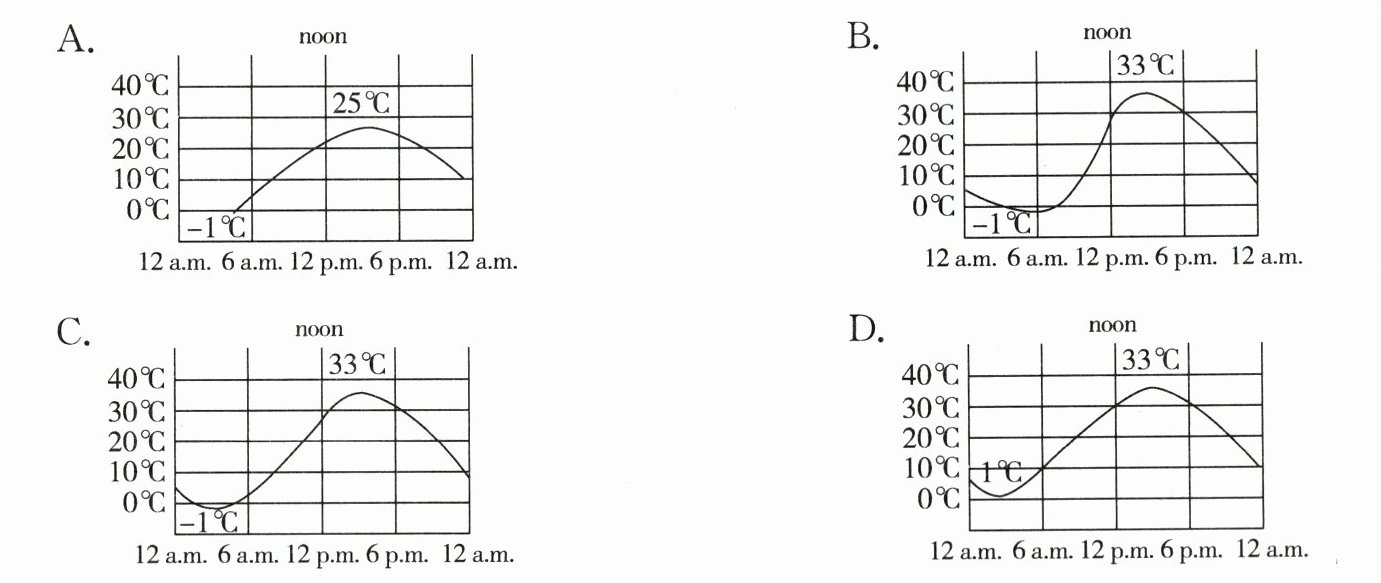
In the Sahara, temperatures are very different during the day and at night. It is much hotter during the day than at night. During the day, the hottest time is between 2 p.m. and 4 p.m., when temperature rises to 33℃. But it is very cold at night. The coldest time is at 4 a.m., when temperature falls to -1℃.
How to stay alive in the Sahara Desert? Marco Rivera, our survival expert, has some tips.
First, take warm clothes and a blanket. During the day, cover your body, head and face. Clothes protect you from the sun and keep water in your body. You will also need a warm blanket at night. It can get cold very quickly. Second, try to drink some water at least once every hour. You need your water to last as long as possible. Drink only what you need. Third, try to close your mouth and not to talk. When you talk, you lose water from your body. Last, eat as little as you can, because if you eat, you will get thirsty and drink all of your water more quickly. You can live for three weeks with no food, but you can only live for three days without water.
(
A. By telling stories.
B. By listing numbers.
C. By giving examples.
D. By making a survey.
(
A.
B.
C.
D.
(
A. The Sahara Desert covers 9 countries in Africa.
B. In the Sahara Desert, you can talk and eat as usual.
C. In the Sahara Desert, you don't need a warm blanket at night.
D. In the Sahara Desert, water is more important than food.
(
A. To introduce the Sahara Desert.
B. To introduce the area of the Sahara Desert.
C. To introduce the temperature of the Sahara Desert.
D. To introduce how to stay alive in the Sahara Desert.
(
A. Someone studying geography.
B. Someone studying history.
C. Someone good at taking photos.
D. Someone interested in biology.
Can you imagine a sea of sand three times bigger than India? This is the Sahara Desert, the largest desert in the world. It covers 11 countries in Africa and is over 9 million square kilometres. That's more than 25% of Africa.
In the Sahara, temperatures are very different during the day and at night. It is much hotter during the day than at night. During the day, the hottest time is between 2 p.m. and 4 p.m., when temperature rises to 33℃. But it is very cold at night. The coldest time is at 4 a.m., when temperature falls to -1℃.
How to stay alive in the Sahara Desert? Marco Rivera, our survival expert, has some tips.
First, take warm clothes and a blanket. During the day, cover your body, head and face. Clothes protect you from the sun and keep water in your body. You will also need a warm blanket at night. It can get cold very quickly. Second, try to drink some water at least once every hour. You need your water to last as long as possible. Drink only what you need. Third, try to close your mouth and not to talk. When you talk, you lose water from your body. Last, eat as little as you can, because if you eat, you will get thirsty and drink all of your water more quickly. You can live for three weeks with no food, but you can only live for three days without water.
(
B
)31. 新考法 写作手法 How does the writer lead the topic in Paragraph 1?A. By telling stories.
B. By listing numbers.
C. By giving examples.
D. By making a survey.
(
C
)32. 新考法 学科融合 According to Paragraph 2, which of the following is TRUE?A.
B.
C.
D.
(
D
)33. What can we know from the passage?A. The Sahara Desert covers 9 countries in Africa.
B. In the Sahara Desert, you can talk and eat as usual.
C. In the Sahara Desert, you don't need a warm blanket at night.
D. In the Sahara Desert, water is more important than food.
(
A
)34. Which is the main idea of the passage?A. To introduce the Sahara Desert.
B. To introduce the area of the Sahara Desert.
C. To introduce the temperature of the Sahara Desert.
D. To introduce how to stay alive in the Sahara Desert.
(
A
)35. Who would be interested in reading this passage most?A. Someone studying geography.
B. Someone studying history.
C. Someone good at taking photos.
D. Someone interested in biology.
答案
B
【文章大意】本文是一篇说明文,主要介绍了撒哈拉沙漠的气候特点以及在撒哈拉沙漠的四条生存法则。
31. B 写作手法题。根据"It covers 11 countries in Africa and is over 9 million square kilometres. That's more than 25% of Africa."可知第一段出现了一些数据,说明作者通过列数据来开篇。故选B。
32. C 推理判断题。根据"During the day, the hottest time is between 2 p.m. and 4 p.m., when temperature rises to 33℃. But it is very cold at night. The coldest time is at 4 a.m., when temperature falls to -1℃."可知,在撒哈拉沙漠中,在下午2点到4点这段时间,是最热的时间,温度高达33摄氏度。但在晚上,最冷的时间是在凌晨4点,温度降到了零下1摄氏度。因此选项C的图表是正确的。故选C。
33. D 推理判断题。根据"You can live for three weeks with no food, but you can only live for three days without water."可知没有食物你可以活三个星期,但没有水你只能活三天,可推知在撒哈拉沙漠,水比食物更重要。故选D。
34. A 主旨大意题。本文主要介绍了撒哈拉沙漠的气候特点以及在撒哈拉沙漠的四条生存法则,即主要介绍了撒哈拉沙漠。故选A。
35. A 推理判断题。本文主要介绍了撒哈拉沙漠的气候特点以及在撒哈拉沙漠的四条生存法则,故推断学习地理的人会对该文章感兴趣。故选A。
【文章大意】本文是一篇说明文,主要介绍了撒哈拉沙漠的气候特点以及在撒哈拉沙漠的四条生存法则。
31. B 写作手法题。根据"It covers 11 countries in Africa and is over 9 million square kilometres. That's more than 25% of Africa."可知第一段出现了一些数据,说明作者通过列数据来开篇。故选B。
32. C 推理判断题。根据"During the day, the hottest time is between 2 p.m. and 4 p.m., when temperature rises to 33℃. But it is very cold at night. The coldest time is at 4 a.m., when temperature falls to -1℃."可知,在撒哈拉沙漠中,在下午2点到4点这段时间,是最热的时间,温度高达33摄氏度。但在晚上,最冷的时间是在凌晨4点,温度降到了零下1摄氏度。因此选项C的图表是正确的。故选C。
33. D 推理判断题。根据"You can live for three weeks with no food, but you can only live for three days without water."可知没有食物你可以活三个星期,但没有水你只能活三天,可推知在撒哈拉沙漠,水比食物更重要。故选D。
34. A 主旨大意题。本文主要介绍了撒哈拉沙漠的气候特点以及在撒哈拉沙漠的四条生存法则,即主要介绍了撒哈拉沙漠。故选A。
35. A 推理判断题。本文主要介绍了撒哈拉沙漠的气候特点以及在撒哈拉沙漠的四条生存法则,故推断学习地理的人会对该文章感兴趣。故选A。
解析
【分析】
这是一篇介绍撒哈拉沙漠的说明文阅读,解题时可以按题型逐一对应原文定位分析:
1. 第31题是写作手法题,直接定位第一段,梳理段落出现的内容标识,判断作者开篇使用的表达手法,匹配对应选项即可。
2. 第32题是结合图表的细节题,定位第二段的温度相关数据,把昼夜不同时段的温度数值和变化规律对应到选项图表中,选出匹配的正确项。
3. 第33题是细节推理题,把每个选项逐一和原文内容比对,排除和原文表述矛盾的错误选项,剩下的就是正确项。
4. 第34题主旨大意题,不能只看局部段落内容,要梳理全文所有模块的内容,判断哪个选项能覆盖全文所有信息,排除只对应局部段落的干扰项。
5. 第35题是受众推断题,结合文章的核心主题所属的学科范畴,匹配对应感兴趣的人群即可。
【解析】
31. 定位文章第一段,段落中出现了"three times bigger than India"、"11 countries"、"over 9 million square kilometres"、"more than 25% of Africa"多组具体数据,作者通过罗列数字的方式引出撒哈拉沙漠的主题,没有使用讲故事、举例子、做调查的手法,因此选B。
32. 根据第二段内容可知,撒哈拉沙漠白天最热时段为下午2点到4点,温度可达33℃,夜间最冷时段为凌晨4点,温度低至-1℃,该温度变化规律对应选项C的图表,因此选C。
33. 逐一核对选项:
A选项:原文表述撒哈拉沙漠覆盖非洲11个国家,并非9个,表述错误;
B选项:原文提示在撒哈拉要少说话、尽可能少吃食物,不能像日常一样正常说话进食,表述错误;
C选项:原文明确说明夜间需要保暖毛毯应对快速降温,不需要毛毯的表述错误;
D选项:原文提到没有食物人可以存活3周,没有水仅能存活3天,可推知在撒哈拉沙漠水比食物更重要,表述正确。
因此选D。
34. 梳理全文内容,文章既介绍了撒哈拉沙漠的面积、昼夜温差等环境特征,也介绍了适配当地环境的生存技巧,B选项仅对应面积、C选项仅对应温度、D选项仅对应生存技巧,都属于文章局部信息,无法概括全文,全文核心是介绍撒哈拉沙漠,因此选A。
35. 本文围绕世界最大沙漠撒哈拉的地理属性、环境特征展开介绍,属于地理学科相关内容,因此学习地理的人群对这篇文章的兴趣最高,历史、摄影、生物相关人群和文章主题匹配度低,因此选A。
【答案】
31.B 32.C 33.D 34.A 35.A
【知识点】
阅读理解写作手法判断,细节推理,主旨大意归纳
【点评】
本题属于人文地理类说明文阅读,考点覆盖多种常规阅读题型,难度梯度设置合理,其中第34题容易出现误选D的情况,不少同学会把生存技巧部分当成全文核心,解题时要注意区分局部段落信息和全文的整体主题,避免以偏概全。
【难度系数】
0.7
这是一篇介绍撒哈拉沙漠的说明文阅读,解题时可以按题型逐一对应原文定位分析:
1. 第31题是写作手法题,直接定位第一段,梳理段落出现的内容标识,判断作者开篇使用的表达手法,匹配对应选项即可。
2. 第32题是结合图表的细节题,定位第二段的温度相关数据,把昼夜不同时段的温度数值和变化规律对应到选项图表中,选出匹配的正确项。
3. 第33题是细节推理题,把每个选项逐一和原文内容比对,排除和原文表述矛盾的错误选项,剩下的就是正确项。
4. 第34题主旨大意题,不能只看局部段落内容,要梳理全文所有模块的内容,判断哪个选项能覆盖全文所有信息,排除只对应局部段落的干扰项。
5. 第35题是受众推断题,结合文章的核心主题所属的学科范畴,匹配对应感兴趣的人群即可。
【解析】
31. 定位文章第一段,段落中出现了"three times bigger than India"、"11 countries"、"over 9 million square kilometres"、"more than 25% of Africa"多组具体数据,作者通过罗列数字的方式引出撒哈拉沙漠的主题,没有使用讲故事、举例子、做调查的手法,因此选B。
32. 根据第二段内容可知,撒哈拉沙漠白天最热时段为下午2点到4点,温度可达33℃,夜间最冷时段为凌晨4点,温度低至-1℃,该温度变化规律对应选项C的图表,因此选C。
33. 逐一核对选项:
A选项:原文表述撒哈拉沙漠覆盖非洲11个国家,并非9个,表述错误;
B选项:原文提示在撒哈拉要少说话、尽可能少吃食物,不能像日常一样正常说话进食,表述错误;
C选项:原文明确说明夜间需要保暖毛毯应对快速降温,不需要毛毯的表述错误;
D选项:原文提到没有食物人可以存活3周,没有水仅能存活3天,可推知在撒哈拉沙漠水比食物更重要,表述正确。
因此选D。
34. 梳理全文内容,文章既介绍了撒哈拉沙漠的面积、昼夜温差等环境特征,也介绍了适配当地环境的生存技巧,B选项仅对应面积、C选项仅对应温度、D选项仅对应生存技巧,都属于文章局部信息,无法概括全文,全文核心是介绍撒哈拉沙漠,因此选A。
35. 本文围绕世界最大沙漠撒哈拉的地理属性、环境特征展开介绍,属于地理学科相关内容,因此学习地理的人群对这篇文章的兴趣最高,历史、摄影、生物相关人群和文章主题匹配度低,因此选A。
【答案】
31.B 32.C 33.D 34.A 35.A
【知识点】
阅读理解写作手法判断,细节推理,主旨大意归纳
【点评】
本题属于人文地理类说明文阅读,考点覆盖多种常规阅读题型,难度梯度设置合理,其中第34题容易出现误选D的情况,不少同学会把生存技巧部分当成全文核心,解题时要注意区分局部段落信息和全文的整体主题,避免以偏概全。
【难度系数】
0.7
