

 登录
登录
六、选用方框中所给的单词或短语并用其适当形式填空。
close be pleased with you manner shake hands
Do you know what it means to be polite? You are polite when you show good 1.
Your friend who talks quietly is polite. Those people who chew(咀嚼)food with their mouths 2.
You can also show you are polite when you meet someone new. Reach out your hand to 3.
close be pleased with you manner shake hands
Do you know what it means to be polite? You are polite when you show good 1.
manners
. Look around the lunchroom next time you are there. You will quickly be able to tell who is polite and who is not.Your friend who talks quietly is polite. Those people who chew(咀嚼)food with their mouths 2.
closed
are polite. Those who are not very polite may play with their food. They may talk loudly at the corner.You can also show you are polite when you meet someone new. Reach out your hand to 3.
shake hands
with him or her, smile and then say, “Hi, my name is... Nice to meet you.” The person you are meeting may smile as well. He or she 4. will be pleased with
how polite you are. You will feel good about 5. yourself
when you are nice and polite to others.答案
六、1. manners 2. closed 3. shake hands 4. will be pleased with 5. yourself
解析
【分析】
首先通读整篇短文,明确本文主题是围绕日常礼貌行为展开,先梳理方框内给出的备选词/短语:close、be pleased with、you、manner、shake hands,再逐空结合上下文语境、语法规则、固定搭配逐一判断所需的词形:
1. 第一空前面是形容词good,需要填入名词,结合“表现出好的特质就是有礼貌”的语义,对应礼仪相关的固定表达,确定要把manner变为复数形式;
2. 第二空是with的复合结构“with+宾语+补足语”,语义是“闭着嘴咀嚼食物”,需要把动词close变为形容词作宾补;
3. 第三空前面是不定式符号to,后面接动词原形,结合“伸出手”的动作提示,对应握手的短语,直接用原形短语即可;
4. 第四空缺少谓语部分,语义是对方会对你的礼貌感到满意,结合语境是后续发生的动作,用一般将来时调整be pleased with的形式;
5. 第五空结合“自我感觉良好”的固定搭配,需要把人称代词you变为反身代词形式。
【解析】
1. 第一空:固定搭配good manners意为“良好的礼仪、有礼貌”,manner表示礼仪、举止时常用复数形式,符合“你表现出好的举止就是有礼貌”的语境,故填manners。
2. 第二空:此处为with的复合结构with their mouths + 补足语,语义为“闭着嘴咀嚼食物”,close的形容词形式closed表示“闭着的、关闭的”,符合语境,故填closed。
3. 第三空:不定式符号to后接动词原形,结合前文“Reach out your hand(伸出你的手)”的动作提示,shake hands意为“握手”,符合初次见面的礼仪场景,故填shake hands。
4. 第四空:此处缺少谓语,be pleased with意为“对……感到满意”,结合语境,你做出礼貌举动之后,对方将会对你的礼貌感到满意,用一般将来时调整结构,故填will be pleased with。
5. 第五空:固定搭配feel good about oneself意为“对自己感到满意、自我感觉良好”,此处对应的人称是you,对应的反身代词是yourself,符合语境,故填yourself。
【答案】
1. manners 2. closed 3. shake hands 4. will be pleased with 5. yourself
【知识点】
固定短语搭配,词形转换,with复合结构
【点评】
本题以日常社交礼仪为主题,考查基础词汇在语境中的灵活运用,既需要学生掌握备选词汇的基本含义,还要结合语法规则(名词复数、形容词作宾补、一般将来时、反身代词变换)推导正确形式,易错点集中在第二空的closed和第五空的反身代词变形,需要学生仔细分析句子结构避免惯性错误。
【难度系数】
0.7
首先通读整篇短文,明确本文主题是围绕日常礼貌行为展开,先梳理方框内给出的备选词/短语:close、be pleased with、you、manner、shake hands,再逐空结合上下文语境、语法规则、固定搭配逐一判断所需的词形:
1. 第一空前面是形容词good,需要填入名词,结合“表现出好的特质就是有礼貌”的语义,对应礼仪相关的固定表达,确定要把manner变为复数形式;
2. 第二空是with的复合结构“with+宾语+补足语”,语义是“闭着嘴咀嚼食物”,需要把动词close变为形容词作宾补;
3. 第三空前面是不定式符号to,后面接动词原形,结合“伸出手”的动作提示,对应握手的短语,直接用原形短语即可;
4. 第四空缺少谓语部分,语义是对方会对你的礼貌感到满意,结合语境是后续发生的动作,用一般将来时调整be pleased with的形式;
5. 第五空结合“自我感觉良好”的固定搭配,需要把人称代词you变为反身代词形式。
【解析】
1. 第一空:固定搭配good manners意为“良好的礼仪、有礼貌”,manner表示礼仪、举止时常用复数形式,符合“你表现出好的举止就是有礼貌”的语境,故填manners。
2. 第二空:此处为with的复合结构with their mouths + 补足语,语义为“闭着嘴咀嚼食物”,close的形容词形式closed表示“闭着的、关闭的”,符合语境,故填closed。
3. 第三空:不定式符号to后接动词原形,结合前文“Reach out your hand(伸出你的手)”的动作提示,shake hands意为“握手”,符合初次见面的礼仪场景,故填shake hands。
4. 第四空:此处缺少谓语,be pleased with意为“对……感到满意”,结合语境,你做出礼貌举动之后,对方将会对你的礼貌感到满意,用一般将来时调整结构,故填will be pleased with。
5. 第五空:固定搭配feel good about oneself意为“对自己感到满意、自我感觉良好”,此处对应的人称是you,对应的反身代词是yourself,符合语境,故填yourself。
【答案】
1. manners 2. closed 3. shake hands 4. will be pleased with 5. yourself
【知识点】
固定短语搭配,词形转换,with复合结构
【点评】
本题以日常社交礼仪为主题,考查基础词汇在语境中的灵活运用,既需要学生掌握备选词汇的基本含义,还要结合语法规则(名词复数、形容词作宾补、一般将来时、反身代词变换)推导正确形式,易错点集中在第二空的closed和第五空的反身代词变形,需要学生仔细分析句子结构避免惯性错误。
【难度系数】
0.7
七、[传统文化]阅读理解。
儒家思想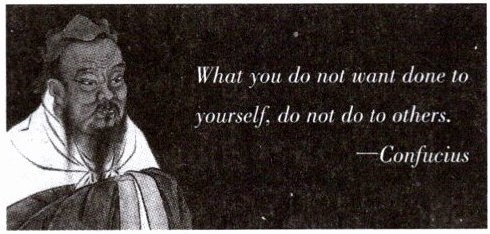
Confucianism(儒家思想)has been followed by Chinese people for more than two thousand years.
To help people understand how to behave towards others, Confucianism teaches the Five Constants(五常). They are ren, yi, li, zhi and xin. They are general virtues(美德)around the world. The most important two are ren and li.
Ren is the feeling of care and love we should have for others. Confucius explained ren could best be understood as loving others. He is famous for teaching people that “What you do not want done to yourself, do not do to others.”. It is quite similar to what is known in the West as the Golden Rule—treat others as you wish to be treated.
While the meaning of ren is easy to understand, li is a little harder to express. It can be thought of as a duty or even respect. Generally, li is the way we should connect with people in our everyday life. In Confucian writings, discussions about li include the proper way to drink tea and how to remember ancestors. While ren is mostly about our opinions and feelings, li is about how we express our opinions and feelings towards others and towards the world around us.
Perhaps the best-known Confucian virtue is xiao. This is the duty children have to their parents. Xiao means loving, respecting, obeying and taking care of one's parents in their old age. In Confucianism, xiao is important for a harmonious(和谐的)society. Without it, the whole world would fall into a mess.
1. Which are the most important of the Five Constants?
A. Ren and yi.
B. Ren and li.
C. Li and xin.
D. Yi and zhi.
2. What does the underlined sentence in Paragraph 3 mean in Chinese?
A. 博学于文,约之以礼。
B. 学而不思则罔,思而不学则殆。
C. 己所不欲,勿施于人。
D. 君子和而不同,小人同而不和。
3. Which of the following is an example of li?
A. Building a peaceful society.
B. Taking care of one's children.
C. Obeying rules of drinking tea.
D. Learning all through one's life.
4. What does the passage mainly tell us about Confucianism?
A. Its general virtues.
B. Its long history.
C. Its new challenges.
D. Its golden rules.
儒家思想
Confucianism(儒家思想)has been followed by Chinese people for more than two thousand years.
To help people understand how to behave towards others, Confucianism teaches the Five Constants(五常). They are ren, yi, li, zhi and xin. They are general virtues(美德)around the world. The most important two are ren and li.
Ren is the feeling of care and love we should have for others. Confucius explained ren could best be understood as loving others. He is famous for teaching people that “What you do not want done to yourself, do not do to others.”. It is quite similar to what is known in the West as the Golden Rule—treat others as you wish to be treated.
While the meaning of ren is easy to understand, li is a little harder to express. It can be thought of as a duty or even respect. Generally, li is the way we should connect with people in our everyday life. In Confucian writings, discussions about li include the proper way to drink tea and how to remember ancestors. While ren is mostly about our opinions and feelings, li is about how we express our opinions and feelings towards others and towards the world around us.
Perhaps the best-known Confucian virtue is xiao. This is the duty children have to their parents. Xiao means loving, respecting, obeying and taking care of one's parents in their old age. In Confucianism, xiao is important for a harmonious(和谐的)society. Without it, the whole world would fall into a mess.
1. Which are the most important of the Five Constants?
A. Ren and yi.
B. Ren and li.
C. Li and xin.
D. Yi and zhi.
2. What does the underlined sentence in Paragraph 3 mean in Chinese?
A. 博学于文,约之以礼。
B. 学而不思则罔,思而不学则殆。
C. 己所不欲,勿施于人。
D. 君子和而不同,小人同而不和。
3. Which of the following is an example of li?
A. Building a peaceful society.
B. Taking care of one's children.
C. Obeying rules of drinking tea.
D. Learning all through one's life.
4. What does the passage mainly tell us about Confucianism?
A. Its general virtues.
B. Its long history.
C. Its new challenges.
D. Its golden rules.
答案
七、1. B 细节理解题。根据第二段中“They are ren,yi,li,zhi and xin. They are general virtues around the world. The most important two are ren and li.”可知,仁和礼是五常中最重要的。
2. C 推理判断题。根据第三段中“It is quite similar to what is known in the West as the Golden Rule—treat others as you wish to be treated.”可知,画线句子和“按照你希望被对待的方式对待他人”意义相近,即“己所不欲,勿施于人”。
3. C 细节理解题。根据第四段中“In Confucian writings,discussions about li include the proper way to drink tea and how to remember ancestors.”可知,关于礼的讨论包括正确的喝茶方式和如何缅怀祖先。
4. A 主旨大意题。本文主要介绍了儒家思想的传统美德。
2. C 推理判断题。根据第三段中“It is quite similar to what is known in the West as the Golden Rule—treat others as you wish to be treated.”可知,画线句子和“按照你希望被对待的方式对待他人”意义相近,即“己所不欲,勿施于人”。
3. C 细节理解题。根据第四段中“In Confucian writings,discussions about li include the proper way to drink tea and how to remember ancestors.”可知,关于礼的讨论包括正确的喝茶方式和如何缅怀祖先。
4. A 主旨大意题。本文主要介绍了儒家思想的传统美德。
解析
【分析】
做这篇阅读理解时,我们可以按题型逐个定位原文信息解题:1. 第1题是细节题,直接回到介绍五常的第二段,查找五常中最重要的两项的描述即可得到答案;2. 第2题是句意理解题,先拆解划线英文句子的字面含义,再结合后文给出的相似解释,匹配对应的中文经典名句;3. 第3题是细节题,回到介绍“li(礼)”的第四段,找到文中列举的属于“礼”的相关例子,和选项比对选出匹配项;4. 第4题是主旨大意题,梳理全文内容,排除文中没有提及的无关选项,提炼文章核心介绍的内容即可。
【解析】
1. 细节理解:根据原文第二段末尾明确表述“The most important two are ren and li”,可知五常中最重要的是仁和礼,对应选项B。
2. 句意理解:划线句子字面含义为“你不希望他人施加在你身上的事,不要施加给他人”,结合后文说明它和西方“待人如己”的黄金法则含义相近,对应的中文古语就是“己所不欲,勿施于人”,对应选项C。
3. 细节理解:根据原文第四段内容“In Confucian writings, discussions about li include the proper way to drink tea and how to remember ancestors”,可知遵守正确的饮茶礼仪属于“礼”的范畴,对应选项C。
4. 主旨判断:全文围绕儒家思想的五常美德展开,先后介绍了仁、礼、孝等核心传统美德,没有侧重讲述儒家的悠久历史、新的挑战,也并非仅介绍黄金规则,核心是介绍儒家的通用传统美德,对应选项A。
【答案】
1. B 2. C 3. C 4. A
【知识点】
英语细节阅读,主旨大意判断,儒家文化常识
【点评】
本题将英语阅读考察和中华优秀传统文化结合,既考察了学生常规的阅读理解信息定位、主旨提炼能力,也能帮助学生巩固儒家经典相关的文化常识,绝大多数题目都能在原文找到明确的答题依据,适合锻炼学生快速查找文本关键信息的能力。
【难度系数】
0.7
做这篇阅读理解时,我们可以按题型逐个定位原文信息解题:1. 第1题是细节题,直接回到介绍五常的第二段,查找五常中最重要的两项的描述即可得到答案;2. 第2题是句意理解题,先拆解划线英文句子的字面含义,再结合后文给出的相似解释,匹配对应的中文经典名句;3. 第3题是细节题,回到介绍“li(礼)”的第四段,找到文中列举的属于“礼”的相关例子,和选项比对选出匹配项;4. 第4题是主旨大意题,梳理全文内容,排除文中没有提及的无关选项,提炼文章核心介绍的内容即可。
【解析】
1. 细节理解:根据原文第二段末尾明确表述“The most important two are ren and li”,可知五常中最重要的是仁和礼,对应选项B。
2. 句意理解:划线句子字面含义为“你不希望他人施加在你身上的事,不要施加给他人”,结合后文说明它和西方“待人如己”的黄金法则含义相近,对应的中文古语就是“己所不欲,勿施于人”,对应选项C。
3. 细节理解:根据原文第四段内容“In Confucian writings, discussions about li include the proper way to drink tea and how to remember ancestors”,可知遵守正确的饮茶礼仪属于“礼”的范畴,对应选项C。
4. 主旨判断:全文围绕儒家思想的五常美德展开,先后介绍了仁、礼、孝等核心传统美德,没有侧重讲述儒家的悠久历史、新的挑战,也并非仅介绍黄金规则,核心是介绍儒家的通用传统美德,对应选项A。
【答案】
1. B 2. C 3. C 4. A
【知识点】
英语细节阅读,主旨大意判断,儒家文化常识
【点评】
本题将英语阅读考察和中华优秀传统文化结合,既考察了学生常规的阅读理解信息定位、主旨提炼能力,也能帮助学生巩固儒家经典相关的文化常识,绝大多数题目都能在原文找到明确的答题依据,适合锻炼学生快速查找文本关键信息的能力。
【难度系数】
0.7
