

 登录
登录
五、语篇填空
阅读下面短文,在空白处填入一个适当的单词或括号内单词的正确形式。
Xiaoman or Grain Buds, the 1.
5.
Su Dan, deputy director of the Chinese Traditional Culture Museum, thought that these clothes were 9.
阅读下面短文,在空白处填入一个适当的单词或括号内单词的正确形式。
Xiaoman or Grain Buds, the 1.
eighth
(eight) solar term, is a period full of hope, as the warm and soft wind of the spring and rich raindrops bring everything back to life. To show the healthy 2. growth
(grow) of this season, the Chinese Traditional Culture Museum 3. held
(hold) a fashion show performed by adult and child models 4. on
Sunday, the day that Xiaoman fell.5.
Designed
(design) by Yang Jie, the clothes mixed the patterns, sewing features 6. and
dyeing skills of the Miao and the Dong ethnic minorities living in Guizhou Province. Yang got the idea after a trip to Guizhou in Southwest China. And the different colours on the clothes showed the changes of light and stood 7. for
different views of several solar 8. terms
(term), including Grain Buds.Su Dan, deputy director of the Chinese Traditional Culture Museum, thought that these clothes were 9.
an
important part of the cultural heritage. According to her, what people used to wear and what they wear now carry rich information about the relations between people and nature, as well as what people think of their social roles. So the show is a celebration of history, culture, the creative spirit and 10. wisdom
(wise) because of people's long-term connection with the world.答案
1. eighth 2. growth 3. held 4. on
5. Designed 6. and 7. for
8. terms 9. an 10. wisdom
5. Designed 6. and 7. for
8. terms 9. an 10. wisdom
解析
【分析】
本题为英语语篇填空题,需结合语境、语法规则、词性变化、固定搭配等逐个分析空白处的要求:先通读全文理解主题(小满节气相关的文化活动),再针对每个空的语法结构、语义逻辑确定答案,涉及序数词、名词转换、动词时态、介词、非谓语动词、连词、冠词等基础考点。
【解析】
1. 此处表示“第八个节气”,需用序数词,eight的序数词为eighth,故填eighth。
2. 空前有形容词healthy,需接名词,grow的名词形式是growth,故填growth。
3. 描述过去发生的活动,用一般过去时,hold的过去式为held,故填held。
4. 具体某一天(Sunday)前用介词on,故填on。
5. 逻辑主语the clothes与design是被动关系,用过去分词作状语,design的过去分词为Designed(句首首字母大写),故填Designed。
6. 连接并列的名词短语patterns、sewing features、dyeing skills,用连词and,故填and。
7. 固定搭配stand for意为“代表”,符合语境,故填for。
8. several后接可数名词复数,term的复数形式为terms,故填terms。
9. important以元音音素开头,泛指“一个重要部分”,用不定冠词an,故填an。
10. 与history、culture等并列作宾语,需用名词,wise的名词形式是wisdom,故填wisdom。
【答案】
1. eighth 2. growth 3. held 4. on 5. Designed 6. and 7. for 8. terms 9. an 10. wisdom
【知识点】
序数词用法、词性转换、介词搭配
【点评】
本题围绕小满节气的文化活动展开语篇,考查英语基础语法(序数词、时态、非谓语动词等)和词汇运用,注重语境理解,是典型的初中英语语篇填空题型,难度适中。
【难度系数】
0.6
本题为英语语篇填空题,需结合语境、语法规则、词性变化、固定搭配等逐个分析空白处的要求:先通读全文理解主题(小满节气相关的文化活动),再针对每个空的语法结构、语义逻辑确定答案,涉及序数词、名词转换、动词时态、介词、非谓语动词、连词、冠词等基础考点。
【解析】
1. 此处表示“第八个节气”,需用序数词,eight的序数词为eighth,故填eighth。
2. 空前有形容词healthy,需接名词,grow的名词形式是growth,故填growth。
3. 描述过去发生的活动,用一般过去时,hold的过去式为held,故填held。
4. 具体某一天(Sunday)前用介词on,故填on。
5. 逻辑主语the clothes与design是被动关系,用过去分词作状语,design的过去分词为Designed(句首首字母大写),故填Designed。
6. 连接并列的名词短语patterns、sewing features、dyeing skills,用连词and,故填and。
7. 固定搭配stand for意为“代表”,符合语境,故填for。
8. several后接可数名词复数,term的复数形式为terms,故填terms。
9. important以元音音素开头,泛指“一个重要部分”,用不定冠词an,故填an。
10. 与history、culture等并列作宾语,需用名词,wise的名词形式是wisdom,故填wisdom。
【答案】
1. eighth 2. growth 3. held 4. on 5. Designed 6. and 7. for 8. terms 9. an 10. wisdom
【知识点】
序数词用法、词性转换、介词搭配
【点评】
本题围绕小满节气的文化活动展开语篇,考查英语基础语法(序数词、时态、非谓语动词等)和词汇运用,注重语境理解,是典型的初中英语语篇填空题型,难度适中。
【难度系数】
0.6
六、完形填空
阅读下面短文,掌握其大意,然后从各题所给的 A、B、C、D 四个选项中,选出最佳答案。
Based on the movement of the sun, ancient Chinese people invented the 24 Solar Terms, each lasting around two weeks. ______ 1 ______ them, Rain Water is the second term, falling between February 18th and 20th. When Rain Water arrives, it brings life to all things. Light rain begins to feed the earth, ______ 2 ______ everything from winter sleep. The ground temperature gradually rises as the rain falls, and the weather becomes quite ______ 3 ______ in the following days. This is a wonderful time for nature. Birds migrate back to the ______ 4 ______ from the south, ducks swim in the river, and plants begin to grow. After a cold and dark winter, Rain Water acts as a calendar for ______ 5 ______ . Because it tells them that it's the perfect time to plant ______ 6 ______ .
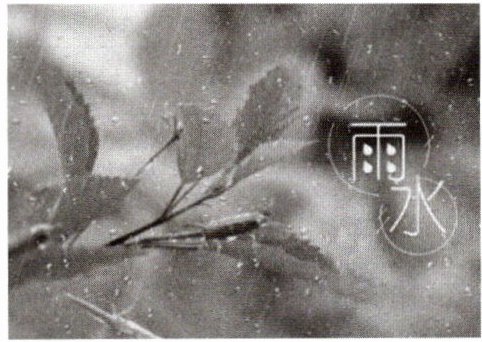
There's a beautiful 7 by the famous Tang Dynasty poet Du Fu that perfectly describes Rain Water.
In this poem, Du Fu describes that the spring rain knows exactly when to fall. It comes8 at night, making everything wet without a sound. The open fields are covered in dark clouds 9 only a lantern on a boat can be seen in the distance. When dawn comes, the flowers are so wet and heavy with raindrops that the whole town seems to be blooming with beauty.
Through this poem, Du Fu ______ 10 ______ his deep love and admiration for the spring rain that brings life and hope to the earth. He sees the rain as a gentle and kind force that nurtures and cares for all living things. Just like the rain, he hopes that life can be gentle, beautiful, and full of new beginnings for everyone.
1. Around B. With C. Between D. Among
2. A. running after B. hanging out C. waking up D. lying down
3. A. wet B. dry C. cool D. hot
4. A. south B. north C. west D. east
5. A. workers B. drivers C. teachers D. farmers
6. A. trees B. seeds C. flowers D. grass
7. A. poem B. programme C. show D. painting
8. A. quickly B. widely C. silently D. clearly
9. A. but B. and C. or D. so
10. A. expresses B. creates C. promises D. chooses
阅读下面短文,掌握其大意,然后从各题所给的 A、B、C、D 四个选项中,选出最佳答案。
Based on the movement of the sun, ancient Chinese people invented the 24 Solar Terms, each lasting around two weeks. ______ 1 ______ them, Rain Water is the second term, falling between February 18th and 20th. When Rain Water arrives, it brings life to all things. Light rain begins to feed the earth, ______ 2 ______ everything from winter sleep. The ground temperature gradually rises as the rain falls, and the weather becomes quite ______ 3 ______ in the following days. This is a wonderful time for nature. Birds migrate back to the ______ 4 ______ from the south, ducks swim in the river, and plants begin to grow. After a cold and dark winter, Rain Water acts as a calendar for ______ 5 ______ . Because it tells them that it's the perfect time to plant ______ 6 ______ .
There's a beautiful 7 by the famous Tang Dynasty poet Du Fu that perfectly describes Rain Water.
In this poem, Du Fu describes that the spring rain knows exactly when to fall. It comes8 at night, making everything wet without a sound. The open fields are covered in dark clouds 9 only a lantern on a boat can be seen in the distance. When dawn comes, the flowers are so wet and heavy with raindrops that the whole town seems to be blooming with beauty.
Through this poem, Du Fu ______ 10 ______ his deep love and admiration for the spring rain that brings life and hope to the earth. He sees the rain as a gentle and kind force that nurtures and cares for all living things. Just like the rain, he hopes that life can be gentle, beautiful, and full of new beginnings for everyone.
1. Around B. With C. Between D. Among
2. A. running after B. hanging out C. waking up D. lying down
3. A. wet B. dry C. cool D. hot
4. A. south B. north C. west D. east
5. A. workers B. drivers C. teachers D. farmers
6. A. trees B. seeds C. flowers D. grass
7. A. poem B. programme C. show D. painting
8. A. quickly B. widely C. silently D. clearly
9. A. but B. and C. or D. so
10. A. expresses B. creates C. promises D. chooses
答案
1.D 2.C 3.A 4.B 5.D 6.B 7.A 8.C 9.B 10.A
解析
【分析】
本题是围绕中国二十四节气中“雨水”展开的完形填空,解题时需结合上下文语境、词汇词义辨析及基础文化常识,逐一分析每个空的句子逻辑和选项含义,匹配最符合语境的答案。
【解析】
1. 第1题:考查介词。句意:在二十四节气当中,雨水是第二个节气。Among表示“三者及以上之中”,符合“二十四节气”的范围;Around(在周围)、With(和)、Between(两者之间)均不符合,故选D。
2. 第2题:考查短语辨析。句意:小雨唤醒从冬眠中苏醒的万物。waking up意为“唤醒”,符合“雨水唤醒冬眠生物”的语境;running after(追赶)、hanging out(闲逛)、lying down(躺下)均不合适,故选C。
3. 第3题:考查形容词。句意:雨水落下后,天气变得潮湿。wet(潮湿的)符合“雨水带来湿润天气”的逻辑;dry(干燥的)、cool(凉爽的)、hot(热的)均不符合,故选A。
4. 第4题:考查方位名词。句意:春天鸟儿从南方飞回北方。根据候鸟迁徙常识,春天从南往北飞,故选B(north)。
5. 第5题:考查名词。句意:雨水是农民的耕种日历。农民需根据节气安排农事,farmers(农民)符合语境;workers(工人)、drivers(司机)、teachers(教师)均不合适,故选D。
6. 第6题:考查名词。句意:雨水是播种种子的最佳时间。plant seeds(播种种子)是固定搭配,符合农事逻辑;trees(树)、flowers(花)、grass(草)不符合“播种”的语境,故选B。
7. 第7题:考查名词。句意:杜甫的一首诗描述雨水。后文提到“this poem”,对应poem(诗);programme(节目)、show(演出)、painting(绘画)均不符合,故选A。
8. 第8题:考查副词。句意:春雨在夜晚悄无声息地落下。silently(安静地)对应“without a sound”;quickly(快速地)、widely(广泛地)、clearly(清晰地)均不符合,故选C。
9. 第9题:考查连词。句意:田野被乌云覆盖,远处只有灯笼可见。前后是并列关系,用and连接;but(转折)、or(选择)、so(因果)均不合适,故选B。
10. 第10题:考查动词。句意:杜甫通过诗歌表达对春雨的喜爱。express(表达)符合“表达情感”的搭配;create(创造)、promise(承诺)、choose(选择)均不符合,故选A。
【答案】
1.D 2.C 3.A 4.B 5.D 6.B 7.A 8.C 9.B 10.A
【知识点】
完形填空、词汇辨析、语境理解
【点评】
本题结合中国传统文化二十四节气,既考查英语词汇、语法的运用,也融入文化常识,需结合上下文和词义辨析解题,是兼顾语言能力与文化认知的典型题目。
【难度系数】
0.6
本题是围绕中国二十四节气中“雨水”展开的完形填空,解题时需结合上下文语境、词汇词义辨析及基础文化常识,逐一分析每个空的句子逻辑和选项含义,匹配最符合语境的答案。
【解析】
1. 第1题:考查介词。句意:在二十四节气当中,雨水是第二个节气。Among表示“三者及以上之中”,符合“二十四节气”的范围;Around(在周围)、With(和)、Between(两者之间)均不符合,故选D。
2. 第2题:考查短语辨析。句意:小雨唤醒从冬眠中苏醒的万物。waking up意为“唤醒”,符合“雨水唤醒冬眠生物”的语境;running after(追赶)、hanging out(闲逛)、lying down(躺下)均不合适,故选C。
3. 第3题:考查形容词。句意:雨水落下后,天气变得潮湿。wet(潮湿的)符合“雨水带来湿润天气”的逻辑;dry(干燥的)、cool(凉爽的)、hot(热的)均不符合,故选A。
4. 第4题:考查方位名词。句意:春天鸟儿从南方飞回北方。根据候鸟迁徙常识,春天从南往北飞,故选B(north)。
5. 第5题:考查名词。句意:雨水是农民的耕种日历。农民需根据节气安排农事,farmers(农民)符合语境;workers(工人)、drivers(司机)、teachers(教师)均不合适,故选D。
6. 第6题:考查名词。句意:雨水是播种种子的最佳时间。plant seeds(播种种子)是固定搭配,符合农事逻辑;trees(树)、flowers(花)、grass(草)不符合“播种”的语境,故选B。
7. 第7题:考查名词。句意:杜甫的一首诗描述雨水。后文提到“this poem”,对应poem(诗);programme(节目)、show(演出)、painting(绘画)均不符合,故选A。
8. 第8题:考查副词。句意:春雨在夜晚悄无声息地落下。silently(安静地)对应“without a sound”;quickly(快速地)、widely(广泛地)、clearly(清晰地)均不符合,故选C。
9. 第9题:考查连词。句意:田野被乌云覆盖,远处只有灯笼可见。前后是并列关系,用and连接;but(转折)、or(选择)、so(因果)均不合适,故选B。
10. 第10题:考查动词。句意:杜甫通过诗歌表达对春雨的喜爱。express(表达)符合“表达情感”的搭配;create(创造)、promise(承诺)、choose(选择)均不符合,故选A。
【答案】
1.D 2.C 3.A 4.B 5.D 6.B 7.A 8.C 9.B 10.A
【知识点】
完形填空、词汇辨析、语境理解
【点评】
本题结合中国传统文化二十四节气,既考查英语词汇、语法的运用,也融入文化常识,需结合上下文和词义辨析解题,是兼顾语言能力与文化认知的典型题目。
【难度系数】
0.6
