

 登录
登录
D
阅读下面的文章,然后判断正误,正确的写“T”,错误的写“F”。
To start with, put the napkin on your lap. This protects your clothes from food or is used to wipe your hands or mouth when necessary.
Hold the knife in your right hand and the fork in your left hand, and cut the meat or fish into pieces as you eat. Always use your fork to put food in your mouth. Use your spoon only for soup.
Do not put your own fork, knife or spoon into serving bowl.
Do not spit food anywhere! If you have bones in your mouth, take them out with your fingers and place them on the edge of your plate, never on the table or floor.
Do not reach across the table or in front of another person. Ask someone to pass whatever you want.
(
(
(
(
(
阅读下面的文章,然后判断正误,正确的写“T”,错误的写“F”。
To start with, put the napkin on your lap. This protects your clothes from food or is used to wipe your hands or mouth when necessary.
Hold the knife in your right hand and the fork in your left hand, and cut the meat or fish into pieces as you eat. Always use your fork to put food in your mouth. Use your spoon only for soup.
Do not put your own fork, knife or spoon into serving bowl.
Do not spit food anywhere! If you have bones in your mouth, take them out with your fingers and place them on the edge of your plate, never on the table or floor.
Do not reach across the table or in front of another person. Ask someone to pass whatever you want.
(
F
)26. There are three rules in the passage.(
F
)27. Use your knife and fork to put food in your mouth.(
T
)28. Place bones on edge of your plate.(
F
)29. Use spoons for both food and soup.(
T
)30. If you can't reach the food, ask someone to pass it to you.答案
26.F 27.F 28.T 29.F 30.T
解析
【分析】本题为英语阅读理解正误判断题,解题思路为:先通读全文,梳理文中关于餐桌礼仪的各条规则;再针对每道题的陈述,回到原文定位对应语句,对比题干表述与原文内容是否一致,一致则选“T”,不一致则选“F”。
【解析】26. 原文提及的餐桌礼仪规则有:餐巾放腿上、刀叉使用规范、餐具不碰公用碗、骨头处理方式、取食物的正确做法,远不止三条,故题干错误,选F;27. 原文明确“Always use your fork to put food in your mouth”,并非用刀和叉都送食物入口,故题干错误,选F;28. 原文提到“take them out with your fingers and place them on the edge of your plate”,即骨头放在盘边,故题干正确,选T;29. 原文说明“Use your spoon only for soup”,勺子仅用于喝汤,并非用于食物和汤,故题干错误,选F;30. 原文指出“Do not reach across the table... Ask someone to pass whatever you want”,够不到食物时要请人递,故题干正确,选T。
【答案】26.F 27.F 28.T 29.F 30.T
【知识点】英语阅读理解、细节判断、正误判断
【点评】本题围绕餐桌礼仪的英语短文展开,考查学生对原文细节信息的提取与判断能力,需仔细核对题干与原文表述,难度适中,认真阅读即可得分。
【难度系数】0.8
【解析】26. 原文提及的餐桌礼仪规则有:餐巾放腿上、刀叉使用规范、餐具不碰公用碗、骨头处理方式、取食物的正确做法,远不止三条,故题干错误,选F;27. 原文明确“Always use your fork to put food in your mouth”,并非用刀和叉都送食物入口,故题干错误,选F;28. 原文提到“take them out with your fingers and place them on the edge of your plate”,即骨头放在盘边,故题干正确,选T;29. 原文说明“Use your spoon only for soup”,勺子仅用于喝汤,并非用于食物和汤,故题干错误,选F;30. 原文指出“Do not reach across the table... Ask someone to pass whatever you want”,够不到食物时要请人递,故题干正确,选T。
【答案】26.F 27.F 28.T 29.F 30.T
【知识点】英语阅读理解、细节判断、正误判断
【点评】本题围绕餐桌礼仪的英语短文展开,考查学生对原文细节信息的提取与判断能力,需仔细核对题干与原文表述,难度适中,认真阅读即可得分。
【难度系数】0.8
三、补全对话。(10 分)
根据对话内容,从方框中选择合适的句子补全对话,其中有两项为多余选项。
A: What do you think of your school, Linda?
B: It's a nice school. 31
A: What rules? 32
B: Yes, we do.
A: Can you go home for lunch?
B: No, we can't. 33 We have to eat lunch in the dining hall.
A: 34
B: Maths, science, history, geography and Chinese.
A: 35
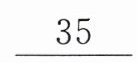
B: No, we don't. We only have PE.
A. And we can't eat outside.
B. Do you learn computer or art?
C. What do you have to do at school?
D. I like it, but I don't like the rules.
E. What subjects do you have to learn?
F. Do you have to wear uniforms?
G. Can you tell me your school rules?
根据对话内容,从方框中选择合适的句子补全对话,其中有两项为多余选项。
A: What do you think of your school, Linda?
B: It's a nice school. 31
A: What rules? 32
B: Yes, we do.
A: Can you go home for lunch?
B: No, we can't. 33 We have to eat lunch in the dining hall.
A: 34
B: Maths, science, history, geography and Chinese.
A: 35
B: No, we don't. We only have PE.
A. And we can't eat outside.
B. Do you learn computer or art?
C. What do you have to do at school?
D. I like it, but I don't like the rules.
E. What subjects do you have to learn?
F. Do you have to wear uniforms?
G. Can you tell me your school rules?
答案
31.D 32.F 33.A 34.E 35.B
解析
【分析】
补全对话需结合上下文的问答逻辑、语境选择合适句子。先通读对话,明确话题围绕学校的评价、规则、课程展开:31空需承接对学校的评价并引出规则话题;32空需是助动词do开头的一般疑问句,匹配B的答语;33空需补充午饭相关的规则;34空需对应B回答的科目;35空需是一般疑问句,匹配B的否定答语。
【解析】
1. 31处:前文B说学校很好,后文A问“什么规则”,D选项“我喜欢它,但我不喜欢规则”既承接对学校的评价,又引出规则话题,符合语境,选D;
2. 32处:A问“什么规则”,B答“Yes, we do”,说明此处是do开头的一般疑问句,F选项“你们必须穿校服吗?”是一般疑问句,属于学校规则,符合,选F;
3. 33处:A问能否回家吃午饭,B答不能,后文说必须在餐厅吃,A选项“而且我们不能在外面吃”补充午饭规则,衔接自然,选A;
4. 34处:B回答的是科目,E选项“你们必须学什么科目?”询问科目,匹配答语,选E;
5. 35处:B答“No, we don't”,是对一般疑问句的否定回答,B选项“你们学电脑或艺术吗?”是一般疑问句,与答语的课程相关,选B。
【答案】
31.D 32.F 33.A 34.E 35.B
【知识点】
英语补全对话、情景交际用语
【点评】
本题是日常情景交际类补全对话题,围绕学校的评价、规则、课程展开,需结合上下文问答逻辑选句,是英语基础题型,难度适中。
【难度系数】
0.6
补全对话需结合上下文的问答逻辑、语境选择合适句子。先通读对话,明确话题围绕学校的评价、规则、课程展开:31空需承接对学校的评价并引出规则话题;32空需是助动词do开头的一般疑问句,匹配B的答语;33空需补充午饭相关的规则;34空需对应B回答的科目;35空需是一般疑问句,匹配B的否定答语。
【解析】
1. 31处:前文B说学校很好,后文A问“什么规则”,D选项“我喜欢它,但我不喜欢规则”既承接对学校的评价,又引出规则话题,符合语境,选D;
2. 32处:A问“什么规则”,B答“Yes, we do”,说明此处是do开头的一般疑问句,F选项“你们必须穿校服吗?”是一般疑问句,属于学校规则,符合,选F;
3. 33处:A问能否回家吃午饭,B答不能,后文说必须在餐厅吃,A选项“而且我们不能在外面吃”补充午饭规则,衔接自然,选A;
4. 34处:B回答的是科目,E选项“你们必须学什么科目?”询问科目,匹配答语,选E;
5. 35处:B答“No, we don't”,是对一般疑问句的否定回答,B选项“你们学电脑或艺术吗?”是一般疑问句,与答语的课程相关,选B。
【答案】
31.D 32.F 33.A 34.E 35.B
【知识点】
英语补全对话、情景交际用语
【点评】
本题是日常情景交际类补全对话题,围绕学校的评价、规则、课程展开,需结合上下文问答逻辑选句,是英语基础题型,难度适中。
【难度系数】
0.6
