

 登录
登录
Ⅲ. 阅读理解
阅读下列短文,从每题所给的A、B、C、D四个选项中选出最佳选项。
A
In some parts of the world, children don’t have enough food or money. Every year at Sunshine Middle School, we do something to raise money for them. This year we will have a big event—a Market Day.
The Market Day falls on July 8. We are going to make our student centre look like a big shopping centre! People can come at any time from 9:00 a. m. to 5:00 p. m. and buy everything from clothes to books, cakes and flowers.
Luckily, many volunteers will help us prepare or the big event. Last year, Ms Grant and Ms Ali made some wonderful cakes for our charity(慈善)event. They will do it again this year. Bill Thomas will visit the book shop and music shop, and ask the shops to give us things to sell. Philip White will e-mail all the teachers and ask them to come to our event. Alice Brown will put the news online to tell that the event is open to everyone.
However, there is more to do, and we need your help. We want you to offer us things like old books, old clothes and anything that we can sell to raise money for poor children. We also need some student volunteers to help sell the things on Market Day. With your help, we will surely have a successful Market Day!
(
A. What to sell.
B. When the event is.
C. Where the event is.
D. Who will offer help.
(
A. Make cakes.
B. Play music.
C. Visit shops.
D. Borrow books.
(
A. Ms Grant.
B. Philip White.
C. Bill Thomas.
D. Alice Brown.
(
A. Buy clothes.
B. Give money.
C. Help sell things.
D. Visit poor children.
B
Body language is important in communication. However, the same body language can have very different meanings in different cultures. Here are some examples.
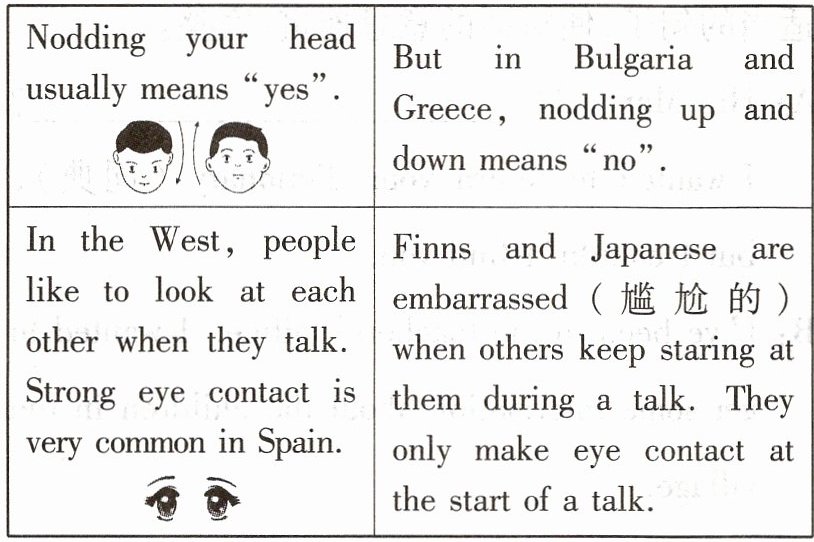
Nodding your head usually means “yes”.
But in Bulgaria and Greece, nodding up and down means “no”.
In the West, people like to look at each other when they talk. Strong eye contact is very common in Spain.
Finns and Japanese are embarrassed(尴尬的)when others keep staring at them during a talk. They only make eye contact at the start of a talk.
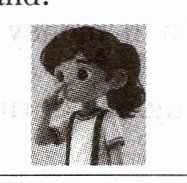
Tapping your nose means “secret” in England.
In Italy, the same gesture means “be careful”.
In many cultures, like Italy, people use their arms freely when talking. They often wave their arms around.
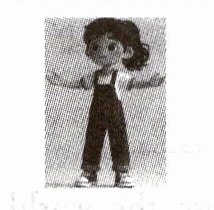
In Northern Europe don’t like gesturing with their arms. When you do this, they may think you are not sincere or you are telling lies. In Japan, moving your arms too much is rude—it’s better to stay relaxed and quiet.
Sitting with legs crossed is common in North America and some European countries.
In many countries in Asia and the Middle East, sitting like this is not polite.
(
A. I agree with you.
B. You are lying.
C. Be more careful.
D. Keep this secret.
(
A. To say quietly.
B. To tell the truth.
C. To stay relaxed.
D. To be confident.
(
A. Sit with his legs crossed.
B. Wave his arms often while talking.
C. Stare at his classmate during the talk.
D. Only make eye contact at the start of the talk.
(
A. To tell readers what body language is.
B. To ask readers to use more body language.
C. To help readers understand other cultures better.
D. To show that some cultures are better than others.
阅读下列短文,从每题所给的A、B、C、D四个选项中选出最佳选项。
A
In some parts of the world, children don’t have enough food or money. Every year at Sunshine Middle School, we do something to raise money for them. This year we will have a big event—a Market Day.
The Market Day falls on July 8. We are going to make our student centre look like a big shopping centre! People can come at any time from 9:00 a. m. to 5:00 p. m. and buy everything from clothes to books, cakes and flowers.
Luckily, many volunteers will help us prepare or the big event. Last year, Ms Grant and Ms Ali made some wonderful cakes for our charity(慈善)event. They will do it again this year. Bill Thomas will visit the book shop and music shop, and ask the shops to give us things to sell. Philip White will e-mail all the teachers and ask them to come to our event. Alice Brown will put the news online to tell that the event is open to everyone.
However, there is more to do, and we need your help. We want you to offer us things like old books, old clothes and anything that we can sell to raise money for poor children. We also need some student volunteers to help sell the things on Market Day. With your help, we will surely have a successful Market Day!
(
D
)21. What information can’t we find about the event in Paragraph 2?A. What to sell.
B. When the event is.
C. Where the event is.
D. Who will offer help.
(
A
)22. What do the underlined words “do it” refer to(指代)?A. Make cakes.
B. Play music.
C. Visit shops.
D. Borrow books.
(
B
)23. Who will invite teachers to this charity event?A. Ms Grant.
B. Philip White.
C. Bill Thomas.
D. Alice Brown.
(
C
)24. What does the writer want us to do at the end of the text?A. Buy clothes.
B. Give money.
C. Help sell things.
D. Visit poor children.
B
Body language is important in communication. However, the same body language can have very different meanings in different cultures. Here are some examples.
Nodding your head usually means “yes”.
But in Bulgaria and Greece, nodding up and down means “no”.
In the West, people like to look at each other when they talk. Strong eye contact is very common in Spain.
Finns and Japanese are embarrassed(尴尬的)when others keep staring at them during a talk. They only make eye contact at the start of a talk.
Tapping your nose means “secret” in England.
In Italy, the same gesture means “be careful”.
In many cultures, like Italy, people use their arms freely when talking. They often wave their arms around.
In Northern Europe don’t like gesturing with their arms. When you do this, they may think you are not sincere or you are telling lies. In Japan, moving your arms too much is rude—it’s better to stay relaxed and quiet.
Sitting with legs crossed is common in North America and some European countries.
In many countries in Asia and the Middle East, sitting like this is not polite.
(
C
)25. What does it mean when an Italian taps his nose in a conversation?A. I agree with you.
B. You are lying.
C. Be more careful.
D. Keep this secret.
(
B
)26. What does the underlined word “sincere” mean in the passage?A. To say quietly.
B. To tell the truth.
C. To stay relaxed.
D. To be confident.
(
D
)27. If Peter wants to make friends with a new Japanese classmate, what should he do?A. Sit with his legs crossed.
B. Wave his arms often while talking.
C. Stare at his classmate during the talk.
D. Only make eye contact at the start of the talk.
(
C
)28. What is the purpose of the passage?A. To tell readers what body language is.
B. To ask readers to use more body language.
C. To help readers understand other cultures better.
D. To show that some cultures are better than others.
答案
A) 21. D 22. A 23. B 24. C
B) 25. C 26. B 27. D 28. C
B) 25. C 26. B 27. D 28. C
