

 登录
登录
(
A.choice
B.spirit
C.hobby
D.passport
D
)3. If you don't have a , you can't travel around the world.A.choice
B.spirit
C.hobby
D.passport
答案
3.D
解析
【分析】这是一道英语词义辨析题,解题思路为:先明确每个选项单词的含义,再结合句子语境(环游世界所需的物品)进行匹配,选出符合逻辑的选项。句子表达的是“没有______就不能环游世界”,需判断哪个名词是环游世界必备的物品。
【解析】首先分析各选项词义:A. choice(选择);B. spirit(精神);C. hobby(爱好);D. passport(护照)。结合常识,环游世界需要护照,因此只有D选项符合语境。
【答案】D
【知识点】英语名词词义辨析、语境运用
【点评】本题考查基础英语词汇的词义辨析,结合生活常识和句子语境即可轻松选出答案,属于基础题型。
【难度系数】0.3
【解析】首先分析各选项词义:A. choice(选择);B. spirit(精神);C. hobby(爱好);D. passport(护照)。结合常识,环游世界需要护照,因此只有D选项符合语境。
【答案】D
【知识点】英语名词词义辨析、语境运用
【点评】本题考查基础英语词汇的词义辨析,结合生活常识和句子语境即可轻松选出答案,属于基础题型。
【难度系数】0.3
(
—She go to the school library,
but I'm not sure.
A.can
B.must
C.might
D.should
C
)4. —Where is Alice?—She go to the school library,
but I'm not sure.
A.can
B.must
C.might
D.should
答案
4.C
解析
【分析】首先观察对话语境,答句后半句有“but I'm not sure”(但是我不确定),说明前面是对Alice去向的不确定推测,需选择表不确定推测的情态动词。接下来回忆各选项情态动词的用法:must表肯定推测(一定),与“不确定”矛盾;can表推测多用于否定/疑问句,不适合本句肯定句;might表不确定的可能性推测,符合语境;should表“应该”,不符合推测语境。因此需选对应选项。
【解析】根据答句关键信息“but I'm not sure”(但是我不确定),可知此处是对Alice去向的不确定推测。逐一分析选项:A. can表推测时通常用于否定句或疑问句,不用于肯定句表推测,排除;B. must表非常肯定的推测(一定),与“不确定”的语境不符,排除;C. might表可能性较小的不确定推测,意为“可能”,符合语境;D. should表“应该”,用于表建议或责任,不符合此处推测的语境,排除。故答案为C。
【答案】C
【知识点】情态动词(表推测)
【点评】本题考查情态动词表推测的用法,解题核心是抓住语境中的“不确定”提示,区分不同情态动词表推测的用法差异,属于基础题型,需熟练掌握情态动词的推测用法。
【难度系数】0.5
【解析】根据答句关键信息“but I'm not sure”(但是我不确定),可知此处是对Alice去向的不确定推测。逐一分析选项:A. can表推测时通常用于否定句或疑问句,不用于肯定句表推测,排除;B. must表非常肯定的推测(一定),与“不确定”的语境不符,排除;C. might表可能性较小的不确定推测,意为“可能”,符合语境;D. should表“应该”,用于表建议或责任,不符合此处推测的语境,排除。故答案为C。
【答案】C
【知识点】情态动词(表推测)
【点评】本题考查情态动词表推测的用法,解题核心是抓住语境中的“不确定”提示,区分不同情态动词表推测的用法差异,属于基础题型,需熟练掌握情态动词的推测用法。
【难度系数】0.5
(
—Where's Daniel? I need to talk to him about our class trip.
A.looking for
B.looking at
C.getting out
D.laughing at
A
)5. —Who are you , sir? I think everybody is here.—Where's Daniel? I need to talk to him about our class trip.
A.looking for
B.looking at
C.getting out
D.laughing at
答案
5.A
解析
【分析】首先理解对话语境,问句询问对方正在寻找的人,答句提到找Daniel要谈论班级旅行,因此需要选择表示“寻找”的动词短语,再逐一辨析各选项短语的含义。
【解析】逐一分析选项:A. looking for 意为“寻找”;B. looking at 意为“看”;C. getting out 意为“出去”;D. laughing at 意为“嘲笑”。结合答句“Where's Daniel? I need to talk to him about our class trip.”可知,问句是问“你在找谁?”,符合语境的是A选项。
【答案】A
【知识点】动词短语辨析
【点评】本题考查常用动词短语在日常对话语境中的运用,难度较低,需结合上下文语境理解短语含义。
【难度系数】0.8
【解析】逐一分析选项:A. looking for 意为“寻找”;B. looking at 意为“看”;C. getting out 意为“出去”;D. laughing at 意为“嘲笑”。结合答句“Where's Daniel? I need to talk to him about our class trip.”可知,问句是问“你在找谁?”,符合语境的是A选项。
【答案】A
【知识点】动词短语辨析
【点评】本题考查常用动词短语在日常对话语境中的运用,难度较低,需结合上下文语境理解短语含义。
【难度系数】0.8
三、将下列句子中汉语部分译成英语,注意使用适当的形式。
1. It's bad for our eyes to read
2. Can you tell me the way to the
3. When I
4. If you
5. It is nice to live
6. There is an
7. In
1. It's bad for our eyes to read
in the sun
.(在阳光下)2. Can you tell me the way to the
train station
?(火车站)3. When I
turned around
, I saw my parents waiting for me.(转身)4. If you
go over budget
, try to make a better plan for your money.(超出预算)5. It is nice to live
in the countryside
and breathe fresh air every day.(在乡下)6. There is an
ancient tower
on the top of the hill with a history of over 1,000 years.(古塔)7. In
late autumn
, the leaves of most trees turn yellow and start to fall.(晚秋)答案
1. in the sun 2. train station 3. turned around 4. go over budget 5. in the countryside 6. ancient tower 7. late autumn
解析
【分析】
这是一道汉译英的基础题,主要考查英语常用固定短语、名词短语及动词时态的运用。解题时需结合汉语意思,回忆对应的英语固定表达,同时注意句子的时态要求,确保短语形式正确。
【解析】
1. “在阳光下”是英语固定介词短语,对应为in the sun;
2. “火车站”是常用名词短语,对应为train station;
3. 主句用过去式saw,从句需用一般过去时,“转身”的过去式为turned around;
4. “超出预算”是固定短语go over budget,if引导的条件状语从句用一般现在时,故填原形;
5. “在乡下”是英语固定短语,对应为in the countryside;
6. “古塔”是名词短语,ancient(古老的)修饰tower,对应为ancient tower;
7. “晚秋”的固定英语表达为late autumn。
【答案】
1. in the sun 2. train station 3. turned around 4. go over budget 5. in the countryside 6. ancient tower 7. late autumn
【知识点】
固定短语搭配、名词短语、动词时态
【点评】
本题考查基础英语常用表达,属于汉译英的基础题型,侧重考查学生对日常固定短语的积累,难度较低,只要平时掌握相关短语即可轻松作答。
【难度系数】
0.8
这是一道汉译英的基础题,主要考查英语常用固定短语、名词短语及动词时态的运用。解题时需结合汉语意思,回忆对应的英语固定表达,同时注意句子的时态要求,确保短语形式正确。
【解析】
1. “在阳光下”是英语固定介词短语,对应为in the sun;
2. “火车站”是常用名词短语,对应为train station;
3. 主句用过去式saw,从句需用一般过去时,“转身”的过去式为turned around;
4. “超出预算”是固定短语go over budget,if引导的条件状语从句用一般现在时,故填原形;
5. “在乡下”是英语固定短语,对应为in the countryside;
6. “古塔”是名词短语,ancient(古老的)修饰tower,对应为ancient tower;
7. “晚秋”的固定英语表达为late autumn。
【答案】
1. in the sun 2. train station 3. turned around 4. go over budget 5. in the countryside 6. ancient tower 7. late autumn
【知识点】
固定短语搭配、名词短语、动词时态
【点评】
本题考查基础英语常用表达,属于汉译英的基础题型,侧重考查学生对日常固定短语的积累,难度较低,只要平时掌握相关短语即可轻松作答。
【难度系数】
0.8
四、根据短文内容,从短文后所给的选项中选出能填入空白处的最佳选项。选项中有两项为多余选项。
I went to Dali last summer.
1.
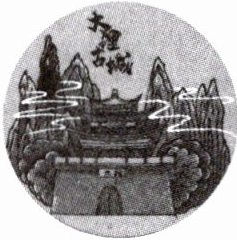
Dali is about 330 kilometres away from the capital city of Yunnan—Kunming. It is not too hot in summer or too cold in winter.
2.
Dali has four famous scenes called “Wind” “Flowers” “Snow” and “Moon”. The “Wind” refers to “Xiaguan Wind”. In fact, Xiaguan is a mountain pass(山口). The wind from this special place is so strong that you can hardly open your eyes. So Xiaguan is also called “Wind City”. The “Flowers” mean “Shangguan Flowers”.
3.
The “Snow” refers to “Cangshan Snow”. The mountain is covered with white snow. The snow on the top of the mountain never melts(融化).
4.
At the Mid-Autumn Festival, people living by Erhai Lake enjoy the moon reflected(反射) on the lake. The sky, clouds, the moon and the lake form a beautiful picture.
5.
Next time when you visit Dali, don’t forget to enjoy the scenes I’m talking about.
A. It’s a wonderful place.
B. Don’t always stay in bed.
C. So you can visit it anytime.
D. Finally, let’s talk about the “Moon”.
E. Then I went shopping and bought a hat.
F. Do you like Dali after hearing my words?
G. Shangguan is an open grassland with many beautiful flowers.
I went to Dali last summer.
1.
A
Now let me tell you something special about it.Dali is about 330 kilometres away from the capital city of Yunnan—Kunming. It is not too hot in summer or too cold in winter.
2.
C
Dali has four famous scenes called “Wind” “Flowers” “Snow” and “Moon”. The “Wind” refers to “Xiaguan Wind”. In fact, Xiaguan is a mountain pass(山口). The wind from this special place is so strong that you can hardly open your eyes. So Xiaguan is also called “Wind City”. The “Flowers” mean “Shangguan Flowers”.
3.
G
The “Snow” refers to “Cangshan Snow”. The mountain is covered with white snow. The snow on the top of the mountain never melts(融化).
4.
D
At the Mid-Autumn Festival, people living by Erhai Lake enjoy the moon reflected(反射) on the lake. The sky, clouds, the moon and the lake form a beautiful picture.
5.
F
Next time when you visit Dali, don’t forget to enjoy the scenes I’m talking about.
A. It’s a wonderful place.
B. Don’t always stay in bed.
C. So you can visit it anytime.
D. Finally, let’s talk about the “Moon”.
E. Then I went shopping and bought a hat.
F. Do you like Dali after hearing my words?
G. Shangguan is an open grassland with many beautiful flowers.
答案
1.A 2.C 3.G 4.D 5.F
解析
【分析】
本题是英语七选五题型,解题思路为:先通读全文把握文章主旨(作者介绍大理的旅游特色);再逐个分析每个空格的上下文语境,结合选项的语义和逻辑关系匹配最恰当的句子;最后验证整体连贯性。
【解析】
1. 第1空:前文提到作者去年夏天去了大理,后文引出要介绍大理的特别之处,A选项“它是个很棒的地方”承接上文,开启下文介绍,故选A。
2. 第2空:前文说明大理冬暖夏凉的气候特点,C选项“所以你可以随时去”顺承气候优势,说明游览时间灵活,故选C。
3. 第3空:前文介绍“花”对应上关花,G选项“上关是有许多美丽花朵的开阔草地”具体解释上关花的情况,衔接前文,故选G。
4. 第4空:后文围绕“月”的特色展开,D选项“最后,让我们谈谈‘月’”引出下文关于“月”的内容,故选D。
5. 第5空:后文提醒下次去大理别忘欣赏这些景色,F选项“听完我的话你喜欢大理吗?”呼应前文介绍,衔接后文的游览建议,故选F。
【答案】
1.A 2.C 3.G 4.D 5.F
【知识点】
英语阅读理解、语篇衔接
【点评】
本题以大理的特色为话题设置七选五题目,考查学生对语篇逻辑和语境的理解能力,需结合上下文匹配句子,难度适中。
【难度系数】
0.6
本题是英语七选五题型,解题思路为:先通读全文把握文章主旨(作者介绍大理的旅游特色);再逐个分析每个空格的上下文语境,结合选项的语义和逻辑关系匹配最恰当的句子;最后验证整体连贯性。
【解析】
1. 第1空:前文提到作者去年夏天去了大理,后文引出要介绍大理的特别之处,A选项“它是个很棒的地方”承接上文,开启下文介绍,故选A。
2. 第2空:前文说明大理冬暖夏凉的气候特点,C选项“所以你可以随时去”顺承气候优势,说明游览时间灵活,故选C。
3. 第3空:前文介绍“花”对应上关花,G选项“上关是有许多美丽花朵的开阔草地”具体解释上关花的情况,衔接前文,故选G。
4. 第4空:后文围绕“月”的特色展开,D选项“最后,让我们谈谈‘月’”引出下文关于“月”的内容,故选D。
5. 第5空:后文提醒下次去大理别忘欣赏这些景色,F选项“听完我的话你喜欢大理吗?”呼应前文介绍,衔接后文的游览建议,故选F。
【答案】
1.A 2.C 3.G 4.D 5.F
【知识点】
英语阅读理解、语篇衔接
【点评】
本题以大理的特色为话题设置七选五题目,考查学生对语篇逻辑和语境的理解能力,需结合上下文匹配句子,难度适中。
【难度系数】
0.6
