

 登录
登录
B
Looking at the paper money from different countries, you will see more than numbers and colors. You will discover pictures of rivers, mountains, buildings and famous people. These pictures often show what each country values (重视). They are like small lessons in culture, history and nature. Paper money isn't just for spending — it's also for learning.
Let's start with China. The Chinese yuan is a perfect mix of nature and tradition. On the 20 yuan note (纸币), there is the Lijiang River in Guilin, with green mountains rising from calm waters. On the 5 yuan note, you'll find Mount Taishan, one of the most famous mountains in China.
▲ Switzerland's notes include mountains, rivers, and even wind patterns (图案)! Canada's show snowy landscapes and maple (枫树) leaves.
These days, many people use phones or cards as a way to pay. It's fast and easy. But paper money still has value — not only in payment, but also in meaning. You can hold it, look at it, and learn from it. It can be a tiny museum in your pocket.
So next time you hold your paper money, take a second look.
根据材料内容选择最佳答案。
(
①numbers and colors
②mountains and rivers
③animals and plants
④buildings and famous people
A. ①②③
B. ②③④
C. ①②④
D. ①③④
(
A. By giving examples.
B. By listing numbers.
C. By doing a survey.
D. By telling a story.
(
A. Things are different in other countries.
B. Other countries do this too, in their own way.
C. Today's paper money is not like early money.
D. Paper money is changing in its colors and patterns.
(
A. The paper money is beautiful.
B. Money is important to our life.
C. We can learn a lot from paper money.
D. People won't use paper money because of new payments.
(
Looking at the paper money from different countries, you will see more than numbers and colors. You will discover pictures of rivers, mountains, buildings and famous people. These pictures often show what each country values (重视). They are like small lessons in culture, history and nature. Paper money isn't just for spending — it's also for learning.
Let's start with China. The Chinese yuan is a perfect mix of nature and tradition. On the 20 yuan note (纸币), there is the Lijiang River in Guilin, with green mountains rising from calm waters. On the 5 yuan note, you'll find Mount Taishan, one of the most famous mountains in China.
▲ Switzerland's notes include mountains, rivers, and even wind patterns (图案)! Canada's show snowy landscapes and maple (枫树) leaves.
These days, many people use phones or cards as a way to pay. It's fast and easy. But paper money still has value — not only in payment, but also in meaning. You can hold it, look at it, and learn from it. It can be a tiny museum in your pocket.
So next time you hold your paper money, take a second look.
根据材料内容选择最佳答案。
(
C
)4. What can we find on the paper money?①numbers and colors
②mountains and rivers
③animals and plants
④buildings and famous people
A. ①②③
B. ②③④
C. ①②④
D. ①③④
(
A
)5. How does the writer develop his idea in paragraph 3?A. By giving examples.
B. By listing numbers.
C. By doing a survey.
D. By telling a story.
(
B
)6. Which sentence can be put in ▲?A. Things are different in other countries.
B. Other countries do this too, in their own way.
C. Today's paper money is not like early money.
D. Paper money is changing in its colors and patterns.
(
C
)7. What does the writer mainly want to tell us in paragraph 4?A. The paper money is beautiful.
B. Money is important to our life.
C. We can learn a lot from paper money.
D. People won't use paper money because of new payments.
(
D
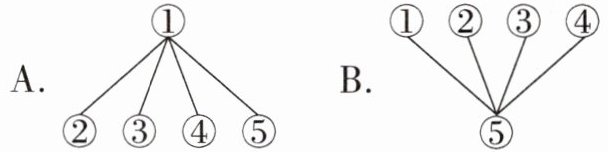
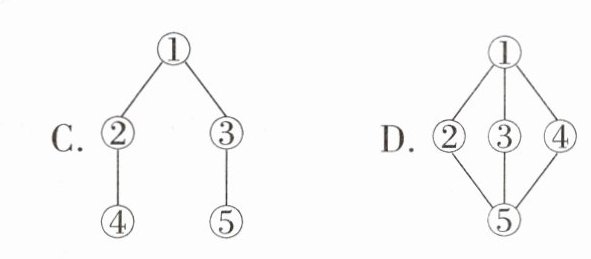
)8. What is the right structure of the text?答案
4. C 由第一段前两句可知,在纸币上我们可以看到数字、颜色、山川、河流、建筑及名人的图片,没有提到动物和植物。
5. A 结合第一段可知,作者在第一段提出“纸币不只是用来花的,也可以用来学习”这一观点,然后以中国的纸币为例来说明自己的观点。故作者的写作手法为举例论证。
6. B 第三段和第二段一样,都是作者所举的例子,说明其他国家的纸币和中国的一样,上面都有丰富的图片并值得学习,但不同的国家具有不同的特色。B 项表述符合文章叙述逻辑,起到承上启下的作用。
7. C 由第四段内容可知,作者在本段中谈道,虽然现在很多人使用手机或银行卡支付,但纸币依然有它的(文化、历史)价值,像一个口袋图书馆一样,值得人们从中学习。
8. D 通读全文可知,本文第一段提出观点,第二、三、四段从纸币上的图画和文化含义两个方面证明观点,第五段是总结,文章结构为“总—分—总”。
5. A 结合第一段可知,作者在第一段提出“纸币不只是用来花的,也可以用来学习”这一观点,然后以中国的纸币为例来说明自己的观点。故作者的写作手法为举例论证。
6. B 第三段和第二段一样,都是作者所举的例子,说明其他国家的纸币和中国的一样,上面都有丰富的图片并值得学习,但不同的国家具有不同的特色。B 项表述符合文章叙述逻辑,起到承上启下的作用。
7. C 由第四段内容可知,作者在本段中谈道,虽然现在很多人使用手机或银行卡支付,但纸币依然有它的(文化、历史)价值,像一个口袋图书馆一样,值得人们从中学习。
8. D 通读全文可知,本文第一段提出观点,第二、三、四段从纸币上的图画和文化含义两个方面证明观点,第五段是总结,文章结构为“总—分—总”。
解析
【解析】
4. 根据文章第一段前两句可知,纸币上可见数字、颜色、山川、河流、建筑及名人的图案,未提及动物和植物,故选C。
5. 第三段通过列举瑞士、加拿大纸币上的特色图案展开内容,运用了举例论证的写作手法,故选A。
6. 第二段介绍中国纸币,第三段转向其他国家的纸币,B选项“Other countries do this too, in their own way.”能承上启下,衔接上下文逻辑,故选B。
7. 第四段表明纸币除支付功能外,还承载着文化学习价值,我们可从中学习很多知识,故选C。
8. 文章第一段总起,点明纸币的学习价值;第二、三、四段分别从中国纸币、他国纸币、纸币的当代价值展开分述;第五段总结全文,结构为总—分—总,故选D。
【答案】
4. C
5. A
6. B
7. C
8. D
【知识点】
细节理解、推理判断、文章结构分析
【点评】
本文围绕各国纸币上的图案,展现纸币承载的文化、历史与自然价值,题型多样,全方位考查阅读理解能力,引导学生挖掘日常事物背后的文化内涵。
【难度系数】
0.6
4. 根据文章第一段前两句可知,纸币上可见数字、颜色、山川、河流、建筑及名人的图案,未提及动物和植物,故选C。
5. 第三段通过列举瑞士、加拿大纸币上的特色图案展开内容,运用了举例论证的写作手法,故选A。
6. 第二段介绍中国纸币,第三段转向其他国家的纸币,B选项“Other countries do this too, in their own way.”能承上启下,衔接上下文逻辑,故选B。
7. 第四段表明纸币除支付功能外,还承载着文化学习价值,我们可从中学习很多知识,故选C。
8. 文章第一段总起,点明纸币的学习价值;第二、三、四段分别从中国纸币、他国纸币、纸币的当代价值展开分述;第五段总结全文,结构为总—分—总,故选D。
【答案】
4. C
5. A
6. B
7. C
8. D
【知识点】
细节理解、推理判断、文章结构分析
【点评】
本文围绕各国纸币上的图案,展现纸币承载的文化、历史与自然价值,题型多样,全方位考查阅读理解能力,引导学生挖掘日常事物背后的文化内涵。
【难度系数】
0.6
