

 登录
登录
一、将含有例词画线部分发音的单词写在对应横线上。(重复出现的单词只写一次)
I have a happy family. This is my father. He is a maths teacher. This is my mother.
She has long hair. This is my brother. He loves cool clothes. This Thursday is his
eleventh birthday. He will get three presents from us.
1. that:
2. thin:
I have a happy family. This is my father. He is a maths teacher. This is my mother.
She has long hair. This is my brother. He loves cool clothes. This Thursday is his
eleventh birthday. He will get three presents from us.
1. that:
This, father, mother, brother, clothes
2. thin:
maths, Thursday, eleventh, birthday, three
答案
一、1. This, father, mother, brother, clothes
2. maths, Thursday, eleventh,
birthday, three
2. maths, Thursday, eleventh,
birthday, three
解析
【分析】
首先明确题目要求:找出含有例词画线部分(字母组合th)发音的单词,重复单词只写一次。解题步骤如下:
1. 先确定例词的发音:that中th发浊辅音/ð/,thin中th发清辅音/θ/。
2. 逐个认读题目中的单词,判断每个单词里th的发音,将发音与例词一致的单词筛选出来,注意排除重复出现的单词。
【解析】
1. 例词that中字母组合th发音为/ð/,逐一分析题目中的单词:
This:发音/ðɪs/,th发/ð/,符合要求;
father:发音/ˈfɑːðə(r)/,th发/ð/,符合要求;
mother:发音/ˈmʌðə(r)/,th发/ð/,符合要求;
brother:发音/ˈbrʌðə(r)/,th发/ð/,符合要求;
clothes:发音/kləʊðz/,th发/ð/,符合要求;
以上单词均含/ð/音,且无重复,故填入第一横线。
2. 例词thin中字母组合th发音为/θ/,逐一分析题目中的单词:
maths:发音/mæθs/,th发/θ/,符合要求;
Thursday:发音/ˈθɜːzdeɪ/,th发/θ/,符合要求;
eleventh:发音/ɪˈlevnθ/,th发/θ/,符合要求;
birthday:发音/ˈbɜːθdeɪ/,th发/θ/,符合要求;
three:发音/θriː/,th发/θ/,符合要求;
以上单词均含/θ/音,且无重复,故填入第二横线。
【答案】
1. This, father, mother, brother, clothes
2. maths, Thursday, eleventh, birthday, three
【知识点】
字母组合th的发音
【点评】
本题考查字母组合th的两种常见发音(清辅音/θ/与浊辅音/ð/)的区分,需要学生准确掌握不同词汇中th的发音规律,平时多积累发音词汇,避免混淆两种发音。
【难度系数】
0.6
首先明确题目要求:找出含有例词画线部分(字母组合th)发音的单词,重复单词只写一次。解题步骤如下:
1. 先确定例词的发音:that中th发浊辅音/ð/,thin中th发清辅音/θ/。
2. 逐个认读题目中的单词,判断每个单词里th的发音,将发音与例词一致的单词筛选出来,注意排除重复出现的单词。
【解析】
1. 例词that中字母组合th发音为/ð/,逐一分析题目中的单词:
This:发音/ðɪs/,th发/ð/,符合要求;
father:发音/ˈfɑːðə(r)/,th发/ð/,符合要求;
mother:发音/ˈmʌðə(r)/,th发/ð/,符合要求;
brother:发音/ˈbrʌðə(r)/,th发/ð/,符合要求;
clothes:发音/kləʊðz/,th发/ð/,符合要求;
以上单词均含/ð/音,且无重复,故填入第一横线。
2. 例词thin中字母组合th发音为/θ/,逐一分析题目中的单词:
maths:发音/mæθs/,th发/θ/,符合要求;
Thursday:发音/ˈθɜːzdeɪ/,th发/θ/,符合要求;
eleventh:发音/ɪˈlevnθ/,th发/θ/,符合要求;
birthday:发音/ˈbɜːθdeɪ/,th发/θ/,符合要求;
three:发音/θriː/,th发/θ/,符合要求;
以上单词均含/θ/音,且无重复,故填入第二横线。
【答案】
1. This, father, mother, brother, clothes
2. maths, Thursday, eleventh, birthday, three
【知识点】
字母组合th的发音
【点评】
本题考查字母组合th的两种常见发音(清辅音/θ/与浊辅音/ð/)的区分,需要学生准确掌握不同词汇中th的发音规律,平时多积累发音词汇,避免混淆两种发音。
【难度系数】
0.6
二、单项选择。
(
A.fight
B.fighting
C.fight
(
B
)1.Lily starts fighting
against the bad cat.A.fight
B.fighting
C.fight
答案
1. B
解析
【分析】
首先,我们需要回忆动词start的常用搭配。start后可以接动名词(doing形式)或动词不定式(to do形式),表示“开始做某事”。观察题目中的选项,A和C都是动词原形fight,不符合start的搭配要求;B选项是动名词fighting,符合start doing sth的结构,因此应该选择B。
【解析】
本题考查动词start的固定搭配:start doing sth.(开始做某事)。
选项A和C为动词原形,不符合该搭配;选项B是fight的动名词形式,符合start doing sth.的用法,所以选B。
【答案】
B
【知识点】
start的固定搭配
【点评】
这道题是对动词固定搭配的基础考查,重点在于掌握start后接动名词或动词不定式的用法,学生只要牢记相关搭配就能轻松作答。
【难度系数】
0.8
首先,我们需要回忆动词start的常用搭配。start后可以接动名词(doing形式)或动词不定式(to do形式),表示“开始做某事”。观察题目中的选项,A和C都是动词原形fight,不符合start的搭配要求;B选项是动名词fighting,符合start doing sth的结构,因此应该选择B。
【解析】
本题考查动词start的固定搭配:start doing sth.(开始做某事)。
选项A和C为动词原形,不符合该搭配;选项B是fight的动名词形式,符合start doing sth.的用法,所以选B。
【答案】
B
【知识点】
start的固定搭配
【点评】
这道题是对动词固定搭配的基础考查,重点在于掌握start后接动名词或动词不定式的用法,学生只要牢记相关搭配就能轻松作答。
【难度系数】
0.8
(
A.four; fourth
B.fourth; four
C.fourth; fourth
B
)2.The fourth
number of the password is four
.A.four; fourth
B.fourth; four
C.fourth; fourth
答案
2. B
解析
【分析】
要解决这道题,需明确基数词和序数词的用法差异:首先看第一个空,前面有定冠词the,后面接名词number,此处需要用序数词来表示“第几个数字”的顺序概念;再看第二个空,is后面要接具体的数值,需要用基数词来表示数量。结合选项,第一个空用序数词fourth,第二个空用基数词four,对应选项B。
【解析】
1. 第一个空:“the + 序数词 + 名词”是固定结构,用于表示顺序,此处指密码的“第四个数字”,所以用序数词fourth。
2. 第二个空:此处要表示具体的数字数值,需用基数词,所以用four。
综上,正确答案为B选项。
【答案】
B
【知识点】
基数词与序数词的用法区别
【点评】
本题重点考查基数词和序数词的辨析及实际运用,核心在于牢记序数词前常加定冠词the,用于表顺序;基数词用于表具体数量,学生需熟练掌握两者的使用场景,避免混淆。
【难度系数】
0.8
要解决这道题,需明确基数词和序数词的用法差异:首先看第一个空,前面有定冠词the,后面接名词number,此处需要用序数词来表示“第几个数字”的顺序概念;再看第二个空,is后面要接具体的数值,需要用基数词来表示数量。结合选项,第一个空用序数词fourth,第二个空用基数词four,对应选项B。
【解析】
1. 第一个空:“the + 序数词 + 名词”是固定结构,用于表示顺序,此处指密码的“第四个数字”,所以用序数词fourth。
2. 第二个空:此处要表示具体的数字数值,需用基数词,所以用four。
综上,正确答案为B选项。
【答案】
B
【知识点】
基数词与序数词的用法区别
【点评】
本题重点考查基数词和序数词的辨析及实际运用,核心在于牢记序数词前常加定冠词the,用于表顺序;基数词用于表具体数量,学生需熟练掌握两者的使用场景,避免混淆。
【难度系数】
0.8
(
A.When
B.What
C.How
C
)3.—How
can I open the door? —You can use the key.A.When
B.What
C.How
答案
3. C
解析
【分析】
首先观察答句“You can use the key.”,这句话是在说明开门的方式,所以问句应该是询问“如何开门”,需要选择表示方式的疑问词。接下来分析三个选项:A选项When用于询问时间,B选项What用于询问事物,C选项How用于询问方式、方法。结合答句内容,只有How符合语境,因此应选C。
【解析】
1. 解读答句:答句“You can use the key.”意为“你可以用钥匙”,明确给出了开门的方法。
2. 逐一分析选项:
A. When:用于对时间进行提问,与答句回应的内容不匹配;
B. What:用于对事物进行提问,不符合本题语境;
C. How:用于对方式、方法进行提问,和答句中说明的开门方式完全契合。
3. 综上,确定答案为C。
【答案】
C
【知识点】
疑问词辨析
【点评】
本题考查基础疑问词的用法辨析,解题核心是通过答句反推问句的提问方向,明确不同疑问词对应的提问场景。日常学习中要注意积累疑问词的用法,结合语境灵活判断。
【难度系数】
0.9
首先观察答句“You can use the key.”,这句话是在说明开门的方式,所以问句应该是询问“如何开门”,需要选择表示方式的疑问词。接下来分析三个选项:A选项When用于询问时间,B选项What用于询问事物,C选项How用于询问方式、方法。结合答句内容,只有How符合语境,因此应选C。
【解析】
1. 解读答句:答句“You can use the key.”意为“你可以用钥匙”,明确给出了开门的方法。
2. 逐一分析选项:
A. When:用于对时间进行提问,与答句回应的内容不匹配;
B. What:用于对事物进行提问,不符合本题语境;
C. How:用于对方式、方法进行提问,和答句中说明的开门方式完全契合。
3. 综上,确定答案为C。
【答案】
C
【知识点】
疑问词辨析
【点评】
本题考查基础疑问词的用法辨析,解题核心是通过答句反推问句的提问方向,明确不同疑问词对应的提问场景。日常学习中要注意积累疑问词的用法,结合语境灵活判断。
【难度系数】
0.9
(
A.China
B.the US
C.the UK
A
)4.People in China
don't open their presents as soon as they receive them.A.China
B.the US
C.the UK
答案
4. A
解析
【分析】
这道题考查不同国家的送礼文化常识,解题时需回忆并对比各选项国家的收礼习俗:首先明确题目核心是找出“收到礼物不会立刻打开”的国家,再逐一分析选项对应的文化习惯。中国传统礼仪中,人们收到礼物后通常不当面立刻打开,这是出于礼貌,避免让送礼人觉得自己过于在意礼物价值;而美国和英国的文化里,人们收到礼物时一般会当面打开,以此表达对礼物的喜爱和对送礼人的感谢,不符合题目描述。
【解析】
选项A(China):在中国的传统礼仪文化中,人们收到礼物后通常不会当面立刻打开,符合题目描述。
选项B(the US):美国人收到礼物时习惯当面打开,表达对礼物的欣赏和对送礼者的感谢,不符合题意。
选项C(the UK):英国人也通常会当面拆开收到的礼物并赞美,不符合题意。
综上,正确答案为A。
【答案】
A
【知识点】
跨文化礼仪常识、各国送礼习俗
【点评】
本题聚焦不同国家的文化礼仪差异,考查学生对跨文化常识的积累。了解这类文化知识能帮助避免跨文化交际中的误解,学生平时应注重积累不同国家的文化习俗内容。
【难度系数】
0.7
这道题考查不同国家的送礼文化常识,解题时需回忆并对比各选项国家的收礼习俗:首先明确题目核心是找出“收到礼物不会立刻打开”的国家,再逐一分析选项对应的文化习惯。中国传统礼仪中,人们收到礼物后通常不当面立刻打开,这是出于礼貌,避免让送礼人觉得自己过于在意礼物价值;而美国和英国的文化里,人们收到礼物时一般会当面打开,以此表达对礼物的喜爱和对送礼人的感谢,不符合题目描述。
【解析】
选项A(China):在中国的传统礼仪文化中,人们收到礼物后通常不会当面立刻打开,符合题目描述。
选项B(the US):美国人收到礼物时习惯当面打开,表达对礼物的欣赏和对送礼者的感谢,不符合题意。
选项C(the UK):英国人也通常会当面拆开收到的礼物并赞美,不符合题意。
综上,正确答案为A。
【答案】
A
【知识点】
跨文化礼仪常识、各国送礼习俗
【点评】
本题聚焦不同国家的文化礼仪差异,考查学生对跨文化常识的积累。了解这类文化知识能帮助避免跨文化交际中的误解,学生平时应注重积累不同国家的文化习俗内容。
【难度系数】
0.7
(
—Thank you so much!
A.hero
B.play
C.answer
B
)5.—What a good play
! The lights and the costumes are so great.—Thank you so much!
A.hero
B.play
C.answer
答案
5. B
解析
【分析】
首先要结合对话中的关键信息“lights and the costumes(灯光和服装)”来判断空格处的词汇。先思考三个选项的含义与语境的匹配度:英雄和答案都与灯光、服装没有关联,而戏剧演出通常会搭配灯光和服装,由此可以锁定符合语境的选项。
【解析】
对每个选项进行语境适配分析:
A. hero:意为“英雄”,和句中描述的“灯光、服装”没有逻辑关联,不符合语境;
B. play:意为“戏剧”,戏剧表演往往会有精心设计的灯光和服装,与句子内容完全匹配;
C. answer:意为“答案”,和语境中的灯光、服装毫无联系,予以排除。
综上,正确答案为B。
【答案】
B
【知识点】
名词词义辨析、语境理解
【点评】
本题考查对常见名词词义的掌握及语境判断能力,通过句中“lights and the costumes”这一关键提示信息,就能快速筛选出符合语境的选项,侧重基础词汇的应用。
【难度系数】
0.8
首先要结合对话中的关键信息“lights and the costumes(灯光和服装)”来判断空格处的词汇。先思考三个选项的含义与语境的匹配度:英雄和答案都与灯光、服装没有关联,而戏剧演出通常会搭配灯光和服装,由此可以锁定符合语境的选项。
【解析】
对每个选项进行语境适配分析:
A. hero:意为“英雄”,和句中描述的“灯光、服装”没有逻辑关联,不符合语境;
B. play:意为“戏剧”,戏剧表演往往会有精心设计的灯光和服装,与句子内容完全匹配;
C. answer:意为“答案”,和语境中的灯光、服装毫无联系,予以排除。
综上,正确答案为B。
【答案】
B
【知识点】
名词词义辨析、语境理解
【点评】
本题考查对常见名词词义的掌握及语境判断能力,通过句中“lights and the costumes”这一关键提示信息,就能快速筛选出符合语境的选项,侧重基础词汇的应用。
【难度系数】
0.8
三、Peter的生日快到了,他邀请Ann参加生日聚会。根据图片或上下文提示,补全对话。
Peter: I want to have a 1.
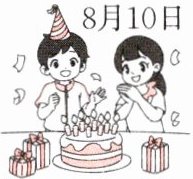
Ann: OK. 2.
Peter: It's on the 3.
Ann: 5.
Peter: It's on Apple Street.
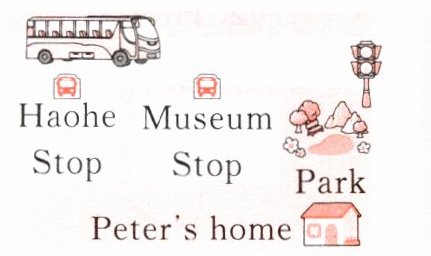
Ann: How do I 6.
Peter: You can 7.
Haohe Stop and get off at Museum Stop. Then go along the street and turn right
at the traffic lights. You can see a 9.
读写创意园
Peter: I want to have a 1.
birthday
party at home. Can you come?Ann: OK. 2.
When's
your birthday?Peter: It's on the 3.
tenth
of 4. August
.Ann: 5.
Where's
your home?Peter: It's on Apple Street.
Ann: How do I 6.
get
to your home?Peter: You can 7.
take
Bus No.5. Get 8. on
the bus atHaohe Stop and get off at Museum Stop. Then go along the street and turn right
at the traffic lights. You can see a 9.
park
. My home is next to it.读写创意园
答案
三、1. birthday 2. When's 3. tenth
4. August 5. Where's 6. get
7. take 8. on 9. park
4. August 5. Where's 6. get
7. take 8. on 9. park
解析
【分析】
这是一段关于生日聚会邀约的对话,解题时需结合上下文语境、固定搭配和常识来补全:
1. 开头Peter提到生日快到了,第一空对应生日派对,结合语境填写;
2. Ann接下来要询问生日的时间,需用询问日期的特殊疑问句式;
3-4. 回答生日日期需遵循“序数词+of+月份”的英文日期表达结构;
5. Ann询问Peter家的位置,要用询问地点的特殊疑问句式;
6. 询问到达某地的方式,需用到“到达”相关的固定搭配;
7. 表示乘坐特定公交车,有对应的固定动词搭配;
8. “上车”是固定短语搭配,需填写对应的介词;
9. 根据语境提示,填写家旁边的标志性地点词汇。
【解析】
1. 根据前文“Peter的生日快到了”的语境,此处指生日派对,填birthday;
2. 答语是生日日期,用“When's(When is的缩写)”来询问时间,填When's;
3. 英文日期表达中具体日期用序数词,此处填tenth;
4. 日期表达中填写对应的月份August,填August;
5. 答语是家庭住址,用“Where's(Where is的缩写)”询问地点,填Where's;
6. “get to+地点”是固定搭配,意为“到达某地”,此处询问到达方式,填get;
7. “take+公交编号”是固定表达,意为“乘坐某路公交车”,填take;
8. “get on the bus”是固定短语,意为“上车”,填on;
9. 根据语境和常识,填写家旁边的标志性地点park,填park。
【答案】
1. birthday 2. When's 3. tenth
4. August 5. Where's 6. get
7. take 8. on 9. park
【知识点】
生日话题对话,序数词表日期,交通出行表达
【点评】
本题围绕生日邀约与出行问路的日常交际场景展开,考查学生对基础交际句型、固定搭配及词汇的运用能力,需结合上下文语境灵活作答,注重英语在实际生活中的应用。
【难度系数】
0.7
这是一段关于生日聚会邀约的对话,解题时需结合上下文语境、固定搭配和常识来补全:
1. 开头Peter提到生日快到了,第一空对应生日派对,结合语境填写;
2. Ann接下来要询问生日的时间,需用询问日期的特殊疑问句式;
3-4. 回答生日日期需遵循“序数词+of+月份”的英文日期表达结构;
5. Ann询问Peter家的位置,要用询问地点的特殊疑问句式;
6. 询问到达某地的方式,需用到“到达”相关的固定搭配;
7. 表示乘坐特定公交车,有对应的固定动词搭配;
8. “上车”是固定短语搭配,需填写对应的介词;
9. 根据语境提示,填写家旁边的标志性地点词汇。
【解析】
1. 根据前文“Peter的生日快到了”的语境,此处指生日派对,填birthday;
2. 答语是生日日期,用“When's(When is的缩写)”来询问时间,填When's;
3. 英文日期表达中具体日期用序数词,此处填tenth;
4. 日期表达中填写对应的月份August,填August;
5. 答语是家庭住址,用“Where's(Where is的缩写)”询问地点,填Where's;
6. “get to+地点”是固定搭配,意为“到达某地”,此处询问到达方式,填get;
7. “take+公交编号”是固定表达,意为“乘坐某路公交车”,填take;
8. “get on the bus”是固定短语,意为“上车”,填on;
9. 根据语境和常识,填写家旁边的标志性地点park,填park。
【答案】
1. birthday 2. When's 3. tenth
4. August 5. Where's 6. get
7. take 8. on 9. park
【知识点】
生日话题对话,序数词表日期,交通出行表达
【点评】
本题围绕生日邀约与出行问路的日常交际场景展开,考查学生对基础交际句型、固定搭配及词汇的运用能力,需结合上下文语境灵活作答,注重英语在实际生活中的应用。
【难度系数】
0.7
四、提思维 对比分析 中俄人民在庆祝生日时有哪些异同点? 阅读短文,完成下列任务。
Chinese Birthday
Celebrating on the Actual Birthday: It's bad luck to celebrate a birthday after the actual
birthday. People celebrate it on the exact(精确的) day.
The Dos of Giving Presents: We can give presents that mean health, a long life and good
luck. Fruit and tea are good examples. It doesn't matter if the present is costly(昂贵的).
We should use two hands to give our presents.
The Don'ts of Giving Presents: Some presents are not suitable(合适的) to give, such as clocks,
sharp things or shoes. In Chinese, the word for "clock" sounds like the word for "death".
Russian Birthday
Celebrating after the Actual Birthday: In Russia, birthdays are usually celebrated on or
after the exact date. That's different from many countries. People there often choose the
weekend to celebrate.
The Dos of Giving Presents: You should make your presents nice. The appearance of the
present is important in Russia. And we should use two hands to give the present. Give
something that shows respect(尊重).
The Don'ts of Giving Presents: Don't give sharp things like knives or scissors. They mean
bad luck. Also, don't give yellow flowers. They are not lucky in Russian culture.
任务一:根据短文,完成思维导图。
Similarities(相似点) in present giving
We should use 1.
Differences
Date of celebration: 3.
Meanings of presents: presents
that mean 4.
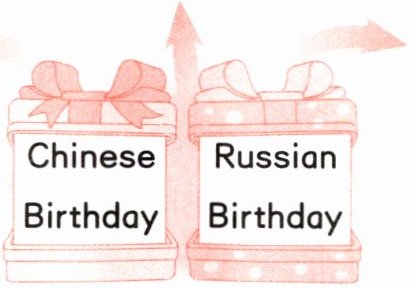
Differences
Date of celebration: on or after
the exact date
Meaning of presents: something
that shows your 5.
任务二:根据短文并结合生活实际,回答下列问题。
When is your mother's birthday? What present(s) would you like to give her?
Chinese Birthday
Celebrating on the Actual Birthday: It's bad luck to celebrate a birthday after the actual
birthday. People celebrate it on the exact(精确的) day.
The Dos of Giving Presents: We can give presents that mean health, a long life and good
luck. Fruit and tea are good examples. It doesn't matter if the present is costly(昂贵的).
We should use two hands to give our presents.
The Don'ts of Giving Presents: Some presents are not suitable(合适的) to give, such as clocks,
sharp things or shoes. In Chinese, the word for "clock" sounds like the word for "death".
Russian Birthday
Celebrating after the Actual Birthday: In Russia, birthdays are usually celebrated on or
after the exact date. That's different from many countries. People there often choose the
weekend to celebrate.
The Dos of Giving Presents: You should make your presents nice. The appearance of the
present is important in Russia. And we should use two hands to give the present. Give
something that shows respect(尊重).
The Don'ts of Giving Presents: Don't give sharp things like knives or scissors. They mean
bad luck. Also, don't give yellow flowers. They are not lucky in Russian culture.
任务一:根据短文,完成思维导图。
Similarities(相似点) in present giving
We should use 1.
(two)hands
to give the present. We shouldn't give 2. sharp things
.Differences
Date of celebration: 3.
on the exact day
Meanings of presents: presents
that mean 4.
health, a long life and good luck
Differences
Date of celebration: on or after
the exact date
Meaning of presents: something
that shows your 5.
respect
任务二:根据短文并结合生活实际,回答下列问题。
When is your mother's birthday? What present(s) would you like to give her?
示例:My mother's birthday is on the
eleventh of December. I would like to
give her some pretty flowers and a
blessing card as presents.
eleventh of December. I would like to
give her some pretty flowers and a
blessing card as presents.
答案
四、任务一:1.(two)hands
2. sharp things
3. on the exact day
4. health, a long life and
good luck
5. respect
任务二:
示例:My mother's birthday is on the
eleventh of December. I would like to
give her some pretty flowers and a
blessing card as presents.
2. sharp things
3. on the exact day
4. health, a long life and
good luck
5. respect
任务二:
示例:My mother's birthday is on the
eleventh of December. I would like to
give her some pretty flowers and a
blessing card as presents.
解析
【分析】
首先完成任务一:先在两篇短文中定位中俄生日送礼的相关描述,提取共同的做法与禁忌得到相似点;再分别对应中俄生日习俗,提取庆祝日期、礼物意义的相关信息得到差异点。任务二结合自身实际,先说明母亲的生日日期,再选择符合文化礼仪的合适礼物作答。
【解析】
任务一:
1. 中国生日习俗提到“We should use two hands to give our presents.”,俄罗斯生日习俗提到“And we should use two hands to give the present.”,由此得出相似点,填(two)hands。
2. 中国生日禁忌包含“sharp things”,俄罗斯生日禁忌也有“Don't give sharp things like knives or scissors.”,由此得出共同禁忌,填sharp things。
3. 中国的庆祝日期描述为“People celebrate it on the exact(精确的) day.”,填on the exact day。
4. 中国礼物的意义为“We can give presents that mean health, a long life and good luck.”,填health, a long life and good luck。
5. 俄罗斯礼物的意义为“Give something that shows respect(尊重).”,填respect。
任务二:
结合生活实际,给出符合礼仪的示例回答:My mother's birthday is on the eleventh of December. I would like to give her some pretty flowers and a blessing card as presents.
【答案】
任务一:1.(two)hands
2. sharp things
3. on the exact day
4. health, a long life and good luck
5. respect
任务二:
示例:My mother's birthday is on the eleventh of December. I would like to give her some pretty flowers and a blessing card as presents.
【知识点】
中俄习俗对比,信息提取,文化应用
【点评】
本题通过对比中俄生日庆祝习俗,考查学生的文本信息提取能力与跨文化理解能力,同时结合生活实际任务,引导学生将文化知识融入生活场景。
【难度系数】
0.6
首先完成任务一:先在两篇短文中定位中俄生日送礼的相关描述,提取共同的做法与禁忌得到相似点;再分别对应中俄生日习俗,提取庆祝日期、礼物意义的相关信息得到差异点。任务二结合自身实际,先说明母亲的生日日期,再选择符合文化礼仪的合适礼物作答。
【解析】
任务一:
1. 中国生日习俗提到“We should use two hands to give our presents.”,俄罗斯生日习俗提到“And we should use two hands to give the present.”,由此得出相似点,填(two)hands。
2. 中国生日禁忌包含“sharp things”,俄罗斯生日禁忌也有“Don't give sharp things like knives or scissors.”,由此得出共同禁忌,填sharp things。
3. 中国的庆祝日期描述为“People celebrate it on the exact(精确的) day.”,填on the exact day。
4. 中国礼物的意义为“We can give presents that mean health, a long life and good luck.”,填health, a long life and good luck。
5. 俄罗斯礼物的意义为“Give something that shows respect(尊重).”,填respect。
任务二:
结合生活实际,给出符合礼仪的示例回答:My mother's birthday is on the eleventh of December. I would like to give her some pretty flowers and a blessing card as presents.
【答案】
任务一:1.(two)hands
2. sharp things
3. on the exact day
4. health, a long life and good luck
5. respect
任务二:
示例:My mother's birthday is on the eleventh of December. I would like to give her some pretty flowers and a blessing card as presents.
【知识点】
中俄习俗对比,信息提取,文化应用
【点评】
本题通过对比中俄生日庆祝习俗,考查学生的文本信息提取能力与跨文化理解能力,同时结合生活实际任务,引导学生将文化知识融入生活场景。
【难度系数】
0.6
