

 登录
登录
六、传统文化任务型阅读。(2026·江苏南通·期末)
阅读短文,回答下列问题。
Fengxiang clay figurines are a well-known form of traditional Chinese folk art from Fengxiang County, Shaanxi Province. With a history of thousands of years—dating back to the Neolithic Age, these vivid and colourful sculptures are not only works of art but also an important symbol of Shaanxi's rich culture, deeply loved by people both at home and abroad.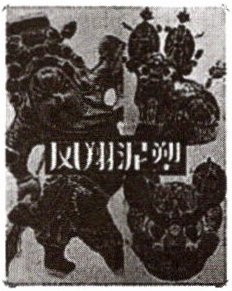
In the early days, local people used clay to make simple daily tools and objects for worship. As pottery-making skills continued to develop, the art of clay figurine-making slowly took shape. It finally reached its golden age during the Ming and Qing Dynasties, becoming popular among common people and widely used in festivals, weddings and other important events to bring joy and good wishes.
Their production process is complex and needs great patience. First, artisans choose high-quality local clay. Next, they knead, pound and filter it to take out impurities(杂质). Then, they shape the clay into lively forms like tigers and historical characters by hand or simple tools. After that, the shaped clay goes through natural drying and high-temperature firing. Finally, the most important step—painting—is carried out, with bold, bright colours to create strong visual contrast.
These clay figurines carry deep cultural meanings. For example, tiger-shaped figurines are believed to drive off evil spirits and bring good luck to families. To protect this valuable traditional art, the local government has set up training centres to teach young people the making skills, while some young artisans are trying new things through mixing traditional styles with modern designs to attract more young people.
1. Where are Fengxiang clay figurines from?
2. When did Fengxiang clay figurines enter their golden age?
3. How many steps are required to make Fengxiang clay figurines?
4. What does the local government do to protect Fengxiang clay figurines?
5. How can you keep traditional arts like Fengxiang clay figurines alive?
阅读短文,回答下列问题。
Fengxiang clay figurines are a well-known form of traditional Chinese folk art from Fengxiang County, Shaanxi Province. With a history of thousands of years—dating back to the Neolithic Age, these vivid and colourful sculptures are not only works of art but also an important symbol of Shaanxi's rich culture, deeply loved by people both at home and abroad.
In the early days, local people used clay to make simple daily tools and objects for worship. As pottery-making skills continued to develop, the art of clay figurine-making slowly took shape. It finally reached its golden age during the Ming and Qing Dynasties, becoming popular among common people and widely used in festivals, weddings and other important events to bring joy and good wishes.
Their production process is complex and needs great patience. First, artisans choose high-quality local clay. Next, they knead, pound and filter it to take out impurities(杂质). Then, they shape the clay into lively forms like tigers and historical characters by hand or simple tools. After that, the shaped clay goes through natural drying and high-temperature firing. Finally, the most important step—painting—is carried out, with bold, bright colours to create strong visual contrast.
These clay figurines carry deep cultural meanings. For example, tiger-shaped figurines are believed to drive off evil spirits and bring good luck to families. To protect this valuable traditional art, the local government has set up training centres to teach young people the making skills, while some young artisans are trying new things through mixing traditional styles with modern designs to attract more young people.
1. Where are Fengxiang clay figurines from?
Fengxiang County, Shaanxi Province.
2. When did Fengxiang clay figurines enter their golden age?
During the Ming and Qing Dynasties.
3. How many steps are required to make Fengxiang clay figurines?
Five/5 (steps).
4. What does the local government do to protect Fengxiang clay figurines?
It sets up training centres to teach young people the making skills.
5. How can you keep traditional arts like Fengxiang clay figurines alive?
We can make them in Art classes at school.(答案不唯一)
答案
1. Fengxiang County, Shaanxi Province.
2. During the Ming and Qing Dynasties.
3. Five/5 (steps).
4. It sets up training centres to teach young people the making skills.
5. We can make them in Art classes at school.(答案不唯一)
2. During the Ming and Qing Dynasties.
3. Five/5 (steps).
4. It sets up training centres to teach young people the making skills.
5. We can make them in Art classes at school.(答案不唯一)
解析
【分析】本题为传统文化类任务型阅读题,解题思路是:1. 通读全文,明确各问题的核心考点(细节查找或开放性表达);2. 针对细节类问题,定位原文对应段落的关键信息句,提取准确答案;3. 针对开放性问题,结合文本主题(传统文化传承),给出合理且符合要求的答案。
【解析】1. 问题问凤翔泥塑的产地,定位原文第一段第一句“Fengxiang clay figurines are a well-known form of traditional Chinese folk art from Fengxiang County, Shaanxi Province.”,提取答案;2. 问黄金时代的时间,定位原文第二段最后一句“It finally reached its golden age during the Ming and Qing Dynasties.”,直接提取;3. 问制作步骤数量,定位原文第三段,依次查找步骤:First(选黏土)、Next(处理黏土)、Then(塑形)、After that(干燥烧制)、Finally(绘画),共5步;4. 问当地政府的保护措施,定位原文第四段“the local government has set up training centres to teach young people the making skills.”,提取答案;5. 问如何传承传统艺术,属于开放性问题,结合文本中提到的传统文化传承方向,给出合理答案即可。
【答案】1. Fengxiang County, Shaanxi Province.
2. During the Ming and Qing Dynasties.
3. Five/5 (steps).
4. It sets up training centres to teach young people the making skills.
5. We can learn to make them in Art classes at school.(答案不唯一)
【知识点】任务型阅读、细节理解、传统文化阅读
【点评】本题以中国传统民间艺术凤翔泥塑为阅读材料,既考查学生对文本细节信息的定位与提取能力,又通过开放性问题引导学生思考传统文化的传承方式,兼具知识性与文化教育意义,符合期末学业评价的考查要求。
【难度系数】0.6
【解析】1. 问题问凤翔泥塑的产地,定位原文第一段第一句“Fengxiang clay figurines are a well-known form of traditional Chinese folk art from Fengxiang County, Shaanxi Province.”,提取答案;2. 问黄金时代的时间,定位原文第二段最后一句“It finally reached its golden age during the Ming and Qing Dynasties.”,直接提取;3. 问制作步骤数量,定位原文第三段,依次查找步骤:First(选黏土)、Next(处理黏土)、Then(塑形)、After that(干燥烧制)、Finally(绘画),共5步;4. 问当地政府的保护措施,定位原文第四段“the local government has set up training centres to teach young people the making skills.”,提取答案;5. 问如何传承传统艺术,属于开放性问题,结合文本中提到的传统文化传承方向,给出合理答案即可。
【答案】1. Fengxiang County, Shaanxi Province.
2. During the Ming and Qing Dynasties.
3. Five/5 (steps).
4. It sets up training centres to teach young people the making skills.
5. We can learn to make them in Art classes at school.(答案不唯一)
【知识点】任务型阅读、细节理解、传统文化阅读
【点评】本题以中国传统民间艺术凤翔泥塑为阅读材料,既考查学生对文本细节信息的定位与提取能力,又通过开放性问题引导学生思考传统文化的传承方式,兼具知识性与文化教育意义,符合期末学业评价的考查要求。
【难度系数】0.6
