

 登录
登录
五、阅读理解。
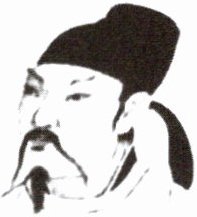
After learning about the life of the master poet who lived about 1,300 years ago in the historical documentary Li Bai on CCTV-9, many young Chinese viewers have preferred talking about pursuing(追求) their dreams on social media.
In BBC’s Du Fu: China’s Greatest Poet, a historian said, “Du’s poems are as important in Chinese literary history as Shakespeare is to people in Britain.” This remark can also be used for Li’s poems. Living in the Tang Dynasty during the “Golden Age of Chinese Poetry”, Li used his talent to push poetry to a new height.
“If Du Fu is the greatest poet in China, then Li Bai is the most talented poet in the history of Chinese poetry,” an expert in ancient Chinese literature told Global Times.
Much of Li’s life is reflected in his poems: his romance, heroism, and freedom while travelling around the mountains and rivers of China, and his hard life experiences. He saw the Tang Dynasty’s amazing prosperity(繁荣), and dreamed about being an excellent officer to serve the court(朝廷), but experienced challenge after challenge until his death.
Li Bai has won great reputation(声誉) among Chinese netizens(网民). The story of the poet’s life has aroused many young Chinese’s interest. ▲ For example, “What would we do if our dreams couldn’t be reached, just like Li?” Some netizens wrote that unlike Li, they might change to another dream in order not to give themselves too much pressure or unhappiness, while other netizens said they would choose to hold on straight to the end.
“In fact, many people who like Li Bai’s poems like the spirit he expressed—the spirit of never giving up and dreaming about doing something good to help society, just like many young people who have the same dream in this era,” an expert in ancient Chinese literature said.
(
A. Young netizens asked questions.
B. Many young people tried to realize their dreams.
C. Many young people were interested in Chinese history.
D. Ancient Chinese poets encouraged young people to challenge life.
(
A. Doing something good to help society.
B. Sticking to their dreams and never giving up.
C. Experiencing challenges one after another.
D. Changing to another dream when facing difficulties.
(
a. Because of his ability to write poems.
b. Because of his wishes for working for society.
c. Because of his doing well in serving the court.
d. Because of his spirit of keeping trying to do something.
A. ab B. ac C. bd D. cd
After learning about the life of the master poet who lived about 1,300 years ago in the historical documentary Li Bai on CCTV-9, many young Chinese viewers have preferred talking about pursuing(追求) their dreams on social media.
In BBC’s Du Fu: China’s Greatest Poet, a historian said, “Du’s poems are as important in Chinese literary history as Shakespeare is to people in Britain.” This remark can also be used for Li’s poems. Living in the Tang Dynasty during the “Golden Age of Chinese Poetry”, Li used his talent to push poetry to a new height.
“If Du Fu is the greatest poet in China, then Li Bai is the most talented poet in the history of Chinese poetry,” an expert in ancient Chinese literature told Global Times.
Much of Li’s life is reflected in his poems: his romance, heroism, and freedom while travelling around the mountains and rivers of China, and his hard life experiences. He saw the Tang Dynasty’s amazing prosperity(繁荣), and dreamed about being an excellent officer to serve the court(朝廷), but experienced challenge after challenge until his death.
Li Bai has won great reputation(声誉) among Chinese netizens(网民). The story of the poet’s life has aroused many young Chinese’s interest. ▲ For example, “What would we do if our dreams couldn’t be reached, just like Li?” Some netizens wrote that unlike Li, they might change to another dream in order not to give themselves too much pressure or unhappiness, while other netizens said they would choose to hold on straight to the end.
“In fact, many people who like Li Bai’s poems like the spirit he expressed—the spirit of never giving up and dreaming about doing something good to help society, just like many young people who have the same dream in this era,” an expert in ancient Chinese literature said.
(
A
)1. 创新考法—语篇逻辑 Which of the following sentences can be put into ▲ in Paragraph 5?A. Young netizens asked questions.
B. Many young people tried to realize their dreams.
C. Many young people were interested in Chinese history.
D. Ancient Chinese poets encouraged young people to challenge life.
(
B
)2. What does the underlined phrase “hold on straight to the end” probably mean?A. Doing something good to help society.
B. Sticking to their dreams and never giving up.
C. Experiencing challenges one after another.
D. Changing to another dream when facing difficulties.
(
C
)3. According to the last paragraph, what are the reasons why many people like Li Bai’s poems?a. Because of his ability to write poems.
b. Because of his wishes for working for society.
c. Because of his doing well in serving the court.
d. Because of his spirit of keeping trying to do something.
A. ab B. ac C. bd D. cd
答案
1. A 【点拨】根据下文“For example, ‘What would we do if our dreams couldn't be reached, just like Li?’”可知,此处应该是网民提出的问题。故选 A。
2. B 【点拨】根据语境可知,画线短语在此处表示“坚持梦想,永不放弃”。故选 B。
3. C 【点拨】根据最后一段中“In fact, many people who like Li Bai's poems like the spirit he expressed—the spirit of never giving up and dreaming about doing something good to help society”可知,年轻人喜欢李白是因为他的永不放弃的精神和为社会做点好事的梦想。故选 C。
2. B 【点拨】根据语境可知,画线短语在此处表示“坚持梦想,永不放弃”。故选 B。
3. C 【点拨】根据最后一段中“In fact, many people who like Li Bai's poems like the spirit he expressed—the spirit of never giving up and dreaming about doing something good to help society”可知,年轻人喜欢李白是因为他的永不放弃的精神和为社会做点好事的梦想。故选 C。
解析
【分析】
1. 第1题是语篇逻辑题,需结合空格后的举例内容(网民的问题),推断空格处应填的句子;
2. 第2题是词义猜测题,需联系上下文语境,尤其是与“换梦想”相反的表述,结合文中提到的李白的精神来推测短语含义;
3. 第3题是细节理解题,需定位到文章最后一段,提取喜欢李白诗歌的原因,对应选项中的表述。
【解析】
1. 第1题:空格后举例“For example, ‘What would we do if our dreams couldn't be reached, just like Li?’”是网民提出的问题,说明空格处应是“年轻网民提出问题”,对应选项A,故选A;
2. 第2题:前文提到部分网民会换梦想避免压力,而“hold on straight to the end”与“换梦想”相反,结合最后一段“never giving up”的表述,可知该短语意为“坚持梦想,永不放弃”,对应选项B,故选B;
3. 第3题:根据最后一段“In fact, many people who like Li Bai's poems like the spirit he expressed—the spirit of never giving up and dreaming about doing something good to help society”,可知喜欢李白诗歌的原因是他为社会做事的愿望(b)和不断尝试的精神(d),对应选项C,故选C。
【答案】1.A 2.B 3.C
【知识点】英语阅读理解、语篇逻辑、词义猜测
【点评】本题围绕李白的相关内容设置英语阅读理解题,题型涵盖语篇逻辑、词义猜测和细节理解,既考查学生的英语阅读能力,又渗透了中国古代文学文化知识,题目难度适中,能有效考查学生的信息提取和逻辑推理能力。
【难度系数】0.8
1. 第1题是语篇逻辑题,需结合空格后的举例内容(网民的问题),推断空格处应填的句子;
2. 第2题是词义猜测题,需联系上下文语境,尤其是与“换梦想”相反的表述,结合文中提到的李白的精神来推测短语含义;
3. 第3题是细节理解题,需定位到文章最后一段,提取喜欢李白诗歌的原因,对应选项中的表述。
【解析】
1. 第1题:空格后举例“For example, ‘What would we do if our dreams couldn't be reached, just like Li?’”是网民提出的问题,说明空格处应是“年轻网民提出问题”,对应选项A,故选A;
2. 第2题:前文提到部分网民会换梦想避免压力,而“hold on straight to the end”与“换梦想”相反,结合最后一段“never giving up”的表述,可知该短语意为“坚持梦想,永不放弃”,对应选项B,故选B;
3. 第3题:根据最后一段“In fact, many people who like Li Bai's poems like the spirit he expressed—the spirit of never giving up and dreaming about doing something good to help society”,可知喜欢李白诗歌的原因是他为社会做事的愿望(b)和不断尝试的精神(d),对应选项C,故选C。
【答案】1.A 2.B 3.C
【知识点】英语阅读理解、语篇逻辑、词义猜测
【点评】本题围绕李白的相关内容设置英语阅读理解题,题型涵盖语篇逻辑、词义猜测和细节理解,既考查学生的英语阅读能力,又渗透了中国古代文学文化知识,题目难度适中,能有效考查学生的信息提取和逻辑推理能力。
【难度系数】0.8
