

 登录
登录
二、阅读理解
KEY→P9
范畴:人与社会 主题:技术创新 体裁:新闻报道 难度:★★★★ 建议用时:6分钟 评价:___________/5
A painting created by a robot named Ai-Da was sold at auction for 1. 08 million. The painting is the most expensive artwork ever sold that was created by a human-like robot.
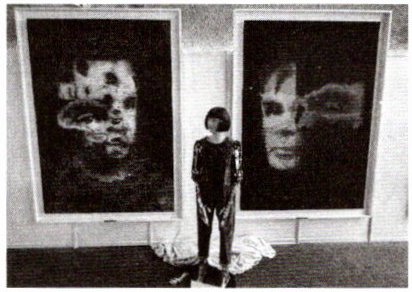
The painting is called "AI God: Portrait of Alan Turing". Mr Turing was an English math genius who came up with many of the important ideas that led to modern-day computers. He was an important part of the early thinking about artificial intelligence(AI).
The painting is the work of Ai-Da, a human-like robot that's able to paint and take part in conversations. The idea for Ai-Da came from Aidan Meller, an Englishman who used to run an art gallery. He worked with a group of nearly 30 people to build and program Ai-Da.
Ai-Da's name is clever—the first part of the name is "AI". But Ai-Da was also named after Ada Lovelace, who is considered the world's first computer programmer.
Ai-Da is designed to look like a woman with short black hair. Cameras allow the robot to "see". Ai-Da paints with a robotic arm which can hold a pen or paintbrush. Using AI tools similar to ChatGPT, Ai-Da is also able to talk. This allows the robot to do interviews and answer questions about its artwork.
Mr Meller says Ai-Da doesn't just paint whatever it's told to paint. Before the robot begins painting, it talks with its human helpers about what the subject should be.
Before the painting of Mr Turing, Mr Meller says they discussed the idea of using "AI for good". Ai-Da chose Mr Turing as a subject because of the important part he played in developing computers and AI. Ai-Da based its painting on a picture of Mr Turing it had "seen" with its cameras.
Ai-Da then used its painting arm to make 15 paintings of different parts of Mr Turing's face. Each painting took six to eight hours to complete. These paintings are about the size of two pieces of notebook paper laid side by side. That's the largest Ai-Da's arm can manage.
Finally, Ai-Da chose three of the paintings and combined them into the final painting. Once the painting was finished, a special 3D printer was used to expand Ai-Da's small artwork into the full-sized painting.
( )1. Who came up with the idea of using a robot to paint?
A. Ai-Da.
B. Alan Turing.
C. Aidan Meller.
D. Ada Lovelace.
( )2. What do you know about Mr Turing?
A. He taught Ai-Da how to paint.
B. He was good at painting himself.
C. He invented the robot named Ai-Da.
D. He played an important role in computers and AI.
( )3. How does the writer end the passage?
A. By offering the price of the painting.
B. By describing the size of the painting.
C. By showing the process of robot painting.
D. By introducing the way of printing the painting.
( )4. In which section of a magazine can you read the text?
A. Health and sport.
B. History and education.
C. Science and technology.
D. Population and the environment.
( )5. 新考法·篇章结构 What would be the best structure of the passage?
A. ①/②③④/⑤⑥⑦⑧⑨
B. ①②/③④⑤⑥⑦⑧/⑨
C. ①/②③④⑤⑥⑦/⑧⑨
D. ①②/③④⑤⑥/⑦⑧⑨
KEY→P9
范畴:人与社会 主题:技术创新 体裁:新闻报道 难度:★★★★ 建议用时:6分钟 评价:___________/5
A painting created by a robot named Ai-Da was sold at auction for 1. 08 million. The painting is the most expensive artwork ever sold that was created by a human-like robot.
The painting is called "AI God: Portrait of Alan Turing". Mr Turing was an English math genius who came up with many of the important ideas that led to modern-day computers. He was an important part of the early thinking about artificial intelligence(AI).
The painting is the work of Ai-Da, a human-like robot that's able to paint and take part in conversations. The idea for Ai-Da came from Aidan Meller, an Englishman who used to run an art gallery. He worked with a group of nearly 30 people to build and program Ai-Da.
Ai-Da's name is clever—the first part of the name is "AI". But Ai-Da was also named after Ada Lovelace, who is considered the world's first computer programmer.
Ai-Da is designed to look like a woman with short black hair. Cameras allow the robot to "see". Ai-Da paints with a robotic arm which can hold a pen or paintbrush. Using AI tools similar to ChatGPT, Ai-Da is also able to talk. This allows the robot to do interviews and answer questions about its artwork.
Mr Meller says Ai-Da doesn't just paint whatever it's told to paint. Before the robot begins painting, it talks with its human helpers about what the subject should be.
Before the painting of Mr Turing, Mr Meller says they discussed the idea of using "AI for good". Ai-Da chose Mr Turing as a subject because of the important part he played in developing computers and AI. Ai-Da based its painting on a picture of Mr Turing it had "seen" with its cameras.
Ai-Da then used its painting arm to make 15 paintings of different parts of Mr Turing's face. Each painting took six to eight hours to complete. These paintings are about the size of two pieces of notebook paper laid side by side. That's the largest Ai-Da's arm can manage.
Finally, Ai-Da chose three of the paintings and combined them into the final painting. Once the painting was finished, a special 3D printer was used to expand Ai-Da's small artwork into the full-sized painting.
( )1. Who came up with the idea of using a robot to paint?
A. Ai-Da.
B. Alan Turing.
C. Aidan Meller.
D. Ada Lovelace.
( )2. What do you know about Mr Turing?
A. He taught Ai-Da how to paint.
B. He was good at painting himself.
C. He invented the robot named Ai-Da.
D. He played an important role in computers and AI.
( )3. How does the writer end the passage?
A. By offering the price of the painting.
B. By describing the size of the painting.
C. By showing the process of robot painting.
D. By introducing the way of printing the painting.
( )4. In which section of a magazine can you read the text?
A. Health and sport.
B. History and education.
C. Science and technology.
D. Population and the environment.
( )5. 新考法·篇章结构 What would be the best structure of the passage?
A. ①/②③④/⑤⑥⑦⑧⑨
B. ①②/③④⑤⑥⑦⑧/⑨
C. ①/②③④⑤⑥⑦/⑧⑨
D. ①②/③④⑤⑥/⑦⑧⑨
答案
阅读理解
一个名为“艾达”的机器人创作的一幅画在拍卖会上以108万美元的价格售出,这幅画是有史以来由人形机器人创作的最昂贵的艺术品。
1. C 细节理解题。由第三段中“The idea for Ai-Da came from Aidan Meller, an Englishman who used to run an art gallery.”可知答案。
2. D 细节理解题。由倒数第三段中“Ai-Da chose Mr Turing as a subject because of the important part he played in developing computers and AI.”可知,图灵先生在计算机和人工智能方面发挥了重要作用。
3. D 推理判断题。由结尾“...a special 3D printer was used to expand Ai-Da's small artwork into the full-sized painting.”可知,通过介绍印刷绘画的方式结束全文。
4. C 推理判断题。通读全文可知,一个名为“艾达”的机器人创作的一幅画在拍卖会上以108万美元的价格售出,据常理可知,这样的文章最有可能出现在杂志的“科学与技术”专栏。
5. B 篇章结构题。①②段:引出机器人“艾达”创作的画作高价拍卖这一事件,并介绍画作相关背景。这两段是对核心事件和相关重要背景的总体介绍。③~⑧段:详细介绍机器人“艾达”,包括其创意来源、命名缘由、外观设计、功能特点,以及它选择图灵先生作为绘画对象的过程和创作多幅脸部画作等具体创作细节。⑨段:说明最终画作完成后,使用3D打印机将小画作扩展成标准尺寸画作,是整个创作流程的收尾环节。
一个名为“艾达”的机器人创作的一幅画在拍卖会上以108万美元的价格售出,这幅画是有史以来由人形机器人创作的最昂贵的艺术品。
1. C 细节理解题。由第三段中“The idea for Ai-Da came from Aidan Meller, an Englishman who used to run an art gallery.”可知答案。
2. D 细节理解题。由倒数第三段中“Ai-Da chose Mr Turing as a subject because of the important part he played in developing computers and AI.”可知,图灵先生在计算机和人工智能方面发挥了重要作用。
3. D 推理判断题。由结尾“...a special 3D printer was used to expand Ai-Da's small artwork into the full-sized painting.”可知,通过介绍印刷绘画的方式结束全文。
4. C 推理判断题。通读全文可知,一个名为“艾达”的机器人创作的一幅画在拍卖会上以108万美元的价格售出,据常理可知,这样的文章最有可能出现在杂志的“科学与技术”专栏。
5. B 篇章结构题。①②段:引出机器人“艾达”创作的画作高价拍卖这一事件,并介绍画作相关背景。这两段是对核心事件和相关重要背景的总体介绍。③~⑧段:详细介绍机器人“艾达”,包括其创意来源、命名缘由、外观设计、功能特点,以及它选择图灵先生作为绘画对象的过程和创作多幅脸部画作等具体创作细节。⑨段:说明最终画作完成后,使用3D打印机将小画作扩展成标准尺寸画作,是整个创作流程的收尾环节。
