

 登录
登录
一、提思维 归纳推断 选用 play、go、do 和
have 补全短语,并写出你发现的规律。
我发现:
配使用
have 补全短语,并写出你发现的规律。
play
the pipa go
fishingplay
sports go
boatingplay
ping-pong go
runninghave
dinner do
kung fuhave
lunch do
homeworkhave
... class do
morning exercises我发现:
go
+动词-inghave
+课程或餐食play
常与球类运动或乐器搭配使用do
常与作业、家务、早操、功夫等搭配使用
答案
一、play the pipa; play sports; play ping-pong
have dinner; have lunch; have ... class
go fishing; go boating; go running
do kung fu; do homework; do morning exercises
go; have; play; do
解析
此处 go 意为“去做,去从事”,常与涉及身体移动的活动搭配使用,结构为“go+动词-ing形式”。
此处 have 意为“吃,喝;进行(活动)”,常与三餐或课程等搭配使用。
此处 play 意为“参加(比赛或运动);演奏”,常与球类运动或乐器等搭配使用。
此处 do 意为“做,进行”,常与作业、家务、早操、功夫等搭配使用。
have dinner; have lunch; have ... class
go fishing; go boating; go running
do kung fu; do homework; do morning exercises
go; have; play; do
解析
此处 go 意为“去做,去从事”,常与涉及身体移动的活动搭配使用,结构为“go+动词-ing形式”。
此处 have 意为“吃,喝;进行(活动)”,常与三餐或课程等搭配使用。
此处 play 意为“参加(比赛或运动);演奏”,常与球类运动或乐器等搭配使用。
此处 do 意为“做,进行”,常与作业、家务、早操、功夫等搭配使用。
解析
【分析】
首先我们需要回忆play、go、do、have这四个动词的常见搭配习惯:先逐个分析短语类型,乐器、球类运动通常和play搭配;三餐、课程类词汇一般和have搭配;表示户外出行类的动名词(如fishing、boating)常和go搭配;作业、早操、功夫这类具体事务或操练类活动多和do搭配。完成短语补全后,再根据每个动词对应的搭配类别,总结出对应的规律即可。
【解析】
1. 补全短语:
play the pipa;play sports;play ping-pong
have dinner;have lunch;have ... class
go fishing;go boating;go running
do kung fu;do homework;do morning exercises
2. 规律解析:
go意为“去做,去从事”,常与涉及身体移动的活动搭配使用,结构为“go+动词-ing形式”;
have意为“吃,喝;进行(活动)”,常与三餐或课程等搭配使用;
play意为“参加(比赛或运动);演奏”,常与球类运动或乐器等搭配使用;
do意为“做,进行”,常与作业、家务、早操、功夫等搭配使用。
【答案】
play the pipa; play sports; play ping-pong
have dinner; have lunch; have ... class
go fishing; go boating; go running
do kung fu; do homework; do morning exercises
go; have; play; do
【知识点】
动词短语搭配;动词固定用法;词义辨析
【点评】
本题聚焦play、go、do、have四个高频动词的固定搭配,需要学生积累不同动词与各类名词的搭配规律,通过归纳总结能强化对这类短语的记忆,提升英语词汇的实际运用能力。
【难度系数】
0.6
首先我们需要回忆play、go、do、have这四个动词的常见搭配习惯:先逐个分析短语类型,乐器、球类运动通常和play搭配;三餐、课程类词汇一般和have搭配;表示户外出行类的动名词(如fishing、boating)常和go搭配;作业、早操、功夫这类具体事务或操练类活动多和do搭配。完成短语补全后,再根据每个动词对应的搭配类别,总结出对应的规律即可。
【解析】
1. 补全短语:
play the pipa;play sports;play ping-pong
have dinner;have lunch;have ... class
go fishing;go boating;go running
do kung fu;do homework;do morning exercises
2. 规律解析:
go意为“去做,去从事”,常与涉及身体移动的活动搭配使用,结构为“go+动词-ing形式”;
have意为“吃,喝;进行(活动)”,常与三餐或课程等搭配使用;
play意为“参加(比赛或运动);演奏”,常与球类运动或乐器等搭配使用;
do意为“做,进行”,常与作业、家务、早操、功夫等搭配使用。
【答案】
play the pipa; play sports; play ping-pong
have dinner; have lunch; have ... class
go fishing; go boating; go running
do kung fu; do homework; do morning exercises
go; have; play; do
【知识点】
动词短语搭配;动词固定用法;词义辨析
【点评】
本题聚焦play、go、do、have四个高频动词的固定搭配,需要学生积累不同动词与各类名词的搭配规律,通过归纳总结能强化对这类短语的记忆,提升英语词汇的实际运用能力。
【难度系数】
0.6
二、看图,照例子写句子。
例:
I often watch TV on the
weekend.
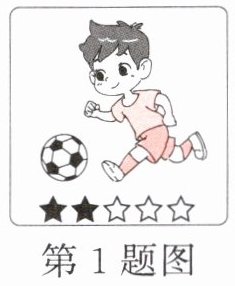
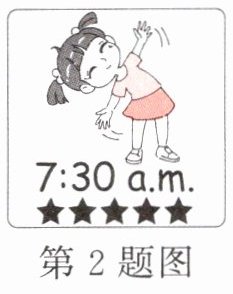
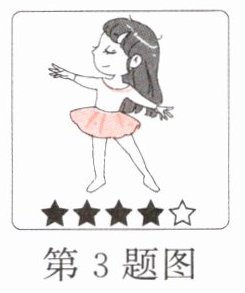
1.
2.
3.
例:
I often watch TV on the
weekend.
1.
I sometimes play football on the weekend.
2.
I always do morning exercises on the weekend.
3.
I usually take a dancing class on the weekend.
答案
二、1. I sometimes play football on the weekend.
2. I always do morning exercises on the weekend.
3. I usually take a dancing class on the weekend.
解析
做此题时,需要根据图片中的星星数量推测频率,运用合适的频度副词,再结合图片内容介绍周末活动。
1.2星表示频率较低,对应 sometimes,结合图意可知,“我”周末有时会踢足球,故答案为“I sometimes play football on the weekend.”。
2.5星表示频率非常高,对应 always,结合图意可知,“我”周末总是做早操,故答案为“I always do morning exercises on the weekend.”。
3.4星表示频率较高,对应 usually,结合图意可知,“我”周末通常上舞蹈课,故答案为“I usually take a dancing class on the weekend.”。
2. I always do morning exercises on the weekend.
3. I usually take a dancing class on the weekend.
解析
做此题时,需要根据图片中的星星数量推测频率,运用合适的频度副词,再结合图片内容介绍周末活动。
1.2星表示频率较低,对应 sometimes,结合图意可知,“我”周末有时会踢足球,故答案为“I sometimes play football on the weekend.”。
2.5星表示频率非常高,对应 always,结合图意可知,“我”周末总是做早操,故答案为“I always do morning exercises on the weekend.”。
3.4星表示频率较高,对应 usually,结合图意可知,“我”周末通常上舞蹈课,故答案为“I usually take a dancing class on the weekend.”。
解析
【分析】
首先观察例句结构,明确句式为“I+频度副词+周末活动短语+on the weekend.”。接着需要结合插图中的星星数量判断频率:星星数量越少,对应活动频率越低;星星数量越多,对应活动频率越高。最后识别每个插图的具体活动内容,将匹配的频度副词和活动内容代入例句结构,即可写出正确句子。
【解析】
1. 插图1有2颗星,代表频率较低,对应频度副词sometimes,图中活动是踢足球(play football),代入句式可得句子:I sometimes play football on the weekend.
2. 插图2有5颗星,代表频率非常高,对应频度副词always,图中活动是做早操(do morning exercises),代入句式可得句子:I always do morning exercises on the weekend.
3. 插图3有4颗星,代表频率较高,对应频度副词usually,图中活动是上舞蹈课(take a dancing class),代入句式可得句子:I usually take a dancing class on the weekend.
【答案】
1. I sometimes play football on the weekend.
2. I always do morning exercises on the weekend.
3. I usually take a dancing class on the weekend.
【知识点】
1. 频度副词运用
2. 一般现在时表日常活动
3. 周末活动短语表达
【点评】
本题借助星星数量与频度的关联,考查学生对频度副词的理解和运用,同时结合图片场景要求学生用一般现在时描述周末活动,既锻炼了观察能力,也巩固了日常活动类的英语表达,贴近学生生活实际。
【难度系数】
0.7
首先观察例句结构,明确句式为“I+频度副词+周末活动短语+on the weekend.”。接着需要结合插图中的星星数量判断频率:星星数量越少,对应活动频率越低;星星数量越多,对应活动频率越高。最后识别每个插图的具体活动内容,将匹配的频度副词和活动内容代入例句结构,即可写出正确句子。
【解析】
1. 插图1有2颗星,代表频率较低,对应频度副词sometimes,图中活动是踢足球(play football),代入句式可得句子:I sometimes play football on the weekend.
2. 插图2有5颗星,代表频率非常高,对应频度副词always,图中活动是做早操(do morning exercises),代入句式可得句子:I always do morning exercises on the weekend.
3. 插图3有4颗星,代表频率较高,对应频度副词usually,图中活动是上舞蹈课(take a dancing class),代入句式可得句子:I usually take a dancing class on the weekend.
【答案】
1. I sometimes play football on the weekend.
2. I always do morning exercises on the weekend.
3. I usually take a dancing class on the weekend.
【知识点】
1. 频度副词运用
2. 一般现在时表日常活动
3. 周末活动短语表达
【点评】
本题借助星星数量与频度的关联,考查学生对频度副词的理解和运用,同时结合图片场景要求学生用一般现在时描述周末活动,既锻炼了观察能力,也巩固了日常活动类的英语表达,贴近学生生活实际。
【难度系数】
0.7
三、阅读信件,完成任务。
Dear Lisa,
Now let me tell you something about my
school days. I usually get up at 7 o'clock in the
morning and go to school at 7:30. Classes
start at 8:30 and finish at 11:30. I eat lunch
at school. In the afternoon, classes start at
1:30 and finish at 4 o'clock. After school, I
often play basketball in the playground. At
4:40, I go home. I do my homework after
dinner. Sometimes I finish my homework at
about(大约)7 o'clock, and then I can go to
the park for a walk. But sometimes I finish
my homework at about 8 o'clock, and then I
can't go out. I usually go to bed at 9 o'clock.
How about your school days? Please
write to me soon.
All the best,
Chen Jie
任务一:判断句子正(T)误(F)。
(
(
7 a.m.
(
after school.
(
every evening.
任务二:假如你是 Lisa,请写一封回信,介绍
你的日常生活。(不少于3句话)
Dear
Yours,
Dear Lisa,
Now let me tell you something about my
school days. I usually get up at 7 o'clock in the
morning and go to school at 7:30. Classes
start at 8:30 and finish at 11:30. I eat lunch
at school. In the afternoon, classes start at
1:30 and finish at 4 o'clock. After school, I
often play basketball in the playground. At
4:40, I go home. I do my homework after
dinner. Sometimes I finish my homework at
about(大约)7 o'clock, and then I can go to
the park for a walk. But sometimes I finish
my homework at about 8 o'clock, and then I
can't go out. I usually go to bed at 9 o'clock.
How about your school days? Please
write to me soon.
All the best,
Chen Jie
任务一:判断句子正(T)误(F)。
(
T
)1. This is a letter from Chen Jie to Lisa.(
F
)2. Chen Jie usually goes to school at7 a.m.
(
T
)3. Chen Jie often plays basketballafter school.
(
F
)4. Chen Jie can go out for a walkevery evening.
任务二:假如你是 Lisa,请写一封回信,介绍
你的日常生活。(不少于3句话)
Dear
Chen Jie
,I go to school at 7:30 in the morning.
Classes start at 8:30 in the morning and finish at 4:20 in the afternoon.
After school, I usually play ping-pong in the gym. It's a lot of fun.
I finish my homework at 8 o'clock. Then I read books for half an hour.
I usually go to bed at 9 o'clock. I like my school days.
Yours,
Lisa
答案
三、任务一:1.T 2.F 3.T 4.F
任务二:示例:
Dear Chen Jie,
I go to school at 7:30 in the morning.
Classes start at 8:30 in the morning and finish at 4:20 in the afternoon. After school, I usually play ping-pong in the gym. It's a lot of fun. I finish my homework at 8 o'clock. Then I read books for half an hour. I usually go to bed at 9 o'clock. I like my school days.
Yours,
Lisa
解析
任务一:
1. 句意:这是一封陈杰写给Lisa的信。
分析:由信件最后的署名“Chen Jie”和信件中的称呼“Dear Lisa”可知,这封信是陈杰写给Lisa的,故答案为T。
2. 句意:陈杰通常早上7点去上学。
依据:I usually get up at 7 o'clock in the morning and go to school at 7:30.
分析:陈杰通常早上7点起床,7:30去上学,故答案为F。
3. 句意:陈杰放学后经常打篮球。
依据:After school, I often play basketball in the playground.
分析:放学后陈杰经常在操场打篮球,故答案为T。
4. 句意:陈杰每天晚上都能出去散步。
依据:Sometimes I finish my homework at about 7 o'clock, and then I can go to the park for a walk. But sometimes I finish my homework at about 8 o'clock, and then I can't go out.
分析:关键句说明不是每晚都能出去,故答案为F。
任务二:
写作思路
1. 以“Dear Chen Jie,”开启回信,署名应为Lisa。
2. 遵循“起床→吃早餐→去上学→在校学习→放学后活动→睡觉”的时间顺序梳理一天的活动,紧扣“介绍日常生活”的主题。可运用“I ... at ...”和“Classes start/finish at ...”等句型。
注意事项
1. 用第一人称I叙述。
2. 可以适当借助频度副词,如 always、usually、often等。
3. 至少写3句话。
任务二:示例:
Dear Chen Jie,
I go to school at 7:30 in the morning.
Classes start at 8:30 in the morning and finish at 4:20 in the afternoon. After school, I usually play ping-pong in the gym. It's a lot of fun. I finish my homework at 8 o'clock. Then I read books for half an hour. I usually go to bed at 9 o'clock. I like my school days.
Yours,
Lisa
解析
任务一:
1. 句意:这是一封陈杰写给Lisa的信。
分析:由信件最后的署名“Chen Jie”和信件中的称呼“Dear Lisa”可知,这封信是陈杰写给Lisa的,故答案为T。
2. 句意:陈杰通常早上7点去上学。
依据:I usually get up at 7 o'clock in the morning and go to school at 7:30.
分析:陈杰通常早上7点起床,7:30去上学,故答案为F。
3. 句意:陈杰放学后经常打篮球。
依据:After school, I often play basketball in the playground.
分析:放学后陈杰经常在操场打篮球,故答案为T。
4. 句意:陈杰每天晚上都能出去散步。
依据:Sometimes I finish my homework at about 7 o'clock, and then I can go to the park for a walk. But sometimes I finish my homework at about 8 o'clock, and then I can't go out.
分析:关键句说明不是每晚都能出去,故答案为F。
任务二:
写作思路
1. 以“Dear Chen Jie,”开启回信,署名应为Lisa。
2. 遵循“起床→吃早餐→去上学→在校学习→放学后活动→睡觉”的时间顺序梳理一天的活动,紧扣“介绍日常生活”的主题。可运用“I ... at ...”和“Classes start/finish at ...”等句型。
注意事项
1. 用第一人称I叙述。
2. 可以适当借助频度副词,如 always、usually、often等。
3. 至少写3句话。
解析
【分析】
任务一:做判断正误题时,可按以下思路解题:
1. 先观察信件的称呼和署名,快速判断第1题的正误;
2. 针对剩余题目,逐一将题干关键信息(如时间、活动)与原文对应内容比对,一致则为T,不一致则为F。比如第2题定位“上学时间”、第3题定位“放学后活动”、第4题定位“晚间散步相关描述”后再判断。
任务二:写回信时,思路如下:
1. 先确定书信格式:开头称呼为Dear Chen Jie,结尾署名为Lisa;
2. 按照时间顺序(起床→上学→在校学习→放学后活动→晚间安排→睡觉)组织内容,紧扣“介绍日常生活”主题;
3. 运用“I ... at ...”“Classes start/finish at ...”等句型,适当加入频度副词(如usually、often),保证句子数量不少于3句。
【解析】
任务一:
1. 句意:这是一封陈杰写给Lisa的信。
分析:由信件开头的称呼“Dear Lisa”和结尾的署名“Chen Jie”可知,这封信是陈杰写给Lisa的,故答案为T。
2. 句意:陈杰通常早上7点去上学。
依据:I usually get up at 7 o'clock in the morning and go to school at 7:30.
分析:原文表明陈杰早上7点起床,7:30去上学,与题干描述不符,故答案为F。
3. 句意:陈杰放学后经常打篮球。
依据:After school, I often play basketball in the playground.
分析:原文明确提到放学后陈杰经常在操场打篮球,与题干描述一致,故答案为T。
4. 句意:陈杰每天晚上都能出去散步。
依据:Sometimes I finish my homework at about 7 o'clock, and then I can go to the park for a walk. But sometimes I finish my homework at about 8 o'clock, and then I can't go out.
分析:原文说明陈杰有时能出去散步,有时不能,并非每天晚上都能,与题干描述不符,故答案为F。
任务二:
写作思路:
1. 回信开头以“Dear Chen Jie,”开启,结尾署名应为Lisa;
2. 按照“起床→上学→在校学习→放学后活动→晚间安排→睡觉”的时间顺序梳理一天的活动,紧扣“介绍日常生活”的主题,可运用“I ... at ...”和“Classes start/finish at ...”等常用句型。
注意事项:
1. 要用第一人称“I”进行叙述;
2. 可适当使用频度副词,如always、usually、often等丰富内容;
3. 信件内容需不少于3句话。
【答案】
任务一:1.T 2.F 3.T 4.F
任务二:示例:
Dear Chen Jie,
I go to school at 7:30 in the morning.
Classes start at 8:30 in the morning and finish at 4:20 in the afternoon. After school, I usually play ping-pong in the gym. It's a lot of fun. I finish my homework at 8 o'clock. Then I read books for half an hour. I usually go to bed at 9 o'clock. I like my school days.
Yours,
Lisa
【知识点】
书信读写、日常作息表达、细节理解判断
【点评】
本题结合阅读与写作,既考查学生对书信内容的细节抓取与判断能力,又考查学生运用英语句型有条理地介绍日常的写作能力,内容贴合学生校园生活,能有效检验学生的英语综合运用水平。
【难度系数】
0.7
任务一:做判断正误题时,可按以下思路解题:
1. 先观察信件的称呼和署名,快速判断第1题的正误;
2. 针对剩余题目,逐一将题干关键信息(如时间、活动)与原文对应内容比对,一致则为T,不一致则为F。比如第2题定位“上学时间”、第3题定位“放学后活动”、第4题定位“晚间散步相关描述”后再判断。
任务二:写回信时,思路如下:
1. 先确定书信格式:开头称呼为Dear Chen Jie,结尾署名为Lisa;
2. 按照时间顺序(起床→上学→在校学习→放学后活动→晚间安排→睡觉)组织内容,紧扣“介绍日常生活”主题;
3. 运用“I ... at ...”“Classes start/finish at ...”等句型,适当加入频度副词(如usually、often),保证句子数量不少于3句。
【解析】
任务一:
1. 句意:这是一封陈杰写给Lisa的信。
分析:由信件开头的称呼“Dear Lisa”和结尾的署名“Chen Jie”可知,这封信是陈杰写给Lisa的,故答案为T。
2. 句意:陈杰通常早上7点去上学。
依据:I usually get up at 7 o'clock in the morning and go to school at 7:30.
分析:原文表明陈杰早上7点起床,7:30去上学,与题干描述不符,故答案为F。
3. 句意:陈杰放学后经常打篮球。
依据:After school, I often play basketball in the playground.
分析:原文明确提到放学后陈杰经常在操场打篮球,与题干描述一致,故答案为T。
4. 句意:陈杰每天晚上都能出去散步。
依据:Sometimes I finish my homework at about 7 o'clock, and then I can go to the park for a walk. But sometimes I finish my homework at about 8 o'clock, and then I can't go out.
分析:原文说明陈杰有时能出去散步,有时不能,并非每天晚上都能,与题干描述不符,故答案为F。
任务二:
写作思路:
1. 回信开头以“Dear Chen Jie,”开启,结尾署名应为Lisa;
2. 按照“起床→上学→在校学习→放学后活动→晚间安排→睡觉”的时间顺序梳理一天的活动,紧扣“介绍日常生活”的主题,可运用“I ... at ...”和“Classes start/finish at ...”等常用句型。
注意事项:
1. 要用第一人称“I”进行叙述;
2. 可适当使用频度副词,如always、usually、often等丰富内容;
3. 信件内容需不少于3句话。
【答案】
任务一:1.T 2.F 3.T 4.F
任务二:示例:
Dear Chen Jie,
I go to school at 7:30 in the morning.
Classes start at 8:30 in the morning and finish at 4:20 in the afternoon. After school, I usually play ping-pong in the gym. It's a lot of fun. I finish my homework at 8 o'clock. Then I read books for half an hour. I usually go to bed at 9 o'clock. I like my school days.
Yours,
Lisa
【知识点】
书信读写、日常作息表达、细节理解判断
【点评】
本题结合阅读与写作,既考查学生对书信内容的细节抓取与判断能力,又考查学生运用英语句型有条理地介绍日常的写作能力,内容贴合学生校园生活,能有效检验学生的英语综合运用水平。
【难度系数】
0.7
