

 登录
登录
Ⅰ. 根据句意从方框中选出正确的单词填空。(有两个多余选项)
pretty/dreams/universities/flies/boating/pancake
1. Tsinghua University is one of the most famous
2. Tim always
3. On weekends, Sam always goes
4. It's
pretty/dreams/universities/flies/boating/pancake
1. Tsinghua University is one of the most famous
universities
in China.2. Tim always
dreams
of becoming a famous doctor and helping people all over the world.3. On weekends, Sam always goes
boating
with his father on the lake of Zhongshan Park.4. It's
pretty
enjoyable to eat rougamo when you are hungry in Xi'an.答案
1. universities 2. dreams 3. boating 4. pretty
解析
【分析】先观察每个句子的结构、所需词性及语境,结合方框内的单词逐一匹配:第1题需符合“one of + 可数名词复数”的结构,对应大学类名词;第2题考查固定搭配及动词形式变化;第3题是固定活动短语;第4题需选择修饰形容词的副词,结合语境匹配合适单词。
【解析】1. 句中“one of + 形容词最高级 + 可数名词复数”是固定结构,Tsinghua University属于大学,故填universities;2. 固定搭配dream of意为“梦想”,主语Tim是第三人称单数,一般现在时中动词用第三人称单数形式,故填dreams;3. go boating是固定短语,意为“去划船”,符合周末活动的语境,故填boating;4. 此处需要副词修饰形容词enjoyable,pretty作副词表示“相当”,符合句意,故填pretty。
【答案】1. universities 2. dreams 3. boating 4. pretty
【知识点】固定搭配、名词复数、副词用法
【点评】本题为选词填空题型,主要考查基础词汇的运用、固定短语及语法形式,难度较低,学生只要掌握常见搭配和词性知识即可正确作答。
【难度系数】0.8
【解析】1. 句中“one of + 形容词最高级 + 可数名词复数”是固定结构,Tsinghua University属于大学,故填universities;2. 固定搭配dream of意为“梦想”,主语Tim是第三人称单数,一般现在时中动词用第三人称单数形式,故填dreams;3. go boating是固定短语,意为“去划船”,符合周末活动的语境,故填boating;4. 此处需要副词修饰形容词enjoyable,pretty作副词表示“相当”,符合句意,故填pretty。
【答案】1. universities 2. dreams 3. boating 4. pretty
【知识点】固定搭配、名词复数、副词用法
【点评】本题为选词填空题型,主要考查基础词汇的运用、固定短语及语法形式,难度较低,学生只要掌握常见搭配和词性知识即可正确作答。
【难度系数】0.8
(
A.pancake
B.bottle
C.kilo
D.tool
A
)1. —Would you like something to eat? —Yes,a pancake
,please.A.pancake
B.bottle
C.kilo
D.tool
答案
1. A
解析
【分析】首先理解对话语境:问句询问是否想要吃的东西,答句需选择表示食物的名词。接着逐一分析选项的含义,排除不符合语境的选项,确定正确答案。
【解析】问句“Would you like something to eat?”意为“你想要点吃的东西吗?”,答句应选食物类名词。A选项pancake(煎饼)是食物,符合语境;B选项bottle(瓶子)是容器,C选项kilo(千克)是计量单位,D选项tool(工具)是工具类,均不符合“吃的东西”的要求,因此选A。
【答案】A
【知识点】名词词义辨析;日常交际用语
【点评】本题考查日常交际中与食物相关的名词辨析,结合对话语境即可快速选出正确答案,属于基础题型。
【难度系数】0.8
【解析】问句“Would you like something to eat?”意为“你想要点吃的东西吗?”,答句应选食物类名词。A选项pancake(煎饼)是食物,符合语境;B选项bottle(瓶子)是容器,C选项kilo(千克)是计量单位,D选项tool(工具)是工具类,均不符合“吃的东西”的要求,因此选A。
【答案】A
【知识点】名词词义辨析;日常交际用语
【点评】本题考查日常交际中与食物相关的名词辨析,结合对话语境即可快速选出正确答案,属于基础题型。
【难度系数】0.8
(
A.habit
B.dream
C.excuse
D.job
B
)2. —What's your dream
,David? —When I grow up,I want to be a doctor like my father.A.habit
B.dream
C.excuse
D.job
答案
2. B
解析
【分析】首先理解对话语境,答语提到“当我长大时想成为像爸爸那样的医生”,这是关于未来的愿望,需选择对应含义的名词。逐一分析选项:A是习惯,C是借口,D是工作,均不符合语境;B是梦想,契合答语内容,据此解题。
【解析】根据答语“When I grow up,I want to be a doctor like my father”(当我长大时,我想成为像我爸爸那样的医生),可知问句询问的是David的梦想。A.habit(习惯)、C.excuse(借口)、D.job(工作)均与语境不符,B.dream(梦想)符合要求,故选B。
【答案】B
【知识点】名词词义辨析
【点评】本题考查名词词义辨析,结合对话语境分析选项即可得出答案,属于基础题型。
【难度系数】0.7
【解析】根据答语“When I grow up,I want to be a doctor like my father”(当我长大时,我想成为像我爸爸那样的医生),可知问句询问的是David的梦想。A.habit(习惯)、C.excuse(借口)、D.job(工作)均与语境不符,B.dream(梦想)符合要求,故选B。
【答案】B
【知识点】名词词义辨析
【点评】本题考查名词词义辨析,结合对话语境分析选项即可得出答案,属于基础题型。
【难度系数】0.7
(
—Well, at least she tried.
A.noise
B.war
C.mess
D.trip
C
)3. —Amy made such a mess
when she cooked dinner for the first time yesterday.—Well, at least she tried.
A.noise
B.war
C.mess
D.trip
答案
3. C
解析
【分析】首先理解对话语境:Amy昨天第一次做晚饭时的情况,答语“至少她尝试了”说明第一次做饭可能出现了小状况。接着分析各选项的含义及固定搭配:A选项noise意为“噪音”,搭配make a noise表“制造噪音”,不符合做饭语境;B选项war意为“战争”,make a war搭配错误;C选项mess意为“脏乱”,固定短语make a mess表“弄得一团糟”,契合第一次做饭的语境;D选项trip意为“旅行”,make a trip表“去旅行”,与做饭无关。需结合语境和固定搭配解题。
【解析】本题考查名词词义辨析及固定搭配。逐一分析选项:A项“noise”不符合做饭的语境,排除;B项“war”搭配错误,排除;C项“mess”的固定短语“make a mess”意为“弄得一团糟”,符合“第一次做饭”的语境;D项“trip”与做饭无关,排除。因此正确答案为C。
【答案】C
【知识点】名词词义辨析;固定短语搭配
【点评】本题为基础英语词汇题,结合日常语境考查固定短语的运用,难度较低,学生掌握常见名词词义及相关固定搭配即可作答。
【难度系数】0.7
【解析】本题考查名词词义辨析及固定搭配。逐一分析选项:A项“noise”不符合做饭的语境,排除;B项“war”搭配错误,排除;C项“mess”的固定短语“make a mess”意为“弄得一团糟”,符合“第一次做饭”的语境;D项“trip”与做饭无关,排除。因此正确答案为C。
【答案】C
【知识点】名词词义辨析;固定短语搭配
【点评】本题为基础英语词汇题,结合日常语境考查固定短语的运用,难度较低,学生掌握常见名词词义及相关固定搭配即可作答。
【难度系数】0.7
(
—That is because she
A.takes up
B.mixes up
C.cuts up
D.puts up
B
)4. —My baby always wakes up at night and sleeps in the day.—That is because she
mixes up
days and nights.A.takes up
B.mixes up
C.cuts up
D.puts up
答案
4. B
解析
【分析】首先理解对话语境:宝宝晚上醒白天睡,是因为她混淆了日夜。需要辨析四个动词短语的含义,找到符合“混淆”意思的短语。
【解析】逐一分析选项:A选项takes up意为“占据;开始从事”;B选项mixes up意为“混淆;弄混”;C选项cuts up意为“切碎”;D选项puts up意为“搭建;张贴;举起”。结合语境,宝宝日夜颠倒,是因为她混淆了白天和黑夜,所以选B。
【答案】B
【知识点】动词短语辨析
【点评】本题考查常见动词短语在具体语境中的词义辨析,需要学生准确掌握各短语的含义并结合语境选择,属于基础题型。
【难度系数】0.7
【解析】逐一分析选项:A选项takes up意为“占据;开始从事”;B选项mixes up意为“混淆;弄混”;C选项cuts up意为“切碎”;D选项puts up意为“搭建;张贴;举起”。结合语境,宝宝日夜颠倒,是因为她混淆了白天和黑夜,所以选B。
【答案】B
【知识点】动词短语辨析
【点评】本题考查常见动词短语在具体语境中的词义辨析,需要学生准确掌握各短语的含义并结合语境选择,属于基础题型。
【难度系数】0.7
Ⅲ.词与短语填空。(有两个多余选项)
is sure to/delicious/is ready to/
pancake/heat/cover/prepare
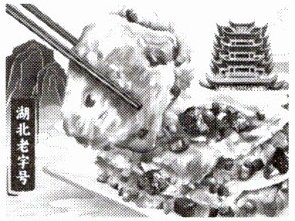
Do you know Laotongcheng Doupi? It is a traditional, famous and 1.
is sure to/delicious/is ready to/
pancake/heat/cover/prepare
Do you know Laotongcheng Doupi? It is a traditional, famous and 1.
delicious
snack in Wuhan. Do you know how to make it? You can follow these steps to make it yourself. First,2. prepare
the sticky rice. Next, make the filling(馅). The filling could be made of minced(切碎的) pork, mushrooms, bamboo shoots and so on. Then 3. heat
a pan and pour some egg liquid(蛋液) into it. Spread it out to make a thin 4. pancake
. After that,put the sticky rice on it. Finally,put the filling on the top. Fry the Doupi on both sides until it is golden and crispy. Now, Wuhan Laotongcheng Doupi 5. is ready to
serve. Enjoy it with your family members.答案
1. delicious 2. prepare 3. heat 4. pancake 5. is ready to
解析
【分析】首先通读全文,明确文章介绍武汉老通城豆皮的制作步骤,需结合语境、词性及词汇含义选择合适的词,排除多余选项。1. 空处需形容词修饰snack;2. 空处是制作步骤的祈使句开头,需动词;3. 空处是操作步骤的祈使句,搭配锅的动作;4. 空处需名词,对应蛋液摊成的形态;5. 空处需短语搭配serve表状态,最终排除多余选项。
【解析】1. 空格前是并列形容词traditional、famous,需形容词修饰snack,delicious(美味的)符合语境,故填delicious;2. 此处为制作第一步,祈使句用动词原形,prepare(准备)搭配sticky rice(糯米),符合步骤逻辑,故填prepare;3. 此处为操作步骤,祈使句用动词原形,heat(加热)搭配a pan(锅),表示加热锅,符合操作,故填heat;4. 空格前有a thin,需名词,spread蛋液后形成薄饼,pancake(薄饼)符合,故填pancake;5. 此处表豆皮制作完成可上桌,is ready to do sth(准备好做某事)符合语境,故填is ready to。
【答案】1. delicious 2. prepare 3. heat 4. pancake 5. is ready to
【知识点】形容词用法、动词短语、祈使句
【点评】本题结合武汉特色美食豆皮的介绍,考察词汇在语境中的运用,贴近生活,难度适中,需学生理解语境及词汇含义完成填空。
【难度系数】0.6
【解析】1. 空格前是并列形容词traditional、famous,需形容词修饰snack,delicious(美味的)符合语境,故填delicious;2. 此处为制作第一步,祈使句用动词原形,prepare(准备)搭配sticky rice(糯米),符合步骤逻辑,故填prepare;3. 此处为操作步骤,祈使句用动词原形,heat(加热)搭配a pan(锅),表示加热锅,符合操作,故填heat;4. 空格前有a thin,需名词,spread蛋液后形成薄饼,pancake(薄饼)符合,故填pancake;5. 此处表豆皮制作完成可上桌,is ready to do sth(准备好做某事)符合语境,故填is ready to。
【答案】1. delicious 2. prepare 3. heat 4. pancake 5. is ready to
【知识点】形容词用法、动词短语、祈使句
【点评】本题结合武汉特色美食豆皮的介绍,考察词汇在语境中的运用,贴近生活,难度适中,需学生理解语境及词汇含义完成填空。
【难度系数】0.6
Ⅳ. 阅读理解。
Zhang,65,is a master of making Wuyi Rock Tea. The smell of the tea has never left him in his life.
Since his parents worked in a tea factory in Wuyi Mountain,he loved drinking tea at a young age. After finishing high school,he planted tea plants and picked tea leaves for the factory. In 1980,he learned to make tea and opened his own factory.
To his surprise,the skills of tea making were very complex. After 10 years of learning,he could finally make tea by himself.
Zhang said there are 13 steps to make it,including drying,shaking,frying and roasting(烘烤). The most difficult one for him was shaking. It takes strength and patience(耐心) to shake the tea leaves by holding the round bamboo trays. “You have to decide when is the best time to stop according to the colour,” Zhang said. Sometimes you stop after shaking several times, while sometimes it can be hundreds of times. Only years of experience can help you make the decision.
The last step,roasting,is also important. It decides the quality. With three stages,it usually takes more than 20 hours! Each stage needs temperatures from 125℃ to 155℃. Tea makers have to keep a close eye on the process. “Every 50 minutes,you have to turn over the leaves,or it might burn,” Zhang said.
Although Zhang is already a master,he said he is still learning. The most fascinating part is that every step is full of changes—different tea plants,weather and temperatures. Every time is an adventure(冒险).
In recent years,Zhang has often worked with schools to train tea makers. “It’s my responsibility to pass on the traditional skills,” he said.
(
A. His parents worked in a school.
B. He didn’t fall in love with tea until 1980.
C. He worked for a tea factory after finishing high school.
D. His parents opened a tea factory.
(
A. difficult to learn
B. interesting to learn
C. easy to master
D. important to have
(
A. The tea leaves should always be shaken hundreds of times.
B. Beginners know when to stop shaking the tea leaves.
C. Roasting including 3 stages could take over twenty hours.
D. Roasting is the most important step of tea making.
(
A. Zhang still learns how to make tea at school.
B. Zhang might not stop making and loving tea.
C. Zhang is so good at making tea though he feels bored about it.
D. Zhang will change the traditional skills to keep tea making alive.
(
A. say yes to Zhang’s actions
B. call on more people to love tea
C. pass on the traditional skills
D. encourage people to go on adventures
Zhang,65,is a master of making Wuyi Rock Tea. The smell of the tea has never left him in his life.
Since his parents worked in a tea factory in Wuyi Mountain,he loved drinking tea at a young age. After finishing high school,he planted tea plants and picked tea leaves for the factory. In 1980,he learned to make tea and opened his own factory.
To his surprise,the skills of tea making were very complex. After 10 years of learning,he could finally make tea by himself.
Zhang said there are 13 steps to make it,including drying,shaking,frying and roasting(烘烤). The most difficult one for him was shaking. It takes strength and patience(耐心) to shake the tea leaves by holding the round bamboo trays. “You have to decide when is the best time to stop according to the colour,” Zhang said. Sometimes you stop after shaking several times, while sometimes it can be hundreds of times. Only years of experience can help you make the decision.
The last step,roasting,is also important. It decides the quality. With three stages,it usually takes more than 20 hours! Each stage needs temperatures from 125℃ to 155℃. Tea makers have to keep a close eye on the process. “Every 50 minutes,you have to turn over the leaves,or it might burn,” Zhang said.
Although Zhang is already a master,he said he is still learning. The most fascinating part is that every step is full of changes—different tea plants,weather and temperatures. Every time is an adventure(冒险).
In recent years,Zhang has often worked with schools to train tea makers. “It’s my responsibility to pass on the traditional skills,” he said.
(
C
)1. What can we learn about Zhang from paragraph 2?A. His parents worked in a school.
B. He didn’t fall in love with tea until 1980.
C. He worked for a tea factory after finishing high school.
D. His parents opened a tea factory.
(
A
)2. The underlined word “complex” in paragraph 3 probably means “difficult to learn
”.A. difficult to learn
B. interesting to learn
C. easy to master
D. important to have
(
C
)3. What can we know about tea making according to the passage?A. The tea leaves should always be shaken hundreds of times.
B. Beginners know when to stop shaking the tea leaves.
C. Roasting including 3 stages could take over twenty hours.
D. Roasting is the most important step of tea making.
(
B
)4. What can we infer from the passage?A. Zhang still learns how to make tea at school.
B. Zhang might not stop making and loving tea.
C. Zhang is so good at making tea though he feels bored about it.
D. Zhang will change the traditional skills to keep tea making alive.
(
A
)5. The passage is probably written to say yes to Zhang’s actions
.A. say yes to Zhang’s actions
B. call on more people to love tea
C. pass on the traditional skills
D. encourage people to go on adventures
答案
1-5 C A C B A
解析
【分析】
做阅读理解题时,需先通读原文把握主旨,再针对每道题的题干定位原文对应段落,结合选项逐一排除错误项:1. 细节题定位第二段,匹配选项与原文信息;2. 词义猜测题结合上下文(后文提到学了10年才掌握)推断词义;3. 细节题定位制茶步骤的相关段落,核对选项细节;4. 推理判断题需结合原文隐含信息,不能直接选原文原句;5. 主旨题结合全文核心内容判断写作目的。
【解析】
1. 细节理解题:定位第二段“After finishing high school,he planted tea plants and picked tea leaves for the factory.”,可知Zhang高中毕业后为茶厂工作,对应选项C;A项父母在茶厂而非学校,B项小时候就爱茶而非1980年,D项是Zhang1980年开工厂而非父母,均错误。
2. 词义猜测题:第三段提到“After 10 years of learning,he could finally make tea by himself”,说明制茶技能需要长时间学习掌握,故“complex”意为“难学的”,对应选项A。
3. 细节理解题:定位第五段“With three stages,it usually takes more than 20 hours!”,对应选项C;A项摇青次数不固定,B项需经验判断摇青停止时机,D项未提及是最重要步骤,均错误。
4. 推理判断题:最后一段提到Zhang仍在学习制茶、传承传统技能,可推断他不会停止制作和热爱茶,对应选项B;A项是他和学校合作培训而非自己在学校学习,C项未提及他觉得无聊,D项未提到改变传统技能,均错误。
5. 主旨大意题:全文讲述Zhang作为制茶大师传承传统制茶技能的事迹,最后提到他和学校合作培训,写作目的是肯定他的传承行动,对应选项A。
【答案】
C A C B A
【知识点】
阅读理解解题技巧、词义猜测、细节理解
【点评】
本文围绕武夷岩茶制作大师Zhang的制茶经历展开,考查学生对阅读理解不同题型的解题能力,需精准定位原文、结合上下文分析,整体难度适中。
【难度系数】
0.6
做阅读理解题时,需先通读原文把握主旨,再针对每道题的题干定位原文对应段落,结合选项逐一排除错误项:1. 细节题定位第二段,匹配选项与原文信息;2. 词义猜测题结合上下文(后文提到学了10年才掌握)推断词义;3. 细节题定位制茶步骤的相关段落,核对选项细节;4. 推理判断题需结合原文隐含信息,不能直接选原文原句;5. 主旨题结合全文核心内容判断写作目的。
【解析】
1. 细节理解题:定位第二段“After finishing high school,he planted tea plants and picked tea leaves for the factory.”,可知Zhang高中毕业后为茶厂工作,对应选项C;A项父母在茶厂而非学校,B项小时候就爱茶而非1980年,D项是Zhang1980年开工厂而非父母,均错误。
2. 词义猜测题:第三段提到“After 10 years of learning,he could finally make tea by himself”,说明制茶技能需要长时间学习掌握,故“complex”意为“难学的”,对应选项A。
3. 细节理解题:定位第五段“With three stages,it usually takes more than 20 hours!”,对应选项C;A项摇青次数不固定,B项需经验判断摇青停止时机,D项未提及是最重要步骤,均错误。
4. 推理判断题:最后一段提到Zhang仍在学习制茶、传承传统技能,可推断他不会停止制作和热爱茶,对应选项B;A项是他和学校合作培训而非自己在学校学习,C项未提及他觉得无聊,D项未提到改变传统技能,均错误。
5. 主旨大意题:全文讲述Zhang作为制茶大师传承传统制茶技能的事迹,最后提到他和学校合作培训,写作目的是肯定他的传承行动,对应选项A。
【答案】
C A C B A
【知识点】
阅读理解解题技巧、词义猜测、细节理解
【点评】
本文围绕武夷岩茶制作大师Zhang的制茶经历展开,考查学生对阅读理解不同题型的解题能力,需精准定位原文、结合上下文分析,整体难度适中。
【难度系数】
0.6
