

 登录
登录
四、综合填空
阅读下面短文,在空白处根据所给首字母填入一个单词或括号内单词的正确形式。
In the Liang Dynasty, there was a famous 1 (paint) called Zhang Sengyao. One day, the emperor asked him to draw four dragons on the wall of the temple.
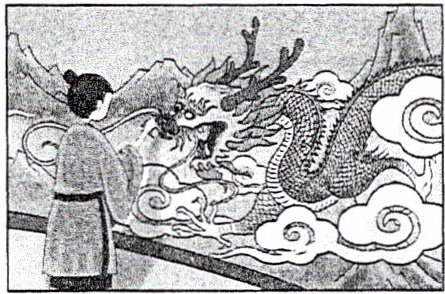
He spent three days 2 (finish) the painting. The dragons looked like real ones, so many people went to see 3 (they).
"Wow! Great dragons! B 4 they have no eyes," they said.
"If I a 5 eyes to them, they 6 (fly) away," Zhang Sengyao smiled.
People laughed and nobody trusted him. So Zhang Sengyao started 7 (take) up his brush and draw two eyes on two of the dragons. In no time, something s 8 happened (发生). The sky was f 9 of clouds. Then there was thunder and lightning. The two dragons flew into the sky.
All the people looked at this in s 10 . When the sky was clear, everyone saw that there were only two dragons on the wall.
1.
6.
阅读下面短文,在空白处根据所给首字母填入一个单词或括号内单词的正确形式。
In the Liang Dynasty, there was a famous 1 (paint) called Zhang Sengyao. One day, the emperor asked him to draw four dragons on the wall of the temple.
He spent three days 2 (finish) the painting. The dragons looked like real ones, so many people went to see 3 (they).
"Wow! Great dragons! B 4 they have no eyes," they said.
"If I a 5 eyes to them, they 6 (fly) away," Zhang Sengyao smiled.
People laughed and nobody trusted him. So Zhang Sengyao started 7 (take) up his brush and draw two eyes on two of the dragons. In no time, something s 8 happened (发生). The sky was f 9 of clouds. Then there was thunder and lightning. The two dragons flew into the sky.
All the people looked at this in s 10 . When the sky was clear, everyone saw that there were only two dragons on the wall.
1.
painter
2. finishing
3. them
4. But
5. add
6.
will fly
7. to take
8. special/surprising
9. full
10. surprise
答案
1. painter 2. finishing 3. them 4. But
5. add 6. will fly 7. to take
8. special/surprising 9. full 10. surprise
5. add 6. will fly 7. to take
8. special/surprising 9. full 10. surprise
解析
【分析】
首先通读全文,明确本文讲述的是中国传统典故“画龙点睛”的故事,理清故事发展脉络后,再逐个结合括号提示、首字母提示、语法规则和上下文语义推导每个空的答案:
1. 第1空:形容词famous修饰名词,句意为“南朝梁代有一位著名的画家叫张僧繇”,提示词paint是动词“绘画”,需要转换为表示职业的指人名词;
2. 第2空:考察spend的固定用法,spend后接时间时,搭配的非谓语形式为doing;
3. 第3空:动词see后要接人称代词宾格作宾语,主格they需要转换为宾格形式;
4. 第4空:前文夸赞龙画得栩栩如生,后文指出龙没有眼睛,前后是转折逻辑,结合首字母B推导转折连词;
5. 第5空:句意为“如果我给它们添上眼睛”,搭配add sth. to sth.表示“把某物添加到某物上”,主语是I,一般现在时用动词原形,结合首字母a推导;
6. 第6空:本句是if引导的条件状语从句,遵循“主将从现”规则,从句用一般现在时,主句要用一般将来时;
7. 第7空:考察start的固定搭配start to do sth.表示“开始做某事”,提示词take要变为不定式形式;
8. 第8空:后文描述乌云密布、电闪雷鸣、龙飞走的反常场景,是很奇特/令人惊讶的事件,结合首字母s推导修饰something的形容词;
9. 第9空:考察固定短语be full of表示“充满”,结合首字母f推导;
10. 第10空:考察固定短语in surprise表示“惊讶地”,作伴随状语,结合首字母s推导。
【解析】
1. 空1:形容词famous后接表职业的名词,paint对应的职业名词是painter,意为“画家”,故填painter;
2. 空2:固定搭配spend time (in) doing sth.表示“花费时间做某事”,因此finish变为动名词finishing,故填finishing;
3. 空3:动词see后接人称代词宾格作宾语,主格they的宾格形式是them,故填them;
4. 空4:前文称赞龙画得十分逼真,后文指出龙没有画眼睛,前后语义转折,首字母为B,故填But;
5. 空5:固定搭配add sth. to sth.表示“添加某物到某物上”,主语为I,一般现在时谓语用动词原形,首字母为a,故填add;
6. 空6:if引导的条件状语从句遵循“主将从现”规则,从句用一般现在时,主句用一般将来时will+动词原形,故填will fly;
7. 空7:固定搭配start to do sth.表示“开始做某事”,因此take变为不定式to take,故填to take;
8. 空8:点睛后出现龙直接飞走的反常奇特场景,修饰不定代词something用形容词,首字母为s,可填special(特别的)或surprising(令人惊讶的),故填special/surprising;
9. 空9:固定搭配be full of表示“充满”,句意为“天空中布满了云”,首字母为f,故填full;
10. 空10:固定搭配in surprise表示“惊讶地”,在句中作状语修饰众人的反应,首字母为s,故填surprise。
【答案】
1. painter 2. finishing 3. them 4. But
5. add 6. will fly 7. to take
8. special/surprising 9. full 10. surprise
【知识点】
词形转换;固定短语搭配;条件状语从句
【点评】
本题以传统成语“画龙点睛”为语料,将文化常识和初中基础英语考点结合,既考察了人称代词、非谓语动词、时态等基础语法,也考察了常见固定短语的积累,同时需要学生结合上下文语义和首字母提示合理推导空缺内容,考点覆盖全面,难度偏基础,适合巩固初中低年级的英语核心知识点。
【难度系数】
0.7
首先通读全文,明确本文讲述的是中国传统典故“画龙点睛”的故事,理清故事发展脉络后,再逐个结合括号提示、首字母提示、语法规则和上下文语义推导每个空的答案:
1. 第1空:形容词famous修饰名词,句意为“南朝梁代有一位著名的画家叫张僧繇”,提示词paint是动词“绘画”,需要转换为表示职业的指人名词;
2. 第2空:考察spend的固定用法,spend后接时间时,搭配的非谓语形式为doing;
3. 第3空:动词see后要接人称代词宾格作宾语,主格they需要转换为宾格形式;
4. 第4空:前文夸赞龙画得栩栩如生,后文指出龙没有眼睛,前后是转折逻辑,结合首字母B推导转折连词;
5. 第5空:句意为“如果我给它们添上眼睛”,搭配add sth. to sth.表示“把某物添加到某物上”,主语是I,一般现在时用动词原形,结合首字母a推导;
6. 第6空:本句是if引导的条件状语从句,遵循“主将从现”规则,从句用一般现在时,主句要用一般将来时;
7. 第7空:考察start的固定搭配start to do sth.表示“开始做某事”,提示词take要变为不定式形式;
8. 第8空:后文描述乌云密布、电闪雷鸣、龙飞走的反常场景,是很奇特/令人惊讶的事件,结合首字母s推导修饰something的形容词;
9. 第9空:考察固定短语be full of表示“充满”,结合首字母f推导;
10. 第10空:考察固定短语in surprise表示“惊讶地”,作伴随状语,结合首字母s推导。
【解析】
1. 空1:形容词famous后接表职业的名词,paint对应的职业名词是painter,意为“画家”,故填painter;
2. 空2:固定搭配spend time (in) doing sth.表示“花费时间做某事”,因此finish变为动名词finishing,故填finishing;
3. 空3:动词see后接人称代词宾格作宾语,主格they的宾格形式是them,故填them;
4. 空4:前文称赞龙画得十分逼真,后文指出龙没有画眼睛,前后语义转折,首字母为B,故填But;
5. 空5:固定搭配add sth. to sth.表示“添加某物到某物上”,主语为I,一般现在时谓语用动词原形,首字母为a,故填add;
6. 空6:if引导的条件状语从句遵循“主将从现”规则,从句用一般现在时,主句用一般将来时will+动词原形,故填will fly;
7. 空7:固定搭配start to do sth.表示“开始做某事”,因此take变为不定式to take,故填to take;
8. 空8:点睛后出现龙直接飞走的反常奇特场景,修饰不定代词something用形容词,首字母为s,可填special(特别的)或surprising(令人惊讶的),故填special/surprising;
9. 空9:固定搭配be full of表示“充满”,句意为“天空中布满了云”,首字母为f,故填full;
10. 空10:固定搭配in surprise表示“惊讶地”,在句中作状语修饰众人的反应,首字母为s,故填surprise。
【答案】
1. painter 2. finishing 3. them 4. But
5. add 6. will fly 7. to take
8. special/surprising 9. full 10. surprise
【知识点】
词形转换;固定短语搭配;条件状语从句
【点评】
本题以传统成语“画龙点睛”为语料,将文化常识和初中基础英语考点结合,既考察了人称代词、非谓语动词、时态等基础语法,也考察了常见固定短语的积累,同时需要学生结合上下文语义和首字母提示合理推导空缺内容,考点覆盖全面,难度偏基础,适合巩固初中低年级的英语核心知识点。
【难度系数】
0.7
五、阅读表达
阅读下面短文,用英语回答短文后的问题。
Robots (机器人) become a part of our lives. They can do lots of work for us, from simple housework to difficult work. They make our life easier and better. At the 2025 CCTV Spring Festival Gala, a special show called YangBOT amazed people. It was a group of robots dancing Yangko. Directed (导演) by Zhang Yimou, the show mixed traditional Chinese Yangko with modern robot technology (技术).
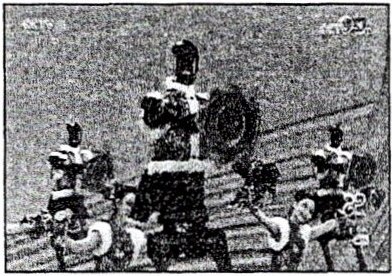
In the show, robots shaped like people dressed in colorful clothes danced Yangko, a joyful folk dance from northern China. It is often seen during festivals. They spun handkerchiefs (旋转手帕) and formed creative group patterns. These robots were developed by Unitree, a Chinese robotics company. This was not Unitree's first success — in 2021, their robot cows named "Ben Ben" danced as backup for singer Andy Lau.
The robots learned dance moves through AI and used laser navigation to move safely on the stage. Their strong joints (关节) helped them balance (平衡) perfectly during fast steps. Zhang Yimou said, "This dance isn't just fun — it shows how technology can bring new life to traditions."
Thanks to these innovations, the robots win the hearts of millions. On social media, the topics like "Robot Yangko" spread quickly. Young people call it "cool," while older people love its humour (幽默) and festival spirit.
The YangBOT show is a perfect mix of China's tech progress and cultural pride. As one fan said, "It's like watching the future and past dance together!"
1. Who directed YangBOT?
2. What did the show YangBOT mix?
3. How did the robots learn dance moves?
4. Why do older people love YangBOT?
5. What do you think of YangBOT?
阅读下面短文,用英语回答短文后的问题。
Robots (机器人) become a part of our lives. They can do lots of work for us, from simple housework to difficult work. They make our life easier and better. At the 2025 CCTV Spring Festival Gala, a special show called YangBOT amazed people. It was a group of robots dancing Yangko. Directed (导演) by Zhang Yimou, the show mixed traditional Chinese Yangko with modern robot technology (技术).
In the show, robots shaped like people dressed in colorful clothes danced Yangko, a joyful folk dance from northern China. It is often seen during festivals. They spun handkerchiefs (旋转手帕) and formed creative group patterns. These robots were developed by Unitree, a Chinese robotics company. This was not Unitree's first success — in 2021, their robot cows named "Ben Ben" danced as backup for singer Andy Lau.
The robots learned dance moves through AI and used laser navigation to move safely on the stage. Their strong joints (关节) helped them balance (平衡) perfectly during fast steps. Zhang Yimou said, "This dance isn't just fun — it shows how technology can bring new life to traditions."
Thanks to these innovations, the robots win the hearts of millions. On social media, the topics like "Robot Yangko" spread quickly. Young people call it "cool," while older people love its humour (幽默) and festival spirit.
The YangBOT show is a perfect mix of China's tech progress and cultural pride. As one fan said, "It's like watching the future and past dance together!"
1. Who directed YangBOT?
Zhang Yimou.
2. What did the show YangBOT mix?
It mixed traditional Chinese Yangko with modern robot technology
3. How did the robots learn dance moves?
Through AI.
4. Why do older people love YangBOT?
Because of its humour and festival spirit.
5. What do you think of YangBOT?
It's creative and amazing.(开放性问题,答案不唯一,言之有理即可)
答案
1. Zhang Yimou.
2. It mixed traditional Chinese Yangko with modern robot technology
3. Through AI.
4. Because of its humour and festival spirit.
5. It's creative and amazing.(开放性问题,答案不唯一,言之有理即可)
2. It mixed traditional Chinese Yangko with modern robot technology
3. Through AI.
4. Because of its humour and festival spirit.
5. It's creative and amazing.(开放性问题,答案不唯一,言之有理即可)
解析
【分析】
这是典型的信息提取类英语阅读问答题,解题思路非常清晰:首先逐个划出每个题干的核心关键词,带着关键词回到原文对应段落定位,前4道都是细节类题目,几乎都能在原文找到原句直接提取对应信息,最后一道是开放性主观题,结合文章介绍的秧歌机器人演出的特点,给出符合逻辑、正向合理的评价即可,回答要简洁,符合英语简答的表达规范。
【解析】
1. 定位到原文第一段末尾"Directed (导演) by Zhang Yimou, the show mixed traditional Chinese Yangko with modern robot technology (技术).",可直接提取导演的名字作答。
2. 同样定位到第一段末尾的对应描述,直接提取该演出融合的两项内容即可。
3. 定位到第三段首句"The robots learned dance moves through AI and used laser navigation to move safely on the stage.",直接提取机器人学习舞步的途径作答。
4. 定位到第四段最后一句"Young people call it "cool," while older people love its humour (幽默) and festival spirit.",转化为对应的原因表述即可。
5. 本题为开放性试题,结合文章提到的该演出是中国科技进步和文化自豪的完美融合的特点,给出正向合理的评价即可,答案不唯一。
【答案】
1. Zhang Yimou.
2. It mixed traditional Chinese Yangko with modern robot technology.
3. Through AI.
4. Because of its humour and festival spirit.
5. It's creative and amazing.(开放性问题,答案不唯一,言之有理即可)
【知识点】
1. 阅读细节定位
2. 原文信息提取
3. 英语简答规范
【点评】
本题难度较低,绝大多数设问都可以直接从原文找到对应信息,既考察了学生快速抓取阅读关键信息的能力,又通过开放性设问引导学生自主表达对科技与传统文化结合的创新成果的看法,同时渗透了文化自信的相关内容,符合中小学英语学科的核心素养考察要求。
【难度系数】
0.7
这是典型的信息提取类英语阅读问答题,解题思路非常清晰:首先逐个划出每个题干的核心关键词,带着关键词回到原文对应段落定位,前4道都是细节类题目,几乎都能在原文找到原句直接提取对应信息,最后一道是开放性主观题,结合文章介绍的秧歌机器人演出的特点,给出符合逻辑、正向合理的评价即可,回答要简洁,符合英语简答的表达规范。
【解析】
1. 定位到原文第一段末尾"Directed (导演) by Zhang Yimou, the show mixed traditional Chinese Yangko with modern robot technology (技术).",可直接提取导演的名字作答。
2. 同样定位到第一段末尾的对应描述,直接提取该演出融合的两项内容即可。
3. 定位到第三段首句"The robots learned dance moves through AI and used laser navigation to move safely on the stage.",直接提取机器人学习舞步的途径作答。
4. 定位到第四段最后一句"Young people call it "cool," while older people love its humour (幽默) and festival spirit.",转化为对应的原因表述即可。
5. 本题为开放性试题,结合文章提到的该演出是中国科技进步和文化自豪的完美融合的特点,给出正向合理的评价即可,答案不唯一。
【答案】
1. Zhang Yimou.
2. It mixed traditional Chinese Yangko with modern robot technology.
3. Through AI.
4. Because of its humour and festival spirit.
5. It's creative and amazing.(开放性问题,答案不唯一,言之有理即可)
【知识点】
1. 阅读细节定位
2. 原文信息提取
3. 英语简答规范
【点评】
本题难度较低,绝大多数设问都可以直接从原文找到对应信息,既考察了学生快速抓取阅读关键信息的能力,又通过开放性设问引导学生自主表达对科技与传统文化结合的创新成果的看法,同时渗透了文化自信的相关内容,符合中小学英语学科的核心素养考察要求。
【难度系数】
0.7
