

 登录
登录
B 热考内容 本土文化
KEY→P32
范畴:人与社会 主题:城市介绍 体裁:说明文 难度:★★★ 建议用时:7分钟 评价:
请认真阅读下面短文,在横线上填入一个适当的单词或括号内单词的正确形式。
Nanjing is the capital city of Jiangsu Province. It lies in the Yangtze River Delta(三角洲). It is 1.
Because of 6.
8.
KEY→P32
范畴:人与社会 主题:城市介绍 体裁:说明文 难度:★★★ 建议用时:7分钟 评价:
10
/10请认真阅读下面短文,在横线上填入一个适当的单词或括号内单词的正确形式。
Nanjing is the capital city of Jiangsu Province. It lies in the Yangtze River Delta(三角洲). It is 1.
an
important land and water transportation center in China. 2. From
the 3rd to 6th century, Nanjing was the capital of the six dynasties, namely, the Kingdom of Wu, Eastern Jin, Song, Qi, Liang, and Chen. The capital was first 3. named
(name) Jianye, and then Jiankang. The Jiankang City in the past was a world-famous city with wonderful palaces, large population, and 4. highly
(high) developed industry and commerce(商业). The Nanjing City was built with tall city walls, deep rivers outside, and many buildings inside. The city wall is one of 5. the longest
(long) existing walls in the world now.Because of 6.
its
(it) important position and influence, the city attracted talents from throughout the country as well as emissaries(使节) and merchants(商人) from abroad. It 7. became
(become) an international city long time ago.8.
There
are many famous historical sites and scenic attractions in Nanjing, such as the Qixia Temple, the Thousand-Buddha Cliff on Qixia Mountain, the Ming Xiaoling Mausoleum(陵墓), the Sun Yat-sen Mausoleum, and the 9. beautiful
(beauty) Xuanwu Lake. All of these are considered must-see places of interest for 10. tourists
(tour). Every year, millions of people visit the Memorial Hall of the Victims in Nanjing Massacre by Japanese Invaders.答案
南京是江苏省会,地处长江三角洲,是中国重要水陆交通枢纽,在3至6世纪为六朝古都,有很多名胜古迹。
1. an 此处表示“一个重要的水陆交通枢纽”,important以元音音素开头,且center为可数名词单数,需用不定冠词an修饰。
2. From “from ... to ...”是固定搭配,意为“从……到……”,此处指“从3世纪到6世纪”。
3. named 句子主语The capital与动词name是被动关系,需用被动语态,name的过去分词为named。
4. highly 此处需修饰形容词developed,应用副词;表示“高度发达的”需用highly developed。
5. the longest one of后需用形容词最高级。
6. its 此处需修饰important position and influence,应用形容词性物主代词。
7. became 由long time ago可判断用过去式。
8. There 此处表示“南京存在许多著名的历史遗迹和风景名胜”,需用there be句型。
9. beautiful 此处需修饰Xuanwu Lake,应用形容词;beauty是名词,其形容词形式为beautiful。
10. tourists 所有这些被认为是游客必看的名胜古迹;此处表泛指,应用复数形式tourists。
1. an 此处表示“一个重要的水陆交通枢纽”,important以元音音素开头,且center为可数名词单数,需用不定冠词an修饰。
2. From “from ... to ...”是固定搭配,意为“从……到……”,此处指“从3世纪到6世纪”。
3. named 句子主语The capital与动词name是被动关系,需用被动语态,name的过去分词为named。
4. highly 此处需修饰形容词developed,应用副词;表示“高度发达的”需用highly developed。
5. the longest one of后需用形容词最高级。
6. its 此处需修饰important position and influence,应用形容词性物主代词。
7. became 由long time ago可判断用过去式。
8. There 此处表示“南京存在许多著名的历史遗迹和风景名胜”,需用there be句型。
9. beautiful 此处需修饰Xuanwu Lake,应用形容词;beauty是名词,其形容词形式为beautiful。
10. tourists 所有这些被认为是游客必看的名胜古迹;此处表泛指,应用复数形式tourists。
解析
【分析】本题为关于南京的说明文填空,主要考察初中英语基础语法、固定搭配及词性转换。解题时需结合语境、语法规则和固定搭配逐一分析:1. 根据元音音素判断不定冠词;2. 运用固定搭配from...to...;3. 依据被动语态结构确定动词形式;4. 用副词修饰形容词;5. 掌握one of后接形容词最高级的规则;6. 用形容词性物主代词修饰名词;7. 根据时间状语确定时态;8. 运用there be句型;9. 用形容词修饰名词;10. 用名词复数表泛指。
【解析】1. 此处表泛指“一个重要的水陆交通中心”,important以元音音素开头,可数名词单数前用不定冠词an,故填an。2. 固定搭配“from...to...”意为“从……到……”,此处指“从3世纪到6世纪”,句首首字母大写,故填From。3. 主语“都城”与动词name是被动关系,被动语态需用be+过去分词,name的过去分词为named,故填named。4. 此处修饰形容词developed,需用副词,highly表示“高度地”,符合“高度发达的”,故填highly。5. “one of+形容词最高级”表示“最……之一”,long的最高级为longest,形容词最高级前加定冠词the,故填the longest。6. 此处修饰名词短语,需用形容词性物主代词,it的形容词性物主代词为its,故填its。7. 时间状语“long time ago”表过去,句子用一般过去时,become的过去式为became,故填became。8. 表示“某地有某物”用there be句型,句首首字母大写,故填There。9. 此处修饰名词玄武湖,需用形容词,beauty的形容词形式为beautiful,故填beautiful。10. 此处表泛指“游客”,应用名词复数,tourist的复数为tourists,故填tourists。
【答案】1. an 2. From 3. named 4. highly 5. the longest 6. its 7. became 8. There 9. beautiful 10. tourists
【知识点】基础语法运用、固定搭配、词性转换
【点评】本题以南京本土文化为主题,考察初中英语核心语法及基础词汇运用,难度适中,需结合语境和语法规则完成填空,注重基础知识的掌握。
【难度系数】0.6
【解析】1. 此处表泛指“一个重要的水陆交通中心”,important以元音音素开头,可数名词单数前用不定冠词an,故填an。2. 固定搭配“from...to...”意为“从……到……”,此处指“从3世纪到6世纪”,句首首字母大写,故填From。3. 主语“都城”与动词name是被动关系,被动语态需用be+过去分词,name的过去分词为named,故填named。4. 此处修饰形容词developed,需用副词,highly表示“高度地”,符合“高度发达的”,故填highly。5. “one of+形容词最高级”表示“最……之一”,long的最高级为longest,形容词最高级前加定冠词the,故填the longest。6. 此处修饰名词短语,需用形容词性物主代词,it的形容词性物主代词为its,故填its。7. 时间状语“long time ago”表过去,句子用一般过去时,become的过去式为became,故填became。8. 表示“某地有某物”用there be句型,句首首字母大写,故填There。9. 此处修饰名词玄武湖,需用形容词,beauty的形容词形式为beautiful,故填beautiful。10. 此处表泛指“游客”,应用名词复数,tourist的复数为tourists,故填tourists。
【答案】1. an 2. From 3. named 4. highly 5. the longest 6. its 7. became 8. There 9. beautiful 10. tourists
【知识点】基础语法运用、固定搭配、词性转换
【点评】本题以南京本土文化为主题,考察初中英语核心语法及基础词汇运用,难度适中,需结合语境和语法规则完成填空,注重基础知识的掌握。
【难度系数】0.6
C
KEY→P33
范畴:人与社会 主题:历史文化 体裁:记叙文 难度:★★★ 建议用时:7分钟 评价:
从方框中选择适当的词或短语并用其正确形式填空,使短文通顺,意思完整,每词或短语限用一次。
and think about describe old give
One afternoon in a bookstore, I found a book called The Last Days of Old Beijing (《再会,老北京》) by US writer Michael Meyer. The title made me 1.
Meyer's writing takes us back to Beijing about 20 years ago. In 2005, Meyer moved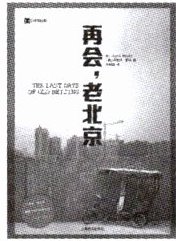
into a shared courtyard home in one of Beijing's 2.
in the face of change much shop they
Meyer saw some of the great 6.
I was born in Beijing, so I know a lot 10.
参考词汇
完形填空 surname /'sɜːneɪm/ n. 姓
complain /kəm'pleɪn/ v. 抱怨
get over 克服(困难、障碍等)
阅读理解 A specialized /'speʃəlaɪzd/ adj. 专业的
be willing to do sth. 愿意做某事
阅读理解 B can /kæn/ n. 金属罐
explore /ɪk'splɔː(r)/ v. 探讨;探索
阅读理解 C military /'mɪlətri/ adj. 军事的
equipment /ɪ'kwɪpmənt/ n. 装备
joint /dʒɔɪnt/ adj. 联合的
句子还原 wardrobe /'wɔːdrəʊb/ n. 衣柜;衣橱
get rid of 摆脱;除去
extreme /ɪk'striːm/ adj. 极端的
sort out 整理;分类
任务型阅读 smooth /smuːð/ adj. 平坦的
adventure /əd'ventʃə(r)/ n. 冒险
retirement /rɪ'taɪəmənt/ n. 退休
短文填空 A minister /'mɪnɪstə(r)/ n. 大臣
perform /pə'fɔːm/ v. 表演
短文填空 C courtyard /'kɔːtʃɑːd/ n. 庭院
英语嗨吧
KEY→P33
范畴:人与社会 主题:历史文化 体裁:记叙文 难度:★★★ 建议用时:7分钟 评价:
10
/10从方框中选择适当的词或短语并用其正确形式填空,使短文通顺,意思完整,每词或短语限用一次。
and think about describe old give
One afternoon in a bookstore, I found a book called The Last Days of Old Beijing (《再会,老北京》) by US writer Michael Meyer. The title made me 1.
think about
my home city, Beijing, and its past.Meyer's writing takes us back to Beijing about 20 years ago. In 2005, Meyer moved
into a shared courtyard home in one of Beijing's 2.
oldest
neighbourhoods, Dashilan. There he taught English at a school 3. and
became the only Westerner there living among local people. This 4. gave
him a chance to get close to the local culture. In the book, he 5. describes
the hutong in a lively way that makes you feel like you're right there.in the face of change much shop they
Meyer saw some of the great 6.
changes
. The old houses made way for high-rise buildings, 7. shopping
malls and other symbols of modern, urban life. However, some parts of old Beijing's culture stayed strong 8. in the face of
rapid change. People still kept traditions like putting up Spring Festival couplets and artists worked hard to pass down skills like acrobatics(杂技). Meyer shows us how these traditions help people hold onto 9. their
roots as old buildings go away around them.I was born in Beijing, so I know a lot 10.
more
about the city's modern side. Reading The Last Days of Old Beijing opened my eyes to new sides of the city that I hadn't seen before.参考词汇
完形填空 surname /'sɜːneɪm/ n. 姓
complain /kəm'pleɪn/ v. 抱怨
get over 克服(困难、障碍等)
阅读理解 A specialized /'speʃəlaɪzd/ adj. 专业的
be willing to do sth. 愿意做某事
阅读理解 B can /kæn/ n. 金属罐
explore /ɪk'splɔː(r)/ v. 探讨;探索
阅读理解 C military /'mɪlətri/ adj. 军事的
equipment /ɪ'kwɪpmənt/ n. 装备
joint /dʒɔɪnt/ adj. 联合的
句子还原 wardrobe /'wɔːdrəʊb/ n. 衣柜;衣橱
get rid of 摆脱;除去
extreme /ɪk'striːm/ adj. 极端的
sort out 整理;分类
任务型阅读 smooth /smuːð/ adj. 平坦的
adventure /əd'ventʃə(r)/ n. 冒险
retirement /rɪ'taɪəmənt/ n. 退休
短文填空 A minister /'mɪnɪstə(r)/ n. 大臣
perform /pə'fɔːm/ v. 表演
短文填空 C courtyard /'kɔːtʃɑːd/ n. 庭院
英语嗨吧
答案
美国作家Michael Meyer的《再会,老北京》记录了北京胡同生活的变迁。
1. think about 使役动词make后用省略to的不定式作宾补。根据句意可知,填写think about。
2. oldest 所填写词修饰名词neighbourhoods,用形容词;再根据句意及“one of ...”可知,这里用形容词的最高级oldest。
3. and 所填写词连接并列成分taught English at a school和became the only Westerner,应用and。
4. gave 这给了他一个接近当地文化的机会。
5. describes 在书中,他生动地描述了胡同,让你觉得自己就在那里。根据上下文可知用一般现在时,故填describes。
6. changes 下文描述的是一些变化,故这里填写changes。
7. shopping 由buildings和malls可判断,这里填写shopping。
8. in the face of 面对快速的变化,老北京的一些文化仍然很强大。“in the face of ...”意为“面对……”。
9. their 作者向我们展示了这些传统如何帮助人们在周围的旧建筑消失时坚守自己的根基。
10. more 此处表示“我”对这座城市现代化的一面了解得更多,故填写more。
1. think about 使役动词make后用省略to的不定式作宾补。根据句意可知,填写think about。
2. oldest 所填写词修饰名词neighbourhoods,用形容词;再根据句意及“one of ...”可知,这里用形容词的最高级oldest。
3. and 所填写词连接并列成分taught English at a school和became the only Westerner,应用and。
4. gave 这给了他一个接近当地文化的机会。
5. describes 在书中,他生动地描述了胡同,让你觉得自己就在那里。根据上下文可知用一般现在时,故填describes。
6. changes 下文描述的是一些变化,故这里填写changes。
7. shopping 由buildings和malls可判断,这里填写shopping。
8. in the face of 面对快速的变化,老北京的一些文化仍然很强大。“in the face of ...”意为“面对……”。
9. their 作者向我们展示了这些传统如何帮助人们在周围的旧建筑消失时坚守自己的根基。
10. more 此处表示“我”对这座城市现代化的一面了解得更多,故填写more。
解析
【分析】
本题为英语短文填空题,解题思路如下:1. 先通读全文,理解文章主旨(美国作家Michael Meyer的《再会,老北京》记录了北京胡同生活的变迁);2. 结合每个空的语境、语法结构、固定搭配,从给定词汇中选择合适的词,并根据句子需求调整词形(如时态、词性、比较级/最高级等);3. 确保所选词汇符合文意,且每词限用一次。
【解析】
1. 考查固定搭配。make sb. do sth.为固定结构,此处需用省略to的不定式,结合句意“标题让我想起北京和它的过去”,故填think about。
2. 考查形容词最高级。“one of + 形容词最高级 + 可数名词复数”表示“最……之一”,修饰neighbourhoods,结合语境“北京最古老的街区之一”,故填oldest。
3. 考查连词。连接两个并列谓语动词taught和became,表顺承关系,故填and。
4. 考查动词时态。结合上下文用一般过去时,“给了他接近当地文化的机会”,give的过去式为gave,故填gave。
5. 考查动词时态。根据上下文用一般现在时,主语he为第三人称单数,“生动描述胡同”,describe的第三人称单数形式为describes,故填describes。
6. 考查名词复数。下文描述旧建筑变高楼等变化,great后接可数名词复数,故填changes。
7. 考查固定短语。shopping malls为固定搭配,意为“购物中心”,故填shopping。
8. 考查介词短语。“面对快速变化时,老北京文化仍保持强大”,in the face of意为“面对”,符合语境,故填in the face of。
9. 考查形容词性物主代词。修饰名词roots,指代people,故填their。
10. 考查副词比较级。此处表示“对北京现代化一面了解得更多”,much的比较级为more,故填more。
【答案】
1. think about
2. oldest
3. and
4. gave
5. describes
6. changes
7. shopping
8. in the face of
9. their
10. more
【知识点】
英语短文填空、固定搭配、形容词最高级、动词时态
【点评】
本题围绕《再会,老北京》的文化主题,考查学生词汇运用能力,涉及固定搭配、词形变化等知识点,需结合语境与语法规则解题,兼具知识性与文化内涵。
【难度系数】
0.6
本题为英语短文填空题,解题思路如下:1. 先通读全文,理解文章主旨(美国作家Michael Meyer的《再会,老北京》记录了北京胡同生活的变迁);2. 结合每个空的语境、语法结构、固定搭配,从给定词汇中选择合适的词,并根据句子需求调整词形(如时态、词性、比较级/最高级等);3. 确保所选词汇符合文意,且每词限用一次。
【解析】
1. 考查固定搭配。make sb. do sth.为固定结构,此处需用省略to的不定式,结合句意“标题让我想起北京和它的过去”,故填think about。
2. 考查形容词最高级。“one of + 形容词最高级 + 可数名词复数”表示“最……之一”,修饰neighbourhoods,结合语境“北京最古老的街区之一”,故填oldest。
3. 考查连词。连接两个并列谓语动词taught和became,表顺承关系,故填and。
4. 考查动词时态。结合上下文用一般过去时,“给了他接近当地文化的机会”,give的过去式为gave,故填gave。
5. 考查动词时态。根据上下文用一般现在时,主语he为第三人称单数,“生动描述胡同”,describe的第三人称单数形式为describes,故填describes。
6. 考查名词复数。下文描述旧建筑变高楼等变化,great后接可数名词复数,故填changes。
7. 考查固定短语。shopping malls为固定搭配,意为“购物中心”,故填shopping。
8. 考查介词短语。“面对快速变化时,老北京文化仍保持强大”,in the face of意为“面对”,符合语境,故填in the face of。
9. 考查形容词性物主代词。修饰名词roots,指代people,故填their。
10. 考查副词比较级。此处表示“对北京现代化一面了解得更多”,much的比较级为more,故填more。
【答案】
1. think about
2. oldest
3. and
4. gave
5. describes
6. changes
7. shopping
8. in the face of
9. their
10. more
【知识点】
英语短文填空、固定搭配、形容词最高级、动词时态
【点评】
本题围绕《再会,老北京》的文化主题,考查学生词汇运用能力,涉及固定搭配、词形变化等知识点,需结合语境与语法规则解题,兼具知识性与文化内涵。
【难度系数】
0.6
