

 登录
登录
四、Read and write. 如果你有机会向火星探测器提问,你会问什么问题呢?探测器又会怎么回答呢?请观察图片,仿照例句写一写。
例 —What can you see in the sky?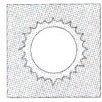
—I can see the Sun.
例 —Is there any water on Mars?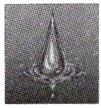
—Yes, there is.
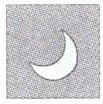
1. —
—
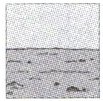
2. —
—
例 —What can you see in the sky?
—I can see the Sun.
例 —Is there any water on Mars?
—Yes, there is.
1. —
What can you see in the sky?
—
I can see the Moon.
2. —
Is there any soil on Mars?
—
Yes, there is.
答案
1. —What can you see in the sky? —I can see the Moon.
2. —Is there any soil on Mars? —Yes, there is.
2. —Is there any soil on Mars? —Yes, there is.
解析
【分析】本题要求仿照例句,结合火星探测器的主题完成问答。首先观察例句句式:第一题是特殊疑问句结构“What can you see + 范围?”,回答对应“I can see + 事物”;第二题是一般疑问句结构“Is there any + 事物 + on Mars?”,回答对应“Yes, there is.”。需匹配对应事物,完成符合要求的问答。
【解析】1. 仿照特殊疑问句例句,问句采用“What can you see in the sky?”,回答对应“I can see the Moon.”;2. 仿照一般疑问句例句,问句采用“Is there any soil on Mars?”,回答对应“Yes, there is.”,符合题目要求的问答形式。
【答案】1. —What can you see in the sky? —I can see the Moon.
2. —Is there any soil on Mars? —Yes, there is.
【知识点】特殊疑问句运用、一般疑问句运用、情景交际
【点评】本题为情景仿写题,考查学生对英语常见疑问句结构的掌握,以及结合主题合理表达的能力,难度适中。
【难度系数】0.6
【解析】1. 仿照特殊疑问句例句,问句采用“What can you see in the sky?”,回答对应“I can see the Moon.”;2. 仿照一般疑问句例句,问句采用“Is there any soil on Mars?”,回答对应“Yes, there is.”,符合题目要求的问答形式。
【答案】1. —What can you see in the sky? —I can see the Moon.
2. —Is there any soil on Mars? —Yes, there is.
【知识点】特殊疑问句运用、一般疑问句运用、情景交际
【点评】本题为情景仿写题,考查学生对英语常见疑问句结构的掌握,以及结合主题合理表达的能力,难度适中。
【难度系数】0.6
五、Read and finish. 本周学校航天社团的探索主题是“太阳系”。请读一读,完成阅读任务。
(Tips:Mercury 水星,Venus 金星,Jupiter 木星,Saturn 土星,
Uranus 天王星,Neptune 海王星)
The planets in the solar system are different and amazing. All the planets move around the Sun. Mercury is the smallest planet. It is the first planet from the Sun. Venus is the second planet from the Sun. It is the hottest planet. Venus has mountains and volcanoes. Earth has water. Earth is presently (目前) the only planet where people can live. Mars is called the “red planet”, because it looks red from space. It has the largest volcano in the solar system. Jupiter is the biggest planet. It has clouds and a big storm called the Great Red Spot. Saturn has beautiful rings around it. The rings are made of ice and rocks. It is the second largest planet. Uranus is a blue-green planet made of gas. It is very cold, because it’s far from the Sun. Neptune is a deep blue planet. It is the outermost (最外面的) planet in our solar system.
根据短文内容,选择合适的选项。
(
A. Venus. B. Mercury. C. Mars. D. Earth.
(
A. Jupiter. B. Venus. C. Saturn. D. Neptune.
(
A. Jupiter. B. Uranus. C. Saturn. D. Neptune.
(
A. It has no sun. B. It is far from the Sun.
C. It is made of ice. D. It has strong winds.
(Tips:Mercury 水星,Venus 金星,Jupiter 木星,Saturn 土星,
Uranus 天王星,Neptune 海王星)
The planets in the solar system are different and amazing. All the planets move around the Sun. Mercury is the smallest planet. It is the first planet from the Sun. Venus is the second planet from the Sun. It is the hottest planet. Venus has mountains and volcanoes. Earth has water. Earth is presently (目前) the only planet where people can live. Mars is called the “red planet”, because it looks red from space. It has the largest volcano in the solar system. Jupiter is the biggest planet. It has clouds and a big storm called the Great Red Spot. Saturn has beautiful rings around it. The rings are made of ice and rocks. It is the second largest planet. Uranus is a blue-green planet made of gas. It is very cold, because it’s far from the Sun. Neptune is a deep blue planet. It is the outermost (最外面的) planet in our solar system.
根据短文内容,选择合适的选项。
(
B
)1. Which planet is the smallest in the solar system?A. Venus. B. Mercury. C. Mars. D. Earth.
(
B
)2. Which is the second planet from the Sun?A. Jupiter. B. Venus. C. Saturn. D. Neptune.
(
C
)3. Which planet has beautiful rings made of ice and rocks?A. Jupiter. B. Uranus. C. Saturn. D. Neptune.
(
B
)4. What makes Uranus very cold?A. It has no sun. B. It is far from the Sun.
C. It is made of ice. D. It has strong winds.
答案
1. B 2. B 3. C 4. B
解析
【分析】
本题为英语阅读理解细节题,解题思路为:先明确每个问题的核心关键词,再回到短文中定位对应信息,最后匹配选项得出答案。需重点关注各行星的特征、与太阳的距离等细节内容。
【解析】
1. 第1题:关键词为“smallest”,短文中明确提到“Mercury is the smallest planet”,对应选项B。
2. 第2题:关键词为“second planet from the Sun”,短文中说明“Venus is the second planet from the Sun”,对应选项B。
3. 第3题:关键词为“beautiful rings made of ice and rocks”,短文中指出“Saturn has beautiful rings around it. The rings are made of ice and rocks”,对应选项C。
4. 第4题:关键词为“Uranus very cold”,短文中提到“Uranus...It is very cold, because it’s far from the Sun”,对应选项B。
【答案】
1. B 2. B 3. C 4. B
【知识点】
英语阅读理解,细节理解,词汇认知
【点评】
本题围绕太阳系行星的特征设置细节题,考查学生快速定位短文信息的能力,题目难度不大,只要认真阅读短文即可正确作答。
【难度系数】
0.8
本题为英语阅读理解细节题,解题思路为:先明确每个问题的核心关键词,再回到短文中定位对应信息,最后匹配选项得出答案。需重点关注各行星的特征、与太阳的距离等细节内容。
【解析】
1. 第1题:关键词为“smallest”,短文中明确提到“Mercury is the smallest planet”,对应选项B。
2. 第2题:关键词为“second planet from the Sun”,短文中说明“Venus is the second planet from the Sun”,对应选项B。
3. 第3题:关键词为“beautiful rings made of ice and rocks”,短文中指出“Saturn has beautiful rings around it. The rings are made of ice and rocks”,对应选项C。
4. 第4题:关键词为“Uranus very cold”,短文中提到“Uranus...It is very cold, because it’s far from the Sun”,对应选项B。
【答案】
1. B 2. B 3. C 4. B
【知识点】
英语阅读理解,细节理解,词汇认知
【点评】
本题围绕太阳系行星的特征设置细节题,考查学生快速定位短文信息的能力,题目难度不大,只要认真阅读短文即可正确作答。
【难度系数】
0.8
