

 登录
登录
六、任务型阅读。(2025·江苏无锡侨谊实验中学期中)
阅读短文,回答下列问题。
You may have already forgotten the days when you had to learn how to use chopsticks. Every Chinese kid has a hard time learning to use them, but chopsticks are not just simple tools to pick up food. They come with their own special rules and traditions.
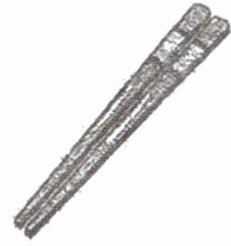
People should not make noise with chopsticks. Playing with chopsticks is seen as bad manners, just as making noise with forks and knives in a Western country would be rude.
You should not tap chopsticks on the edge(边缘)of a bowl either, as beggars do this to ask for food. Parents may get mad if children do this as they don't want their children to be as poor as beggars in the future.
Chopsticks are not just for eating. They can also be a nice gift. In Chinese, “chopsticks” reads “kuaizi”, which means to have babies soon. New couples sometimes receive chopsticks as a wedding gift. Skilled craftsmen paint beautiful images on chopsticks to make them look like fine artworks.
1. What is seen as bad manners when using chopsticks?
2. How do craftsmen decorate chopsticks?
3. Besides chopsticks, what other gifts can we give to new couples?
阅读短文,回答下列问题。
You may have already forgotten the days when you had to learn how to use chopsticks. Every Chinese kid has a hard time learning to use them, but chopsticks are not just simple tools to pick up food. They come with their own special rules and traditions.
People should not make noise with chopsticks. Playing with chopsticks is seen as bad manners, just as making noise with forks and knives in a Western country would be rude.
You should not tap chopsticks on the edge(边缘)of a bowl either, as beggars do this to ask for food. Parents may get mad if children do this as they don't want their children to be as poor as beggars in the future.
Chopsticks are not just for eating. They can also be a nice gift. In Chinese, “chopsticks” reads “kuaizi”, which means to have babies soon. New couples sometimes receive chopsticks as a wedding gift. Skilled craftsmen paint beautiful images on chopsticks to make them look like fine artworks.
1. What is seen as bad manners when using chopsticks?
Playing with chopsticks.
2. How do craftsmen decorate chopsticks?
They paint beautiful images on chopsticks.
3. Besides chopsticks, what other gifts can we give to new couples?
We can give red packets or beautiful flowers.
答案
六、1. Playing with chopsticks.
2. They paint beautiful images on chopsticks.
3. We can give red packets or beautiful flowers.(言之有理即可)
2. They paint beautiful images on chopsticks.
3. We can give red packets or beautiful flowers.(言之有理即可)
解析
【分析】
这是一篇介绍筷子相关礼仪与文化的任务型阅读题,解题思路非常清晰:首先逐题明确题干的提问方向,带着问题返回原文精准定位对应段落的内容,前两道细节题可以直接从原文找到匹配语句提取答案,第三道是开放类问题,结合日常生活中给新婚夫妇送礼物的常见习俗,给出合理表述即可,不需要完全拘泥于原文内容,逻辑通顺符合常识就能得分。
【解析】
1. 返回原文第二段定位关键词"bad manners",找到对应语句"Playing with chopsticks is seen as bad manners, just as making noise with forks and knives in a Western country would be rude.",直接提取题干询问的不礼貌行为即可。
2. 返回原文最后一段定位关键词"craftsmen",找到对应语句"Skilled craftsmen paint beautiful images on chopsticks to make them look like fine artworks.",整理出工匠装饰筷子的具体方式即可。
3. 本题为开放性作答,只要列举出适合送给新婚夫妇的合理礼物,表述通顺符合日常习俗即可,答案不唯一。
【答案】
1. Playing with chopsticks.
2. They paint beautiful images on chopsticks.
3. We can give red packets or beautiful flowers.(言之有理即可)
【知识点】
细节信息检索、阅读问答、传统习俗认知
【点评】
本题难度较低,前两道题属于原文直接给出答案的基础细节题,重点考察学生快速在文本中定位关键信息的能力,第三道开放题结合生活常识作答,同时渗透了中国筷子相关的传统文化知识,引导学生了解日常餐具背后的文化内涵。
【难度系数】
0.8
这是一篇介绍筷子相关礼仪与文化的任务型阅读题,解题思路非常清晰:首先逐题明确题干的提问方向,带着问题返回原文精准定位对应段落的内容,前两道细节题可以直接从原文找到匹配语句提取答案,第三道是开放类问题,结合日常生活中给新婚夫妇送礼物的常见习俗,给出合理表述即可,不需要完全拘泥于原文内容,逻辑通顺符合常识就能得分。
【解析】
1. 返回原文第二段定位关键词"bad manners",找到对应语句"Playing with chopsticks is seen as bad manners, just as making noise with forks and knives in a Western country would be rude.",直接提取题干询问的不礼貌行为即可。
2. 返回原文最后一段定位关键词"craftsmen",找到对应语句"Skilled craftsmen paint beautiful images on chopsticks to make them look like fine artworks.",整理出工匠装饰筷子的具体方式即可。
3. 本题为开放性作答,只要列举出适合送给新婚夫妇的合理礼物,表述通顺符合日常习俗即可,答案不唯一。
【答案】
1. Playing with chopsticks.
2. They paint beautiful images on chopsticks.
3. We can give red packets or beautiful flowers.(言之有理即可)
【知识点】
细节信息检索、阅读问答、传统习俗认知
【点评】
本题难度较低,前两道题属于原文直接给出答案的基础细节题,重点考察学生快速在文本中定位关键信息的能力,第三道开放题结合生活常识作答,同时渗透了中国筷子相关的传统文化知识,引导学生了解日常餐具背后的文化内涵。
【难度系数】
0.8
