

 登录
登录
四、阅读理解
第一节 阅读下面短文,根据短文内容,从题中所给的A、B、C、D四个选项中选出最佳选项。
In today’s world, protecting the environment is more important than ever. Luckily, scientists are using creative technologies to deal with pollution and save ecosystems.
AI Protects Ocean Life in Fujian
In Fujian’s Dongshan Island, scientists use smart technology to protect coral reefs(珊瑚礁). Underwater devices collect real-time information about water cleanliness, temperature, and sea animals. This helps scientists watch reef health and find pollution quickly. For example, the system can spot harmful algae(藻类)or illegal fishing. By studying the data, AI can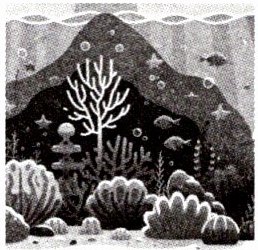
even predict future problems for corals. Since 2023, this work has saved 80% of the island’s reefs.
Smart Robots Recycle Old Electronics
Shenzhen now uses robots to break down old phones and computers. With AI cameras, the robot finds parts like batteries and metals. It removes dangerous materials carefully and sorts useful pieces. This cuts down pollution from electronic waste, which has harmful chemicals. One robot can process 50 devices every hour—much faster than people! We can use the metals to make new products, reducing mining.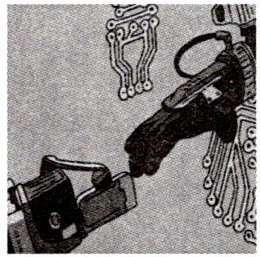
Smart Environmental Monitoring in Ningbo
In Ningbo’s Zhenhai District, a new system uses high-tech tools like special radars(雷达), infrared(红外)cameras, and drones(无人机)to watch air quality. When pollution levels rise, drones quickly fly to the area to take photos. This helps find problems 70% faster than before. Farmers and cities can then act fast to clean the air. This smart network keeps the environment safer and healthier.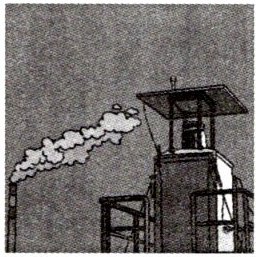
These show how technology and nature can work together. By mixing smart tools with ecology, we’re finding powerful solutions to protect our oceans, reduce waste, and take care of the Earth.
根据材料内容选择最佳选项。
(
A. Collect information about water temperature.
B. Predict future problems for corals.
C. Make new coral reefs.
D. Find illegal fishing activities.
(
A. break down B. buy
C. sell D. invent
(
A. To show how drones are made.
B. To explain why air pollution is bad.
C. To introduce a smart way to monitor air quality.
D. To compare Ningbo with other cities.
(
A. Technology will solve all environmental problems in the future.
B. More cities may use high-tech methods to protect the environment.
C. Ningbo has the cleanest air in the world.
D. Robots will replace scientists in the future.
(
A. A storybook for children.
B. A history textbook.
C. A cooking recipe book.
D. A science magazine.
第一节 阅读下面短文,根据短文内容,从题中所给的A、B、C、D四个选项中选出最佳选项。
In today’s world, protecting the environment is more important than ever. Luckily, scientists are using creative technologies to deal with pollution and save ecosystems.
AI Protects Ocean Life in Fujian
In Fujian’s Dongshan Island, scientists use smart technology to protect coral reefs(珊瑚礁). Underwater devices collect real-time information about water cleanliness, temperature, and sea animals. This helps scientists watch reef health and find pollution quickly. For example, the system can spot harmful algae(藻类)or illegal fishing. By studying the data, AI can
even predict future problems for corals. Since 2023, this work has saved 80% of the island’s reefs.
Smart Robots Recycle Old Electronics
Shenzhen now uses robots to break down old phones and computers. With AI cameras, the robot finds parts like batteries and metals. It removes dangerous materials carefully and sorts useful pieces. This cuts down pollution from electronic waste, which has harmful chemicals. One robot can process 50 devices every hour—much faster than people! We can use the metals to make new products, reducing mining.
Smart Environmental Monitoring in Ningbo
In Ningbo’s Zhenhai District, a new system uses high-tech tools like special radars(雷达), infrared(红外)cameras, and drones(无人机)to watch air quality. When pollution levels rise, drones quickly fly to the area to take photos. This helps find problems 70% faster than before. Farmers and cities can then act fast to clean the air. This smart network keeps the environment safer and healthier.
These show how technology and nature can work together. By mixing smart tools with ecology, we’re finding powerful solutions to protect our oceans, reduce waste, and take care of the Earth.
根据材料内容选择最佳选项。
(
C
)41. What can the AI system in Dongshan Island NOT do?A. Collect information about water temperature.
B. Predict future problems for corals.
C. Make new coral reefs.
D. Find illegal fishing activities.
(
A
)42. The underlined word “process” in paragraph 3 probably means .A. break down B. buy
C. sell D. invent
(
C
)43. What is the purpose of the paragraph about Ningbo?A. To show how drones are made.
B. To explain why air pollution is bad.
C. To introduce a smart way to monitor air quality.
D. To compare Ningbo with other cities.
(
B
)44. What can we infer from the text?A. Technology will solve all environmental problems in the future.
B. More cities may use high-tech methods to protect the environment.
C. Ningbo has the cleanest air in the world.
D. Robots will replace scientists in the future.
(
D
)45. Where is this text most likely from?A. A storybook for children.
B. A history textbook.
C. A cooking recipe book.
D. A science magazine.
答案
41. C 42. A
43. C 该段主要介绍宁波使用雷达、红外相机、无人机等高科技监测空气质量,核心目的是展示智能监测方法,选项 A、B、D并非段落意图。
44. B
45. D 文章围绕科技环保展开,属于科学类内容,最可能来自科学杂志,其他选项与主题不符。
43. C 该段主要介绍宁波使用雷达、红外相机、无人机等高科技监测空气质量,核心目的是展示智能监测方法,选项 A、B、D并非段落意图。
44. B
45. D 文章围绕科技环保展开,属于科学类内容,最可能来自科学杂志,其他选项与主题不符。
解析
【分析】做阅读理解题时,需先明确题目类型,再带着问题回原文定位对应段落,对比选项与原文内容,排除无依据或错误的选项,选出最佳答案。具体到各题:41题是细节理解题,需找东山岛AI的功能;42题是词义猜测题,结合机器人处理旧电子设备的语境判断词义;43题是主旨大意题,需概括宁波段落的核心内容;44题是推理判断题,需排除绝对或无依据的选项;45题是文章出处题,根据文章主题判断来源。
【解析】
41. 定位到“AI Protects Ocean Life in Fujian”部分,原文提到水下设备收集水温信息、AI可预测珊瑚未来问题、能发现非法捕鱼,未提及“制造新珊瑚礁”,因此选C。
42. 定位到“Smart Robots Recycle Old Electronics”部分,前文提到机器人“break down(拆解)”旧手机,结合“处理50台设备每小时”的语境,process意为“处理”,对应break down,因此选A。
43. 定位到“Smart Environmental Monitoring in Ningbo”部分,该段核心是介绍宁波用高科技工具(雷达、红外相机、无人机等)监测空气质量,目的是展示智能空气监测方法,因此选C。
44. A选项“解决所有环境问题”过于绝对;C选项“宁波有世界最干净的空气”原文未提及;D选项“机器人将取代科学家”无依据;B选项“更多城市可能用高科技环保”符合原文各城市应用科技环保的例子,因此选B。
45. 文章围绕科技与环保结合展开,属于科学类内容,最可能来自科学杂志,其他选项(儿童故事书、历史教科书、烹饪食谱书)与主题不符,因此选D。
【答案】41.C 42.A 43.C 44.B 45.D
【知识点】英语阅读理解、细节理解、词义猜测
【点评】本文是科技类说明文,考查学生不同类型阅读题的解题能力,需掌握定位原文、分析语境、推理判断等技巧,难度适中。
【难度系数】0.5
【解析】
41. 定位到“AI Protects Ocean Life in Fujian”部分,原文提到水下设备收集水温信息、AI可预测珊瑚未来问题、能发现非法捕鱼,未提及“制造新珊瑚礁”,因此选C。
42. 定位到“Smart Robots Recycle Old Electronics”部分,前文提到机器人“break down(拆解)”旧手机,结合“处理50台设备每小时”的语境,process意为“处理”,对应break down,因此选A。
43. 定位到“Smart Environmental Monitoring in Ningbo”部分,该段核心是介绍宁波用高科技工具(雷达、红外相机、无人机等)监测空气质量,目的是展示智能空气监测方法,因此选C。
44. A选项“解决所有环境问题”过于绝对;C选项“宁波有世界最干净的空气”原文未提及;D选项“机器人将取代科学家”无依据;B选项“更多城市可能用高科技环保”符合原文各城市应用科技环保的例子,因此选B。
45. 文章围绕科技与环保结合展开,属于科学类内容,最可能来自科学杂志,其他选项(儿童故事书、历史教科书、烹饪食谱书)与主题不符,因此选D。
【答案】41.C 42.A 43.C 44.B 45.D
【知识点】英语阅读理解、细节理解、词义猜测
【点评】本文是科技类说明文,考查学生不同类型阅读题的解题能力,需掌握定位原文、分析语境、推理判断等技巧,难度适中。
【难度系数】0.5
