

 登录
登录
四、阅读理解
Dough figures, also known as "mianren" in Chinese, are a special part of traditional Chinese art. They are made of dough, which is a mixture of flour (面粉), water, and sometimes coloring. People use their hands and simple tools to shape the dough into different figures, like flowers, animals, and even people from stories.
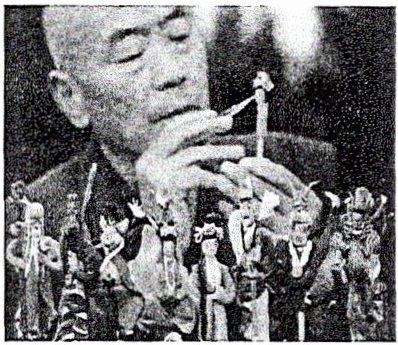
The history of dough figures is very long. They can be traced back to the Han Dynasty. At first, people made dough figures for religious purposes. As time passed, making dough figures became a popular art form. In different parts of China, there are different styles of dough figures. For example, in the north, the dough figures are usually bigger and more simple in shape. In the south, they are smaller and more delicate (精致的).
Making dough figures is not easy. First, the dough needs to be prepared carefully. Then, the artist uses his or her hands to shape the basic shape. After that, small details like eyes, noses, and clothes are added. Sometimes, tools like small knives and combs are used to make the figures look more real.
These figures are not just pretty—they carry special meanings. A fish-shaped dough figure means a "rich life," and a peach-shaped one means "long life." During holidays like Chinese New Year or birthdays, people give dough figures as gifts to share good wishes.
Today, dough figures are not only works of art but also popular souvenirs (纪念品). When visitors visit China, they often buy dough figures as gifts. These little figures carry the rich culture and history of China. They are like small messengers (信使), telling the world about the amazing Chinese traditional art.
(
A. In the Song Dynasty.
B. In the Ming Dynasty.
C. In the Han Dynasty.
D. In the Tang Dynasty.
(
A. Northern ones are smaller and more delicate.
B. Northern ones are bigger and more simple.
C. Southern ones are bigger and more delicate.
D. Southern ones are smaller and more simple.
(

(
A. Dough figures carry great cultural value.
B. Making dough figures needs special tools.
C. Most Chinese are able to make dough figures.
D. Most dough figures are in the shape of animals.
Dough figures, also known as "mianren" in Chinese, are a special part of traditional Chinese art. They are made of dough, which is a mixture of flour (面粉), water, and sometimes coloring. People use their hands and simple tools to shape the dough into different figures, like flowers, animals, and even people from stories.
The history of dough figures is very long. They can be traced back to the Han Dynasty. At first, people made dough figures for religious purposes. As time passed, making dough figures became a popular art form. In different parts of China, there are different styles of dough figures. For example, in the north, the dough figures are usually bigger and more simple in shape. In the south, they are smaller and more delicate (精致的).
Making dough figures is not easy. First, the dough needs to be prepared carefully. Then, the artist uses his or her hands to shape the basic shape. After that, small details like eyes, noses, and clothes are added. Sometimes, tools like small knives and combs are used to make the figures look more real.
These figures are not just pretty—they carry special meanings. A fish-shaped dough figure means a "rich life," and a peach-shaped one means "long life." During holidays like Chinese New Year or birthdays, people give dough figures as gifts to share good wishes.
Today, dough figures are not only works of art but also popular souvenirs (纪念品). When visitors visit China, they often buy dough figures as gifts. These little figures carry the rich culture and history of China. They are like small messengers (信使), telling the world about the amazing Chinese traditional art.
(
C
) 1. When did dough figures first appear (出现)?A. In the Song Dynasty.
B. In the Ming Dynasty.
C. In the Han Dynasty.
D. In the Tang Dynasty.
(
B
) 2. What is the difference (不同之处) between northern and southern dough figures?A. Northern ones are smaller and more delicate.
B. Northern ones are bigger and more simple.
C. Southern ones are bigger and more delicate.
D. Southern ones are smaller and more simple.
(
B
) 3. Which of the following dough figures means a rich life?(
A
) 4. What can we know from the passage?A. Dough figures carry great cultural value.
B. Making dough figures needs special tools.
C. Most Chinese are able to make dough figures.
D. Most dough figures are in the shape of animals.
答案
1.C 2.B 3.B 4.A
解析
【分析】
这是一篇介绍中国传统民间艺术面塑的说明文,解题时可以用细节定位法逐个突破:
1. 第1题提取题干关键词“面塑首次出现的朝代”,回到介绍面塑历史的段落定位时间相关描述,就能快速匹配答案;
2. 第2题提取题干关键词“南北方面塑的差异”,回到介绍不同地域面塑风格的段落,比对南北面塑的特征描述,就能选出对应选项;
3. 第3题提取题干关键词“代表富足生活的面塑”,回到介绍面塑寓意的段落,找到对应寓意的造型,匹配插图选项即可;
4. 第4题属于信息判断题,把每个选项和原文内容逐一比对,排除和原文不符、无中生有的错误选项,就能选出正确答案。
【解析】
1. 定位原文第二段第二句"They can be traced back to the Han Dynasty.",可知面塑最早可追溯到汉代,对应选项C。
2. 定位原文第二段"For example, in the north, the dough figures are usually bigger and more simple in shape. In the south, they are smaller and more delicate.",可知北方面塑体型更大、造型更简约,南方面塑更小更精致,对应选项B。
3. 定位原文第四段"A fish-shaped dough figure means a 'rich life'",可知鱼造型的面塑代表富足生活,对应插图选项B。
4. 逐一比对选项:
选项A:原文最后一段提到"These little figures carry the rich culture and history of China",说明面塑承载了丰富的中国文化和历史,具备很高的文化价值,表述正确;
选项B:原文第一段提到"People use their hands and simple tools",说明制作面塑仅需要简单工具,并非特殊工具,表述错误;
选项C:全文没有提及大部分中国人都能制作面塑,属于无中生有,表述错误;
选项D:原文第一段提到面塑可以做成花、动物甚至故事人物的造型,并没有说明大多数面塑都是动物造型,表述错误。因此第4题选A。
【答案】
1.C 2.B 3.B 4.A
【知识点】
阅读细节定位,说明文信息提取,面塑文化常识
【点评】
本题选用融入中国传统文化的语篇,既考察学生的基础英语信息读取能力,也渗透了传统民间艺术相关文化知识,引导学生了解本土文化,多数题目为基础细节题,仅最后一题需要做信息正误判断,整体难度适中。
【难度系数】
0.75
这是一篇介绍中国传统民间艺术面塑的说明文,解题时可以用细节定位法逐个突破:
1. 第1题提取题干关键词“面塑首次出现的朝代”,回到介绍面塑历史的段落定位时间相关描述,就能快速匹配答案;
2. 第2题提取题干关键词“南北方面塑的差异”,回到介绍不同地域面塑风格的段落,比对南北面塑的特征描述,就能选出对应选项;
3. 第3题提取题干关键词“代表富足生活的面塑”,回到介绍面塑寓意的段落,找到对应寓意的造型,匹配插图选项即可;
4. 第4题属于信息判断题,把每个选项和原文内容逐一比对,排除和原文不符、无中生有的错误选项,就能选出正确答案。
【解析】
1. 定位原文第二段第二句"They can be traced back to the Han Dynasty.",可知面塑最早可追溯到汉代,对应选项C。
2. 定位原文第二段"For example, in the north, the dough figures are usually bigger and more simple in shape. In the south, they are smaller and more delicate.",可知北方面塑体型更大、造型更简约,南方面塑更小更精致,对应选项B。
3. 定位原文第四段"A fish-shaped dough figure means a 'rich life'",可知鱼造型的面塑代表富足生活,对应插图选项B。
4. 逐一比对选项:
选项A:原文最后一段提到"These little figures carry the rich culture and history of China",说明面塑承载了丰富的中国文化和历史,具备很高的文化价值,表述正确;
选项B:原文第一段提到"People use their hands and simple tools",说明制作面塑仅需要简单工具,并非特殊工具,表述错误;
选项C:全文没有提及大部分中国人都能制作面塑,属于无中生有,表述错误;
选项D:原文第一段提到面塑可以做成花、动物甚至故事人物的造型,并没有说明大多数面塑都是动物造型,表述错误。因此第4题选A。
【答案】
1.C 2.B 3.B 4.A
【知识点】
阅读细节定位,说明文信息提取,面塑文化常识
【点评】
本题选用融入中国传统文化的语篇,既考察学生的基础英语信息读取能力,也渗透了传统民间艺术相关文化知识,引导学生了解本土文化,多数题目为基础细节题,仅最后一题需要做信息正误判断,整体难度适中。
【难度系数】
0.75
