

 登录
登录
Ⅰ. 判断下列图片与句意是“T”否“F”相符。
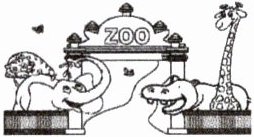
(
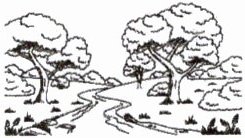
(
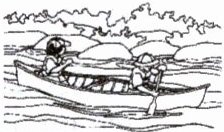
(
(
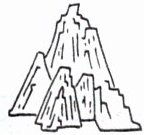
(
F
) 1. Children, let's go to the forest. (
T
) 2. There is a river in the forest. (
T
) 3. Let's go boating. (
F
) 4. — Is there a lake? — Yes, there is. 答案
FTTF
解析
1. 图1显示“ZOO”(动物园),句意为“孩子们,我们去森林吧”,不相符,故F。2. 图2中有河流在森林里,句意为“森林里有一条河”,相符,故T。3. 图3有人在划船,句意为“我们去划船吧”,相符,故T。4. 图4是山,句意为“—有湖吗?—是的,有”,不相符,故F。
Ⅱ. 根据句意及基本语法知识,将正确选项的序号填入括号内。
(
A. going B. go C. goes
(
A. am B. is C. are
(
A. am B. is C. are
(
B
) 1. Children, let's ______ to the forest!A. going B. go C. goes
(
B
) 2. There ______ a lake near our school. It's big.A. am B. is C. are
(
C
) 3. There ______ some ducks on the lake.A. am B. is C. are
答案
1. B
2. B
3. C
2. B
3. C
解析
1. 本题考查let's的用法。let's是let us的缩写,其后接动词原形,表示“让我们做某事”。因此,选项A的going是动词的现在分词形式,选项C的goes是动词的第三人称单数形式,均不符合语法规则。只有选项B的go是动词原形,符合let's的用法。
2. 本题考查there be句型的就近原则。there be句型表示“某地有某物”,be动词的形式由离它最近的主语决定。本句中主语a lake是单数形式,因此be动词应用is。选项A的am用于第一人称单数,选项C的are用于复数形式,均不符合语法规则。
3. 本题同样考查there be句型的就近原则。本句中主语some ducks是复数形式,因此be动词应用are。选项A的am用于第一人称单数,选项B的is用于单数形式,均不符合语法规则。
2. 本题考查there be句型的就近原则。there be句型表示“某地有某物”,be动词的形式由离它最近的主语决定。本句中主语a lake是单数形式,因此be动词应用is。选项A的am用于第一人称单数,选项C的are用于复数形式,均不符合语法规则。
3. 本题同样考查there be句型的就近原则。本句中主语some ducks是复数形式,因此be动词应用are。选项A的am用于第一人称单数,选项B的is用于单数形式,均不符合语法规则。
Ⅲ. Mike 邀请 John 参观他居住的村庄,John 正在询问村庄的相关信息。选择合适的选项,补全对话。
Mike: I live in a village. It's very beautiful.
John: Is there a lake?
Mike: 1.
John: 2.
Mike: No, there aren't any bridges.
John: Are there any trees in your village?
Mike: 3.
John: 4.
Mike: No, there aren't. There are only small houses.
A. Are there any bridges?
B. Yes, there are.
C. Are there any tall buildings?
D. Yes, there is.
Mike: I live in a village. It's very beautiful.
John: Is there a lake?
Mike: 1.
D
John: 2.
A
Mike: No, there aren't any bridges.
John: Are there any trees in your village?
Mike: 3.
B
John: 4.
C
Mike: No, there aren't. There are only small houses.
A. Are there any bridges?
B. Yes, there are.
C. Are there any tall buildings?
D. Yes, there is.
答案
1. D
2. A
3. B
4. C
2. A
3. B
4. C
