

 登录
登录
四、阅读理解。(2025·江苏宿迁)
Among all types of paper, xuanzhi has earned a special place in Chinese culture. The history of xuanzhi dates back to the Tang Dynasty. At that time, paper was produced in Xuancheng, Jingxian, Ningguo and Taiping. They were counties(县)under the jurisdiction(管辖范围)of Xuanzhou. Among them, the paper made in Jingxian was the best for its excellent qualities. Since most paper distribution(分发)centres were in Xuancheng, the paper was then known as xuanzhi.
Xuanzhi is made from the bark(树皮)of the blue sandalwood tree(檀香木树)and rice straw. The process(过程)of making it includes many procedures like washing, boiling, and drying. Each step needs a lot of time and care. The final product is soft, thin but strong. It doesn't tear(扯破)easily and can take in a lot of ink. Because of these qualities, xuanzhi has been loved by painters and calligraphers. It helps them fully express their creative ideas and feelings.
Xuanzhi is not only a material for art but also a cultural symbol. It represents the rich heritage(遗产)of the arts in Chinese history. Even in today's modern world, xuanzhi continues to hold an important position in Chinese art and cultural traditions. It serves as a bridge connecting the past with the present, allowing modern artists to look for good ideas from history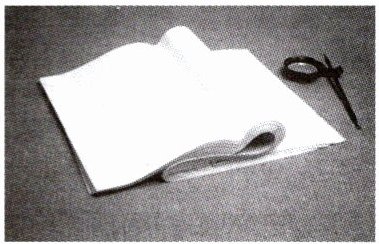
while creating new works. The special treasures of xuanzhi ensure that the beauty of Chinese calligraphy and painting can remain and can be passed down through generations.
(
A. Jingxian. B. Taiping. C. Ningguo. D. Xuancheng.
(
A. Materials. B. Steps. C. Counties. D. Thoughts.
(
A. Because of the price. B. Because of the size.
C. Because of the qualities. D. Because of the colour.
(
A. The types of xuanzhi. B. The value of xuanzhi.
C. The weight of xuanzhi. D. The ways of making xuanzhi.
Among all types of paper, xuanzhi has earned a special place in Chinese culture. The history of xuanzhi dates back to the Tang Dynasty. At that time, paper was produced in Xuancheng, Jingxian, Ningguo and Taiping. They were counties(县)under the jurisdiction(管辖范围)of Xuanzhou. Among them, the paper made in Jingxian was the best for its excellent qualities. Since most paper distribution(分发)centres were in Xuancheng, the paper was then known as xuanzhi.
Xuanzhi is made from the bark(树皮)of the blue sandalwood tree(檀香木树)and rice straw. The process(过程)of making it includes many procedures like washing, boiling, and drying. Each step needs a lot of time and care. The final product is soft, thin but strong. It doesn't tear(扯破)easily and can take in a lot of ink. Because of these qualities, xuanzhi has been loved by painters and calligraphers. It helps them fully express their creative ideas and feelings.
Xuanzhi is not only a material for art but also a cultural symbol. It represents the rich heritage(遗产)of the arts in Chinese history. Even in today's modern world, xuanzhi continues to hold an important position in Chinese art and cultural traditions. It serves as a bridge connecting the past with the present, allowing modern artists to look for good ideas from history
while creating new works. The special treasures of xuanzhi ensure that the beauty of Chinese calligraphy and painting can remain and can be passed down through generations.
(
A
)1. Where was the best xuanzhi made according to the passage?A. Jingxian. B. Taiping. C. Ningguo. D. Xuancheng.
(
B
)2. What does the underlined word "procedures" in Paragraph 2 probably mean?A. Materials. B. Steps. C. Counties. D. Thoughts.
(
C
)3. Why has xuanzhi been loved by painters and calligraphers?A. Because of the price. B. Because of the size.
C. Because of the qualities. D. Because of the colour.
(
B
)4. What does Paragraph 3 mainly talk about?A. The types of xuanzhi. B. The value of xuanzhi.
C. The weight of xuanzhi. D. The ways of making xuanzhi.
答案
1. A 【点拨】根据“Among them, the paper made in Jingxian was the best for its excellent qualities.”可知,泾县制作的宣纸是最好的。故选 A。
2. B 【点拨】根据“The process(过程)of making it includes many procedures like washing, boiling, and drying.”可知,“procedures”在这里指的是制作宣纸过程中的步骤,与“steps”意思相近。故选 B。
3. C 【点拨】根据第二段内容可知,宣纸因其优良的特性受到画家和书法家的喜爱。故选 C。
4. B 【点拨】根据第三段内容可知,宣纸不仅是艺术材料,还是文化象征,连接过去与现在,并传承中国书法和绘画的美。因此,本段主要讨论宣纸的文化价值。故选 B。
2. B 【点拨】根据“The process(过程)of making it includes many procedures like washing, boiling, and drying.”可知,“procedures”在这里指的是制作宣纸过程中的步骤,与“steps”意思相近。故选 B。
3. C 【点拨】根据第二段内容可知,宣纸因其优良的特性受到画家和书法家的喜爱。故选 C。
4. B 【点拨】根据第三段内容可知,宣纸不仅是艺术材料,还是文化象征,连接过去与现在,并传承中国书法和绘画的美。因此,本段主要讨论宣纸的文化价值。故选 B。
解析
【分析】
本题为英语阅读理解题,涵盖细节理解、词义猜测、主旨大意三类题型,解题思路为:1. 第1题定位原文第一段关于最佳宣纸产地的表述;2. 第2题结合制作过程的举例猜测词义;3. 第3题定位第二段宣纸受喜爱的原因;4. 第4题概括第三段核心内容。
【解析】
1. 根据第一段“Among them, the paper made in Jingxian was the best for its excellent qualities.”可知,最佳宣纸产自泾县,故选A。
2. 根据第二段“The process of making it includes many procedures like washing, boiling, and drying.”,制作过程包含洗、煮、烘干等环节,可推断“procedures”意为“步骤”,故选B。
3. 根据第二段“Because of these qualities, xuanzhi has been loved by painters and calligraphers.”可知,宣纸因优良特性受喜爱,故选C。
4. 第三段主要讲述宣纸是艺术材料也是文化象征,连接过去与现在,传承中国书画之美,核心是宣纸的价值,故选B。
【答案】
1.A 2.B 3.C 4.B
【知识点】
英语阅读理解、细节理解、词义猜测
【点评】
本题围绕宣纸展开,考查学生的阅读定位、词义推断和主旨概括能力,题型基础,贴合初中英语阅读考点。
【难度系数】
0.5
本题为英语阅读理解题,涵盖细节理解、词义猜测、主旨大意三类题型,解题思路为:1. 第1题定位原文第一段关于最佳宣纸产地的表述;2. 第2题结合制作过程的举例猜测词义;3. 第3题定位第二段宣纸受喜爱的原因;4. 第4题概括第三段核心内容。
【解析】
1. 根据第一段“Among them, the paper made in Jingxian was the best for its excellent qualities.”可知,最佳宣纸产自泾县,故选A。
2. 根据第二段“The process of making it includes many procedures like washing, boiling, and drying.”,制作过程包含洗、煮、烘干等环节,可推断“procedures”意为“步骤”,故选B。
3. 根据第二段“Because of these qualities, xuanzhi has been loved by painters and calligraphers.”可知,宣纸因优良特性受喜爱,故选C。
4. 第三段主要讲述宣纸是艺术材料也是文化象征,连接过去与现在,传承中国书画之美,核心是宣纸的价值,故选B。
【答案】
1.A 2.B 3.C 4.B
【知识点】
英语阅读理解、细节理解、词义猜测
【点评】
本题围绕宣纸展开,考查学生的阅读定位、词义推断和主旨概括能力,题型基础,贴合初中英语阅读考点。
【难度系数】
0.5
