

 登录
登录
() 3. —Mary, how about to the library?
—Good idea. We can read lots of books there.
A.go
B.going
C.goes
D.went
—Good idea. We can read lots of books there.
A.go
B.going
C.goes
D.went
答案
B
解析
本题考查固定搭配用法,how about 是用于提建议的常用结构,其中about是介词,介词后接动词时需要使用动名词(动词-ing)形式,因此空处应填入going。
Ⅱ.根据句意,用括号中所给词的适当形式
填空
1. I went to school after eating two of rice. (bowl)
2. In summer, the house up like an oven. (heat)
3. You need to prepare all the before starting to cook. (ingredient)
4. This maths problem is really . I can solve it in a minute. (simple)
5. The teacher gave us clear on how to do homework. (instruction)
6. Add some to the pan before you start frying the eggs. (oil)
7. We would like to have fish for lunch. (steam)
8. Everything looks so . I can't decide what to have. (well)
9. My mother wants some vegetables for dinner. (stir-fry)
10. You should buy some essentials(必需品), such as pots, and dishes. (pan)
填空
1. I went to school after eating two of rice. (bowl)
2. In summer, the house up like an oven. (heat)
3. You need to prepare all the before starting to cook. (ingredient)
4. This maths problem is really . I can solve it in a minute. (simple)
5. The teacher gave us clear on how to do homework. (instruction)
6. Add some to the pan before you start frying the eggs. (oil)
7. We would like to have fish for lunch. (steam)
8. Everything looks so . I can't decide what to have. (well)
9. My mother wants some vegetables for dinner. (stir-fry)
10. You should buy some essentials(必需品), such as pots, and dishes. (pan)
答案
1. bowls
2. heats
3. ingredients
4. simple
5. instructions
6. oil
7. steamed
8. good
9. to stir-fry
10. pans
2. heats
3. ingredients
4. simple
5. instructions
6. oil
7. steamed
8. good
9. to stir-fry
10. pans
解析
1. 考点:可数名词复数。空前有数词two,后接可数名词bowl的复数形式bowls,two bowls of rice意为“两碗米饭”。
2. 考点:一般现在时谓语变形。主语the house是第三人称单数,句子描述夏季的客观常态用一般现在时,heat up(变热)的谓语动词用第三人称单数形式heats。
3. 考点:可数名词复数。all后接可数名词时需用复数形式,ingredient的复数是ingredients,表示所有食材。
4. 考点:形容词作表语。be动词is后需要形容词作表语,simple本身是形容词,意为“简单的”,符合“一分钟就能解出题目”的语境。
5. 考点:名词复数。instruction表示“操作指示、说明”时常用复数形式,clear instructions意为“清晰的要求/说明”。
6. 考点:不可数名词用法。oil是不可数名词,some后可直接接原形oil,无需变形。
7. 考点:形容词作定语。此处需要形容词修饰名词fish,steam的形容词形式steamed意为“清蒸的”,steamed fish是固定表达“清蒸鱼”。
8. 考点:形容词作表语。感官系动词look后接形容词作表语,well作形容词仅表示“身体好”,此处表示食物看起来很诱人,用对应的形容词good。
9. 考点:固定搭配want to do sth。want后接不定式作宾语,所以填to stir-fry,符合“想要炒蔬菜”的句意。
10. 考点:可数名词复数。此处和并列的pots、dishes保持形式一致,都用复数名词,pan的复数形式是pans。
2. 考点:一般现在时谓语变形。主语the house是第三人称单数,句子描述夏季的客观常态用一般现在时,heat up(变热)的谓语动词用第三人称单数形式heats。
3. 考点:可数名词复数。all后接可数名词时需用复数形式,ingredient的复数是ingredients,表示所有食材。
4. 考点:形容词作表语。be动词is后需要形容词作表语,simple本身是形容词,意为“简单的”,符合“一分钟就能解出题目”的语境。
5. 考点:名词复数。instruction表示“操作指示、说明”时常用复数形式,clear instructions意为“清晰的要求/说明”。
6. 考点:不可数名词用法。oil是不可数名词,some后可直接接原形oil,无需变形。
7. 考点:形容词作定语。此处需要形容词修饰名词fish,steam的形容词形式steamed意为“清蒸的”,steamed fish是固定表达“清蒸鱼”。
8. 考点:形容词作表语。感官系动词look后接形容词作表语,well作形容词仅表示“身体好”,此处表示食物看起来很诱人,用对应的形容词good。
9. 考点:固定搭配want to do sth。want后接不定式作宾语,所以填to stir-fry,符合“想要炒蔬菜”的句意。
10. 考点:可数名词复数。此处和并列的pots、dishes保持形式一致,都用复数名词,pan的复数形式是pans。
Ⅲ.将下列句子中汉语部分译成英语,注意使用适当的形式
1. Don't milk juice. (把……和……混合)
2. Please the dictionary where it was. (将……放回)
3. The Sichuan is very delicious. (酸辣汤)
4. can we do to stop food waste? (还有什么其他的)
5. Let's talk about what to the books. (处理)
1. Don't milk juice. (把……和……混合)
2. Please the dictionary where it was. (将……放回)
3. The Sichuan is very delicious. (酸辣汤)
4. can we do to stop food waste? (还有什么其他的)
5. Let's talk about what to the books. (处理)
答案
1. mix; with
2. put; back
3. hot and sour soup
4. What else
5. do with
2. put; back
3. hot and sour soup
4. What else
5. do with
解析
1. 考查固定搭配mix...with...,意为“把……和……混合”,祈使句Don't后接动词原形,所以两空分别填动词原形mix和介词with。
2. 考查固定搭配put...back,意为“将……放回”,please引导的祈使句后接动词原形,所以两空分别填动词原形put和副词back。
3. 考查固定食物名称翻译,“酸辣汤”的标准英文表达为hot and sour soup。
4. 考查else的用法,“还有什么其他的”修饰疑问代词what,else要放在疑问词之后,填What else。
5. 考查固定搭配do with,意为“处理”,常和疑问词what搭配使用,不定式符号to后接动词原形。
2. 考查固定搭配put...back,意为“将……放回”,please引导的祈使句后接动词原形,所以两空分别填动词原形put和副词back。
3. 考查固定食物名称翻译,“酸辣汤”的标准英文表达为hot and sour soup。
4. 考查else的用法,“还有什么其他的”修饰疑问代词what,else要放在疑问词之后,填What else。
5. 考查固定搭配do with,意为“处理”,常和疑问词what搭配使用,不定式符号to后接动词原形。
Ⅰ. 阅读理解
Hello! My name is Alice. Do you want to know anything about Chinese food? In China, there are many different kinds of food. Some of them are very popular. Among them, I think dumplings are the real Chinese food.
Everyone in China likes dumplings very much, and there are many different kinds of dumplings. Some have beef and vegetables in them, and some have eggs and carrots in them. But I love eating dumplings with vegetables and fish.
Usually people make dumplings at home. If you have no time to make them, you can buy them in a supermarket. Then you can take them home to boil and eat them with vinegar(醋).
The Spring Festival is very important in China. When it comes, we make dumplings, and usually we put a coin(硬币) in a dumpling. We think if one eats the dumpling with the coin in it, he or she will be lucky in the new year.
Welcome to China. I'll invite you to eat the real Chinese food with me.
() 1. Alice likes dumplings with .
A. beef and vegetables
B. eggs and carrots
C. vegetables and fish
D. mutton and carrots
() 2. Why do people put a coin in a dumpling?
A. Because it is good for health.
B. Because they think eating it can bring good luck.
C. Because it is the real Chinese food.
D. Because they have many coins.
() 3. Which of the following is TRUE according to the passage?
A. Alice is in China.
B. Alice eats dumplings with vinegar.
C. People eat dumplings only during the Spring Festival.
D. Chinese people can't make dumplings at home.
() 4. Which is the structure of the passage?
(①=Paragraph1, ②=Paragraph2...)
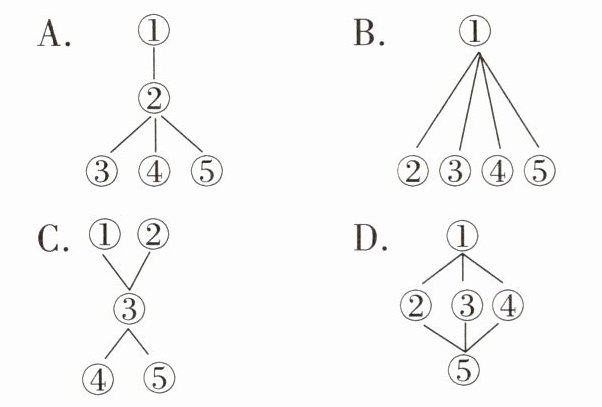
() 5. Which can be the best title for the passage?
A. The Spring Festival
B. Alice’s Favourite Food
C. The Real Chinese Food
D. Dumplings with Coins
Hello! My name is Alice. Do you want to know anything about Chinese food? In China, there are many different kinds of food. Some of them are very popular. Among them, I think dumplings are the real Chinese food.
Everyone in China likes dumplings very much, and there are many different kinds of dumplings. Some have beef and vegetables in them, and some have eggs and carrots in them. But I love eating dumplings with vegetables and fish.
Usually people make dumplings at home. If you have no time to make them, you can buy them in a supermarket. Then you can take them home to boil and eat them with vinegar(醋).
The Spring Festival is very important in China. When it comes, we make dumplings, and usually we put a coin(硬币) in a dumpling. We think if one eats the dumpling with the coin in it, he or she will be lucky in the new year.
Welcome to China. I'll invite you to eat the real Chinese food with me.
() 1. Alice likes dumplings with .
A. beef and vegetables
B. eggs and carrots
C. vegetables and fish
D. mutton and carrots
() 2. Why do people put a coin in a dumpling?
A. Because it is good for health.
B. Because they think eating it can bring good luck.
C. Because it is the real Chinese food.
D. Because they have many coins.
() 3. Which of the following is TRUE according to the passage?
A. Alice is in China.
B. Alice eats dumplings with vinegar.
C. People eat dumplings only during the Spring Festival.
D. Chinese people can't make dumplings at home.
() 4. Which is the structure of the passage?
(①=Paragraph1, ②=Paragraph2...)
() 5. Which can be the best title for the passage?
A. The Spring Festival
B. Alice’s Favourite Food
C. The Real Chinese Food
D. Dumplings with Coins
答案
1.C 2.B 3.A 4.D 5.C
解析
1. 细节理解题。定位原文第二段最后一句"But I love eating dumplings with vegetables and fish.",可直接找到Alice喜欢吃蔬菜鱼肉馅的饺子,对应答案C。
2. 细节理解题。定位原文第四段最后一句"We think if one eats the dumpling with the coin in it, he or she will be lucky in the new year.",可知人们往饺子里放硬币是认为吃到包硬币的饺子的人会在新的一年收获好运,对应答案B。
3. 细节理解题。逐一核对选项:A选项,文中介绍中国相关习俗时使用"we"指代包括自己在内的中国人,文末邀请他人来中国品尝美食,可推知Alice身处中国,表述正确;B选项,文中仅提到人们通常煮饺子配醋吃,并未明确说明Alice本人吃饺子配醋,表述错误;C选项,文中没有提到人们只在春节吃饺子,不符合文意,表述错误;D选项,原文提到"Usually people make dumplings at home.",和选项描述完全相反,表述错误。因此选A。
4. 文章结构题。本文第一段总起,点明饺子是真正的中国美食;第二、三、四段分别从饺子的馅料种类、制作食用方法、春节相关习俗三个方面分述介绍饺子;第五段收尾总结,呼应开头邀请大家来品尝饺子,属于总分总结构,对应选项D。
5. 主旨大意题。全文围绕“饺子是真正的中国食物”这一核心展开介绍,所有内容都围绕饺子这一代表中国的美食展开,因此最佳标题是The Real Chinese Food,选C。
2. 细节理解题。定位原文第四段最后一句"We think if one eats the dumpling with the coin in it, he or she will be lucky in the new year.",可知人们往饺子里放硬币是认为吃到包硬币的饺子的人会在新的一年收获好运,对应答案B。
3. 细节理解题。逐一核对选项:A选项,文中介绍中国相关习俗时使用"we"指代包括自己在内的中国人,文末邀请他人来中国品尝美食,可推知Alice身处中国,表述正确;B选项,文中仅提到人们通常煮饺子配醋吃,并未明确说明Alice本人吃饺子配醋,表述错误;C选项,文中没有提到人们只在春节吃饺子,不符合文意,表述错误;D选项,原文提到"Usually people make dumplings at home.",和选项描述完全相反,表述错误。因此选A。
4. 文章结构题。本文第一段总起,点明饺子是真正的中国美食;第二、三、四段分别从饺子的馅料种类、制作食用方法、春节相关习俗三个方面分述介绍饺子;第五段收尾总结,呼应开头邀请大家来品尝饺子,属于总分总结构,对应选项D。
5. 主旨大意题。全文围绕“饺子是真正的中国食物”这一核心展开介绍,所有内容都围绕饺子这一代表中国的美食展开,因此最佳标题是The Real Chinese Food,选C。
