

 登录
登录
基础知识巩固
一、用括号内所给单词的正确形式填空。
1. It is
2. It was
3. Listening to
4. The children were
5. You will easily become
一、用括号内所给单词的正确形式填空。
1. It is
embarrassing
to forget someone's name, and you will probably feel embarrassed
when you realize it. (embarrass)2. It was
surprising
to see people greeting each other by rubbing noses, and the local children were surprised
at our facial expressions. (surprise)3. Listening to
relaxing
music helps me feel more relaxed
after a long day at school. (relax)4. The children were
excited
about the exciting
stories that their grandfather told them about the history and customs of that country. (excite)5. You will easily become
bored
and lose interest in reading it if you find a book boring
. (bore)答案
1. embarrassing; embarrassed 2. surprising; surprised 3. relaxing; relaxed 4. excited; exciting 5. bored; boring
解析
【分析】
这道题考查同根的-ing和-ed类形容词的用法区分,解题的核心思路是先明确两类形容词的适用场景:第一步先判断空格处要修饰/描述的对象是事物还是人:如果是描述某件事、某个物品本身的属性,表达“令人产生某种感受的”含义,就用-ing结尾的形容词;如果是描述人的主观感受,表达“某人自己感到……的”含义,就用-ed结尾的形容词。之后逐句分析每个空格对应的描述对象,代入对应的变形即可得到正确答案。
【解析】
1. 第一空描述“忘记别人名字”这件事的属性,表达这件事是令人尴尬的,填embarrassing;第二空描述主语you(人)的主观感受,表达你会感到尴尬,填embarrassed。
2. 第一空描述“看到人们蹭鼻子打招呼”这件事的属性,表达这件事是令人惊讶的,填surprising;第二空描述主语local children(人)的感受,表达当地孩子对我们的面部表情感到惊讶,填surprised。
3. 第一空修饰后面的名词music,表达音乐具备令人放松的属性,填relaxing;第二空描述主语me(人)的感受,表达我感到更放松,填relaxed。
4. 第一空描述主语the children(人)的感受,表达孩子们感到兴奋,填excited;第二空修饰后面的名词stories,表达故事具备令人兴奋的属性,填exciting。
5. 第一空描述主语you(人)的感受,表达你会变得感到厌烦,填bored;第二空描述book(事物)的属性,表达书是令人厌烦的,填boring。
【答案】
1. embarrassing; embarrassed 2. surprising; surprised 3. relaxing; relaxed 4. excited; exciting 5. bored; boring
【知识点】
分词形容词辨析、形容词作表语、形容词作定语
【点评】
本题属于基础巩固类习题,针对性考察了初中阶段高频易混的-ing/-ed结尾同根形容词的用法差异,通过不同语境的反复练习,可以帮助学生快速区分“事物的属性”和“人的主观感受”两类描述场景,规避这类形容词的常见混用错误,夯实英语形容词基础用法。
【难度系数】
0.8
这道题考查同根的-ing和-ed类形容词的用法区分,解题的核心思路是先明确两类形容词的适用场景:第一步先判断空格处要修饰/描述的对象是事物还是人:如果是描述某件事、某个物品本身的属性,表达“令人产生某种感受的”含义,就用-ing结尾的形容词;如果是描述人的主观感受,表达“某人自己感到……的”含义,就用-ed结尾的形容词。之后逐句分析每个空格对应的描述对象,代入对应的变形即可得到正确答案。
【解析】
1. 第一空描述“忘记别人名字”这件事的属性,表达这件事是令人尴尬的,填embarrassing;第二空描述主语you(人)的主观感受,表达你会感到尴尬,填embarrassed。
2. 第一空描述“看到人们蹭鼻子打招呼”这件事的属性,表达这件事是令人惊讶的,填surprising;第二空描述主语local children(人)的感受,表达当地孩子对我们的面部表情感到惊讶,填surprised。
3. 第一空修饰后面的名词music,表达音乐具备令人放松的属性,填relaxing;第二空描述主语me(人)的感受,表达我感到更放松,填relaxed。
4. 第一空描述主语the children(人)的感受,表达孩子们感到兴奋,填excited;第二空修饰后面的名词stories,表达故事具备令人兴奋的属性,填exciting。
5. 第一空描述主语you(人)的感受,表达你会变得感到厌烦,填bored;第二空描述book(事物)的属性,表达书是令人厌烦的,填boring。
【答案】
1. embarrassing; embarrassed 2. surprising; surprised 3. relaxing; relaxed 4. excited; exciting 5. bored; boring
【知识点】
分词形容词辨析、形容词作表语、形容词作定语
【点评】
本题属于基础巩固类习题,针对性考察了初中阶段高频易混的-ing/-ed结尾同根形容词的用法差异,通过不同语境的反复练习,可以帮助学生快速区分“事物的属性”和“人的主观感受”两类描述场景,规避这类形容词的常见混用错误,夯实英语形容词基础用法。
【难度系数】
0.8
二、从方框中选择适当的短语并用其正确形式填空。
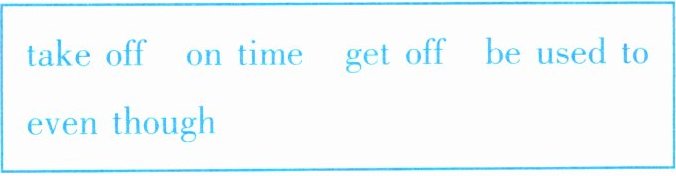
take off on time get off be used to even though
1. In Germany, it is very important to arrive
2.
3. The young man
4. In many countries, it's good manners to let passengers
5. After he moved to a new country, he
take off on time get off be used to even though
1. In Germany, it is very important to arrive
on time
for important meetings.2.
Even though
using chopsticks in China is challenging at first, many foreigners get interested in it and follow our custom.3. The young man
took off
his hat when he entered the room.4. In many countries, it's good manners to let passengers
get off
the train or bus before getting on.5. After he moved to a new country, he
was used to
its cultures and customs in a short time.答案
1. on time 2. Even though 3. took off 4. get off 5. was used to
解析
【分析】
首先先明确方框内所有备选短语的含义:take off(脱下/起飞)、on time(准时)、get off(下车/离开)、be used to(习惯于)、even though(尽管,引导让步状语从句)。解题时先通读每个句子,先判断句子的语义逻辑,匹配对应含义的短语,再结合句子的时态、固定搭配规则,将短语调整为正确的形式即可。
第1题:句子核心含义是“重要会议要按时抵达很重要”,直接匹配表“准时”的短语on time,无需变形。
第2题:前后两个分句是让步转折逻辑,前半句说“一开始用筷子很有挑战性”,后半句说“很多外国人对此感兴趣、遵守我们的习俗”,匹配引导让步状语从句的even though,注意句首首字母大写。
第3题:句意为“年轻人进房间时摘下帽子”,匹配take off表“脱下”的含义,从句中entered是一般过去时,因此take off要变为一般过去式took off。
第4题:句意为“上车前先让乘客下车是礼貌行为”,匹配get off表“下车”的含义,固定结构let sb. do sth. 要求动词用原形,因此直接填get off。
第5题:句意为“搬到新国家后,他很快就习惯了当地的文化习俗”,匹配be used to表“习惯于”的含义,句子描述过去发生的事,主语是he,be动词用过去式was,因此变为was used to。
【解析】
1. 句意:在德国,重要会议准时到场是非常重要的。on time意为“准时”,完全符合语境,无需变形直接填入。
2. 句意:尽管在中国用筷子一开始很有挑战性,很多外国人还是对它产生兴趣并遵从我们的习俗。前后分句为让步逻辑,even though意为“尽管”,用于引导让步状语从句,位于句首首字母需要大写。
3. 句意:这个年轻人走进房间的时候摘下了他的帽子。take off此处表示“脱下(帽子)”,从句谓语entered为一般过去时,主句动作也发生在过去,take的过去式为took,因此变形为took off。
4. 句意:在很多国家,上车前先让乘客下火车或公交车是有礼貌的行为。get off意为“下车”,固定搭配let sb. do sth. 后接动词原形,因此直接填get off。
5. 句意:在他搬到一个新的国家之后,他在很短的时间内就习惯了当地的文化和习俗。be used to意为“习惯于”,句子描述过去的事件,主语为he,be动词的过去式用was,因此变形为was used to。
【答案】
1. on time
2. Even though
3. took off
4. get off
5. was used to
【知识点】
动词短语辨析,让步状语从句,一般过去时
【点评】
本题考查初中阶段高频核心短语的应用,既要求学生准确掌握短语的基本含义,也需要结合句子的时态、固定搭配规则对短语进行正确变形,能够有效检验学生对短语的掌握熟练度。
【难度系数】
0.7
首先先明确方框内所有备选短语的含义:take off(脱下/起飞)、on time(准时)、get off(下车/离开)、be used to(习惯于)、even though(尽管,引导让步状语从句)。解题时先通读每个句子,先判断句子的语义逻辑,匹配对应含义的短语,再结合句子的时态、固定搭配规则,将短语调整为正确的形式即可。
第1题:句子核心含义是“重要会议要按时抵达很重要”,直接匹配表“准时”的短语on time,无需变形。
第2题:前后两个分句是让步转折逻辑,前半句说“一开始用筷子很有挑战性”,后半句说“很多外国人对此感兴趣、遵守我们的习俗”,匹配引导让步状语从句的even though,注意句首首字母大写。
第3题:句意为“年轻人进房间时摘下帽子”,匹配take off表“脱下”的含义,从句中entered是一般过去时,因此take off要变为一般过去式took off。
第4题:句意为“上车前先让乘客下车是礼貌行为”,匹配get off表“下车”的含义,固定结构let sb. do sth. 要求动词用原形,因此直接填get off。
第5题:句意为“搬到新国家后,他很快就习惯了当地的文化习俗”,匹配be used to表“习惯于”的含义,句子描述过去发生的事,主语是he,be动词用过去式was,因此变为was used to。
【解析】
1. 句意:在德国,重要会议准时到场是非常重要的。on time意为“准时”,完全符合语境,无需变形直接填入。
2. 句意:尽管在中国用筷子一开始很有挑战性,很多外国人还是对它产生兴趣并遵从我们的习俗。前后分句为让步逻辑,even though意为“尽管”,用于引导让步状语从句,位于句首首字母需要大写。
3. 句意:这个年轻人走进房间的时候摘下了他的帽子。take off此处表示“脱下(帽子)”,从句谓语entered为一般过去时,主句动作也发生在过去,take的过去式为took,因此变形为took off。
4. 句意:在很多国家,上车前先让乘客下火车或公交车是有礼貌的行为。get off意为“下车”,固定搭配let sb. do sth. 后接动词原形,因此直接填get off。
5. 句意:在他搬到一个新的国家之后,他在很短的时间内就习惯了当地的文化和习俗。be used to意为“习惯于”,句子描述过去的事件,主语为he,be动词的过去式用was,因此变形为was used to。
【答案】
1. on time
2. Even though
3. took off
4. get off
5. was used to
【知识点】
动词短语辨析,让步状语从句,一般过去时
【点评】
本题考查初中阶段高频核心短语的应用,既要求学生准确掌握短语的基本含义,也需要结合句子的时态、固定搭配规则对短语进行正确变形,能够有效检验学生对短语的掌握熟练度。
【难度系数】
0.7
三、从 unless、so...that、as soon as 中选择恰当的连词将两个句子合并为一句。
1. The dog ran to the door. It heard its owner's voice.
2. Birds won't fly south. The weather gets cold.
3. She was excited. She couldn't sleep well before the trip.
4. Don't cross the road. The traffic light is green.
5. The maths problem was difficult. Few students could solve it.
1. The dog ran to the door. It heard its owner's voice.
The dog ran to the door as soon as it heard its owner's voice.
2. Birds won't fly south. The weather gets cold.
Birds won't fly south unless the weather gets cold.
3. She was excited. She couldn't sleep well before the trip.
She was so excited that she couldn't sleep well before the trip.
4. Don't cross the road. The traffic light is green.
Don't cross the road unless the traffic light is green.
5. The maths problem was difficult. Few students could solve it.
The maths problem was so difficult that few students could solve it.
答案
1. The dog ran to the door as soon as it heard its owner's voice. 2. Birds won't fly south unless the weather gets cold. 3. She was so excited that she couldn't sleep well before the trip. 4. Don't cross the road unless the traffic light is green. 5. The maths problem was so difficult that few students could solve it.
解析
【分析】
首先先明确题干给出的三个连词的核心含义和适用场景:①as soon as意为“一……就……”,用于描述两个先后紧接着发生的动作,引导时间状语从句;②unless意为“除非/如果不”,用于描述条件关系,引导条件状语从句;③so...that意为“如此……以至于……”,用于描述前项程度过高带来的后项结果,引导结果状语从句。解题时逐题分析两个分句的内在逻辑关系,匹配对应连词,再将两个分句组合为符合语法的主从复合句即可:第1题两个动作是即时先后关系,选as soon as;第2题是“只有天气变冷鸟才会南飞”的条件关系,选unless;第3题是兴奋的程度过高导致睡不好的结果关系,选so...that;第4题是“只有绿灯才能过马路”的条件关系,选unless;第5题是题目难度过高导致没人能解的结果关系,选so...that。
【解析】
1. 两个分句为“狗听到主人声音后立刻跑向门”的即时先后逻辑,用as soon as连接两个分句,得到正确复合句。
2. 两个分句为“除非天气变冷,否则鸟不会南飞”的条件逻辑,用unless连接两个分句,得到正确复合句。
3. 两个分句为“她太过兴奋,以至于旅行前睡不好”的程度-结果逻辑,使用so...that结构,将形容词excited放在so之后,连接两个分句得到正确复合句。
4. 两个分句为“除非交通灯变绿,否则不要过马路”的条件逻辑,用unless连接两个分句,得到正确复合句。
5. 两个分句为“这道数学题太难,以至于几乎没有学生能解出来”的程度-结果逻辑,使用so...that结构,将形容词difficult放在so之后,连接两个分句得到正确复合句。
【答案】
1. The dog ran to the door as soon as it heard its owner's voice.
2. Birds won't fly south unless the weather gets cold.
3. She was so excited that she couldn't sleep well before the trip.
4. Don't cross the road unless the traffic light is green.
5. The maths problem was so difficult that few students could solve it.
【知识点】
状语从句连词辨析,条件状语从句,结果状语从句
【点评】
本题限定了可选连词的范围,降低了选择难度,核心考察学生对三个高频状语从句连词的语义、逻辑适配场景的掌握,只要能准确判断两个分句的内在逻辑关系就能顺利完成合并,易错点是容易把unless引导的反向条件逻辑写反,解题时可以先把unless替换为if...not代入句子验证逻辑是否通顺。
【难度系数】
0.8
首先先明确题干给出的三个连词的核心含义和适用场景:①as soon as意为“一……就……”,用于描述两个先后紧接着发生的动作,引导时间状语从句;②unless意为“除非/如果不”,用于描述条件关系,引导条件状语从句;③so...that意为“如此……以至于……”,用于描述前项程度过高带来的后项结果,引导结果状语从句。解题时逐题分析两个分句的内在逻辑关系,匹配对应连词,再将两个分句组合为符合语法的主从复合句即可:第1题两个动作是即时先后关系,选as soon as;第2题是“只有天气变冷鸟才会南飞”的条件关系,选unless;第3题是兴奋的程度过高导致睡不好的结果关系,选so...that;第4题是“只有绿灯才能过马路”的条件关系,选unless;第5题是题目难度过高导致没人能解的结果关系,选so...that。
【解析】
1. 两个分句为“狗听到主人声音后立刻跑向门”的即时先后逻辑,用as soon as连接两个分句,得到正确复合句。
2. 两个分句为“除非天气变冷,否则鸟不会南飞”的条件逻辑,用unless连接两个分句,得到正确复合句。
3. 两个分句为“她太过兴奋,以至于旅行前睡不好”的程度-结果逻辑,使用so...that结构,将形容词excited放在so之后,连接两个分句得到正确复合句。
4. 两个分句为“除非交通灯变绿,否则不要过马路”的条件逻辑,用unless连接两个分句,得到正确复合句。
5. 两个分句为“这道数学题太难,以至于几乎没有学生能解出来”的程度-结果逻辑,使用so...that结构,将形容词difficult放在so之后,连接两个分句得到正确复合句。
【答案】
1. The dog ran to the door as soon as it heard its owner's voice.
2. Birds won't fly south unless the weather gets cold.
3. She was so excited that she couldn't sleep well before the trip.
4. Don't cross the road unless the traffic light is green.
5. The maths problem was so difficult that few students could solve it.
【知识点】
状语从句连词辨析,条件状语从句,结果状语从句
【点评】
本题限定了可选连词的范围,降低了选择难度,核心考察学生对三个高频状语从句连词的语义、逻辑适配场景的掌握,只要能准确判断两个分句的内在逻辑关系就能顺利完成合并,易错点是容易把unless引导的反向条件逻辑写反,解题时可以先把unless替换为if...not代入句子验证逻辑是否通顺。
【难度系数】
0.8
四、先通读短文,掌握其大意,然后从 A、B、C、D 四个选项中选出一个可以填入相应空白处的最佳答案。
Amy moved to Beijing, China with her parents from Australia two weeks ago. They are trying to get used to the life in China now.
Last week, Amy's new friend Li Hua invited her to have dinner in his house. Li Hua's family were 1 dinner when Amy arrived. The family were cooking some delicious food. "You can help me 2 the table," Li Hua told Amy. They gave each person a pair of chopsticks, a soup bowl, a soup spoon and a rice bowl on a plate.
" 3 are the forks and knives?" Amy asked politely.
"Oh, you won't 4 those," Li Hua explained. "I will show you how to use 5."
Li Hua's mother put different foods into big plates. She 6 the kids to carry the plates out to the table. Amy carried roast duck. It was one of the few 7 she could recognize.
Amy was a little 8 about eating with chopsticks for the first time. Li Hua told her how to use them 9. Amy finally managed to hold the chopsticks. Just when she 10 a piece of chicken with chopsticks, her fingers suddenly lost control of them. Unluckily, the chicken flew across the table. It 11 into Li Hua's soup. Everyone at the table laughed. Li Hua's father kindly brought a fork and knife for Amy. Amy felt much more 12. She ate the rest of her dinner 13. All the dishes tasted delicious!
14 the end of the meal, Amy was given a fortune (幸运) cookie. She broke it open and read the small note inside, " 15 you practise hard, you will learn many things. " Amy laughed and said, "If you let me take home a pair of chopsticks, my fortune may come soon!"
()1. A. discussing B. ordering C. preparing D. eating
()2. A. set B. clean C. put D. move
()3. A. What B. Why C. How D. Where
()4. A. choose B. need C. prefer D. accept
()5. A. spoons B. plates C. chopsticks D. bowls
()6. A. made B. trained C. asked D. forced
()7. A. customs B. dishes C. animals D. shapes
()8. A. surprised B. nervous C. humorous D. pleased
()9. A. quietly B. generally C. especially D. carefully
()10. A. took up B. set up C. picked up D. put up
()11. A. stuck B. landed C. swam D. sent
()12. A. worried B. serious C. comfortable D. important
()13. A. easily B. painfully C. directly D. luckily
()14. A. By B. In C. On D. At
()15. A. Although B. If C. Since D. Until
Amy moved to Beijing, China with her parents from Australia two weeks ago. They are trying to get used to the life in China now.
Last week, Amy's new friend Li Hua invited her to have dinner in his house. Li Hua's family were 1 dinner when Amy arrived. The family were cooking some delicious food. "You can help me 2 the table," Li Hua told Amy. They gave each person a pair of chopsticks, a soup bowl, a soup spoon and a rice bowl on a plate.
" 3 are the forks and knives?" Amy asked politely.
"Oh, you won't 4 those," Li Hua explained. "I will show you how to use 5."
Li Hua's mother put different foods into big plates. She 6 the kids to carry the plates out to the table. Amy carried roast duck. It was one of the few 7 she could recognize.
Amy was a little 8 about eating with chopsticks for the first time. Li Hua told her how to use them 9. Amy finally managed to hold the chopsticks. Just when she 10 a piece of chicken with chopsticks, her fingers suddenly lost control of them. Unluckily, the chicken flew across the table. It 11 into Li Hua's soup. Everyone at the table laughed. Li Hua's father kindly brought a fork and knife for Amy. Amy felt much more 12. She ate the rest of her dinner 13. All the dishes tasted delicious!
14 the end of the meal, Amy was given a fortune (幸运) cookie. She broke it open and read the small note inside, " 15 you practise hard, you will learn many things. " Amy laughed and said, "If you let me take home a pair of chopsticks, my fortune may come soon!"
()1. A. discussing B. ordering C. preparing D. eating
()2. A. set B. clean C. put D. move
()3. A. What B. Why C. How D. Where
()4. A. choose B. need C. prefer D. accept
()5. A. spoons B. plates C. chopsticks D. bowls
()6. A. made B. trained C. asked D. forced
()7. A. customs B. dishes C. animals D. shapes
()8. A. surprised B. nervous C. humorous D. pleased
()9. A. quietly B. generally C. especially D. carefully
()10. A. took up B. set up C. picked up D. put up
()11. A. stuck B. landed C. swam D. sent
()12. A. worried B. serious C. comfortable D. important
()13. A. easily B. painfully C. directly D. luckily
()14. A. By B. In C. On D. At
()15. A. Although B. If C. Since D. Until
答案
1—5 CADBC 6—10 CBBDC 11—15 BCADB
解析
【分析】
这是一篇围绕中外饮食文化差异展开的记叙文完形填空,解题时首先要通读全文,抓住核心故事线:刚从澳大利亚搬到中国的Amy第一次去中国朋友家做客,体验用筷子吃饭的趣味经历。解题思路上优先结合上下文给出的提示信息排除不符合语境的选项,遇到拿不准的空可以先跳过,后续找到对应语境线索后再推导,最后把所有选项代入全文通读,验证逻辑通顺度,同时结合平时积累的固定搭配、词义辨析知识选出最佳答案。
【解析】
1. 根据后文“The family were cooking some delicious food”可知Amy到达时李华一家正在做美味的食物,说明此时正在准备晚餐,A.讨论、B.点餐、D.吃饭均不符合语境,选C。
2. 后文提到他们给每个人准备了筷子、汤碗等餐具,对应固定搭配set the table表示“布置餐桌、摆餐具”,B.清理、C.放置、D.移动均不符合搭配逻辑,选A。
3. Amy没有看到刀叉,礼貌询问刀叉在哪里,对地点提问用Where,选D。
4. 李华解释说在中国吃饭用筷子,你不需要刀叉,A.选择、C.更喜欢、D.接受均不符合语义,选B。
5. 全文核心场景是学习使用筷子,李华表示要给Amy展示怎么用筷子,选C。
6. 此处指李华的妈妈让孩子们把装着菜的大盘子端到餐桌上,ask sb. to do sth.是“要求/让某人做某事”的常用结构,A.make后接不带to的不定式、B.训练、D.强迫均不符合语境,选C。
7. 前文提到Amy端的是烤鸭,这是她能认出的为数不多的菜品之一,A.习俗、C.动物、D.形状均不符合语义,选B。
8. 第一次用筷子吃饭,Amy的状态应该是有点紧张,A.惊讶、C.幽默、D.开心均不符合初次尝试陌生事物的心态,选B。
9. 李华耐心、仔细地教Amy怎么使用筷子,A.安静地、B.大体上、C.尤其均不符合语义,选D。
10. 此处指Amy刚要用筷子夹起一块鸡肉,pick up表示“捡起、夹起”,A.占据、B.建立、D.张贴均不符合语义,选C。
11. 鸡肉从筷子上飞出去,落到了李华的汤里,land表示“降落、落到”,A.粘住、C.游泳、D.发送均不符合语境,选B。
12. 李华的爸爸贴心给Amy拿来了刀叉,Amy用熟悉的餐具吃饭自然觉得舒服多了,A.担心的、B.严肃的、D.重要的均不符合逻辑,选C。
13. 有了自己熟悉的刀叉,剩下的晚餐Amy吃得很轻松,B.痛苦地、C.直接地、D.幸运地均不符合语义,选A。
14. 固定搭配at the end of... 表示“在……结束时”,是固定介词搭配,选D。
15. 纸条上的内容是条件状语从句:如果你努力练习,你就会学会很多东西,if引导条件状语从句表示“如果”,选B。
【答案】
1—5 CADBC 6—10 CBBDC 11—15 BCADB
【知识点】
完形词义辨析,固定短语搭配,状语从句引导词
【点评】
本篇完形填空选取贴近学生生活的跨文化交际场景,融入了中国传统饮食文化小常识,考点全部为初中阶段核心词汇和常用搭配,大部分题目可以通过上下文语境直接推导,少数固定搭配类题目需要学生日常做好积累,整体难度适中,能够有效锻炼学生的语境理解能力和词汇运用能力。
【难度系数】
0.7
这是一篇围绕中外饮食文化差异展开的记叙文完形填空,解题时首先要通读全文,抓住核心故事线:刚从澳大利亚搬到中国的Amy第一次去中国朋友家做客,体验用筷子吃饭的趣味经历。解题思路上优先结合上下文给出的提示信息排除不符合语境的选项,遇到拿不准的空可以先跳过,后续找到对应语境线索后再推导,最后把所有选项代入全文通读,验证逻辑通顺度,同时结合平时积累的固定搭配、词义辨析知识选出最佳答案。
【解析】
1. 根据后文“The family were cooking some delicious food”可知Amy到达时李华一家正在做美味的食物,说明此时正在准备晚餐,A.讨论、B.点餐、D.吃饭均不符合语境,选C。
2. 后文提到他们给每个人准备了筷子、汤碗等餐具,对应固定搭配set the table表示“布置餐桌、摆餐具”,B.清理、C.放置、D.移动均不符合搭配逻辑,选A。
3. Amy没有看到刀叉,礼貌询问刀叉在哪里,对地点提问用Where,选D。
4. 李华解释说在中国吃饭用筷子,你不需要刀叉,A.选择、C.更喜欢、D.接受均不符合语义,选B。
5. 全文核心场景是学习使用筷子,李华表示要给Amy展示怎么用筷子,选C。
6. 此处指李华的妈妈让孩子们把装着菜的大盘子端到餐桌上,ask sb. to do sth.是“要求/让某人做某事”的常用结构,A.make后接不带to的不定式、B.训练、D.强迫均不符合语境,选C。
7. 前文提到Amy端的是烤鸭,这是她能认出的为数不多的菜品之一,A.习俗、C.动物、D.形状均不符合语义,选B。
8. 第一次用筷子吃饭,Amy的状态应该是有点紧张,A.惊讶、C.幽默、D.开心均不符合初次尝试陌生事物的心态,选B。
9. 李华耐心、仔细地教Amy怎么使用筷子,A.安静地、B.大体上、C.尤其均不符合语义,选D。
10. 此处指Amy刚要用筷子夹起一块鸡肉,pick up表示“捡起、夹起”,A.占据、B.建立、D.张贴均不符合语义,选C。
11. 鸡肉从筷子上飞出去,落到了李华的汤里,land表示“降落、落到”,A.粘住、C.游泳、D.发送均不符合语境,选B。
12. 李华的爸爸贴心给Amy拿来了刀叉,Amy用熟悉的餐具吃饭自然觉得舒服多了,A.担心的、B.严肃的、D.重要的均不符合逻辑,选C。
13. 有了自己熟悉的刀叉,剩下的晚餐Amy吃得很轻松,B.痛苦地、C.直接地、D.幸运地均不符合语义,选A。
14. 固定搭配at the end of... 表示“在……结束时”,是固定介词搭配,选D。
15. 纸条上的内容是条件状语从句:如果你努力练习,你就会学会很多东西,if引导条件状语从句表示“如果”,选B。
【答案】
1—5 CADBC 6—10 CBBDC 11—15 BCADB
【知识点】
完形词义辨析,固定短语搭配,状语从句引导词
【点评】
本篇完形填空选取贴近学生生活的跨文化交际场景,融入了中国传统饮食文化小常识,考点全部为初中阶段核心词汇和常用搭配,大部分题目可以通过上下文语境直接推导,少数固定搭配类题目需要学生日常做好积累,整体难度适中,能够有效锻炼学生的语境理解能力和词汇运用能力。
【难度系数】
0.7
